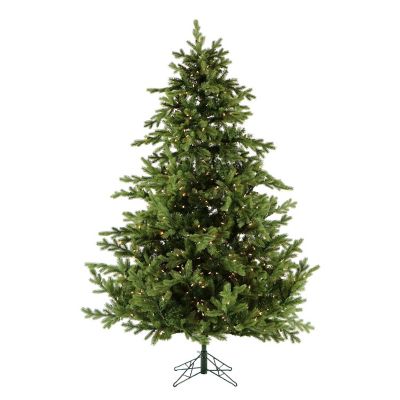
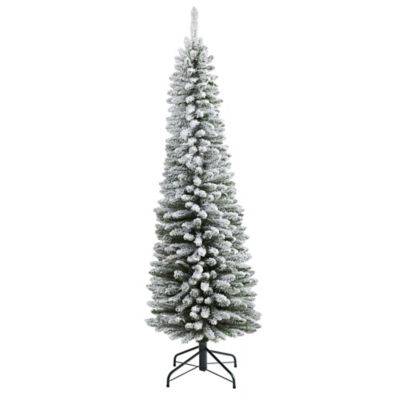
PVC Christmas trees are artificial holiday trees with foliage made from polyvinyl chloride, a plastic commonly formed into thin, flexible needles. The name can also refer to a Christmas tree-shaped structure built from PVC pipe, but an artificial evergreen tree generally has plastic branch tips supported by wire branches and a central frame. Traditional PVC foliage starts as sheets of plastic cut into narrow, fringed strips and secured around branch wires. That construction gives the branches their familiar brush-like texture and lets many tree styles hold a full outline once the tips are spread apart. Some artificial trees combine PVC foliage with molded polyethylene, or PE, tips, which have a more sculpted needle shape. The mix of materials, placement of the branches, and amount of space between them all affect the finished appearance. Green shades can range from lighter evergreen tones to deep forest green, while brown accents near the branch stems can add depth. Flocked finishes bring a snow-covered look, though their loose surface material may call for a little more care around floors, furniture, and storage bags. For a farmhouse living room, a small apartment, or a gathering spot where the family opens gifts, a PVC tree offers an evergreen shape without a fresh-cut trunk or a watering stand. It can become part of the Christmas routine year after year, though handling, storage, and construction affect how well it holds up. A tree with open spaces between branch layers leaves room for larger ornaments and hanging keepsakes. Denser foliage creates a fuller background for ribbon and strings of lights. Neither appearance depends on branch-tip count alone; the length, shape, and arrangement of those tips matter, too. Flexible branch wires help position smaller ornaments, while heavier pieces generally sit better closer to stronger branch joints, within the limits set by the tree’s manufacturer. A few treasured ornaments can stand out nicely without covering every branch.
The right fit involves more than choosing a height that clears the ceiling. A PVC Christmas tree needs room for its stand, its widest branches, and any topper, along with enough open floor space for people to pass without brushing against it. Published dimensions deserve a close look because the stated height may include the stand and uppermost tip, while the listed width generally reflects branches spread into position. A broad tree can anchor an open living room, but a slim or pencil-shaped tree may make more sense beside a staircase or in a smaller front room. Even a narrow tree needs a level base and space clear of door swings, heating vents, and busy paths between rooms. For a countertop, side table, or smaller gathering space,
Artificial Tabletop Christmas Trees offer another way to bring in that Christmas tree shape without filling the floor. Tabletop placement still calls for a stable surface with enough depth to support the entire base, especially where children or pets can reach it. Full-size trees also differ in how they come together. Hinged branches fold down from the trunk sections, while hook-in branches attach individually, sometimes following color-coded positions. Both styles can need shaping after storage; compressed branch tips rarely look their fullest straight out of the box. Pre-lit trees have lights already arranged through the branches, while unlit trees leave the light placement and color choice to the household. Warm white lights create a softer glow around wood furniture and family photographs, while multicolor strands bring a brighter, playful feel. Light type, electrical connections, and control features vary, so those details matter as much as the tree’s outline. Some pre-lit designs include multiple lighting settings, but that is a feature to confirm rather than assume. Access to an outlet also matters: a tree looks more settled when its cord can reach safely without crossing the walkway where everyone carries presents, snacks, or an armload of firewood.
Care and placement help a PVC Christmas tree keep its shape through repeated holiday setups and pack-ups. Indoor trees belong in indoor spaces unless the manufacturer specifically rates them for outdoor use; a covered porch alone does not make an indoor tree suitable for exposure. Fireplaces, woodstoves, space heaters, and other heat sources need plenty of separation from artificial branches, cords, and ornaments. A flame-resistant label does not mean a tree is fireproof, and the tree’s instructions should govern placement and electrical use. On pre-lit styles, intact cords, snug connections, and compatible replacement bulbs or parts are important details. Light strings should stay within the manufacturer’s electrical limits, and lights should be switched off before leaving home or going to bed. Everyday care is usually straightforward, but the finish makes a difference. Plain foliage may allow gentle dusting with a soft, dry cloth or another method approved by the manufacturer. Flocked branches and built-in lights can require different handling, and electrical components should never be soaked. Before storage, ornaments, hooks, ribbon, and separate light strings come off so they do not snag or bend the foliage. Branches fold more neatly when each section follows its intended direction rather than being forced into a smaller space. A storage bag or properly sized box helps keep dust off and prevents loose branches from catching on other belongings. Dry storage away from direct sunlight, excess heat, moisture, and pests helps protect plastic foliage, metal supports, and electrical parts. Heavy totes stacked on top can flatten branch tips or strain hinges, so a clear spot on a shelf often works better than the bottom of a crowded pile. For a first home, a family gathering place, or a gift to someone setting up their own Christmas traditions, size and setup effort matter just as much as appearance. A tree that suits the room, supports the ornaments, and packs away without a struggle can become a familiar part of bringing Christmas home.