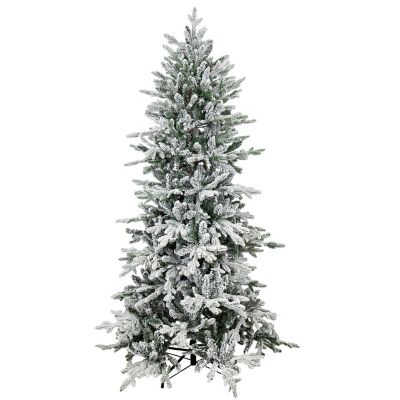
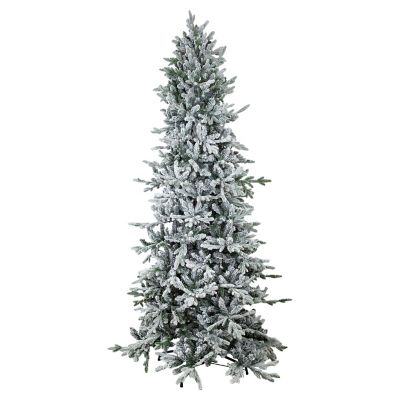
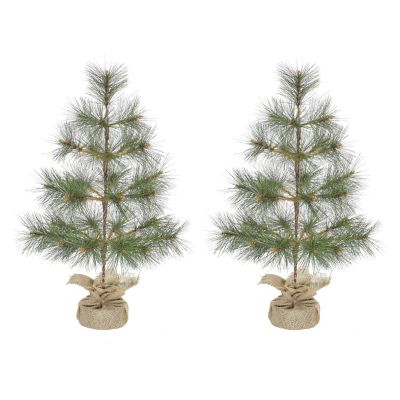
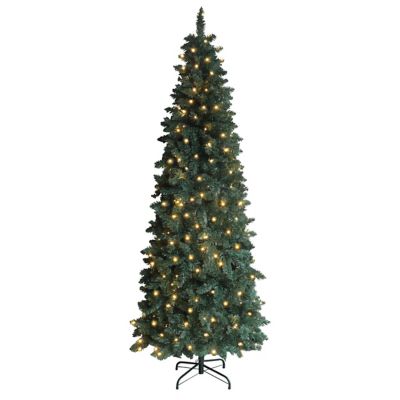
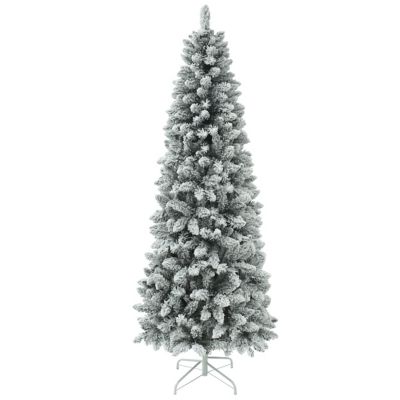
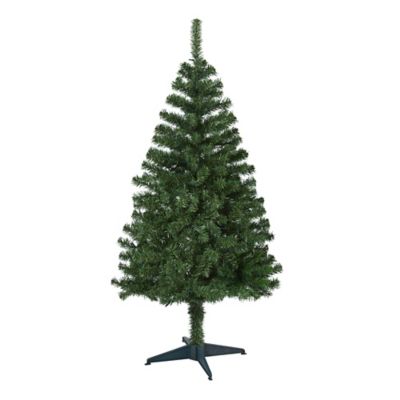
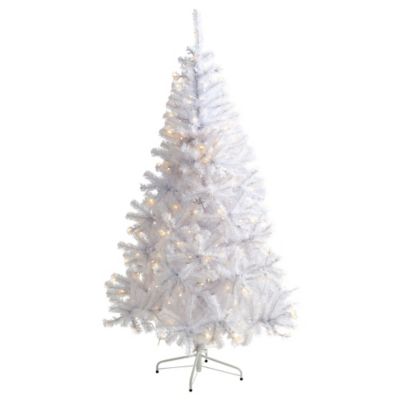
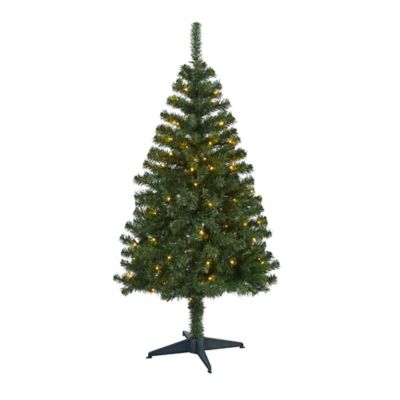
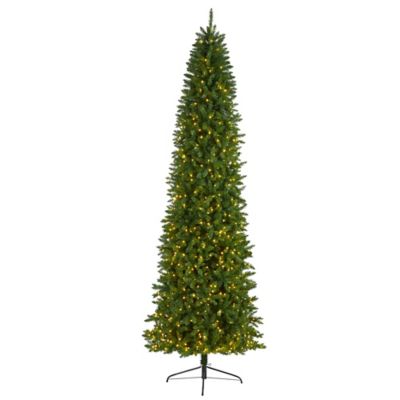
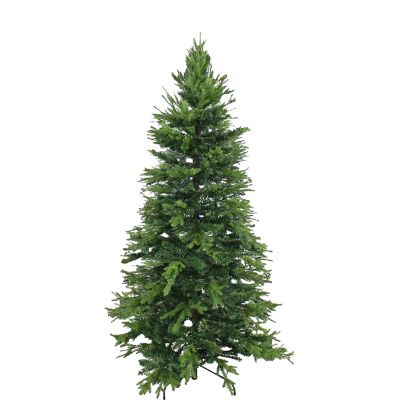
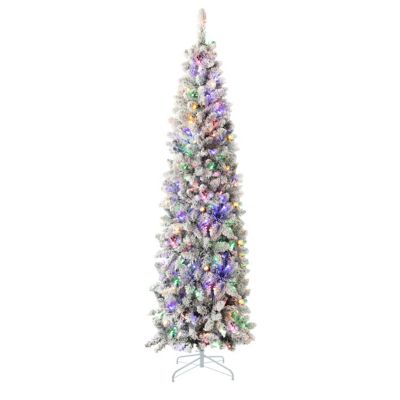
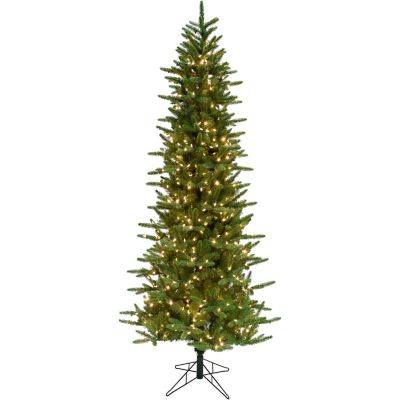
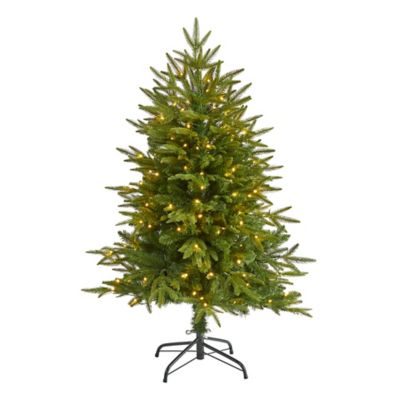
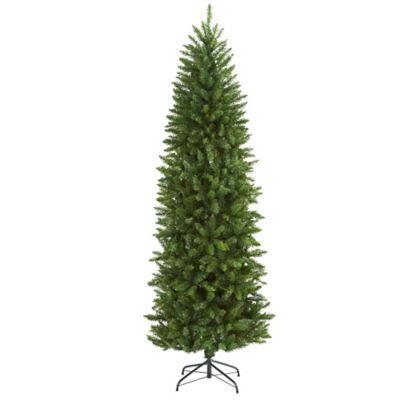
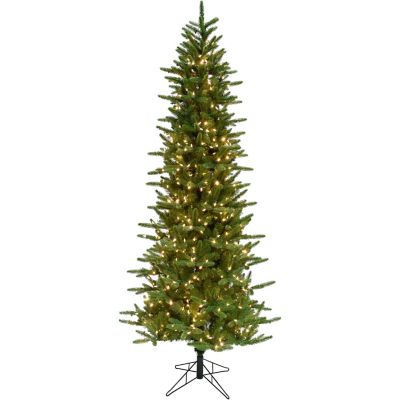
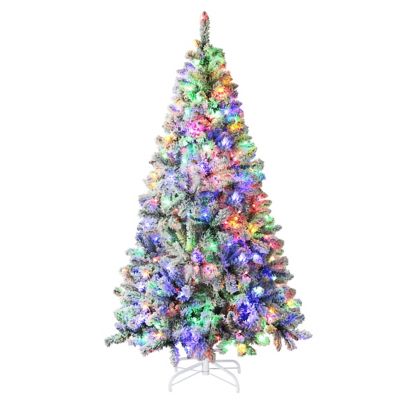
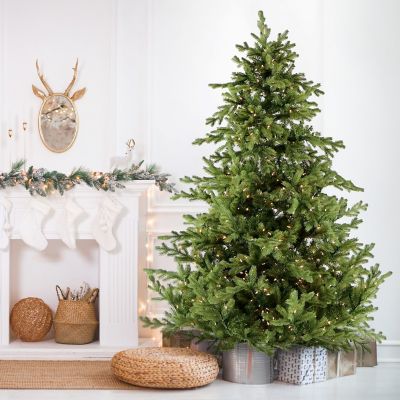
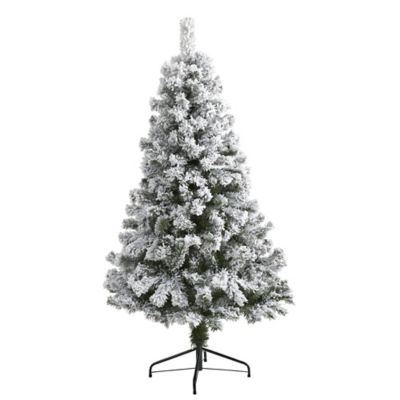
Christmas trees give holiday gatherings a place to come together, whether that means presents tucked beneath the branches, a string of popcorn across the front or a favorite ornament hung where everyone can see it. The right tree fits both the room and the way a household celebrates. Full Christmas trees have a broad, familiar shape that suits an open living room, while slim and pencil profiles leave more floor space in a small farmhouse, apartment or dining room corner. Tabletop trees bring that same holiday feeling to a sideboard, entry table or smaller gathering space without taking over the room. Height matters, but width deserves just as much attention. A tree that clears the ceiling can still crowd a doorway, cover a floor register or make the path between the couch and kitchen feel tight. Measuring the intended spot at floor level helps show how much room the lowest branches will need, including space for ornaments that hang beyond the tips. Ceiling measurements should account for the stand and topper, with a little breathing room above the finished tree. Check whether the listed height includes the stand before settling on a size. Shape also changes the overall look: closely spaced branches create a thick backdrop for lights, while more open branching gives larger ornaments room to hang freely. Deep green needles have a familiar woodland look, blue-green tones offer a softer appearance, and flocked branches suggest a dusting of snow. Heavier flocking may shed during setup and handling, so the finish is worth considering in a home with curious pets or small children. A tree near a picture window can make a welcoming sight from the driveway, but its best location still leaves exits clear and keeps branches away from fireplaces, wood stoves and other heat sources. For busy households, a tree that fits comfortably into everyday life is easier to enjoy than one that requires moving half the furniture.
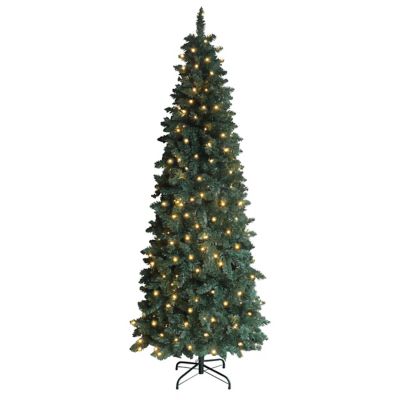
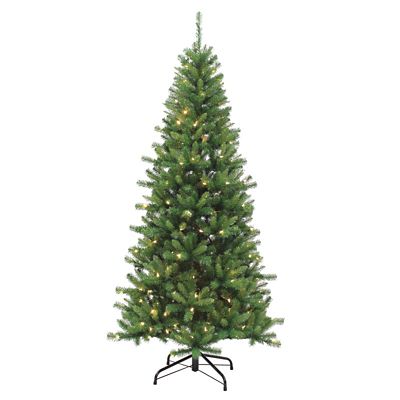
Artificial Christmas trees offer several construction choices that affect appearance, setup and storage. Molded polyethylene branch tips can capture the shape and texture of individual needles, while flat polyvinyl chloride needles help create fullness; some trees combine both materials. Looking at the outer tips and the inner branches gives a better sense of how a tree will look from across the room and up close. Branch arrangement matters, too. Hinged branches fold down from the center pole and stay attached during storage, while hook-in branches require separate placement during assembly. Both styles need some shaping so the tips spread out and fill gaps. A sturdy stand, secure pole connections and branches suited to the weight of favorite ornaments all contribute to a steady display. Heavy keepsakes generally sit better closer to the trunk, where branches have more support, rather than at the outermost tips. A
Christmas tree with lights keeps lighting arranged throughout the branches and reduces the number of separate strands to manage. Warm white lights give off a gentle glow that pairs well with wood furniture and traditional ornaments, while multicolor lights bring a cheerful look familiar to many family Christmas celebrations. Light count alone does not tell the whole story; bulb spacing, brightness and placement affect whether the tree looks softly lit or bright from top to bottom. LED lights generally draw less electricity and produce less heat than incandescent lights, though every light set still needs proper handling. An unlit tree leaves the choice of strands, colors and placement open, which can suit households that change their look from one Christmas to the next. For pre-lit trees, clearly marked electrical connections and accessible replacement parts can make upkeep simpler. Lighting functions, bulb replacement procedures and strand compatibility vary, so the manufacturer’s directions remain important throughout setup and care.
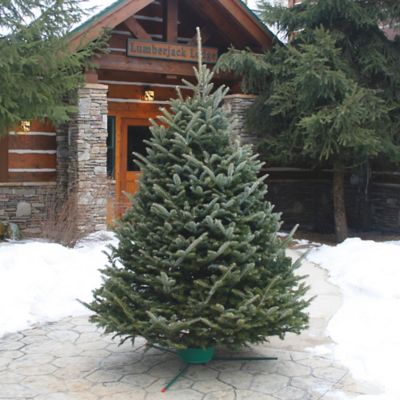
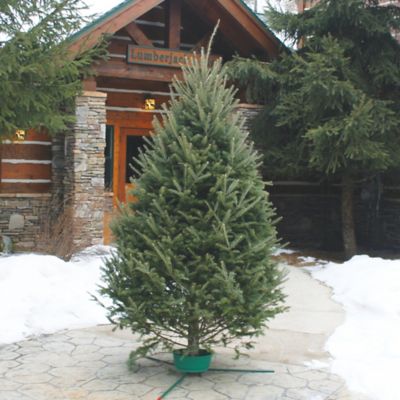
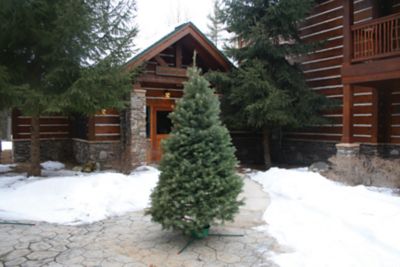
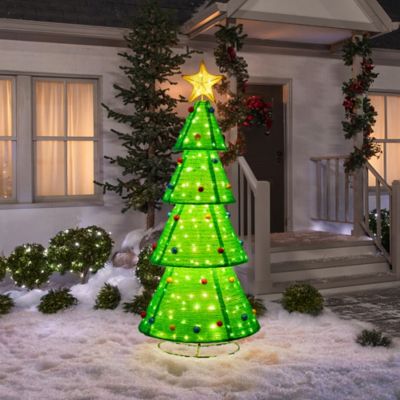
Real Christmas trees bring natural fragrance and branching that varies from tree to tree. Fir, pine and spruce each have their own needle shape, branch structure and scent, and those differences influence how they hold ornaments and look in a room. Fir needles tend to be softer to the touch, many pines have longer needles that create a feathery appearance, and spruce branches can provide a firmer feel with sharper needles. Freshness and care also affect needle retention. A cut tree needs a stand sized for both its trunk and height, with enough water capacity to keep the cut end submerged. Before placing it in water, a fresh, straight cut across the base helps reopen the trunk’s water pathways; shaving the sides to force it into a smaller stand is not a good substitute for a proper fit. Plain water is generally all that is needed, and the level deserves daily attention because a fresh tree may drink quickly, especially after setup. Keeping any Christmas tree at least three feet from heat sources helps reduce fire risk, and lights should be turned off before leaving home or going to bed. Indoor trees and electrical components belong indoors unless their labels specifically permit outdoor placement; a covered porch still exposes a tree to dampness and wind. After the holiday, a cut tree should leave the house before it becomes dry and brittle, with local collection or recycling rules guiding disposal. Artificial trees need a different kind of care: lights unplugged, ornaments removed, branches folded without forcing the hinges, and sections packed in a dry storage space. A fitted storage bag or appropriately sized box helps protect branch tips and wiring between celebrations. Whether the tree holds paper ornaments from school, ribbons from family gatherings or a collection built over many years, sensible sizing and straightforward care help keep the focus on the people gathered around it.