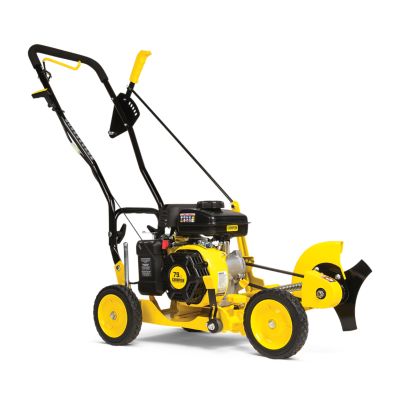
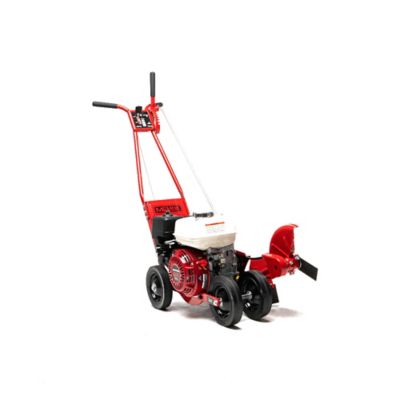
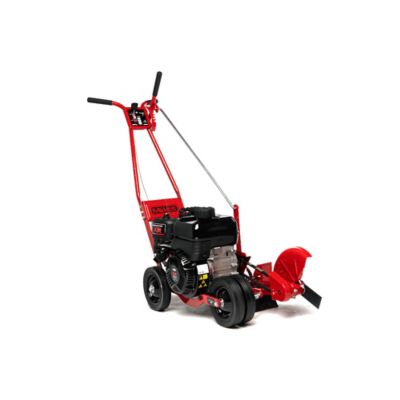
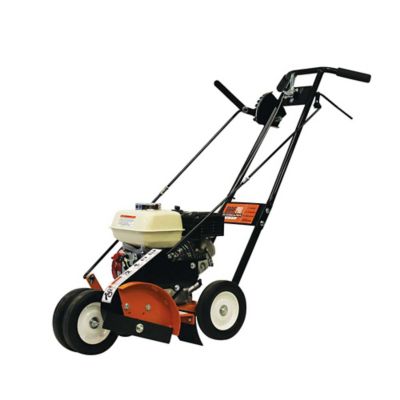
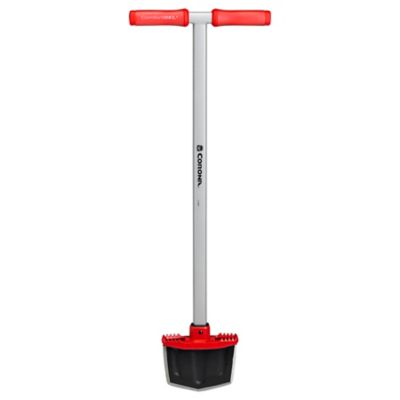
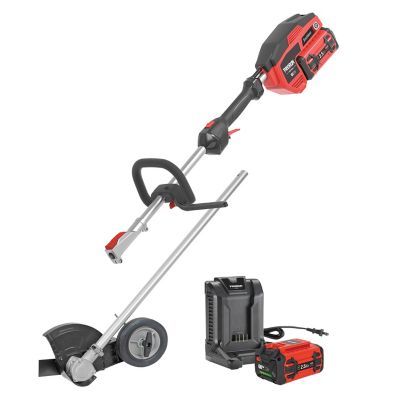
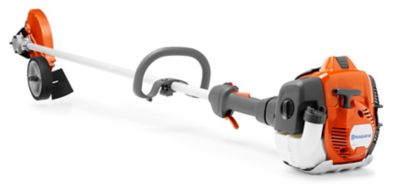
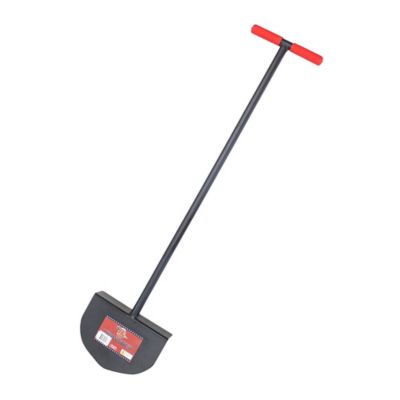
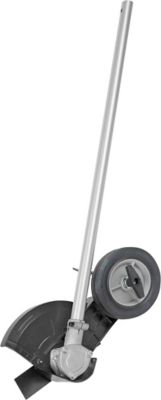
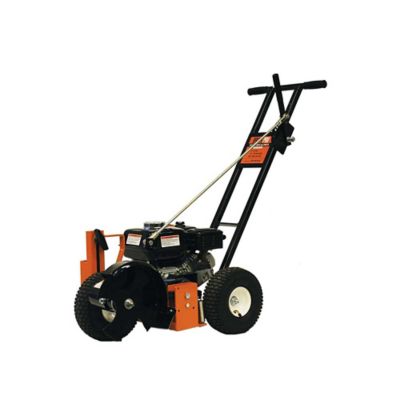
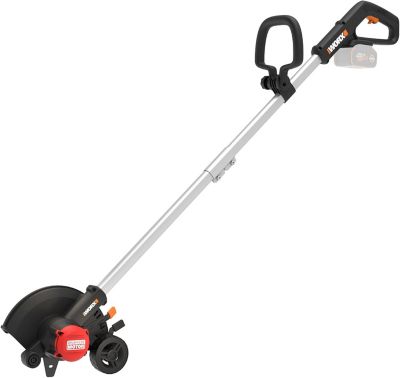
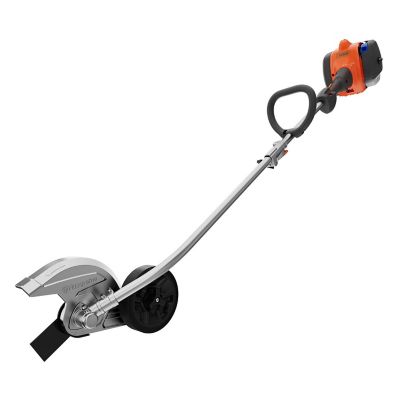
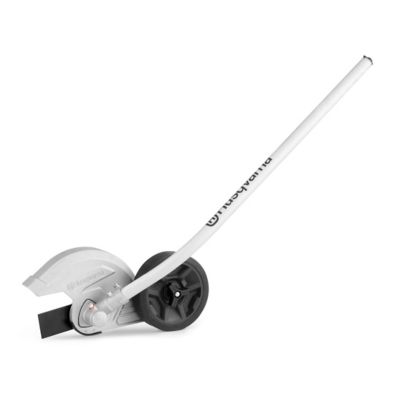
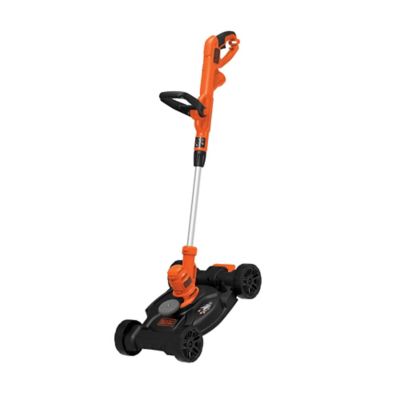
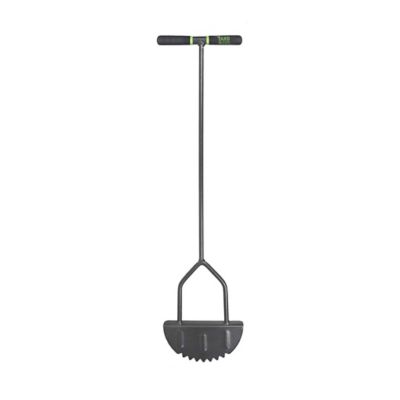
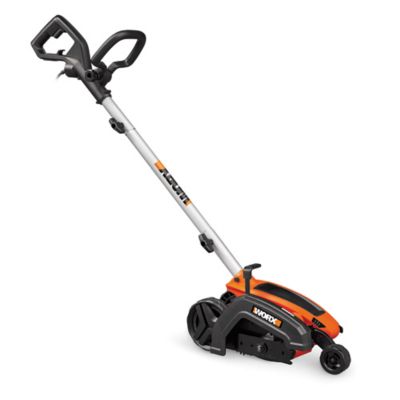
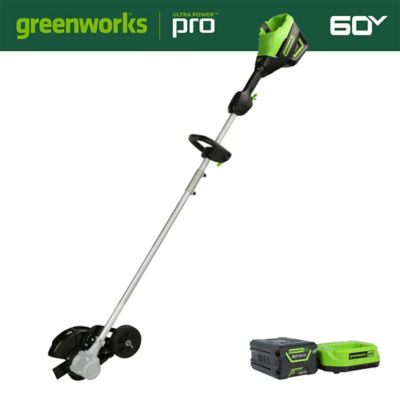
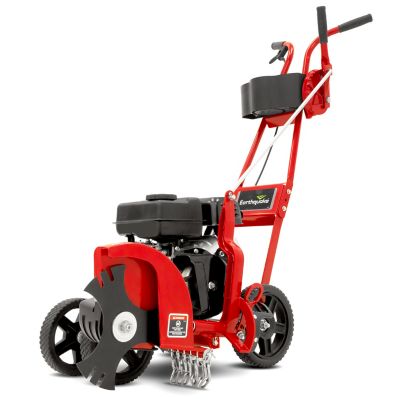
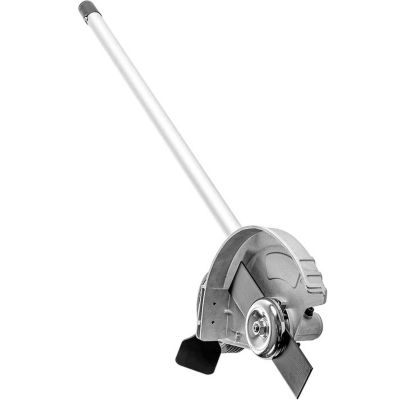
Push edgers are lawn tools that create clean borders along sidewalks, driveways, patios, and garden beds by cutting through grass and shallow soil at the edge of the lawn. Often grouped with walk-behind lawn edgers, they help keep turf from creeping across pavement or blurring the line between a yard and a planting area. A mower handles the broad surface of the lawn, while an edger works along its boundary, leaving a distinct separation that makes the whole space look cared for. That difference matters along a front walk, beside a concrete driveway, or around the small lawn next to a farmhouse porch. Push-style designs include manual rolling tools and powered machines, so the work involved depends on how the cutting mechanism operates. Manual push edgers rely on forward movement and physical effort, with a cutting wheel or similar mechanism working along the border. They can suit shorter runs and regular touch-ups where the edge is already established. Powered walk-behind edgers drive a blade with a motor or engine, making them worth considering for longer stretches or thicker turf, within the machine’s rated capabilities. Gas-powered designs require fuel and engine upkeep, while battery-powered designs depend on battery capacity, charging, and compatibility with the specified power system. Neither power source takes the place of a machine that fits the property and the person behind the handle. A narrow walkway with several corners presents different demands than a straight driveway running past the house. Grass growing over a firm concrete edge also presents a different job than an irregular border beside loose stone. Comparing push designs within the broader category of
Edger Machines helps put those differences in perspective. The most useful match comes down to the length of the edging route, the condition of the existing border, the ground underfoot, and how much pushing, steering, and upkeep the owner is comfortable handling.
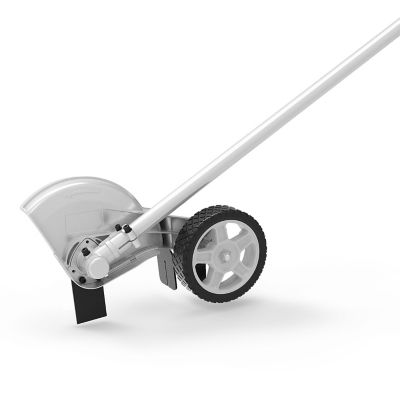
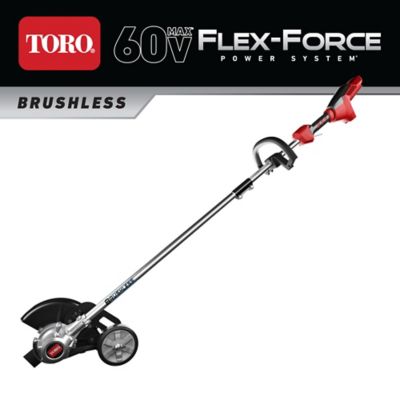
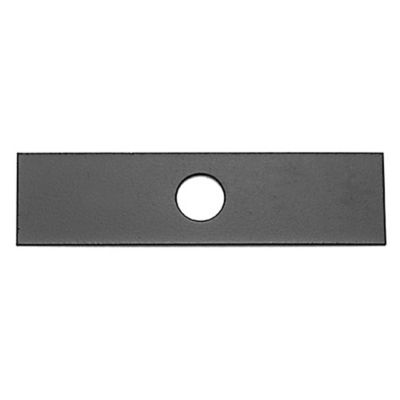
Construction and fit make a noticeable difference once an edger leaves the shed. Steel cutting blades handle repeated contact with grass roots and soil, but blade shape, thickness, and approved replacement options vary by design. A sturdy frame helps support the cutting assembly, while the blade guard provides a barrier between the cutting area and the operator; it does not eliminate the need for eye protection, substantial footwear, and clearance from other people and animals. Metal components, protective finishes, wheel construction, and the way the handle attaches all deserve a look when comparing machines for repeated property chores. Wheel size and placement affect how the tool tracks along a border, especially where lawn and pavement sit at different heights. Some powered designs include wheel adjustments intended for working beside a curb, although that feature is not part of every push edger. Cutting-depth adjustment is another practical consideration. It allows the operator to set the blade within the manufacturer’s limits for the job rather than treating every stretch of lawn the same. Adjustable blade angles, where provided, add flexibility for certain border shapes, but the machine’s instructions determine which applications are appropriate. Handle height matters just as much as the cutting end. A comfortable working position leaves room for a natural stride without forcing the operator to hunch over or reach too far ahead. Grip shape, vibration, control placement, and the effort needed to keep a control engaged can all affect comfort along a lengthy driveway. Weight deserves attention, too: a heavier machine may feel planted on a straight run but take more effort to turn, lift, or move across the yard. Around tight corners, fence gates, and short connecting walks, a manageable turning footprint can matter more than extra power. For a homeowner tending a compact yard or a caretaker maintaining several buildings, those everyday handling details often determine how well the equipment fits the work.
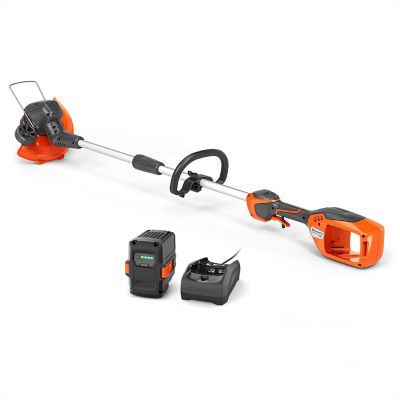
Push edgers also need to fit the ground they cross and the care they receive between jobs. Firm, established borders generally offer a clearer path than edges hidden beneath thick overgrowth, and roots, buried objects, or uneven pavement can interrupt an otherwise straightforward run. These tools are intended for lawn edging within their stated limits, not for cutting pavement, trenching utility lines, or grinding through substantial roots. Loose gravel deserves particular attention because contact with a powered blade can throw stones; a gravel lane is not the same working surface as a concrete sidewalk. Blade guards should remain in place, and the operator’s manual sets the requirements for protective gear, safe clearances, and handling obstacles. Long service life depends on care as well as construction. Grass buildup and packed soil need attention, cutting parts need inspection, and loose fasteners or damaged guards call for correction before further operation. Any cleaning, adjustment, or blade work belongs with the machine stopped and its power source secured according to the manufacturer’s directions, including battery removal or spark-plug disconnection when specified. Gas engines bring additional maintenance requirements, such as checking oil where applicable and following the prescribed air-filter and fuel-care procedures. Battery-powered equipment has its own charging and storage requirements, and a battery platform only offers shared convenience when the manufacturer confirms compatibility. Manual rolling edgers avoid engine and battery maintenance, though their cutting parts, wheels, and fasteners still need routine attention. Storage space matters for every design: handle dimensions, folding provisions where fitted, and the room needed to park the tool can affect how easily it fits beside a mower or garden cart. For households sharing equipment, manageable controls and handle adjustments can help accommodate different operators. A well-matched push edger brings a focused tool to a familiar chore, whether the goal is a tidy walk to the front door or a clear lawn border along a stretch of pavement.