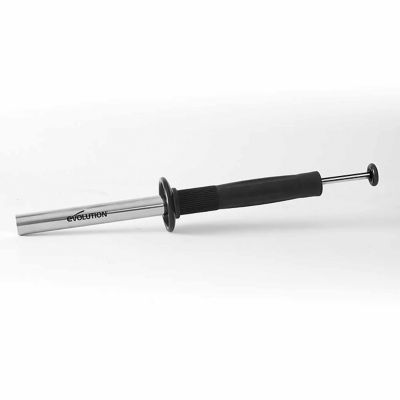
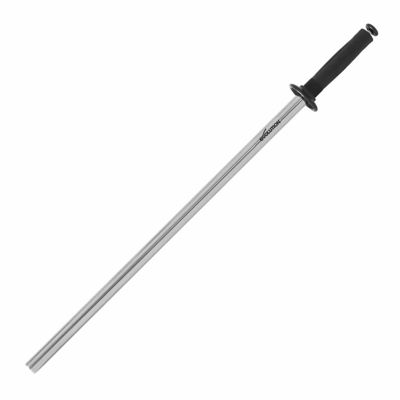
Magnetic pickup tools retrieve dropped steel and iron hardware from spots that fingers, pliers or a wrench can't easily reach. A magnetic head attracts the loose piece, while a shaft gives you the reach to bring it back out. That simple setup earns its keep when a socket slips beside a tractor engine, a washer disappears behind a workbench or a screw lands deep inside a mower frame. Mechanics, farmers, ranchers, maintenance crews and folks tackling repairs around the house all run into these little setbacks. Instead of taking apart surrounding components just to recover one fastener, a pickup tool can provide access through an existing gap. These tools work with ferromagnetic materials, including iron and many types of steel; they generally won't retrieve aluminum, brass or copper, and their grip on stainless steel depends on the alloy. Some magnetic pickup tools feature neodymium magnets, which are a type of rare-earth magnet capable of producing a strong pull from a compact head. Other designs use different magnet materials, so the construction and stated capacity matter more than head size alone. A listed pull rating usually reflects favorable contact with a suitable metal surface, not every retrieval situation. A flat steel plate gives a magnet more contact than the rounded edge of a small nut, and paint, rust, grease or an awkward angle can reduce its hold. A bolt resting freely on a frame rail is also a different job from one wedged beneath a bracket. Magnetic attraction can help retrieve a loose piece, but it doesn't replace the force needed to free something that's trapped. For everyday shop work, the useful balance is enough magnetic pull for the hardware involved, a head that fits the opening and a shaft that reaches the drop without getting in the way. These are retrieval tools, not substitutes for lifting equipment or tools meant to support a load.
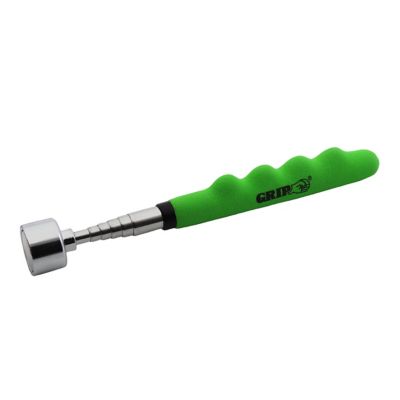
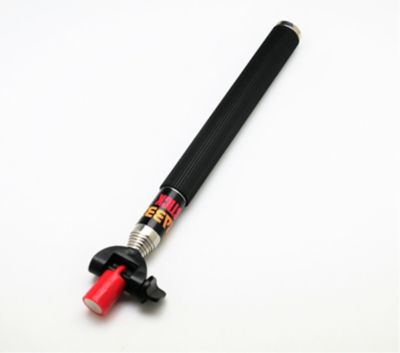
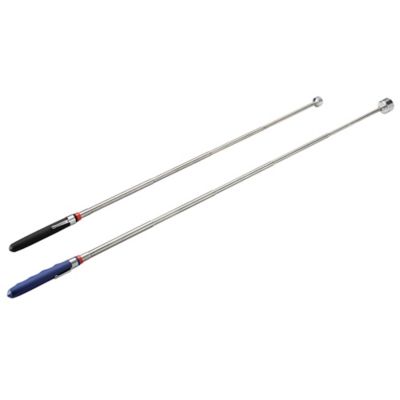
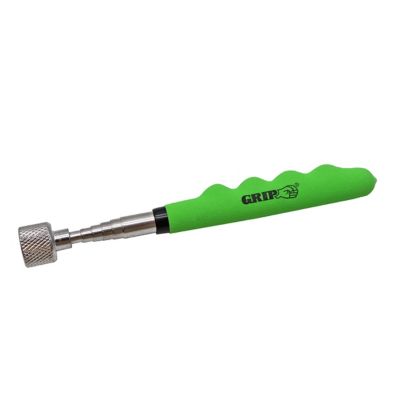
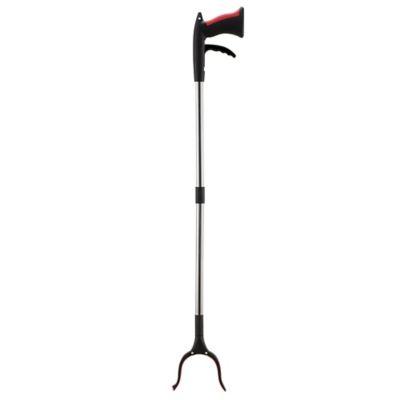
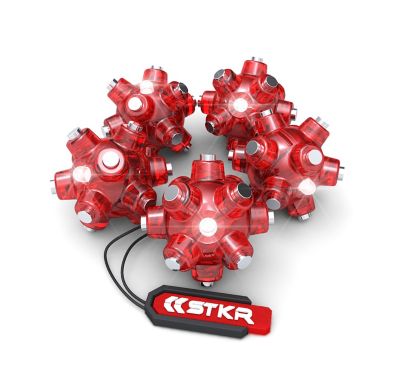
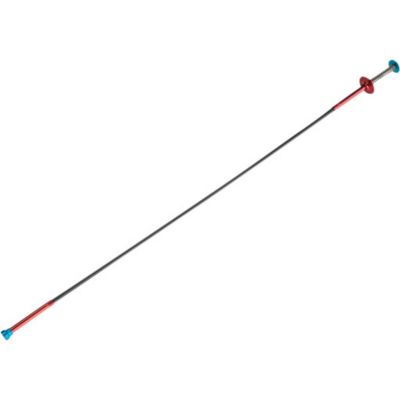
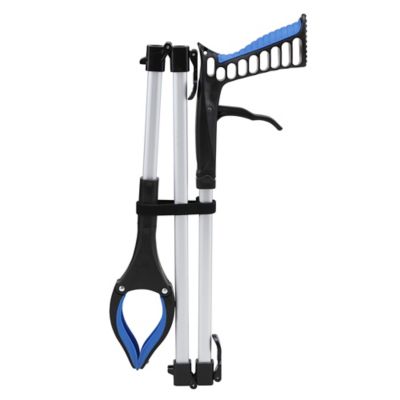
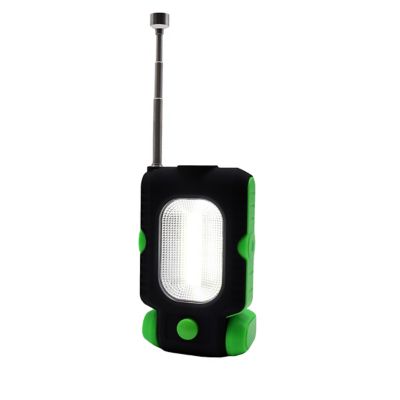
Reach and access separate the main types of magnetic pickup tools. Telescoping pickup tools collapse for storage in a toolbox drawer or pocket, then extend for a mostly straight approach into an engine compartment, behind a cabinet or beneath a bench. Their compact size suits routine repair work, though a long extension can flex and may need a steadier hand when carrying a heavier fastener back through a narrow opening. Flexible-shaft pickup tools bend around obstructions where a straight shaft can't line up with the dropped part. Depending on the design, the shaft may hold a bend or remain more flexible, which affects how easily the head can be positioned. A fixed shaft offers a simpler option when the working distance stays consistent. Head diameter matters just as much as overall length: a larger magnet may offer more contact area, but it won't help much if it can't pass between nearby components. Small heads fit tighter gaps, while broader heads can make contact with scattered steel hardware across a wider area. Some designs limit attraction along the sides of the head, helping reduce the tendency to grab every nearby steel surface before reaching the intended part. Lighted magnetic pickup tools add illumination near the retrieval point, a handy feature beneath a dashboard or inside a shadowed equipment housing. Their usefulness depends on whether the beam reaches the target without the surrounding structure blocking it. Battery access and the location of the light switch are worth considering, especially for someone working in gloves. Handle shape, grip texture and balance also affect control when a tool is extended at arm's length. Metal shafts, protective finishes and firmly attached heads contribute to service life, while a pocket clip or hanging point can keep a smaller tool close at hand. The best fit comes down to the space being reached, the weight and shape of the loose hardware, and how often the tool will travel between a shop bench, service truck and equipment shed.
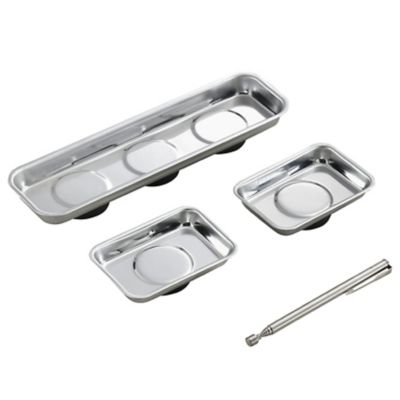
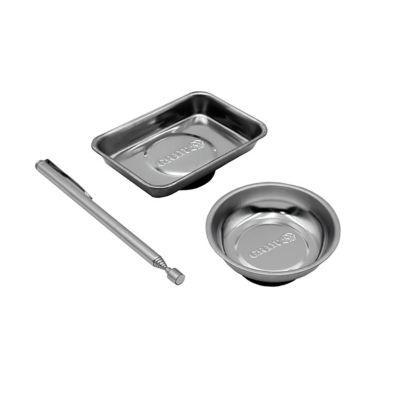
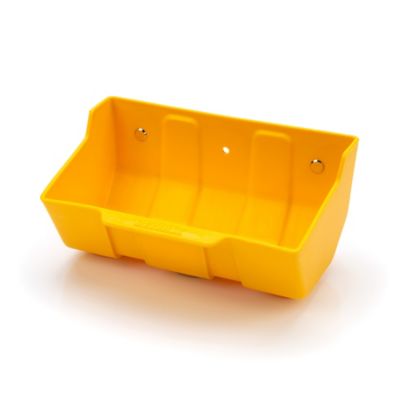
Shop conditions have a lot to do with how well a magnetic pickup tool performs over time. Steel filings and tiny chips collect readily on a magnet, and that buildup can interfere with clean contact or scratch a finished surface as the head passes by. A clean head is easier to position against a small fastener and less likely to carry grit into the next job. Grease and dirt can collect around telescoping sections, too, making smooth movement harder if they remain there. Care generally centers on wiping away debris, keeping moving sections clean and following the maker's directions for moisture exposure, cleaning products and storage. A protective coating can help shield metal components, but worn finishes and lingering moisture can still lead to corrosion. Strong impacts can damage a magnet or loosen its mounting, and heat tolerance varies by magnet and tool construction. Storage away from sensitive electronics and magnet-sensitive devices helps prevent trouble; anyone with an implanted medical device should follow the device maker's guidance around magnets. Retrieval work also belongs around stopped equipment with power isolated as appropriate, not near moving belts, rotating shafts or energized electrical components. Around the bench, pickup tools pair naturally with
Magnetic Parts Trays: one helps recover a dropped fastener, while the other helps keep compatible steel nuts, bolts and washers together during a repair. That combination makes sense when several small pieces come off a mower housing, an equipment guard or a shop fixture and need to stay close until reassembly. A magnetic pickup tool can also make a practical gift for a mechanic, farm equipment owner, woodworker or anyone whose projects involve small steel hardware. It's a straightforward addition to a tool collection, with a purpose that's easy to appreciate the first time a hard-to-reach screw comes back into view. Whether it rides in a mobile repair kit or stays beside the workbench, its value comes from matching the reach and magnetic hold to the job at hand.