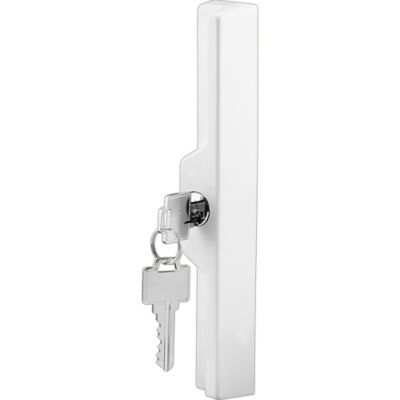
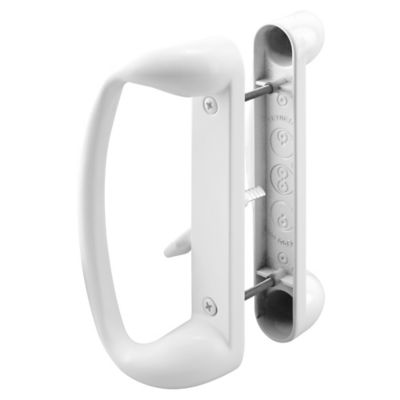
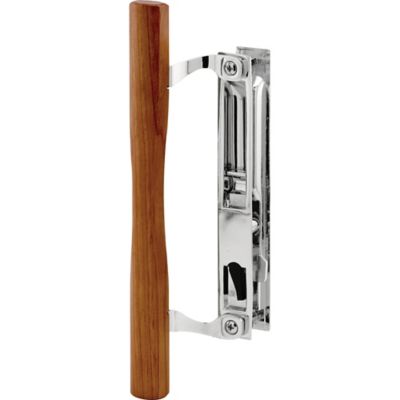
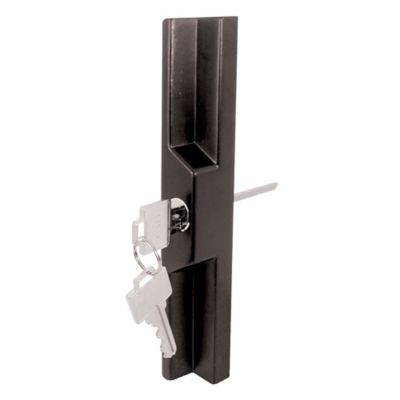
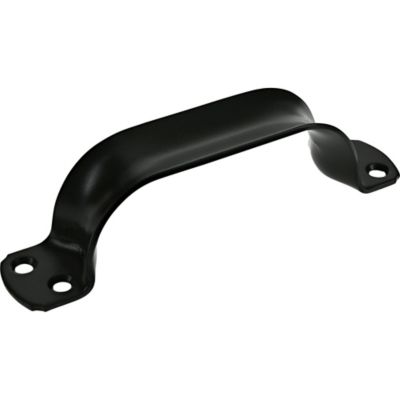
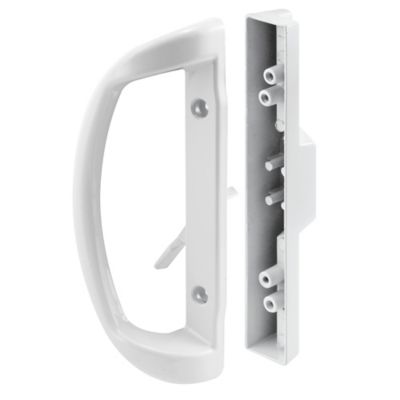
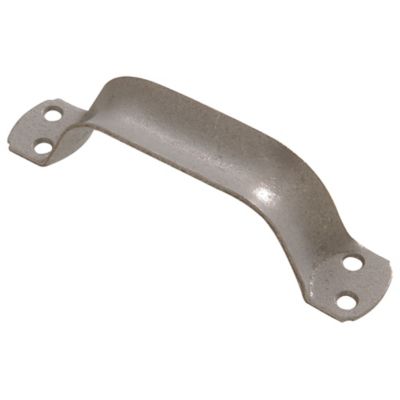
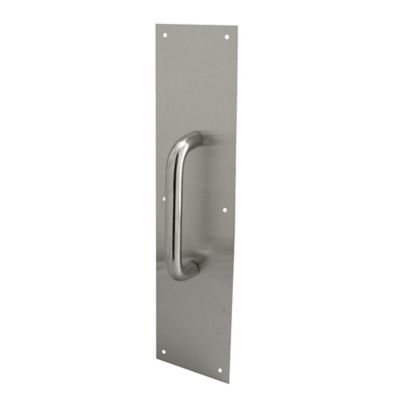
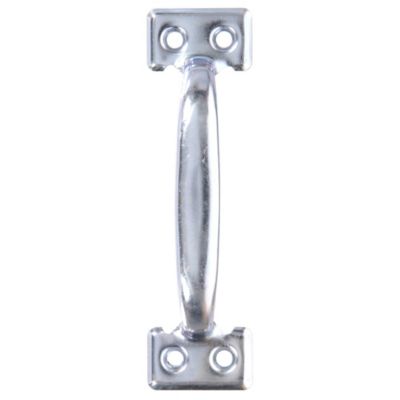
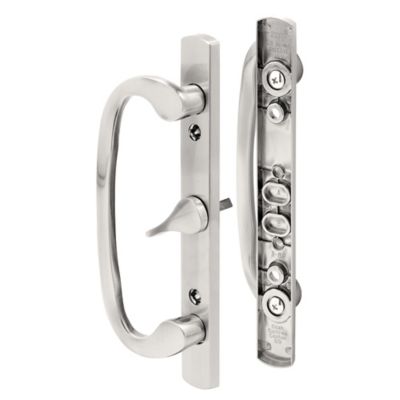
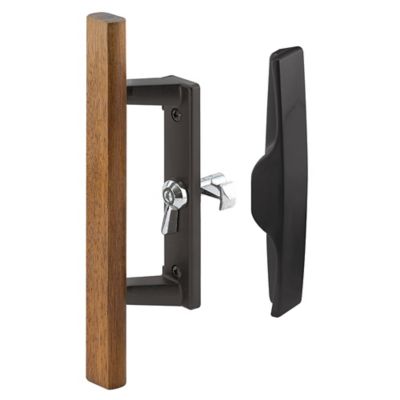
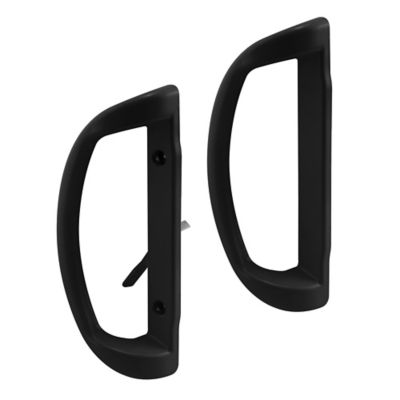
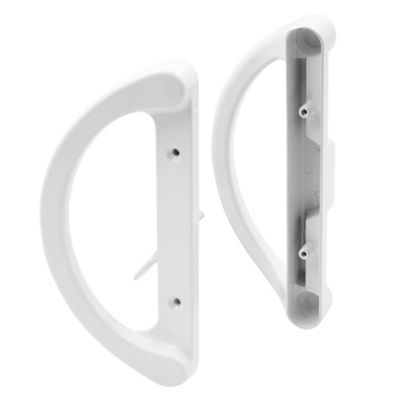
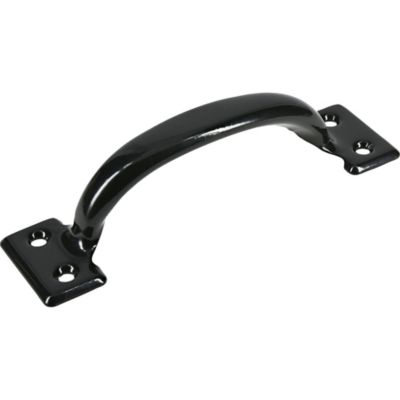
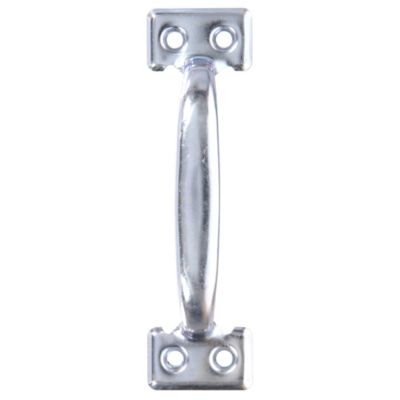
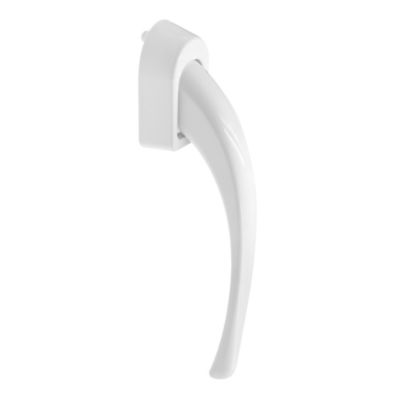
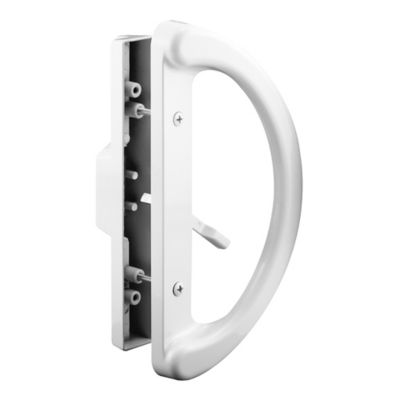
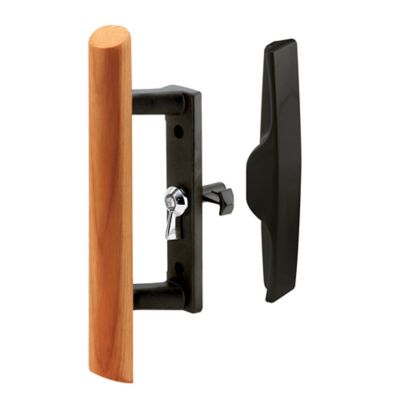
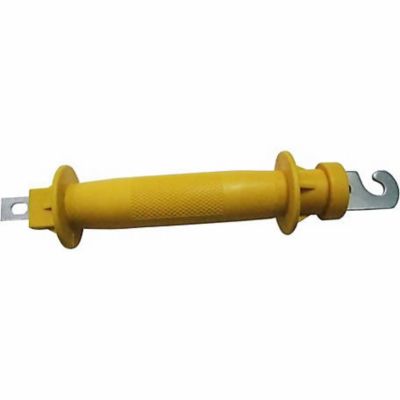
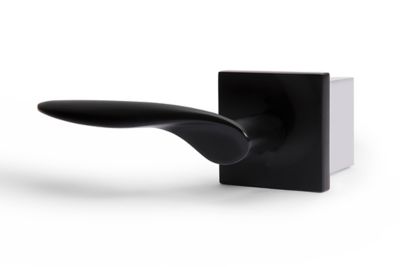
Pull handles for doors provide a fixed grip for opening and closing a door without the turning action of a knob or lever. A standard fixed pull does not retract a latch on its own, so the door’s catch, latch or lock needs to work independently of the handle. That distinction matters on everything from a pantry door to a busy workshop entrance. Sliding barn doors generally need a handhold that helps move the panel along its track, while swinging doors may pair a pull with a roller catch, magnetic catch or separately operated latch. In a feed room, a broad grip can make a door easier to handle when someone has a scoop in one hand. On a shop door, a simple straight pull gives a clear place to grab without adding a moving handle mechanism. Common shapes include straight bars, rounded bows, arched grips and handles with broad mounting plates. Each shape changes how the handle feels in the hand and how far it stands away from the door. A rounded grip may feel more comfortable during repeated trips, while a wider opening behind the handle leaves extra room for work gloves. Overall handle length and usable grip length are not always the same, especially on styles with long mounting ends. The amount of space between the grip and the door face matters just as much as appearance. Too little clearance can crowd the knuckles; too much projection can put the handle in the path of a nearby wall, cabinet or passing equipment. On sliding doors, that projection also needs to suit the gap between the door and surrounding trim. A surface-mounted pull that works well on the exposed side of a barn door may not clear the wall on the back side. Matching the handle’s shape to the door’s movement helps keep an everyday trip into the tack room or storage area from turning into an awkward reach.
Door pull handles can be made from steel, stainless steel, aluminum, brass or cast iron, with each material bringing a different feel and set of care needs. Steel offers strength for demanding applications, though its resistance to rust depends on the finish and where the handle goes. Stainless steel can be a good fit for damp spaces, but the grade and exposure still matter. Aluminum is lighter in weight and resists rust, while brass brings a warmer color that may develop a patina unless protected by a coating. Cast iron has a substantial feel and often suits plank doors and traditional farm buildings; its finish needs attention wherever bare metal becomes exposed. Painted, plated and powder-coated surfaces also affect appearance and maintenance. A black finish can blend with strap hinges and dark track hardware, while brushed metal can sit comfortably alongside shop fixtures or stainless surfaces. Beyond the finish, the door itself determines what kind of mounting makes sense. Solid wood, hollow-core construction and metal doors do not all hold fasteners the same way. Surface-mounted handles attach from the same side as the grip, while through-bolted designs fasten through the door and may provide a stronger attachment when the door construction supports them. Neither arrangement makes up for a weak mounting area. A thin panel may need a backing plate or reinforcement rather than larger screws alone. For replacement work, the distance between the centers of the mounting holes is often the key measurement. Overall length, mounting plate size, door thickness and screw or bolt length also affect fit. A new handle can match the old handle’s overall size yet have a different hole pattern. On paired handles, the mounting system needs to suit both sides of the door without interfering with a latch or lock. Fasteners should also suit the handle material and the installation location, since mismatched metals or unprotected hardware can create trouble even when the grip itself remains in good shape.
Daily use puts the focus on the details that are easy to overlook in a picture: smooth edges, a comfortable grip, solid attachment and enough room to move through the doorway. A handle for a household closet may see a few light pulls a day, while one on a livestock supply room can get steady traffic from several people carrying buckets, bags and tools. The busier opening calls for attention to mounting strength, grip size and the condition of the door around the attachment points. Longer handles can offer more places to grab, but length alone does not establish how much force a handle or its mounting can take. Manufacturer specifications are the better reference for intended applications. In public or commercial spaces, a pull also has to fit the complete door hardware arrangement and applicable accessibility, fire-door and exit requirements. A fixed grip is not a substitute for required latching or exit hardware. Around the house, garage or outbuilding, simple care helps preserve the finish and keeps small problems from spreading. A soft cloth and a cleaner approved for the material are generally better choices than abrasive pads or harsh chemicals. Dirt around mounting plates can hold moisture against the surface, while loose fasteners can let the handle shift and wear the surrounding holes. A handle that starts to wobble deserves attention before repeated pulling damages the door. Scratches in a protective coating may also need treatment according to the manufacturer’s directions. Pull handles are practical finishing pieces for homeowners, farmers, shop owners and anyone fitting out a hard-working space. Their value comes from how naturally they fit the job: a comfortable grip on a heavy storage door, enough hand clearance beside a barn door rail, and mounting hardware suited to the panel beneath it. When those details line up, the handle feels like it belongs there, ready for the next trip through the doorway.