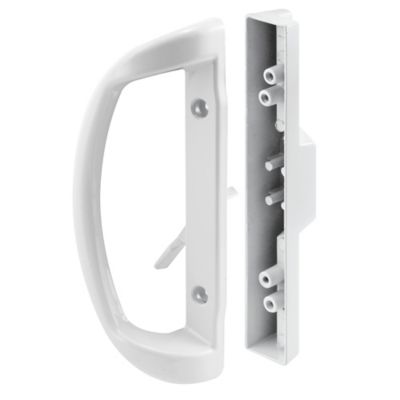
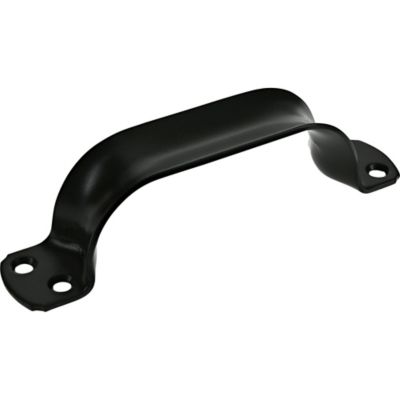
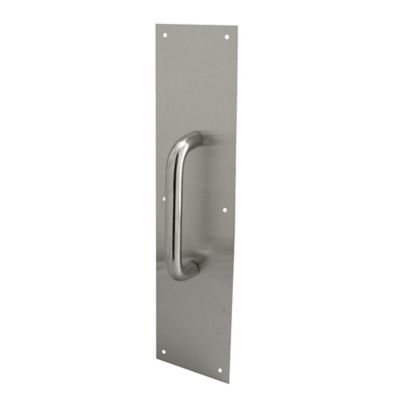
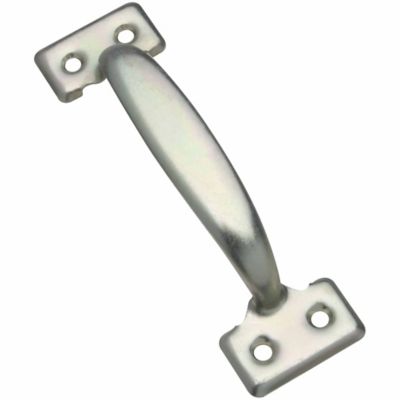
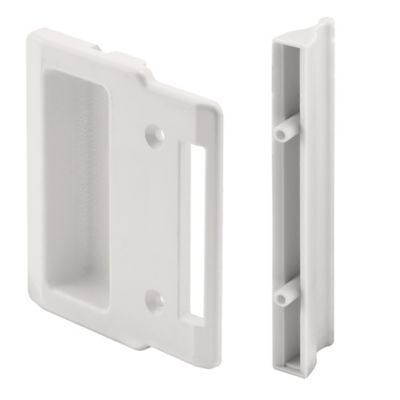
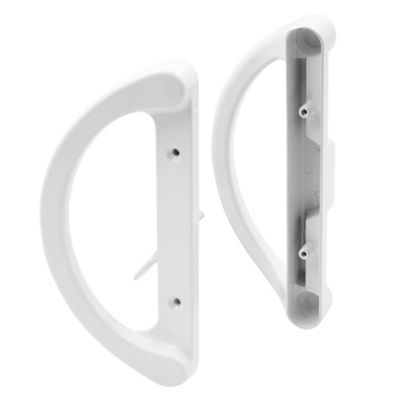
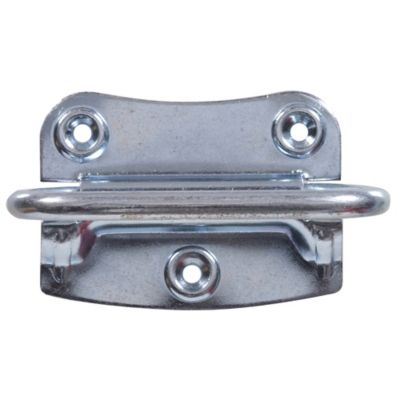
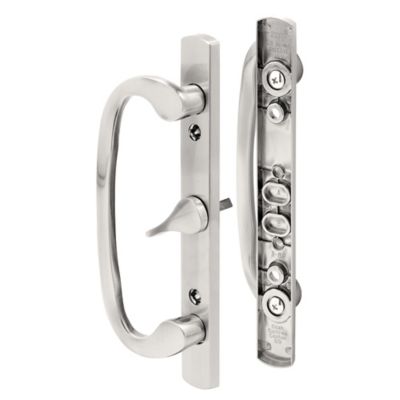
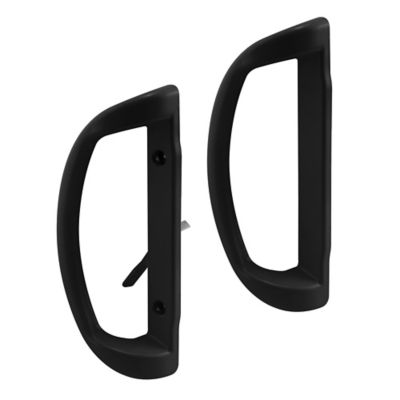
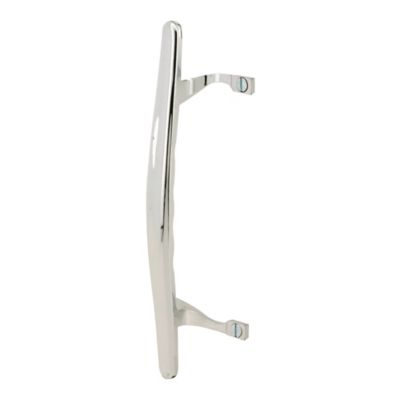
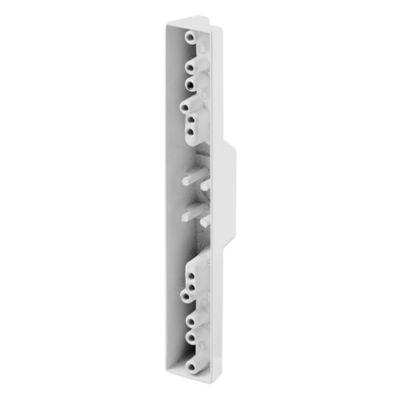
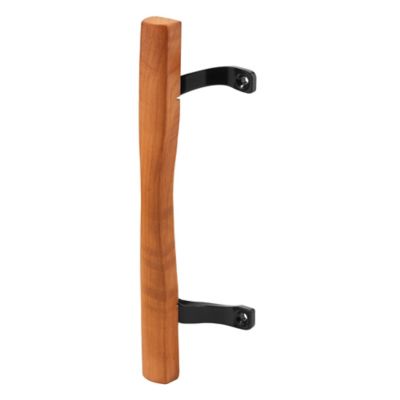
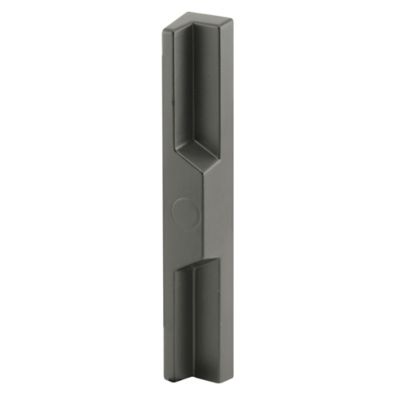
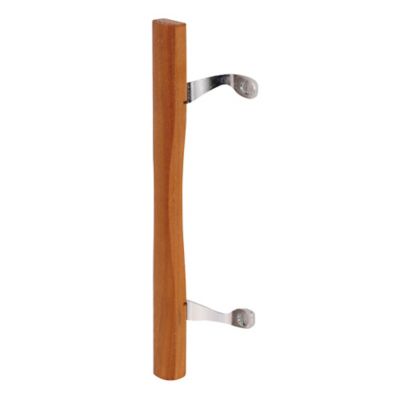
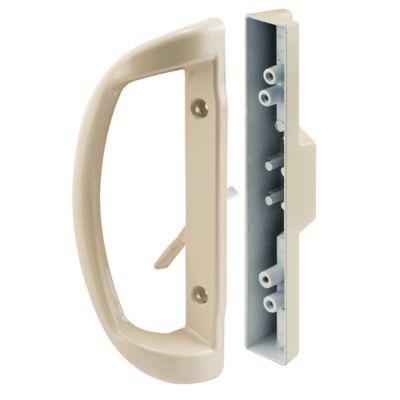
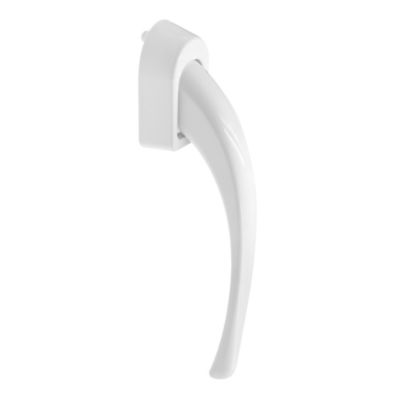
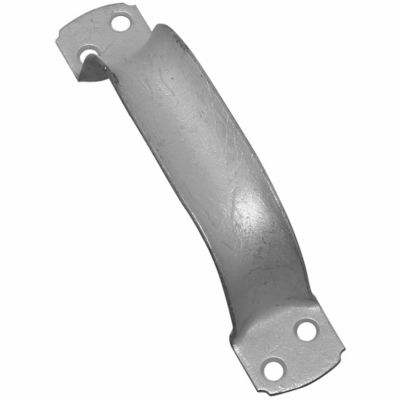
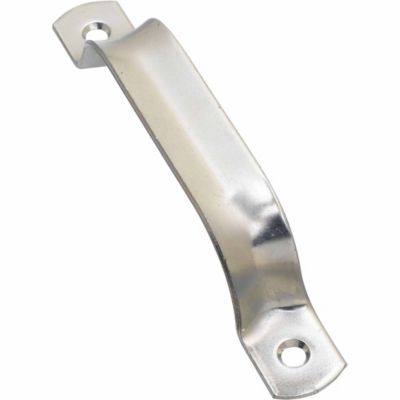
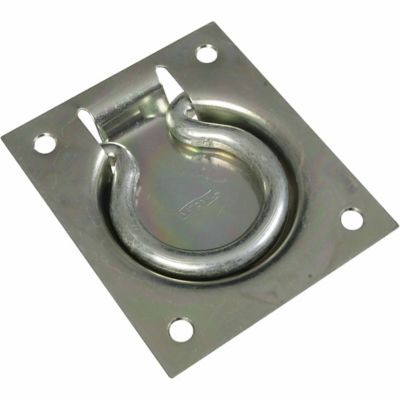
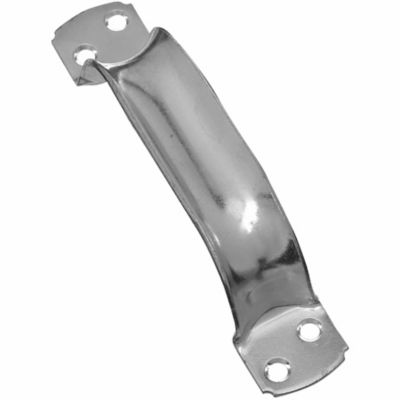
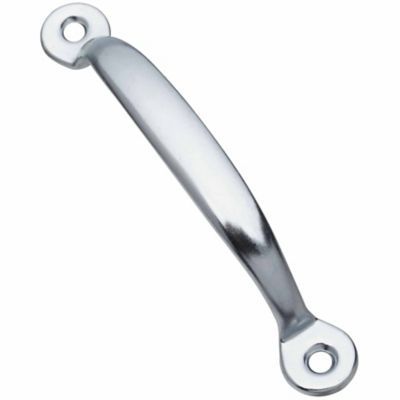
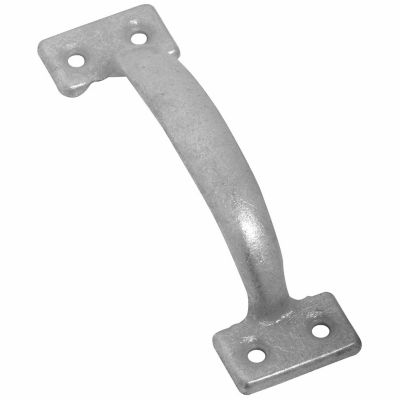
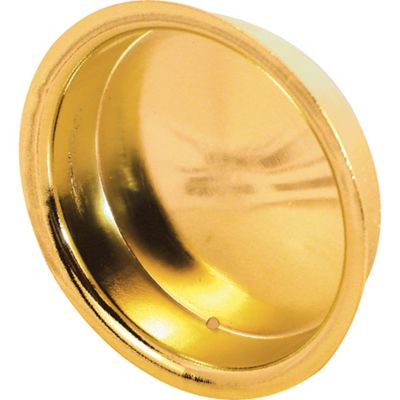
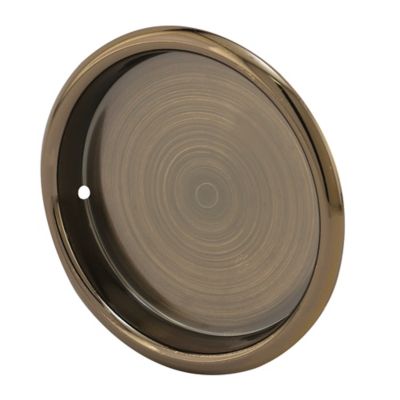
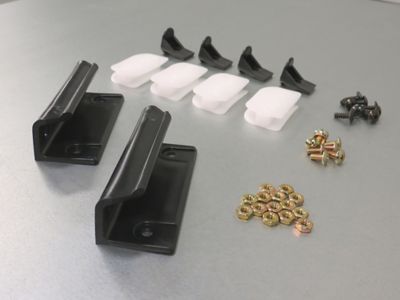
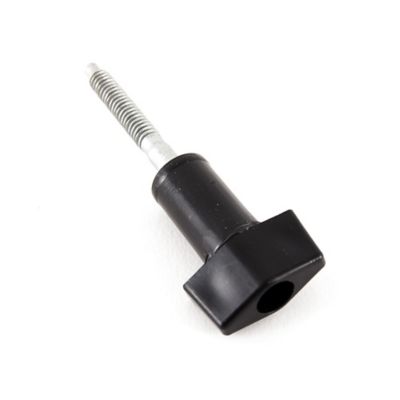
Pull handles are fixed grips that give hands a place to pull open a door, drawer, cabinet, or sliding panel without turning the handle itself. Most do not release a latch on their own, so a door with a catch or lock may need separate operating hardware. Around a home, barn, or workshop, the right pull makes everyday jobs feel a little smoother, whether that means opening a feed cabinet, reaching into a tool drawer, or sliding a storage door out of the way. Different shapes suit different jobs. Bar pulls have a straight, round or squared grip supported by mounting posts, while arched pulls provide a curved handhold. Cup pulls have a hooded shape with an opening underneath for fingertips, making them a familiar choice for drawers. Edge and tab pulls attach along an edge and keep the front surface less crowded. Flush pulls sit recessed into the surface, which helps sliding doors pass nearby trim or another panel without a projecting handle getting in the way. Larger appliance pulls serve a different purpose and need to match the appliance maker’s mounting and operating requirements. For everyday doors and drawers, grip space matters as much as appearance. A shallow pull that works well with bare fingertips may feel cramped with work gloves, while a rounded grip can be more comfortable when opening a frequently accessed storage compartment. Longer handles offer more places to grab, but length alone does not establish how much force the hardware can take. The handle, mounting hardware, and surface behind it all contribute to a solid connection. A wide drawer full of sockets calls for different consideration than a small cabinet holding shop towels. Smooth edges, adequate finger clearance, and a shape that keeps knuckles away from the door face help make either task more comfortable. In narrow aisles or busy work areas, projection also matters because a handle that sticks out farther has more opportunity to catch clothing or bump passing equipment.
With
Metal Handles, the base material matters just as much as the finish. Steel can provide strength for demanding applications, but its resistance to rust depends on its composition, coating, and surroundings. Painted, plated, and powder-coated surfaces provide different kinds of protection, and scratches or worn edges can expose the metal underneath. Stainless steel resists corrosion, though the grade and exposure still affect performance. Aluminum keeps weight down and resists many everyday forms of corrosion, while brass brings a different feel and may develop a darker patina when left uncoated. A clear finish can change how brass ages and how it needs to be cleaned. These distinctions matter around utility sinks, animal-care spaces, and work areas where damp hands or cleaning supplies regularly contact hardware. Material choice should also fit the amount of pulling, bumping, and repeated handling the application involves. A sturdy-looking handle is not automatically suitable for a heavy sliding door, and a surface finish does not establish a load rating. Manufacturer specifications are the better basis for matching hardware to demanding jobs. Where safety is involved, a general-purpose pull is not a substitute for a rated grab bar, lifting point, tie-down, or support handle. Appearance still has a place in the decision. Black, silver-toned, and brass-toned finishes can coordinate with hinges, catches, and nearby fixtures without every piece needing the same shape. Brushed or textured surfaces may make fingerprints less noticeable than a highly polished finish, although cleaning needs vary by material. In a working shop, smooth transitions and a grip that wipes clean can matter more than elaborate detailing. Hardware near livestock deserves particular attention to placement, with projecting ends and pinch points kept away from areas where animals can rub, lean, or move through a doorway.
Fit starts with more than the handle’s overall length. For replacement pull handles, center-to-center spacing is the distance between the centers of the mounting holes; it is not the distance from one end of the handle to the other. Two pulls with similar outside dimensions can have different hole spacing, leaving existing holes exposed or requiring changes to the mounting surface. Projection describes how far the handle extends from the face, while grip clearance describes the usable room beneath it. Both measurements affect comfort and nearby clearance. On a sliding door, the handle also needs room to travel past trim, adjacent panels, and any wall-mounted hardware. Recessed pulls have their own fit requirements because the door or drawer front must accommodate the pocket depth without weakening the surface. Mounting style makes another practical difference. Through-bolted pulls attach with fasteners that pass through the panel, often from the back, while surface-mounted pulls typically fasten from the front into a suitable supporting material. Screw length, thread type, panel thickness, and the manufacturer’s installation requirements all belong in that match. A screw that is too long can protrude into a drawer or through a door, while one with too little engagement may not hold securely. Thin sheet metal, hollow doors, and worn mounting holes may need an appropriate backing or reinforcement rather than simply a larger handle. Once installed, pull handles benefit from straightforward care. A soft cloth and a cleaner approved for the finish help remove hand oils, dust, and grime without unnecessary abrasion. Harsh chemicals and rough scrubbing can damage coatings, so care directions matter even on hardware meant for hard work. Moisture left around mounting points can also encourage corrosion on susceptible materials. Occasional checks for loose fasteners, movement, sharp damage, or worn finishes help catch trouble before a handle starts wobbling during a busy chore. Whether the setting is a farmhouse pantry, a tack room, or a workshop cabinet, a well-matched pull brings together a comfortable grip, suitable materials, and a mounting connection that fits the job.