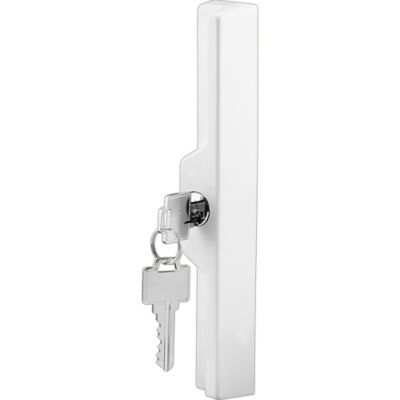
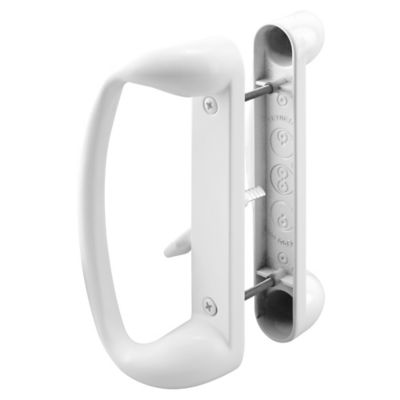
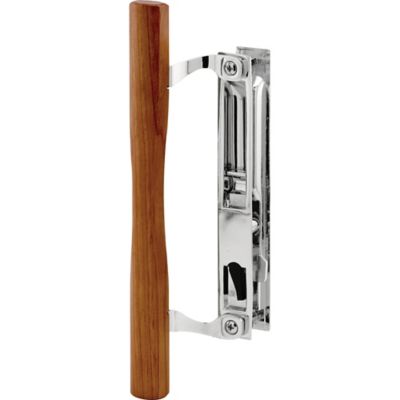
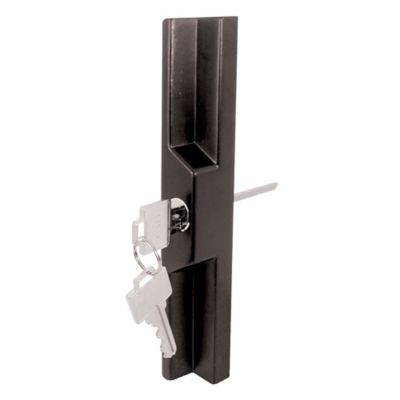
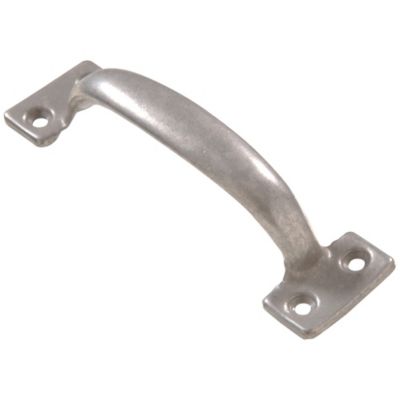
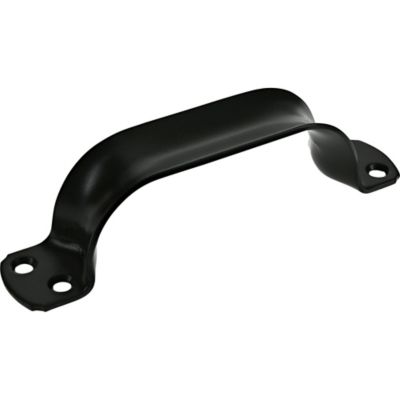
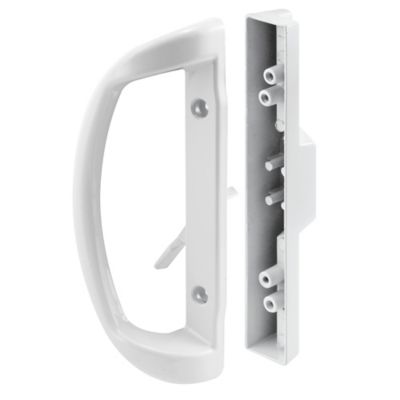
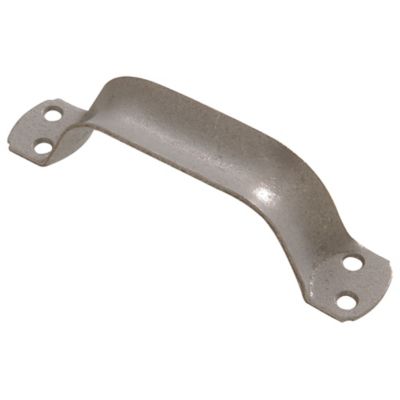
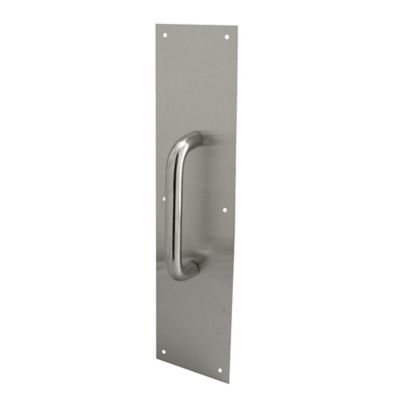
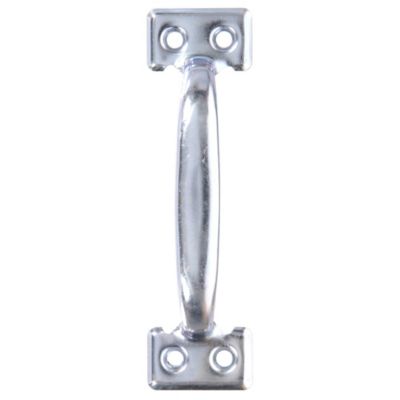
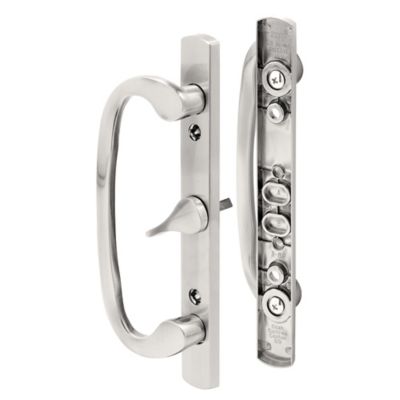
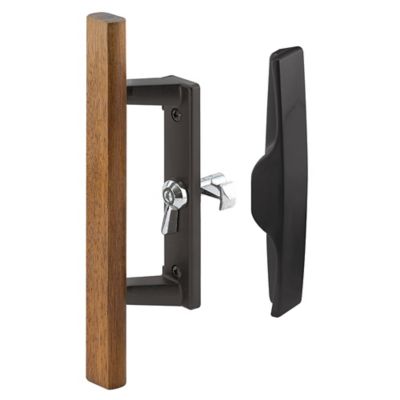
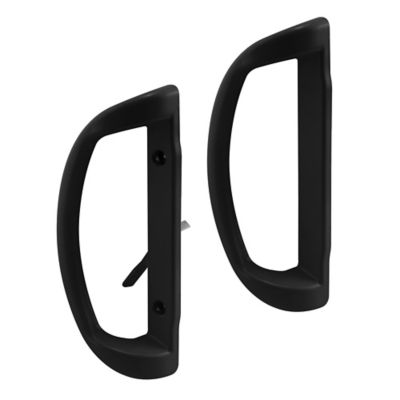
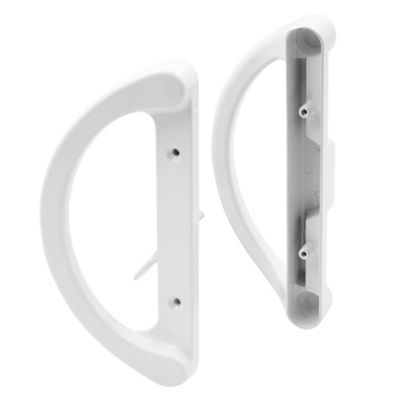
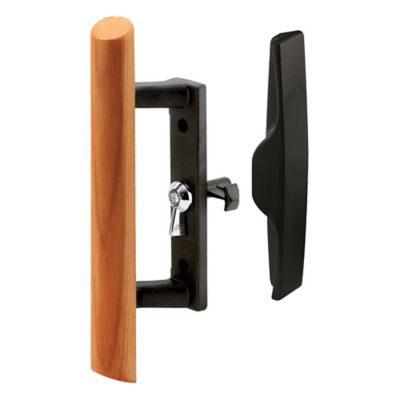
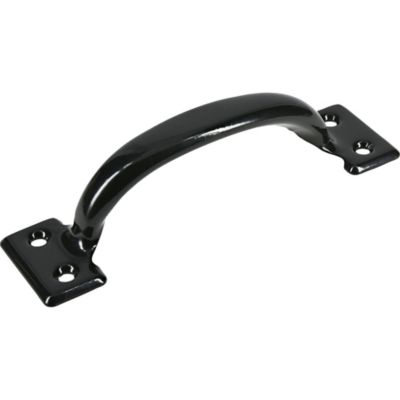
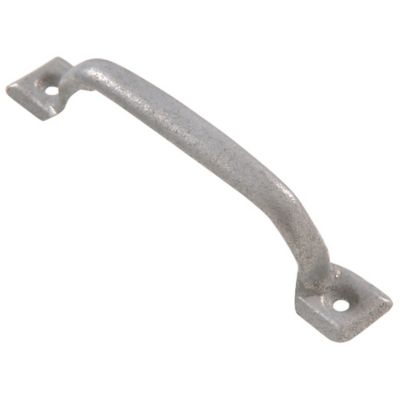
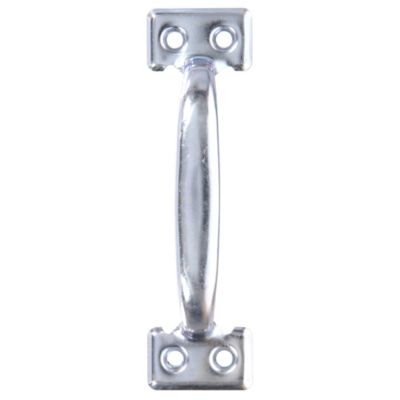
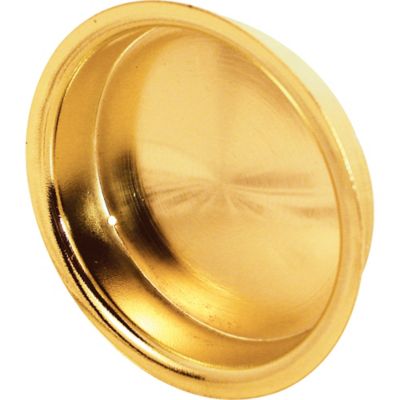
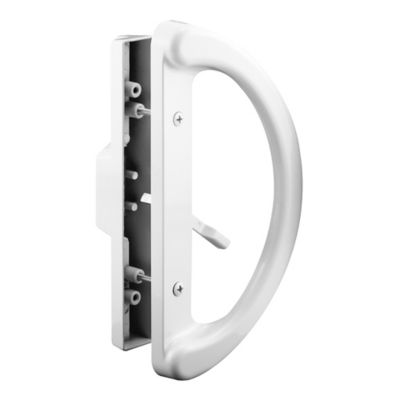
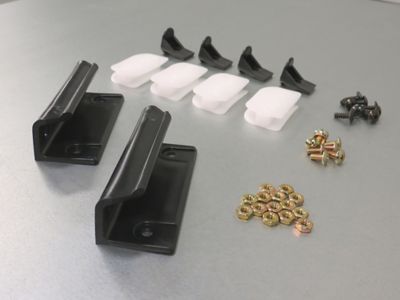
Door pull handles are fixed grips that help open and close swinging or sliding doors without turning a knob or lever. A pull does not retract a latch on its own, so a swinging door may need a separate catch, latch or lock, depending on how the opening needs to function. Roller catches and magnetic catches can help hold a door closed, but they do not take the place of a lock. On a sliding barn door, the pull gives your hand a solid place to grip while the panel travels along its track. That straightforward job makes door pulls a practical fit for barns, workshops, storage buildings and interior spaces where a fixed handle suits the door’s operation. The right shape depends on more than appearance. A straight bar offers a simple grip, a rounded handle gives the palm a smooth resting surface, and an offset design can put more space between your knuckles and the door edge. A recessed pull sits within the face of a panel, which can help where a projecting handle would interfere with another door or a wall. For a shop door opened with work gloves on, generous finger clearance can matter more than a slim profile. For an interior sliding door beside a narrow walkway, a lower-profile grip may make better sense. Handle length also affects how the hardware feels against the scale of the door: a small grip can look lost on a broad barn panel, while an oversized bar can crowd a narrow frame. A longer handle may offer more places to grab, but it does not increase the door’s load rating or fix stiff hinges and binding tracks. Door pull handles work best as part of a sound door assembly, with the hinges, rollers, stops and closing hardware doing their own jobs.
Materials and finishes influence how a door pull feels in the hand, how it holds up to regular handling and how much attention it needs over time. Steel can suit hardworking spaces, though its protection against corrosion depends on the metal treatment and finish. Stainless steel offers corrosion resistance, with performance varying by grade and exposure. Brass brings a warmer tone and can develop a patina, while aluminum offers a lighter-weight option whose strength still depends on its design and construction. Cast iron has a substantial feel, but exposed areas need attention if their protective coating wears away. Painted, plated and powder-coated surfaces each have their own care needs; the finish should match the setting rather than appearance alone. Damp utility areas, livestock buildings and places cleaned with strong chemicals can put different demands on hardware than a dry interior doorway. Comparing
Pull Handles by material, mounting style and grip space helps narrow those differences to what matters at the door. Fit starts with the mounting pattern, especially when replacing an existing handle. Center-to-center spacing describes the distance between mounting-hole centers, while overall length includes the handle beyond those points. Two pulls can have the same overall length and still require different holes. Projection, the distance the handle extends from the door face, affects both hand clearance and nearby obstructions. A handle may fit the panel yet strike the trim, catch on an adjacent surface or keep a sliding door from opening fully. Door thickness matters, too, particularly with through-bolts or paired handles mounted on opposite faces. Solid wood, hollow-core construction and metal panels call for different fastening arrangements. Thin sheet metal or a hollow section may need suitable reinforcement rather than screws biting into the face alone. A good match leaves room for the fasteners, keeps the mounting feet fully supported and avoids crowded edges. For replacement work, the size of the handle’s mounting base also affects whether old holes or marks remain visible.
Day-to-day use is where the smaller details earn their keep. Smooth edges and comfortable grip contours matter on a door that gets opened repeatedly between the house, shop and chore area. A little extra space behind the grip can make a difference when your hands are full or gloves add thickness, although a door handle should never serve as a lifting point or tie-down. On double doors, matching pulls can give both panels a consistent feel, but the active and inactive leaves may still need different latching hardware. Back-to-back mounting creates a grip on each side of one door; it does not automatically mean the supplied fasteners fit every panel thickness. Pocket doors and sliding panels need particular attention to the side that passes close to a wall, since a projecting pull can limit travel. In spaces where machinery, carts or feed tubs pass through, the handle’s position should leave a comfortable path without sharp corners sticking into traffic. Long service life also depends on keeping the rest of the opening in working order. A sagging door puts extra strain on a pull when someone has to lift or yank the panel to move it. Loose mounting points can enlarge holes, damage finishes and leave a once-solid grip feeling shaky. Periodic checks for movement, worn coatings and corrosion help catch those problems early. Routine cleaning generally calls for a soft cloth and a cleaner suited to the metal or finish, followed by drying; abrasive pads and harsh chemicals can damage some surfaces. Manufacturer care and mounting directions remain important, especially for coated metals, concealed fasteners and hardware exposed to cleaning products. Entry doors, public-access doors and fire-rated openings also have requirements beyond grip comfort, including approved latching, accessibility and safe exit operation. A pull alone does not establish compliance. With the door’s construction and purpose in mind, well-matched pull handles bring a comfortable grip and a finished look to everyday openings.