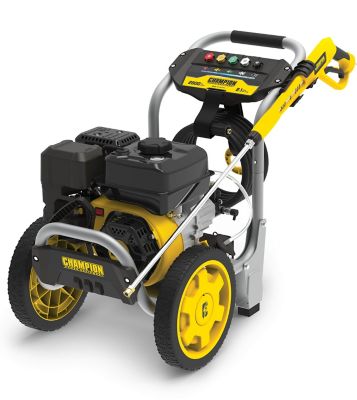
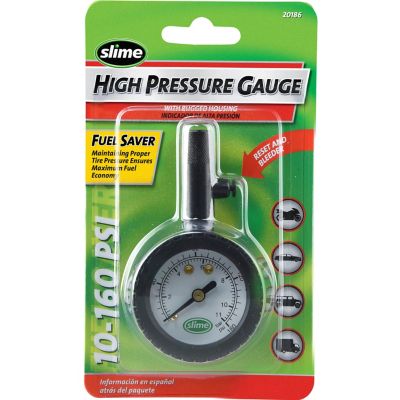
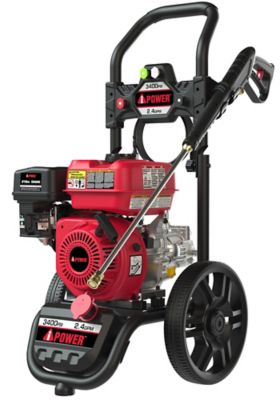
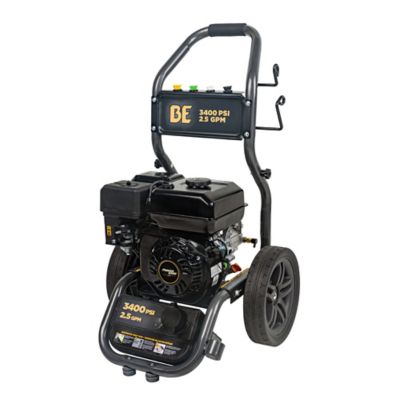
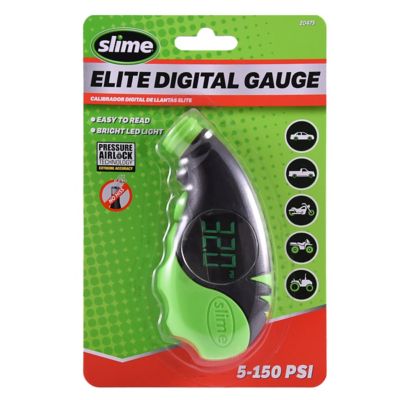
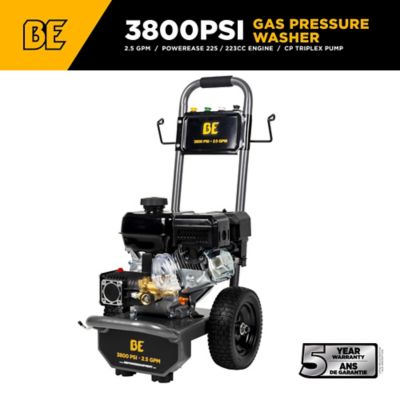
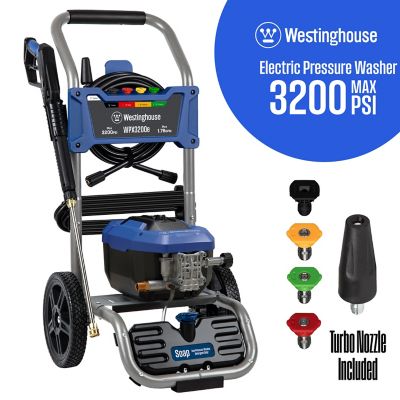
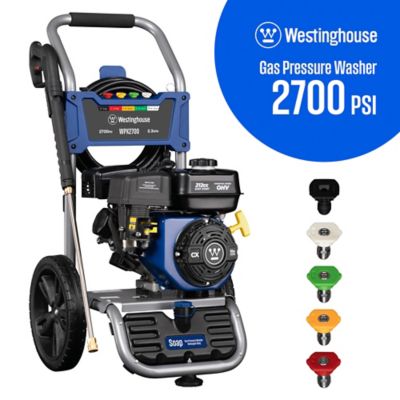
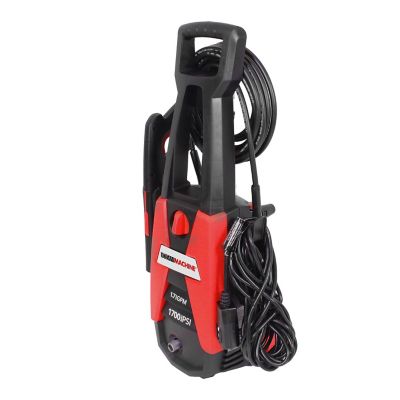
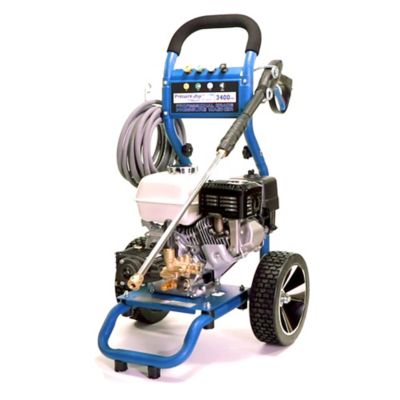
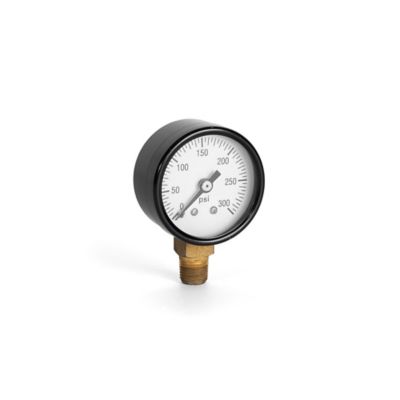
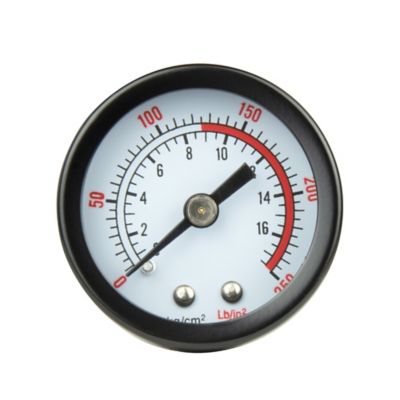
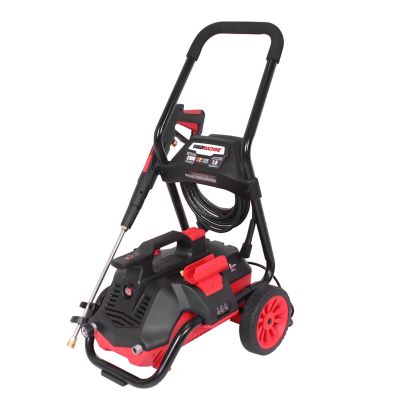
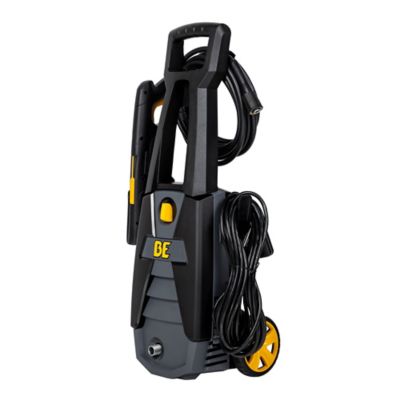
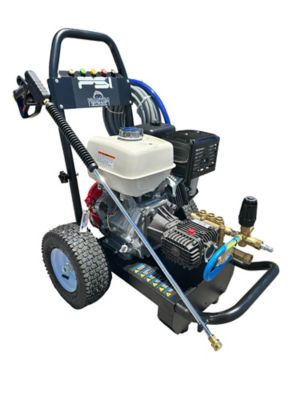
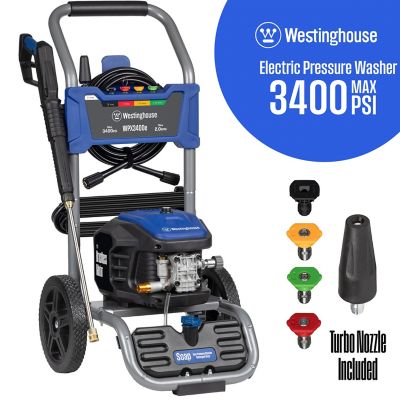
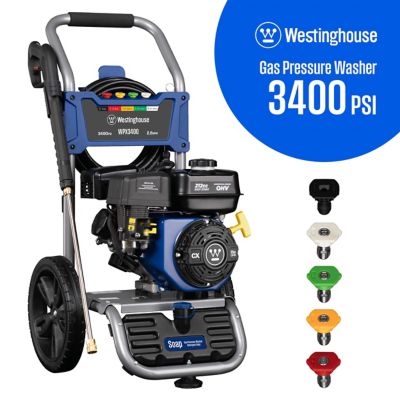
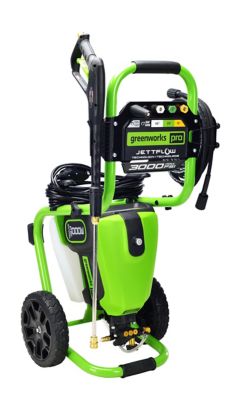
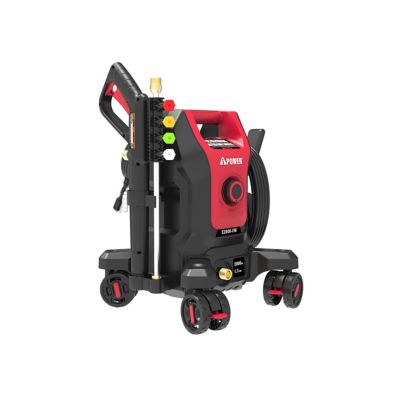
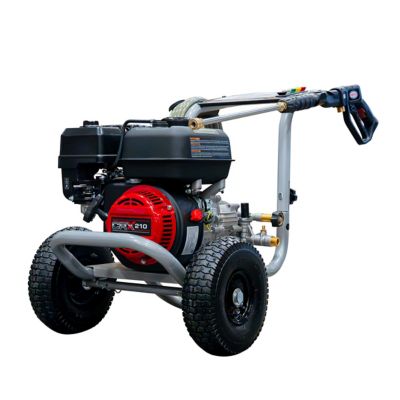
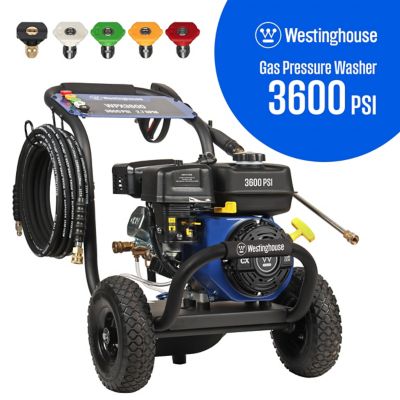
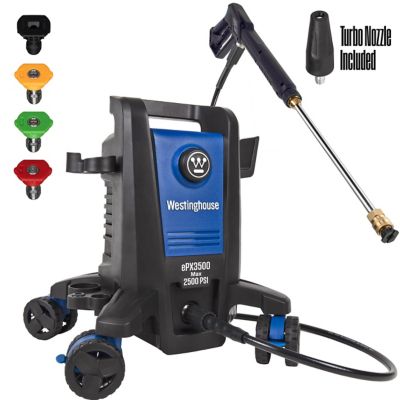
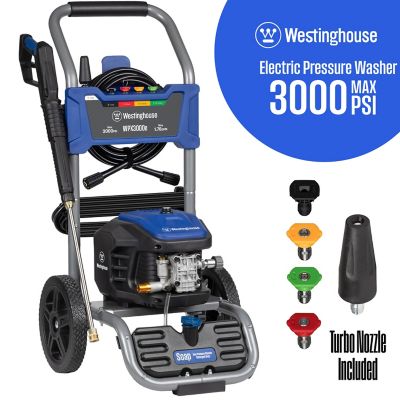
PSI equipment includes pressure washers, pumps, and related components that move water or air under a rated amount of pressure. PSI stands for pounds per square inch, a measurement of force applied over an area. For cleaning around a farm, shop, or acreage, that rating helps describe how forcefully water leaves a pressure washer, but it tells only part of the story. Water flow, measured in gallons per minute, also matters: pressure helps loosen stuck-on material, while flow carries loosened dirt away. A machine with a higher PSI rating is not automatically the better fit for every chore. Mud packed into a tractor’s tire treads calls for a different approach than dust on a painted gate or light grime on a utility trailer. The surface, the mess, and the manufacturer’s operating limits all help determine the right match. Pressure equipment can serve property owners keeping up with regular chores, livestock operations maintaining suitable wash areas, and contractors cleaning tools and equipment between jobs. Electric-powered machines may suit work close to an appropriate electrical supply, while gas-powered equipment can offer more freedom of movement where an outlet is out of reach. Gas engines belong outdoors, away from doors, windows, and other openings where exhaust could enter a building. Neither power source eliminates the need for a suitable water supply or enough room to work safely. Portable frames, balanced handles, and wheels sized for the ground can make a difference when moving from a concrete shop apron to a gravel equipment yard. For work that stays in one place, the layout of the wash area and access to connections may matter more than portability. The most useful setup is one whose pressure, flow, power requirements, and handling features fit the jobs it will tackle, rather than one chosen by the largest number on its label.
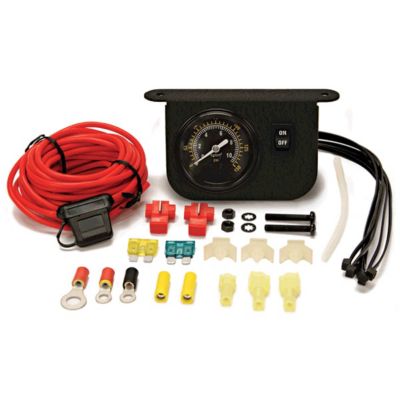
Matching the pieces of a pressure system takes more than finding fittings that appear to screw together. Pumps, hoses, spray guns, valves, and connectors each have operating limits, and every component needs to be suitable for the system’s pressure, flow, fluid, and connection requirements. A hose’s burst rating is not its working-pressure rating; the working-pressure specification is the figure that matters when checking suitability for routine operation. Thread type, fitting size, seal material, and coupling design also affect whether a connection belongs in a particular setup. Similar-looking threads do not always make a proper match, and an adapter does not raise the pressure rating of the parts it joins. For equipment built around water delivery,
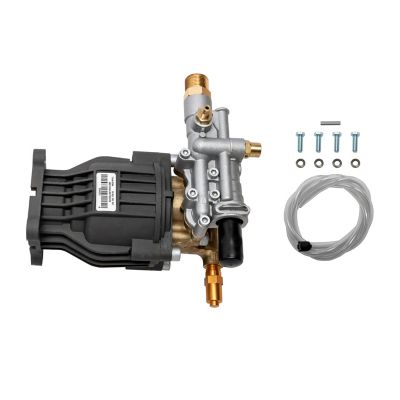
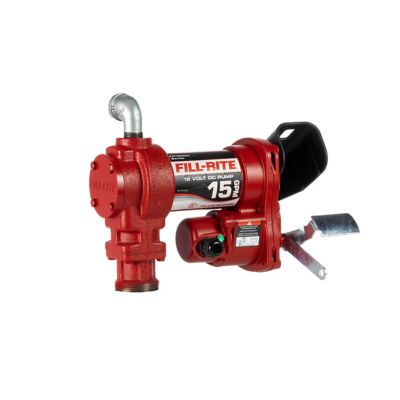
Pressure Pumps are another part of the system to consider, with selection depending on the application, required flow, inlet conditions, and discharge pressure. A pump intended to supply water to a building is not necessarily suitable as a pressure washer replacement. Replacement components should match the equipment maker’s specifications, including drive arrangement and mounting dimensions where applicable. Materials deserve a close look, too. Metal frames support the machine through transport and everyday handling, while coatings help protect exposed surfaces from corrosion. Reinforced hose construction, abrasion-resistant outer covers, and strain relief at connection points can help equipment stand up to repeated movement across a work area. Brass, stainless steel, plastics, and seal compounds each have different strengths and fluid-compatibility limits, so material names alone do not establish suitability. Fit also includes the person doing the work. A comfortable grip, manageable hose weight, and controls within easy reach can make a long cleanup less awkward. Hose length should allow practical reach without unnecessary tangles or pressure loss beyond the system’s limits. Storage brackets and hose guides help keep loose lines away from wheels and walking paths, while accessible service points make routine checks easier to handle.
In everyday cleaning, the way pressure reaches a surface matters as much as the machine’s rating. Nozzle orifice size must match the equipment specifications, while spray angle and working distance affect how force is spread across the surface. A narrow stream concentrates force and can damage paint, wood fibers, seals, or softer materials. A broader pattern spreads the spray, but it still requires care. On a trailer with caked-on mud, for example, the goal is to loosen and rinse away buildup without forcing water into bearings, wiring connections, or other sensitive areas. Equipment manuals and surface-care directions take priority, and a small test in an inconspicuous spot can help reveal an overly aggressive setup before a larger area is affected. Cleaning solutions must be compatible with both the equipment and the surface, with application limited to the method specified by the manufacturer. Care between jobs helps protect service life. Hoses need inspection for cuts, bulges, exposed reinforcement, and damaged fittings; a leaking high-pressure line calls for shutdown and proper replacement, not a makeshift patch. Pressure should be relieved according to the manual before disconnecting fittings or handling service work. High-pressure leaks should never be checked by hand, since a fine jet can penetrate skin and cause a serious injury. Eye protection, suitable footwear, and a clear work area matter whether the job takes ten minutes or most of an afternoon. Spray should stay away from people, animals, electrical equipment, and energized connections. Routine care also includes maintaining inlet screens, keeping the specified water supply flowing during operation, and following the pump’s lubrication and service requirements. Running a pump without adequate water can cause damage, and extended bypass operation may exceed the maker’s limits. After cleanup, an orderly hose coil and protected storage keep connections from dragging through grit. Across all these chores, well-matched PSI equipment supports a straightforward goal: getting the mess off while protecting the surface, the machine, and the person holding the spray gun.