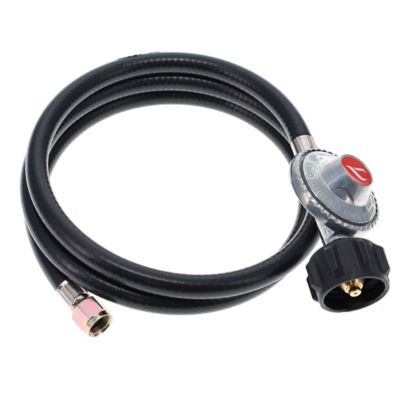
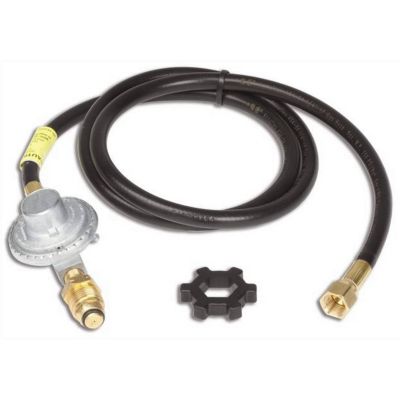
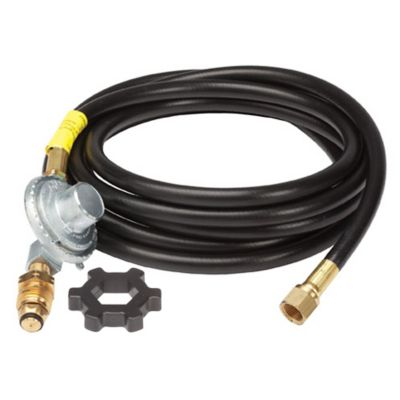
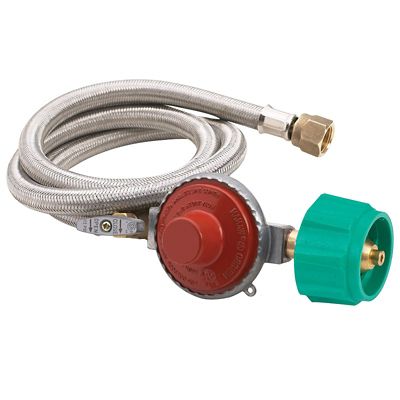
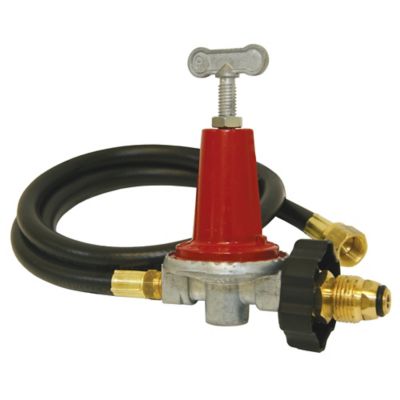
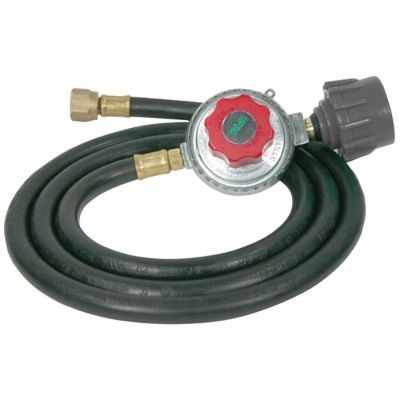
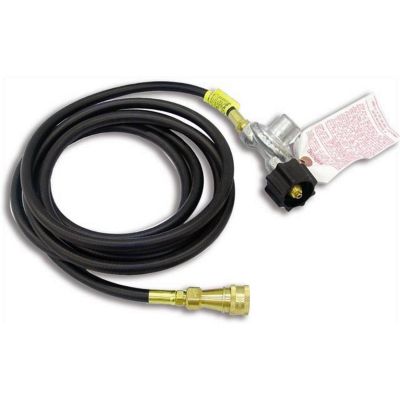
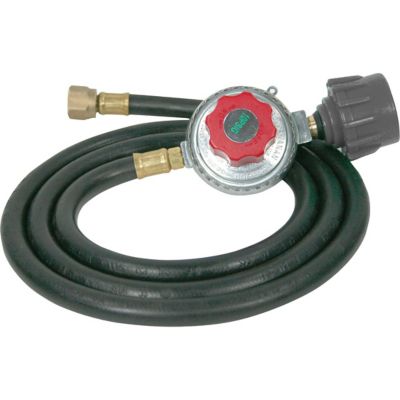
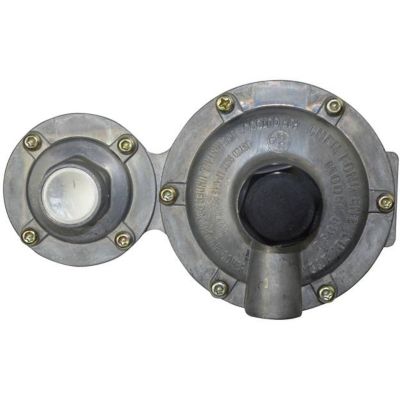
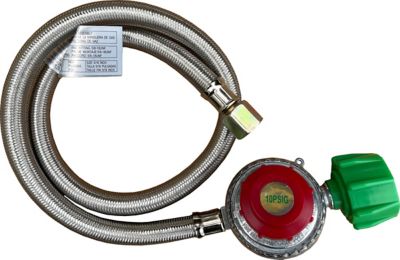
Low pressure propane regulators bring propane from a cylinder or supply system down to the delivery pressure an appliance needs. That pressure reduction matters whether the setup serves a backyard grill, an approved outdoor fire pit, or a propane appliance in a camper. Many low-pressure propane appliances call for an outlet pressure of 11 inches of water column, often written as 11 in. W.C., which equals about 0.4 psi. That is a common specification, not a rule for every appliance; the equipment label and manufacturer’s instructions determine the required pressure. A regulator rated for 1 psi is not a direct substitute for one specified at 11 inches of water column. Along with outlet pressure, flow capacity helps determine the right match. Capacity commonly appears in BTU per hour and needs to support the appliance’s input requirement, or the combined demand of equipment on a properly designed shared system. A regulator with too little capacity can restrict fuel delivery when burners are running, while an incorrect pressure rating can create unsafe operating conditions. For folks cooking supper outside or setting up camp after a day on the road, the goal is a propane connection that matches the equipment without guesswork. Low-pressure and high-pressure equipment belong to different setups: a low-pressure regulator is not a substitute for the regulator specified for a high-pressure cooker, torch, or other high-output appliance. The number of burners or the size of the flame does not establish the required regulator type. Neither does the fact that two fittings happen to screw together. Propane and natural gas components also are not automatically interchangeable. These distinctions make the appliance’s fuel type, inlet pressure, and fuel demand the starting points for comparing low pressure propane regulators. A properly matched regulator supports steady delivery within its rated operating range, but it cannot correct a damaged hose, an obstructed burner, or an appliance problem farther down the line.
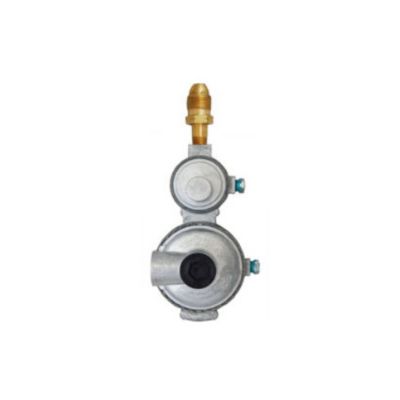
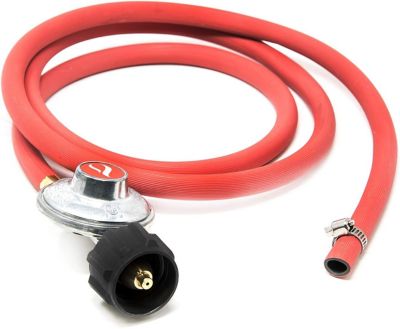
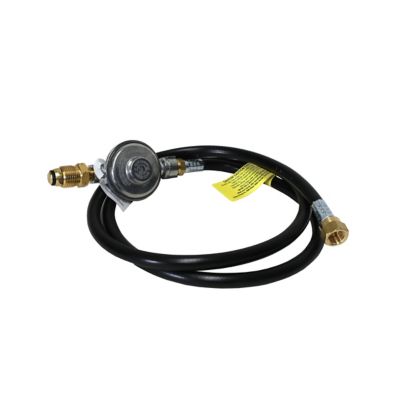
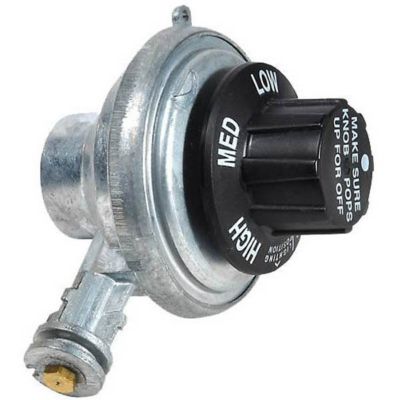
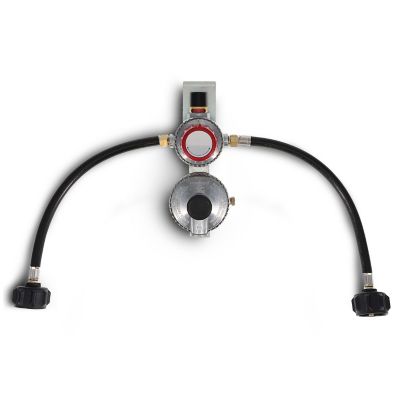
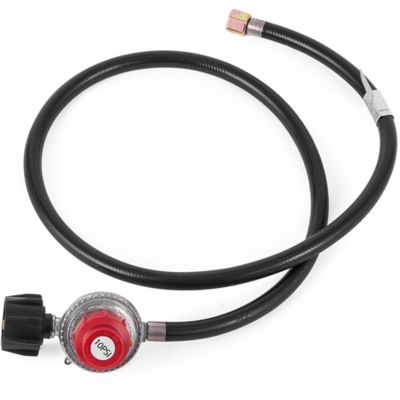
The physical fit deserves just as much attention as the pressure rating. Regulator connections can include cylinder fittings, threaded pipe connections, flare fittings, or approved quick-connect arrangements, and each connection must match the intended system. Thread size, thread style, sealing method, and connection direction all matter. A connection that seals at a flare surface is different from one that seals at pipe threads, so sealants and assembly methods must follow the component instructions rather than a one-method-fits-all approach. Some regulator assemblies include a hose, while others connect to separately specified piping or hose components. Hose length affects how comfortably a cylinder and appliance can sit in their approved positions. Too little reach can put strain on connections; extra length can leave loops near walking paths, sharp edges, or hot surfaces. On a grill beside the picnic table, a sensible hose route keeps the fuel connection clear of the lid, wheels, and places where boots or chair legs might catch it. Propane-rated hose materials and fittings matter more than a hose’s appearance, and compressed-air or water hose is not a substitute. Regulator bodies often feature cast aluminum or zinc, with brass fittings common at connection points. These materials offer practical combinations of strength and corrosion resistance, though finishes and construction vary. Protection from impact, abrasion, and excessive heat helps support their service life. Regulator design is another consideration. A single-stage regulator reduces pressure in one step, while a two-stage arrangement reduces it in two steps and can provide more consistent outlet pressure as supply pressure changes. Two-stage systems may combine both stages in one assembly or place them in separate components. RV installations require equipment approved for that application and a configuration that follows the RV manufacturer’s specifications and applicable requirements. Some dual-cylinder arrangements also incorporate an automatic changeover function, but that feature is separate from pressure regulation and does not mean every two-stage regulator handles two cylinders. Vent position, mounting orientation, and protection from debris are part of the fit as well, not finishing details to overlook.
Long-term performance depends on the whole connection staying in sound condition. A regulator may have a sturdy metal body, but its internal diaphragm, vent, hose, and fittings still need attention according to the manufacturer’s maintenance and replacement guidance. Cracked hose coverings, worn connection surfaces, missing seals, corrosion, or damage from a cylinder tipping over are reasons to have the affected components evaluated before operation. A hose that spent years stretched across a rough trailer edge deserves a closer look than its outer appearance alone might suggest. The regulator vent needs to remain unobstructed, with the assembly mounted in its specified orientation; paint, dirt, insect nests, and improvised covers can interfere with its operation. Propane cylinders for vapor service belong upright and outdoors in approved locations, and appliances must remain within their stated installation and ventilation requirements. Outdoor cooking equipment does not become suitable for a house, garage, or enclosed trailer simply because its regulator supplies low pressure. After a connection change, leak testing with a manufacturer-approved leak-detection solution helps identify escaping gas; an open flame is never an acceptable test. A propane odor or suspected leak calls for stopping use, moving away from the area, and contacting the propane supplier or emergency services from a safe location. Permanent piping work, RV system changes, and regulator adjustments belong with a qualified propane service professional. For everyday shopping, the most useful details to have handy are the appliance model information, required outlet pressure, BTU input, connection specifications, and intended installation. Those details help narrow the choice for a family grill, a camper’s cooking setup, or another approved propane appliance without relying on looks alone. Equipment elsewhere around the barn or workshop may involve a different pressure system altogether:
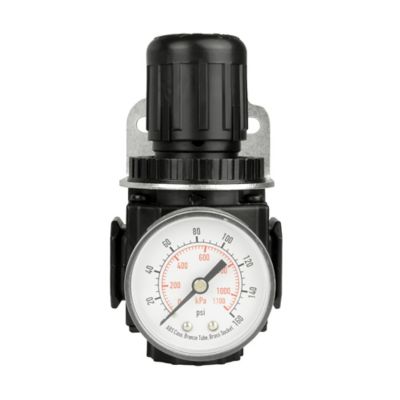
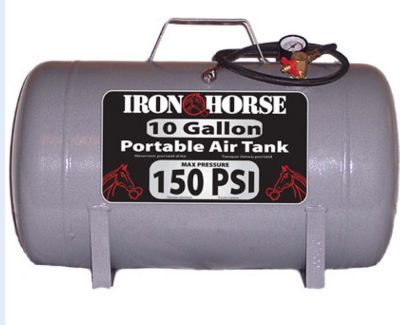
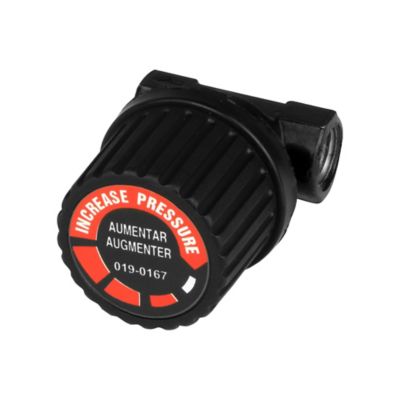
Air Pressure Regulators control compressed air for pneumatic equipment, not propane, and the two categories are not interchangeable. Keeping those applications separate, matching the stated specifications, and caring for the complete fuel connection help keep low pressure propane regulators suited to the job at hand.