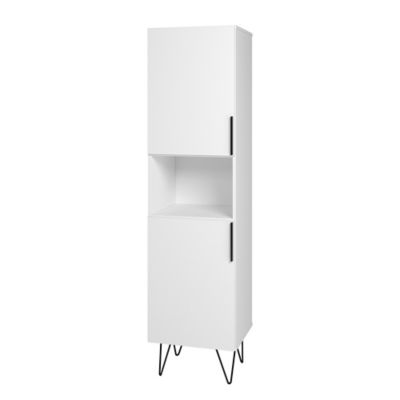
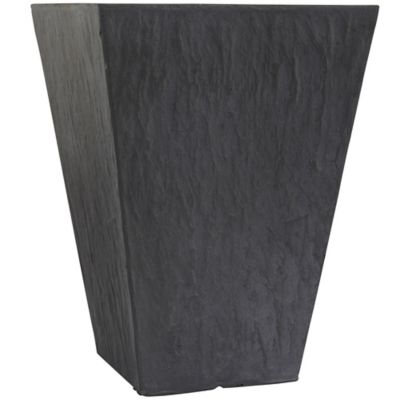
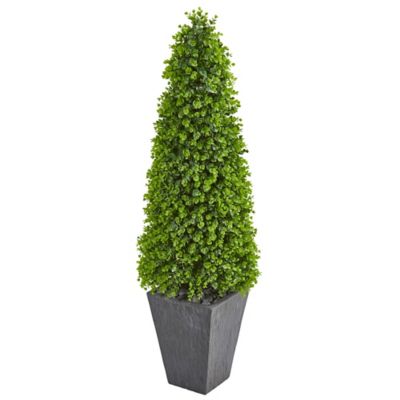
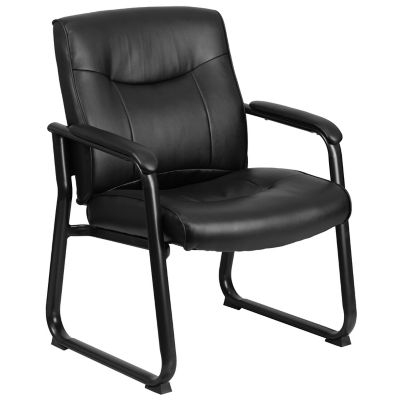
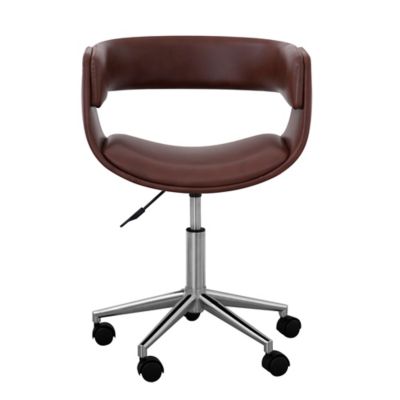
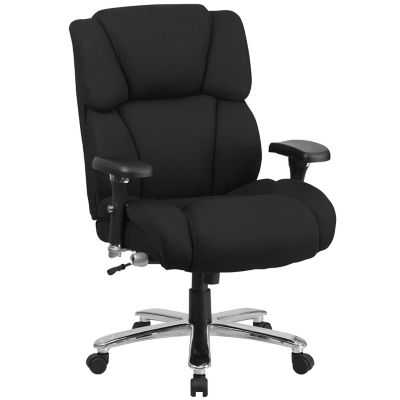
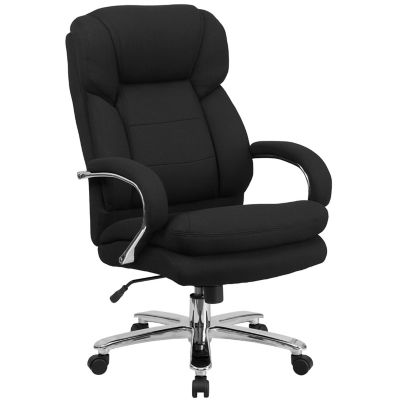
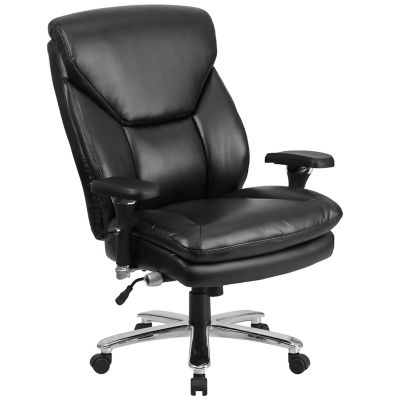
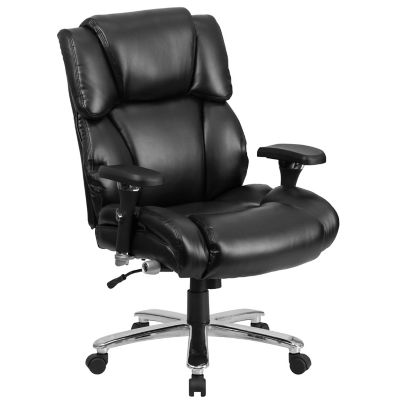
Professional office furnishings and accents bring together a clean layout, comfortable surroundings, and a polished appearance that helps people settle into the work at hand. The right balance feels welcoming without pulling attention away from a conversation, a screen, or a stack of paperwork. That matters in a home workspace just as much as it does in a farm office, a small business, or a reception area where clients stop in throughout the day. A professional setting does not have to feel stiff. Wood tones, simple shapes, and a few thoughtfully placed accents can give a room some character while keeping its purpose clear. Matching every finish is not necessary, either. A shared color, similar hardware, or consistent lines can tie different pieces together without making the room feel overly coordinated. Neutral colors provide a calm background for business signs, framed artwork, and everyday work materials, while a restrained accent color can connect the room to the business itself. Visual balance also depends on scale. A broad wall can handle a larger focal point, while a narrow corner often feels better with something smaller that leaves breathing room around it. In offices that serve several purposes, furnishings help distinguish the working area from a spot for visitors or a place to review plans. That separation can be especially helpful when bookkeeping, scheduling, and face-to-face conversations happen in the same room. Clear surfaces and well-placed storage keep the space from feeling crowded, but a professional office need not look empty. A family photograph, a landscape image, or an object connected to the business can make the room feel grounded and personal. The result is a workspace that reflects the people behind the operation while leaving enough room, both visually and physically, for daily business.
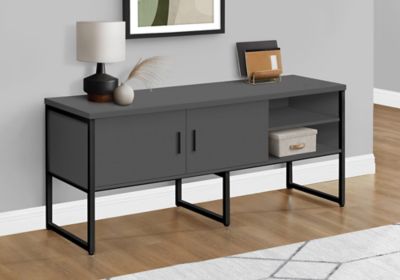
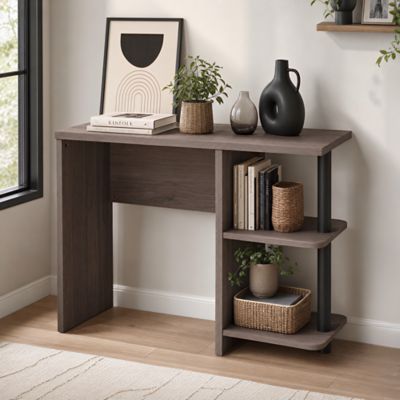
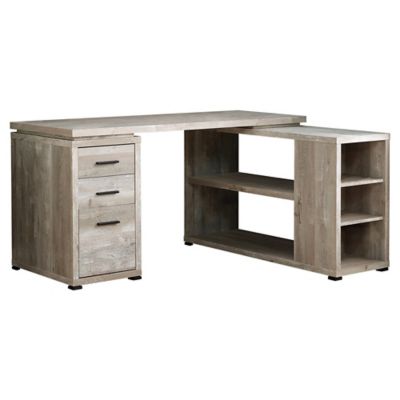
Materials and construction play a big part in how office furnishings look, feel, and hold up through repeated contact. Solid wood brings natural grain and variation, with care needs that depend on the finish. Wood veneer offers a real wood surface over a supporting core, while laminate surfaces can provide a more uniform appearance and straightforward cleanup. Painted and powder-coated metal can give the room a crisp outline, especially alongside warmer wood tones. Glass brings a lighter visual presence, though fingerprints and reflections may be more noticeable in a busy workspace. Edges, joints, support points, and surface finishes deserve as much attention as appearance because those details affect how a piece handles everyday work. A table that serves as a place to spread out drawings has different demands than an accent surface beside a visitor’s chair. Dimensions matter beyond whether a piece fits against the wall. Chairs need room to pull back, doors and drawers need clearance, and walkways need to stay open when someone sits down or carries in a box of records. In shared offices, enough space between working areas can make movement feel less awkward and conversations less cramped. For layouts that need an additional work surface or a place to sit down together,
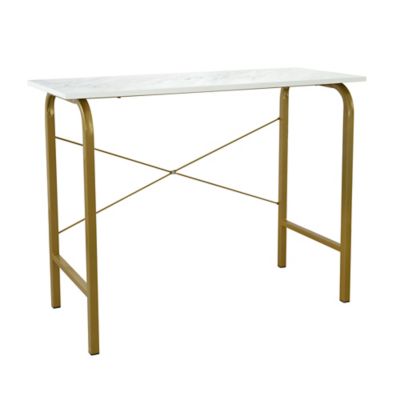
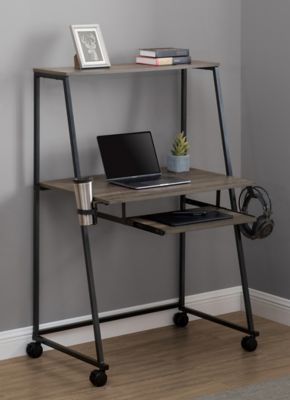
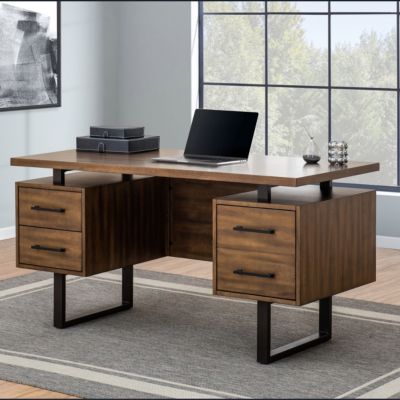
Modern Office Tables can help establish a clean, straightforward look. Surface height, leg placement, and open space underneath all influence comfort, especially when people sit for longer stretches. Power cords and charging cables also affect placement; a neat arrangement keeps connections within reach without stretching cords across a walking path. Storage works best when it matches the work happening nearby, with frequently handled papers close at hand and less-needed materials out of the main working area. Floor contact deserves attention, too. Furniture feet, suitable floor protection, and a stable position help prevent rocking, scuffs, and distracting noise. These practical details let the room’s appearance support the work instead of getting in its way.
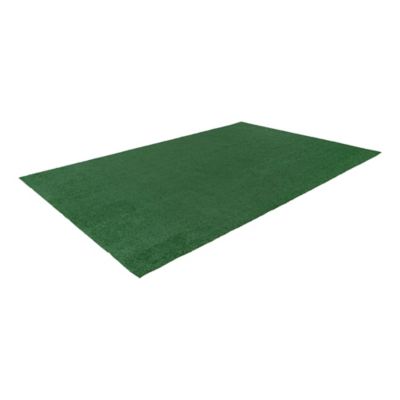
Lighting, texture, and easy care round out an office that feels comfortable from the first appointment to the last task of the day. General room lighting helps people move around safely, while more directed light can make reading and detailed paperwork easier. The relationship between light sources and screens matters as much as brightness; glare on a monitor or a glossy surface can make an otherwise pleasant setup tiring. Matte finishes and thoughtful placement can help keep reflections in check. Soft surfaces bring another kind of comfort. Upholstery, fabric accents, and floor coverings can take some of the sharpness out of a room filled with hard surfaces, although care requirements vary by fiber and construction. In a workplace where boots, bags, and frequent visitors are part of the routine, washable materials or surfaces that wipe clean may suit daily life better than finishes that need delicate handling. Rugs need an appropriate backing or support for the flooring beneath them, along with edges that stay flat and clearance for doors and rolling chairs. Open shelving and textured accents also collect dust, so their shape and placement affect how much attention they need. Manufacturer care directions are the best starting point for cleaning wood, metal, glass, and fabric; the same cleaner is not suitable for every finish. Keeping moisture away from seams and removing spills promptly can help preserve a tidy appearance. Office accents can also make thoughtful gifts for someone opening a business, moving into a new workspace, or taking on a new role. Restrained colors and manageable proportions tend to fit more settings, especially when the recipient’s room layout is not familiar. Whether the space welcomes clients or simply provides a quiet place to get the books done, professional office furnishings work best when comfort, upkeep, and appearance pull in the same direction. A room with clear paths, sensible storage, balanced lighting, and a little personality feels ready for a full day’s work without looking overdone.