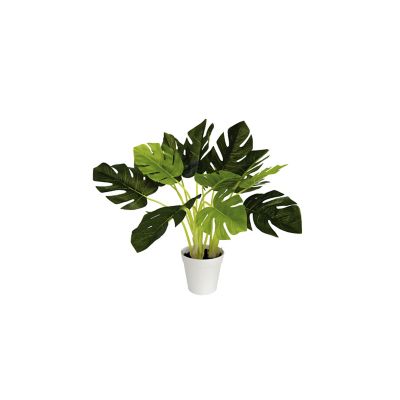
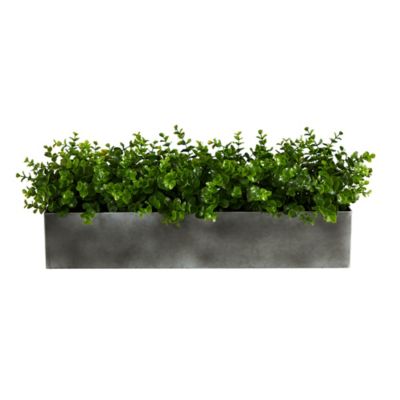
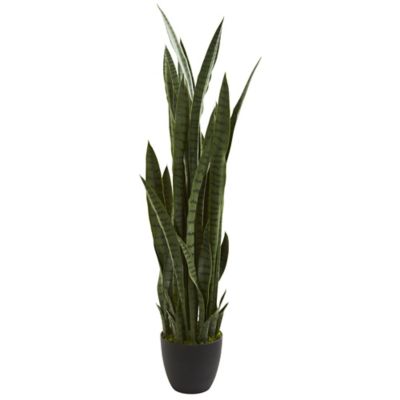
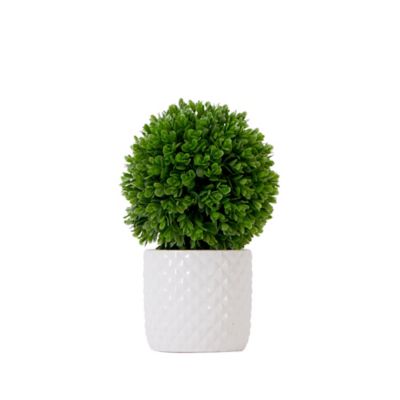
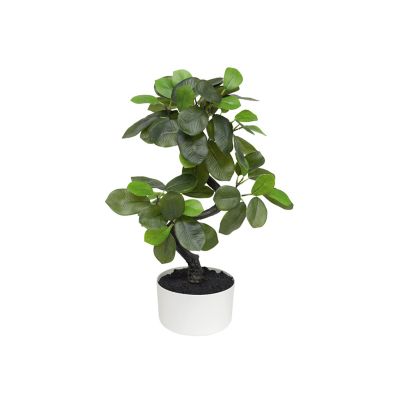
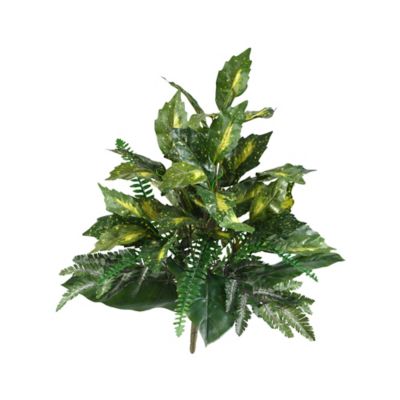
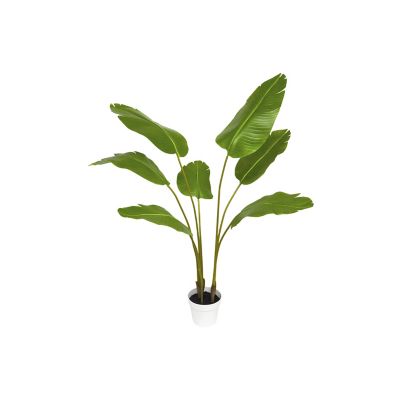
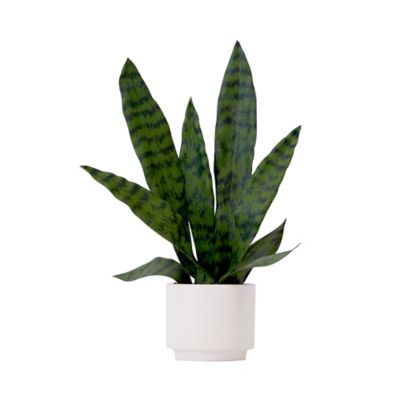
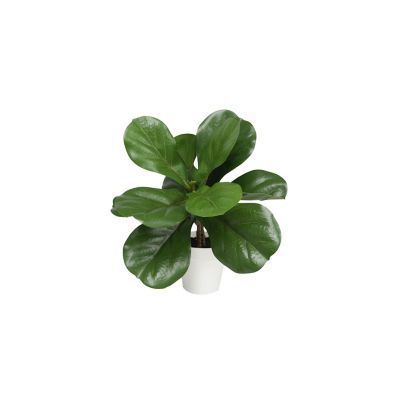
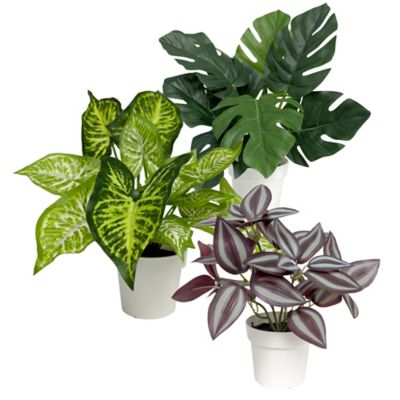
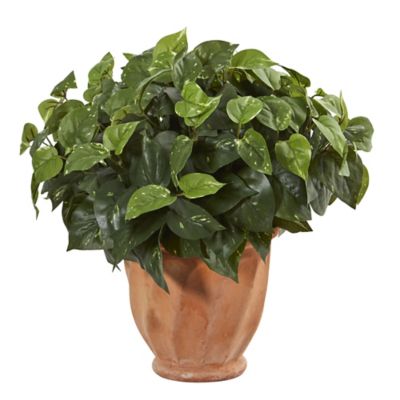
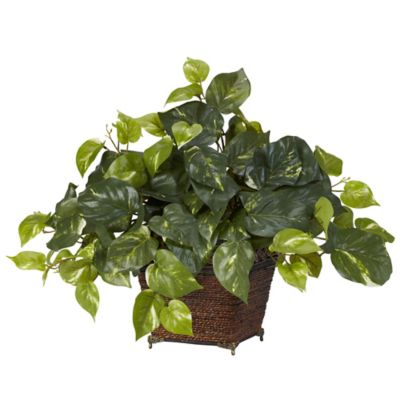
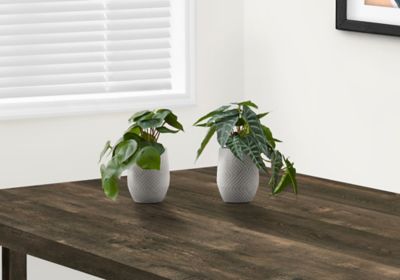
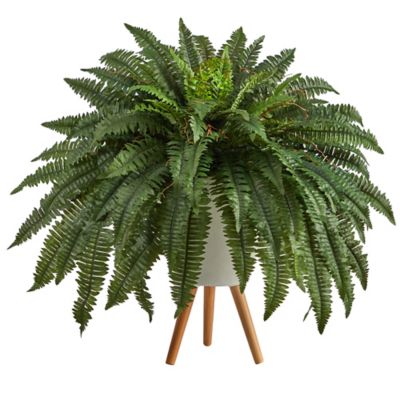
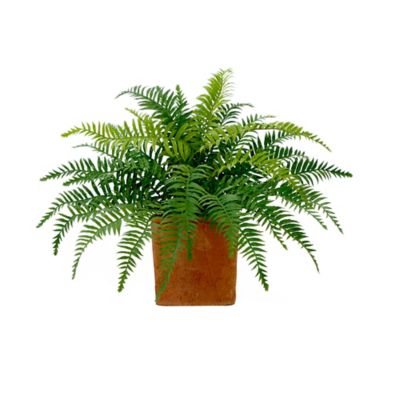
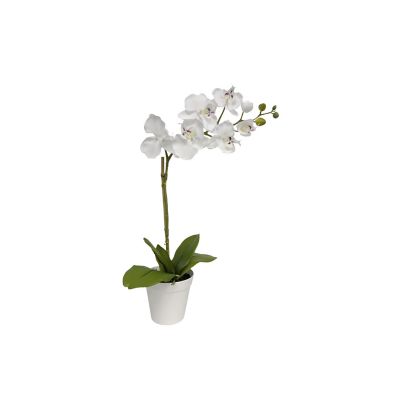
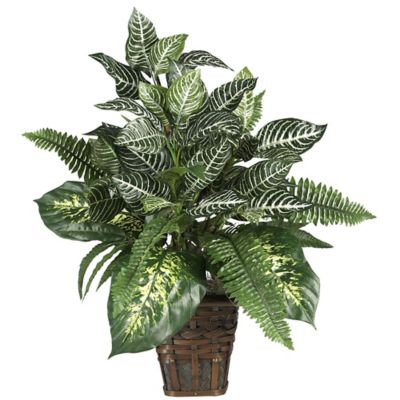
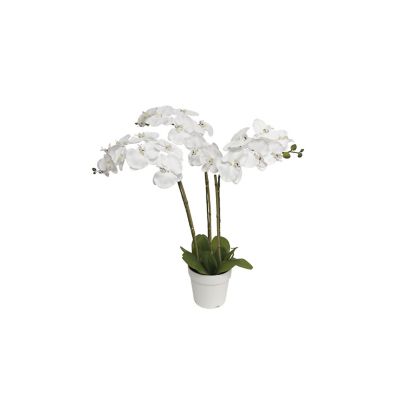
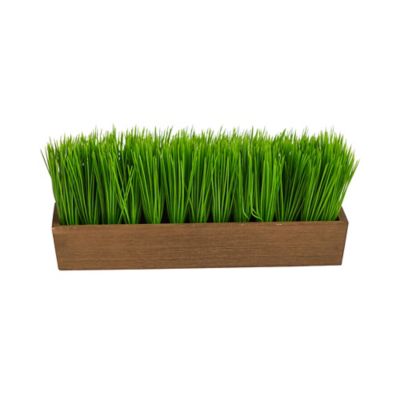
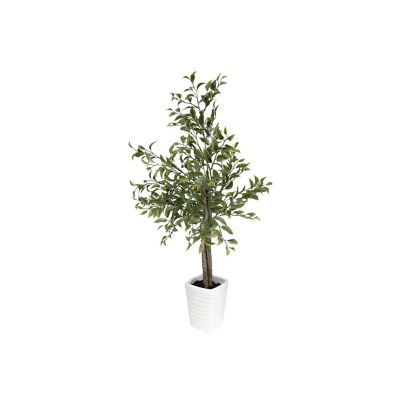
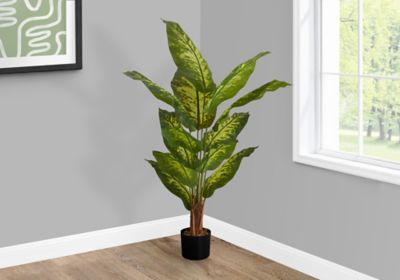
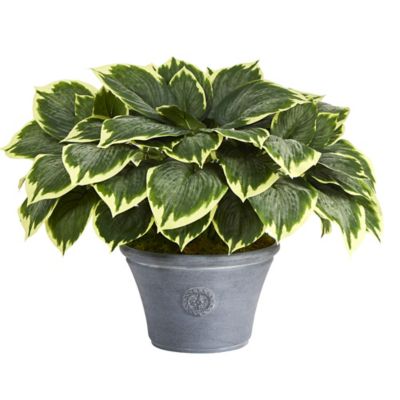
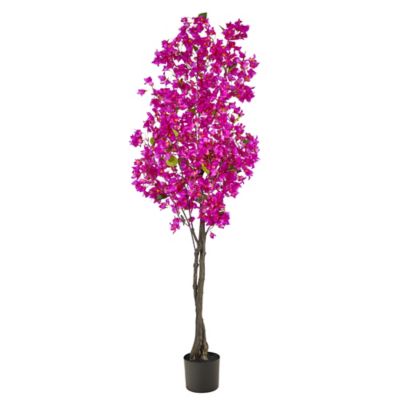
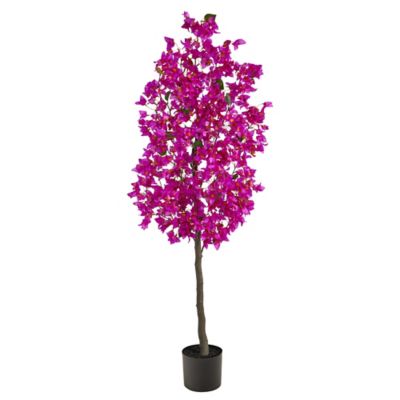
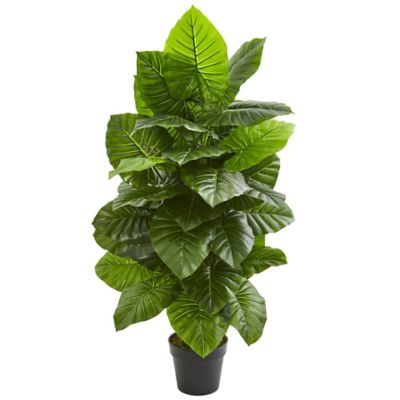
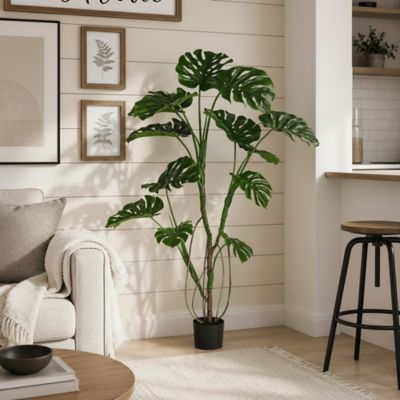
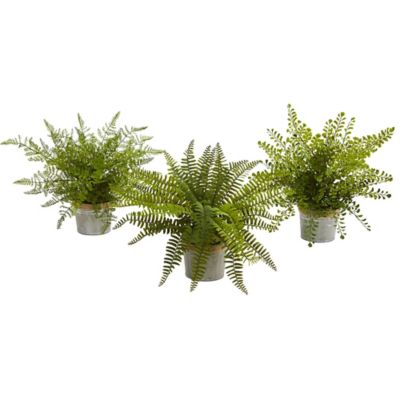
Fake plants for an office bring a little green into the workday without adding watering rounds to an already full schedule. Whether the workspace is a spare bedroom, a farm office beside the shop, or a front desk where neighbors stop in to settle an account, artificial greenery can help it feel more welcoming. There’s something pleasant about a bit of foliage beside a stack of invoices or across from a row of filing cabinets. It softens the look of all those straight edges without taking attention away from the job at hand. Unlike living plants, artificial office plants don’t depend on a sunny window, regular feeding, or someone remembering to check the soil before heading home. That makes them a practical fit for interior rooms, shared offices, and buildings that sit empty over a long weekend. During the cooler months, when doors stay shut and the view outside turns bare, greenery can still give a room a sense of life. The right look depends on the setting. An office with wood furniture and work boots by the door may suit loose, natural-looking foliage, while a reception area with simple furnishings may call for a more restrained shape. Leaf color matters, too: a mix of green tones can create a more convincing appearance than one flat shade, especially where overhead lighting catches the leaves. When comparing fake plants for office spaces, look at photos from several angles and pay attention to how stems branch, how leaves sit, and whether the overall outline feels balanced. Perfect symmetry isn’t always the most natural-looking choice. A little variation in leaf direction and spacing can make artificial foliage look more at home among everyday furnishings. These plants won’t grow or offer the same experience as tending living greenery, but they can provide a steady visual touch in a room where plant care simply isn’t part of the routine.
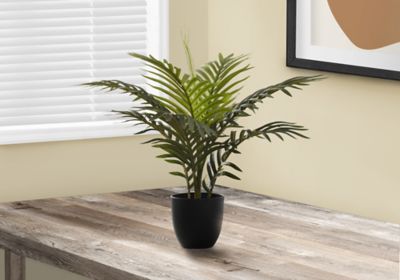
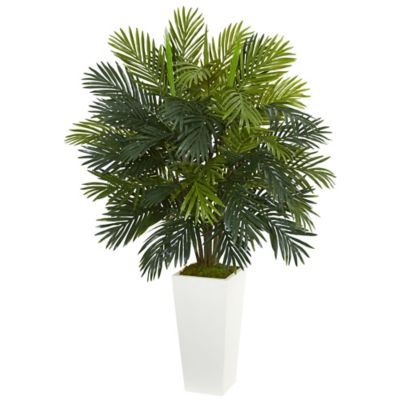
Size and placement make a bigger difference than a product photo alone might suggest. A plant that looks modest against an empty background can take up a fair bit of elbow room once it’s beside a monitor, telephone, and coffee cup. For a desk or counter, the full leaf spread matters just as much as the height, and the base needs to fit without crowding paperwork or blocking a clear view of visitors. Taller artificial office plants can fill an open corner or soften the end of a cabinet run, provided they leave room for chair movement, door swings, and everyday foot traffic. Anyone who has rolled an office chair backward into something knows why those few extra inches count. Measure the intended spot and compare it with the listed overall dimensions, remembering that foliage may extend well beyond the container. Some designs have adjustable branches that allow a little shaping; others hold a fixed outline, so check the product details rather than assuming either. For spaces with enough room for an airy, spreading profile,
Artificial Areca Palm Plants are another option to consider alongside the room’s furniture and available floor space. Container details deserve a close look as well. Check whether the plant comes in a finished pot, a simple supporting container, or another arrangement, and whether a separate outer planter will be needed for the look you want. The listed weight and base dimensions can help you judge suitability for a busy office, especially near a walkway where bags, coats, or deliveries pass through. Materials and finishes also affect appearance. Fabric foliage may have a different texture from molded leaves, and either can look different under a bright ceiling fixture than in soft window light. Close-up photos are useful for checking leaf edges, visible seams, stem surfaces, and the finish around the base. Those details tend to stand out most on plants that sit within arm’s reach.
Artificial plants suit plenty of people whose workdays leave little room for another chore: the bookkeeper handling several businesses, the contractor coming and going between jobs, or the family member managing appointments and farm records from the kitchen-side office. They can also make a thoughtful gift for someone opening a business, setting up a home workspace, or settling into a new position, particularly when you know the recipient likes greenery but doesn’t want plant-care responsibilities. For a gift, a manageable footprint and a container finish that works with several furniture styles can make placement easier. In shared spaces, it helps to think beyond appearance. Foliage shouldn’t brush across a keyboard, hang over a work surface where small parts are sorted, or interfere with signs and equipment. Artificial greenery doesn’t need watering, but it does collect dust, especially in an office near a gravel drive, workshop, or frequently opened entrance. Care instructions vary by material; check whether the manufacturer recommends a soft cloth, gentle dusting, or another cleaning method before applying water or a cleaner. Intricate foliage may take more time to clean than broader, simpler leaves, which is worth weighing if the room gets dusty in a hurry. Placement near windows deserves some thought, too. Indoor artificial plants aren’t necessarily made to withstand prolonged direct sunlight, and a bright spot may lead to fading unless the product information says otherwise. Keep foliage clear of heaters, hot equipment, and other heat sources, and follow any placement warnings supplied with the plant. If pets or young children visit the office, choose an out-of-reach location and remember that artificial leaves aren’t meant for chewing. With the right proportions and a sensible spot, fake office plants can become an easy part of the room rather than one more thing to work around. A little greenery behind the reception counter or within sight of the desk can help a hardworking space feel settled, welcoming, and ready for the next person through the door.