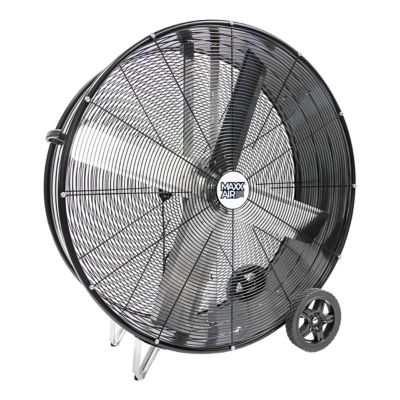
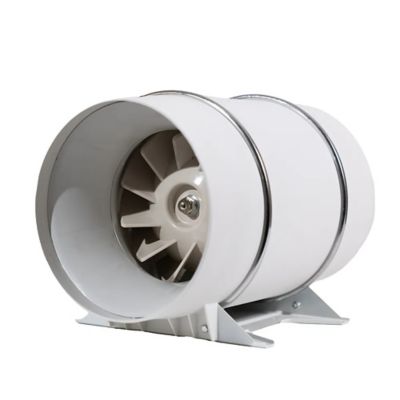
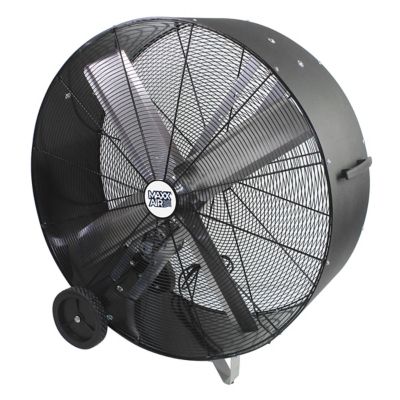
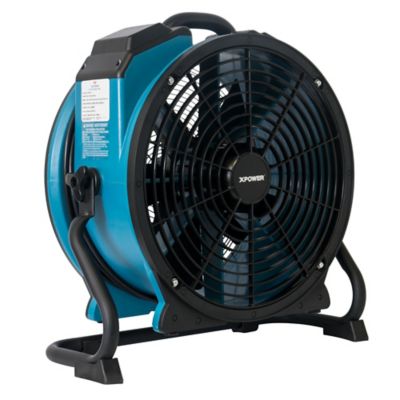
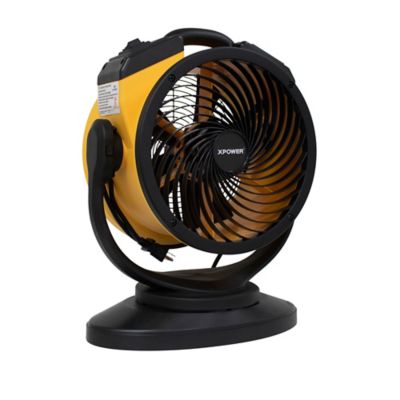
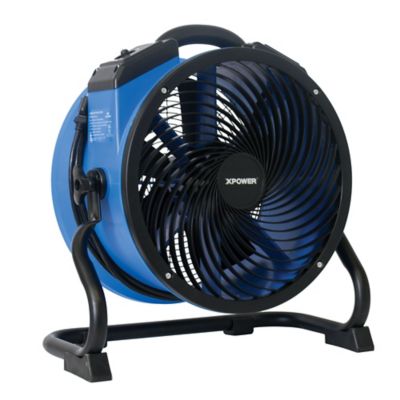
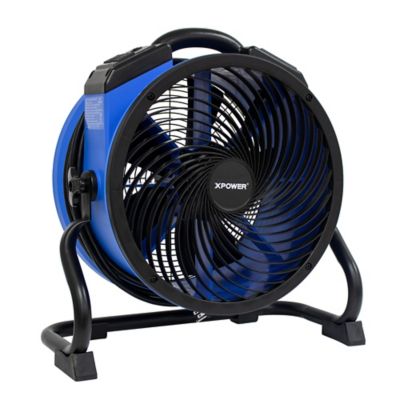
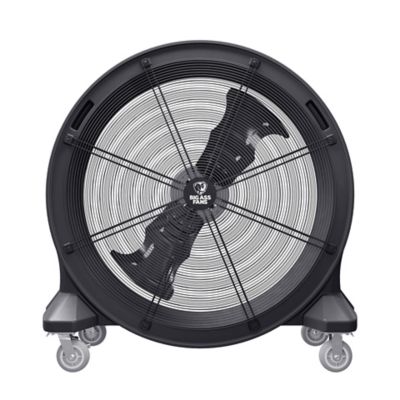
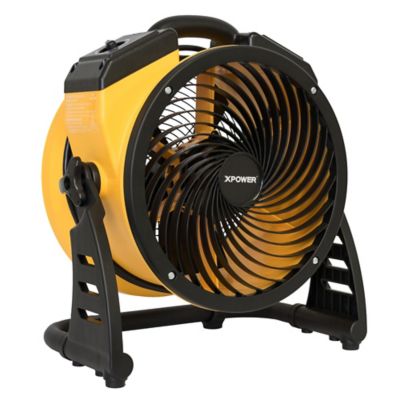
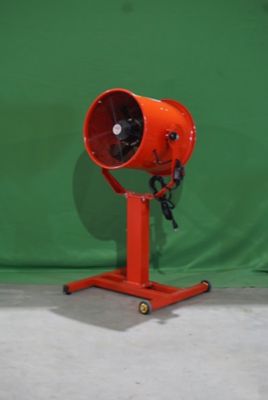
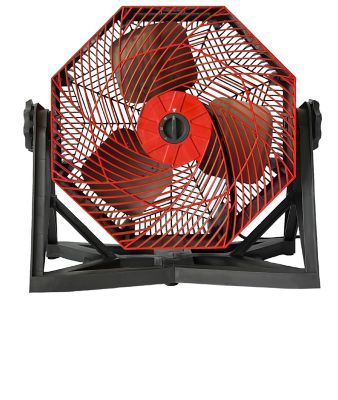
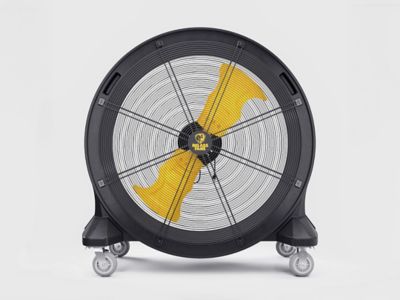
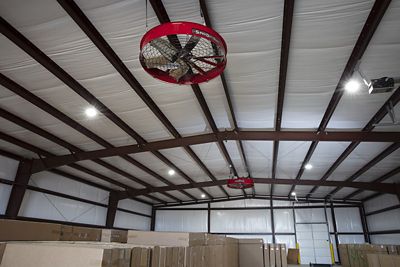
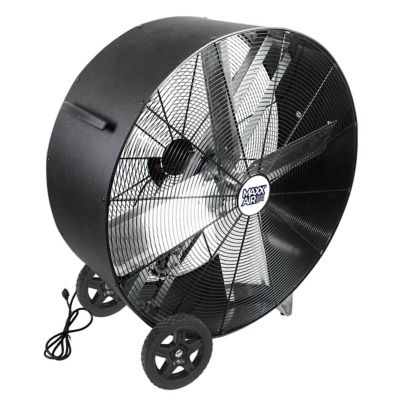
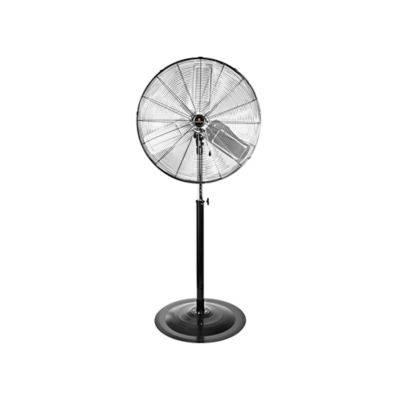
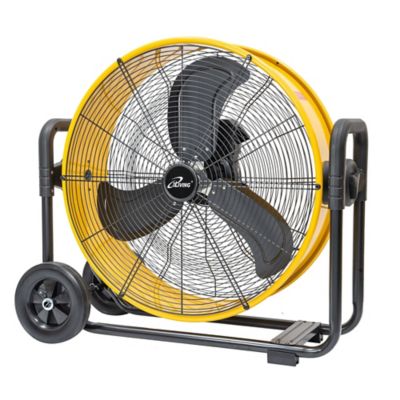
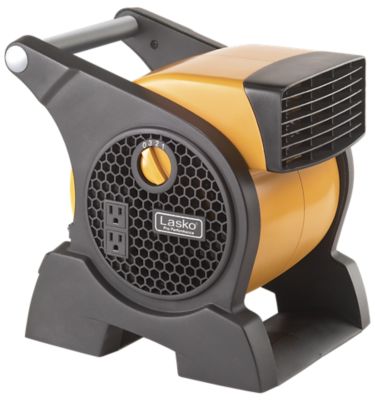
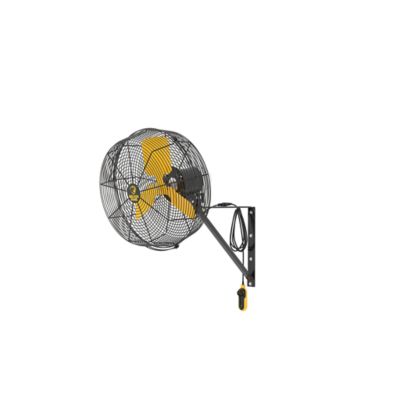
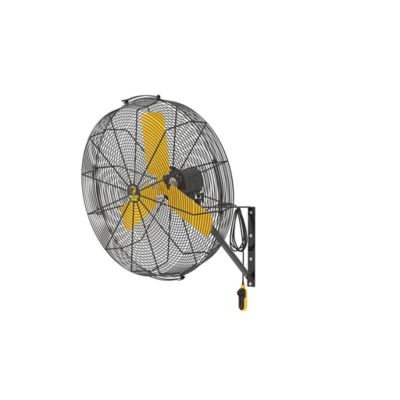
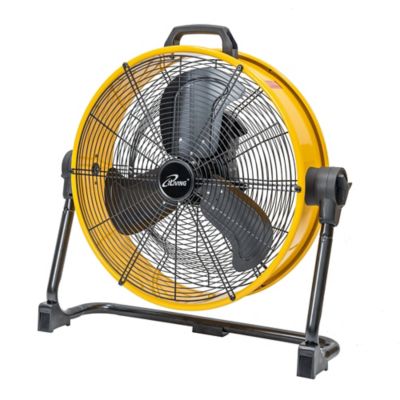
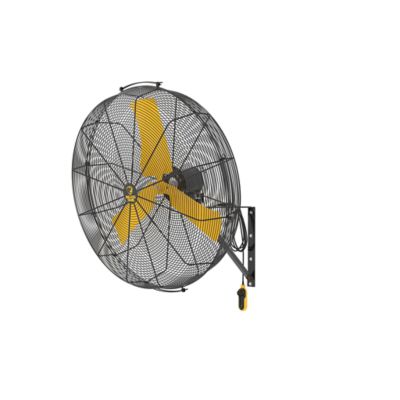
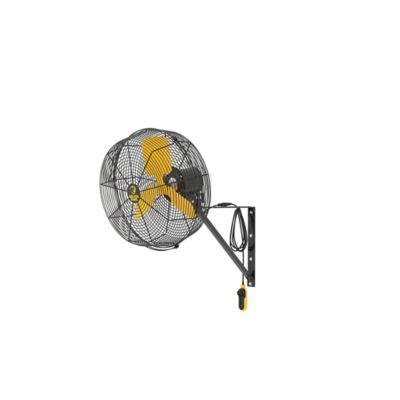
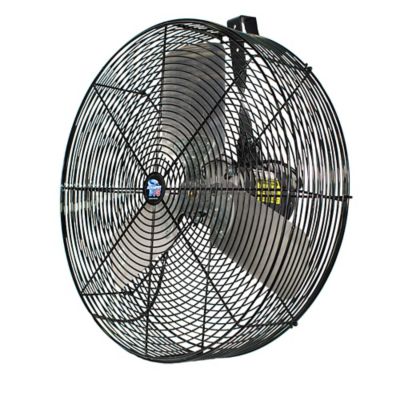
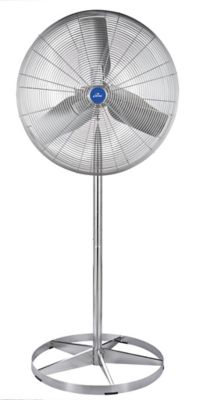
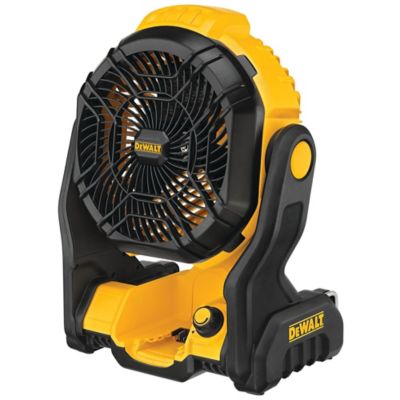
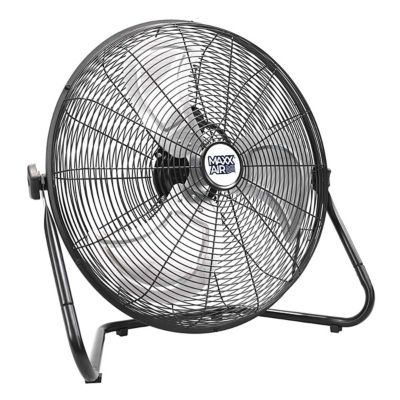
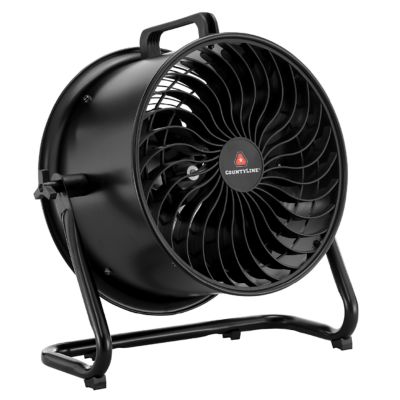
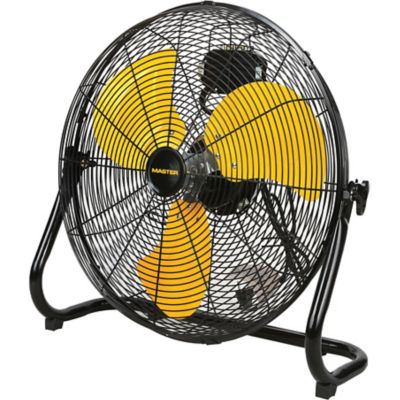
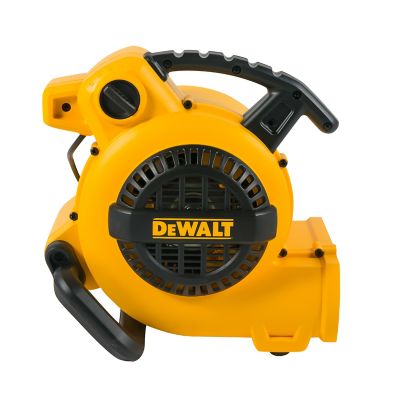
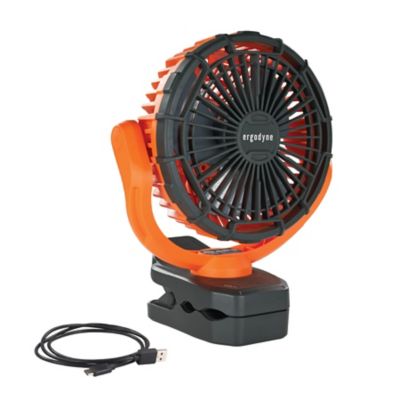
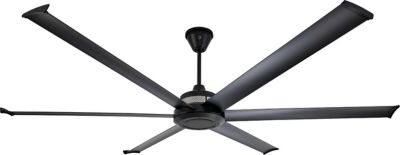
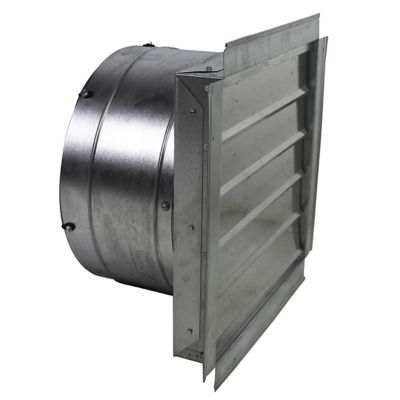
Professional fans are heavy-duty air-moving equipment for workshops, barns, warehouses, garages, and other large work areas. They circulate air, provide a cooling breeze, and support ventilation when there is a suitable path for incoming and outgoing air. For a mechanic working beside a tractor, a farm crew sorting supplies, or a shop owner keeping a busy service bay comfortable, the right fan brings air movement where the work happens. These fans serve different purposes depending on their size, mounting style, and airflow pattern. Floor fans can direct air across an open workspace, while pedestal fans raise the breeze above benches and other obstacles. Wall-mounted fans leave floor space clear, which can be handy along narrow aisles or beside equipment parking areas. Large drum-style fans often suit broad, open spaces, while exhaust fans move air out through a designated opening as part of a ventilation setup. Airflow is commonly listed in cubic feet per minute, or CFM, but that number tells only part of the story. Ceiling height, room layout, open doors, partitions, and the distance between the fan and the work area all affect how well the air reaches its destination. A broad air stream can cover several workstations, while a more concentrated stream may suit a particular bench or repair area. Adjustable tilt, variable speeds, and oscillation add flexibility when the layout changes from one job to the next. Noise matters, too, especially where workers need to hear conversation, equipment sounds, or warning signals. Comparing sound ratings makes the most sense when the measurement distance and operating speed are similar. A fan moves air rather than refrigerating it, so its cooling effect comes mainly from air movement across people and surfaces. It does not replace air conditioning, remove moisture like a dehumidifier, or provide fresh air simply by circulating air inside a closed building. That distinction helps match professional fans to the job without expecting one piece of equipment to handle every ventilation need.
Construction, placement, and electrical requirements make a real difference in how professional fans fit into everyday work. Steel frames and housings provide substantial support, while protective finishes can help limit corrosion when cared for as directed. Aluminum blades are common in some designs, though blade material alone does not determine airflow or service life. Motor design, blade shape, balance, guarding, and the overall assembly matter together. An enclosed motor may offer more protection from certain airborne particles than an open design, but the fan’s stated environmental rating still determines where it belongs. A dusty equipment shed, a wash area, and a clean packing room present different demands. Suitability for damp locations or outdoor operation needs to be stated by the manufacturer, not assumed from a heavy frame or metal housing. General-purpose fans are not substitutes for equipment specifically rated for combustible dust, flammable vapors, or other hazardous locations. Around livestock, the mounting position also needs to account for curious animals, bedding, feed dust, and the reach of power cords. A sturdy base helps a portable fan stay planted, while wheels and well-positioned handles make a larger unit easier to move between work areas. Locking casters, where provided, help keep it in place during operation. Wall and ceiling installations need mounting hardware and structural support suited to the fan’s weight and operating forces. Guards should remain securely attached, with enough surrounding clearance to keep clothing, tools, and loose materials away from moving parts. Electrical fit deserves the same attention as physical size. Voltage, amperage, plug configuration, and circuit capacity need to match the installation. A long cord stretched across a walking path can create trouble even when the fan itself fits nicely in the corner. Where an extension cord is permitted, its rating and length must meet the manufacturer’s requirements. Permanently wired equipment calls for installation that follows applicable electrical codes, with a qualified electrician handling the work when needed. A clear footprint and sensible cord routing help keep the fan from becoming another obstacle in a busy shop.
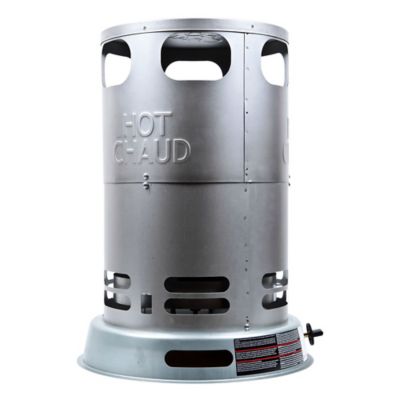
Regular care helps professional fans keep air moving without adding unnecessary strain to the motor or mounting points. Dust collecting on blades and guards can restrict airflow, and uneven buildup may contribute to vibration. Cleaning methods vary by design, so the manufacturer’s directions matter more than a one-size-fits-all approach. Disconnecting power before cleaning, inspection, or adjustment keeps hands away from energized moving parts. A soft brush or other approved cleaning method may suit some surfaces, while spraying water into a motor or switch can damage equipment that is not rated for it. Bearings may be sealed or may call for lubrication at specified intervals; adding oil without checking the instructions can cause problems rather than prevent them. Loose fasteners, damaged cords, bent guards, unusual noise, and new vibration all deserve attention before the fan goes back to work. Placement also affects what gets carried through the building. In a repair shop, a fan aimed across a grinding station can spread particles into neighboring work areas. In a barn aisle, a strong air stream directed at loose bedding or feed can lift dust instead of improving conditions. Air movement should support the workspace without pushing debris toward people, animals, electrical equipment, or clean work surfaces. General circulation fans do not replace source-capture equipment for welding fumes, hazardous vapors, or other airborne contaminants. They also do not make running a combustion engine indoors safe. Where a work area needs a separate source of heat,
Professional Heaters serve a different purpose and have their own operating requirements and clearances. Fan placement must not interfere with a heater’s safe operation. Whether the setting is a small repair bay or a broad agricultural building, practical details such as accessible controls, manageable weight, suitable mounting, and straightforward cleaning help determine how well a fan fits the routine. Matching those details to the space gives hardworking crews air movement that supports the task without getting in the way.