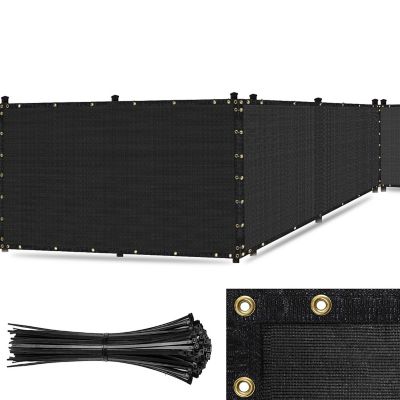
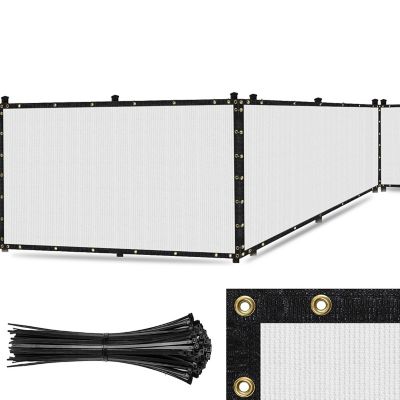
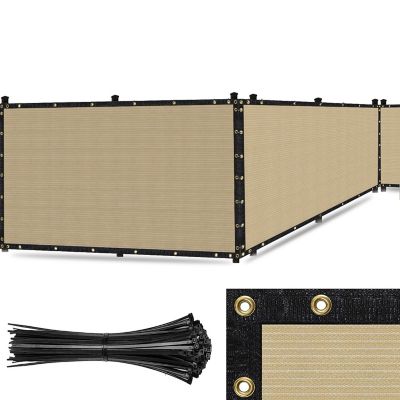
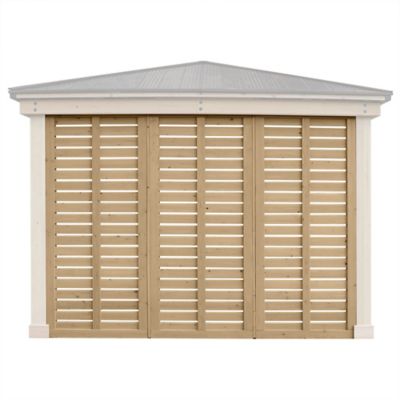
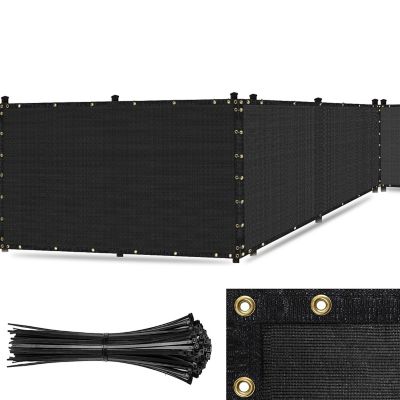
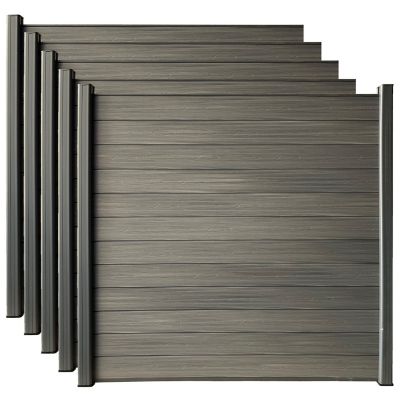
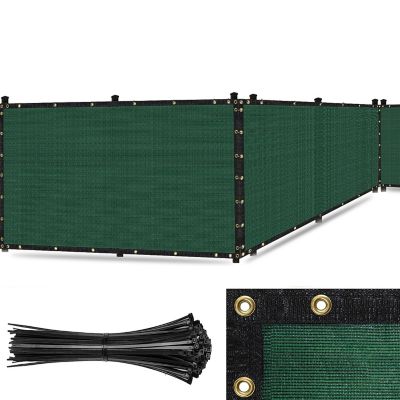
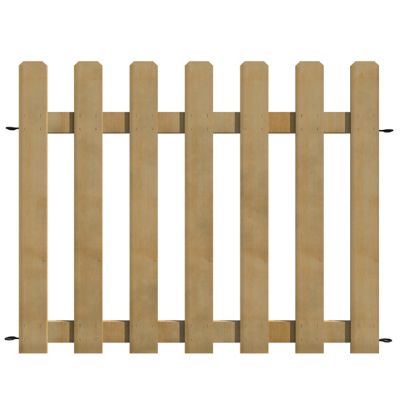
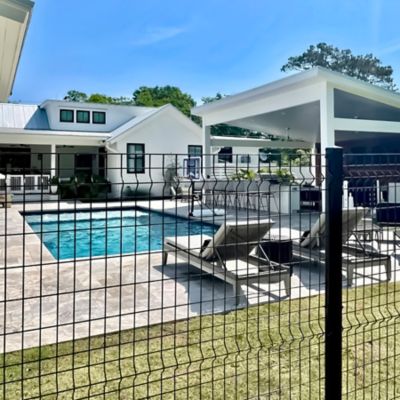
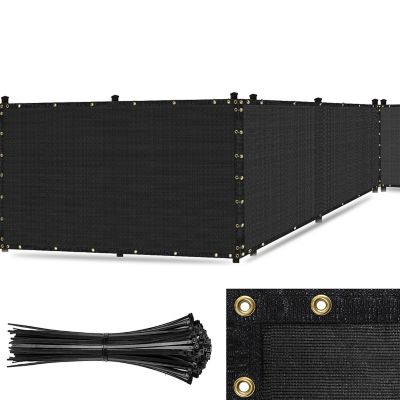
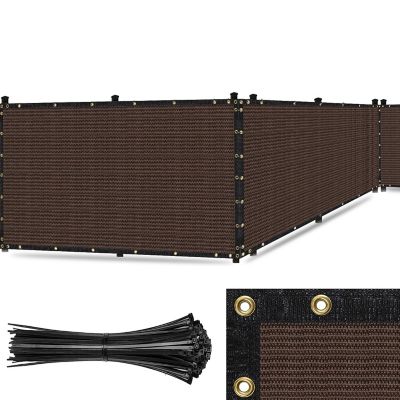
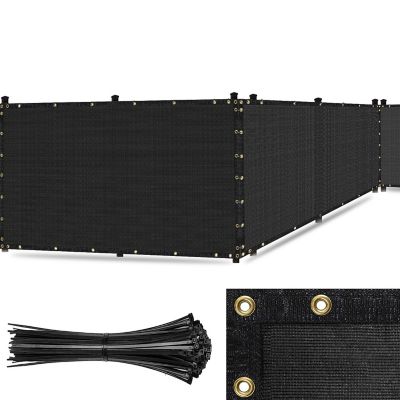
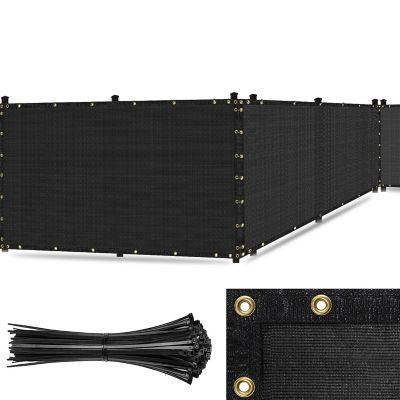
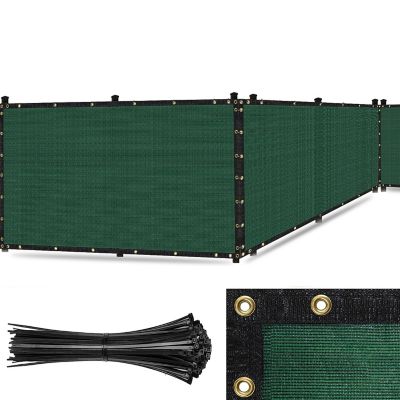
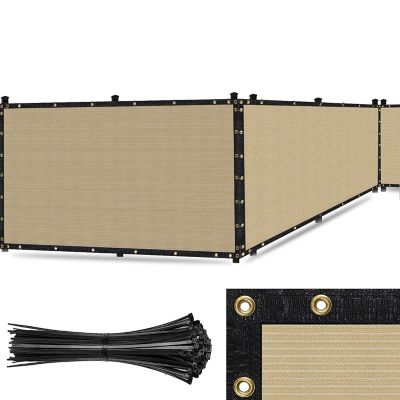
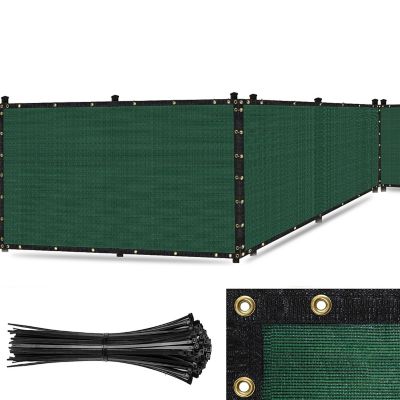
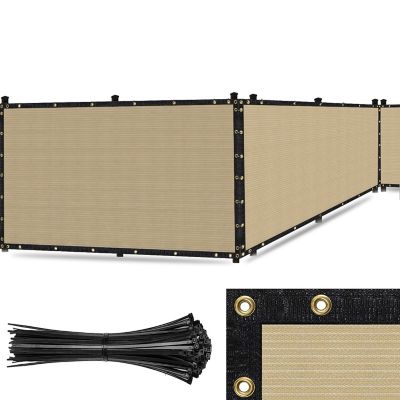
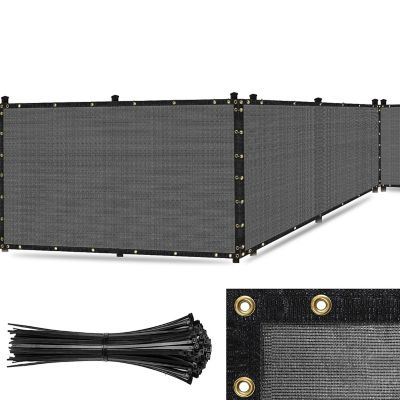
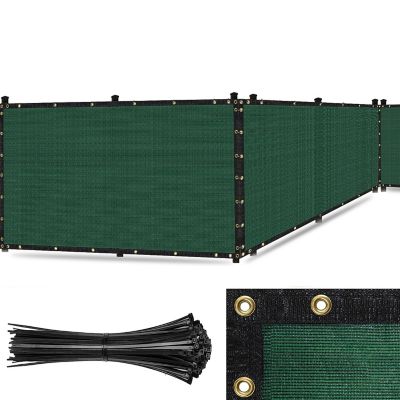
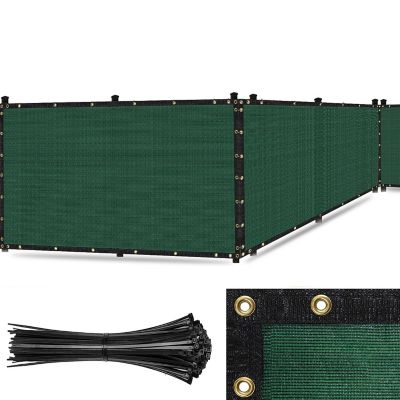
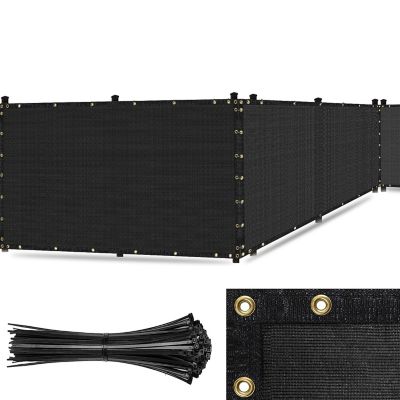
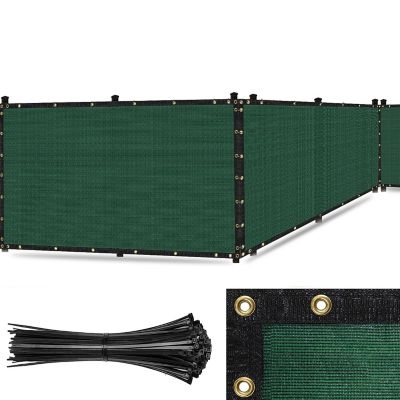
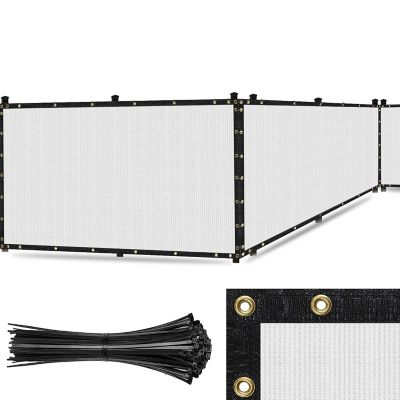
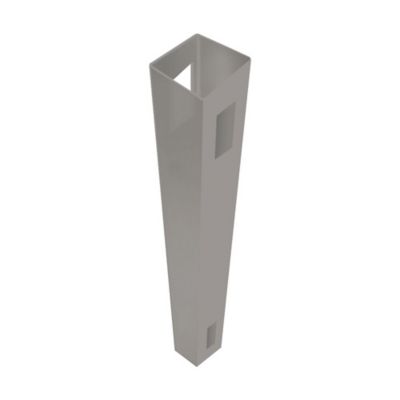
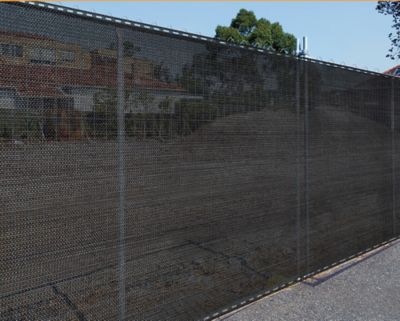
Yard privacy fences help turn an open outdoor space into a more comfortable spot for relaxing, working, entertaining, or keeping an eye on pets and children. A fence panel or screen can block sightlines from nearby homes, roads, walkways, and shared property lines while also giving your yard a more finished look. Many privacy fence styles stand around 6 feet tall, though the right height depends on local rules, the layout of your property, and how much coverage you need. A full-height fence can make a busy backyard feel tucked away, while a shorter screen may be all it takes to add privacy around a grill, hot tub, garden seating area, or pool equipment. These products are useful on country properties, suburban yards, rental-friendly outdoor spaces, patios, decks, balconies, and small garden areas where a permanent fence may not be practical. They can also help define a work area near a shed, hide recycling bins and outdoor storage, or create a calm corner for morning coffee. During the warmer part of the year, a privacy barrier gives outdoor gatherings a little more separation, and as the weather cools, it can help make a fire pit or covered porch feel more sheltered. For anyone setting up a new home, refreshing a backyard, or giving a practical housewarming gift, yard privacy fencing offers a useful improvement that can be enjoyed season after season.
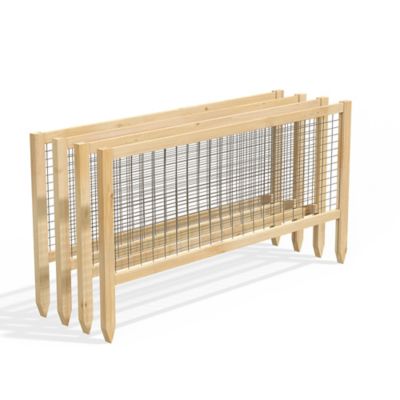
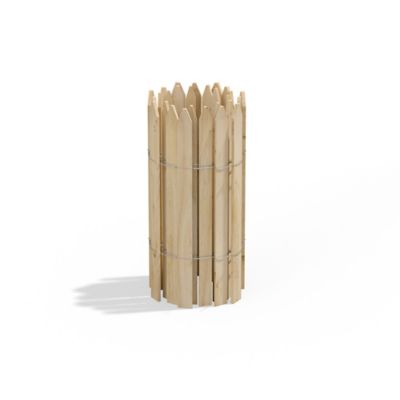
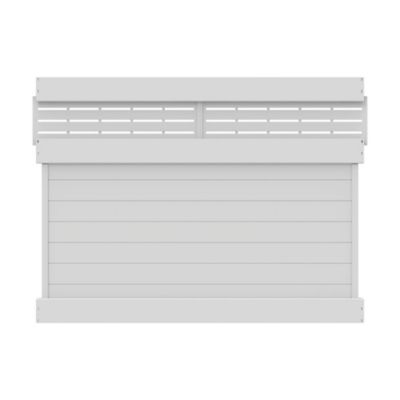
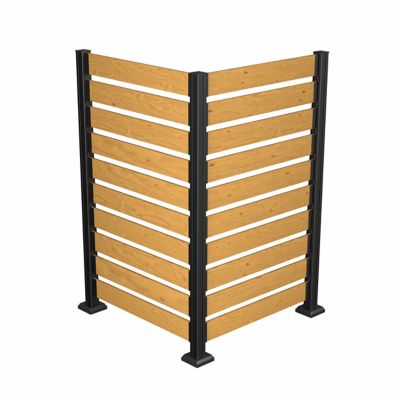
Material is one of the first things to consider when comparing yard privacy fences. Wood has a familiar, hardworking look that fits naturally around gardens, barns, cabins, and traditional homes. Cedar and redwood are popular for their warm color and natural resistance to outdoor conditions, but wood generally needs periodic staining, sealing, or other care to help protect it from moisture, sun, insects, and changing temperatures. Composite fencing blends wood fibers and plastic to create a durable option that can resist rot, insects, and fading with less upkeep than traditional wood. Vinyl and other plastic fencing provide a smooth, clean appearance and are easy to wash with mild soap and water, making them a handy choice for busy households. Metal and decorative screen panels can bring a more modern or ornamental feel, while mesh-style screens may work well where airflow matters as much as privacy. A solid panel offers the most visual coverage, but slatted, lattice, or patterned designs can let in more light and wind. Color matters, too. Darker finishes may blend into landscaping and make green plants stand out, while lighter colors can keep a patio feeling bright and open. Before choosing a style, look closely at the surrounding siding, deck boards, gates, planters, and outdoor furniture so the finished area feels pulled together rather than pieced in. It is also smart to check panel dimensions, total height, post spacing, hardware needs, and whether the material can be trimmed to fit corners or uneven stretches of ground. If a clean-lined arrangement suits your home and outdoor space, browse these
Horizontal Privacy Fences for another way to bring structure and coverage to the yard.
Installation style can make just as much difference as appearance. Traditional in-ground posts set into dug holes with concrete provide strong, lasting support for a permanent property-line fence, especially where the ground is firm and the fence will face regular wind. This approach usually calls for careful measuring, attention to property lines, and a plan for slopes, gates, drainage, and underground utility lines. No-dig systems use stakes, anchors, or other supports and may be a practical choice for lighter-duty fencing, garden boundaries, temporary screening, or places where heavy digging is difficult. Freestanding privacy walls and movable screens can be positioned on patios, decks, and other hard surfaces, then shifted as your layout changes. Some designs include planter boxes or trellis sections, which can soften a fence with climbing vines, flowers, or potted greenery while adding a little extra separation. On grass or soil, make sure supports are driven or set securely and that the fence will not wobble after rain or frost. On concrete, confirm that the base, fasteners, and surface are compatible with one another, and leave enough room for doors, walkways, mower access, and snow removal where needed. Wind exposure deserves special attention in wide-open rural areas; a tall, solid panel catches more wind than a partially open screen, so sturdy posts and proper spacing are important. Think about maintenance, too: keep soil and mulch from resting directly against the bottom edge, rinse away mud and pollen when needed, and inspect fasteners and supports after severe weather. With the right material, height, and installation method, a yard privacy fence can create a welcoming backyard retreat, make everyday chores feel more organized, and give outdoor spaces the dependable separation many families, gardeners, pet owners, and property managers appreciate.