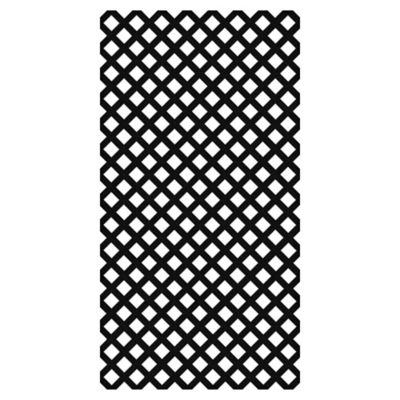
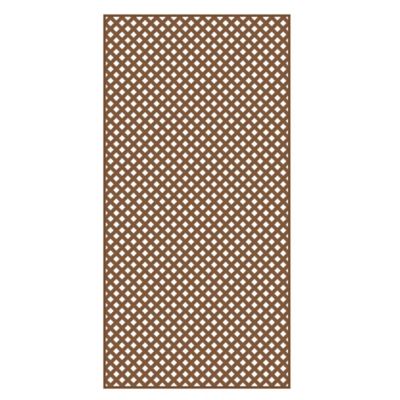
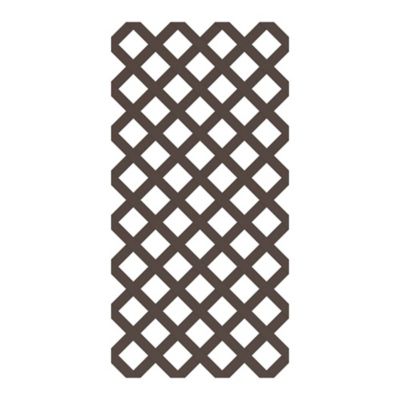
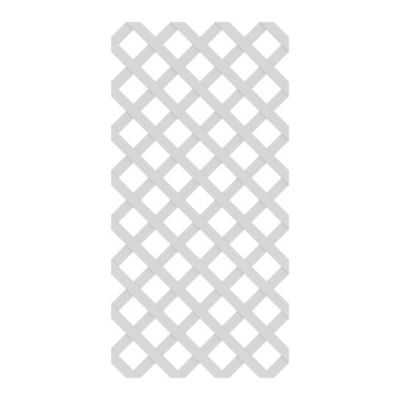
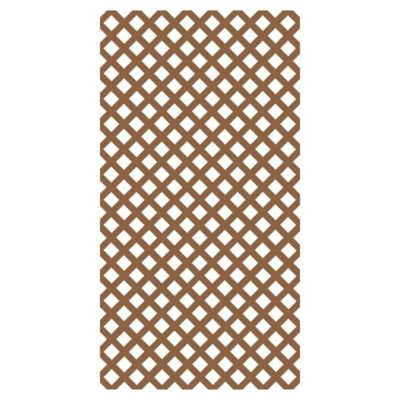
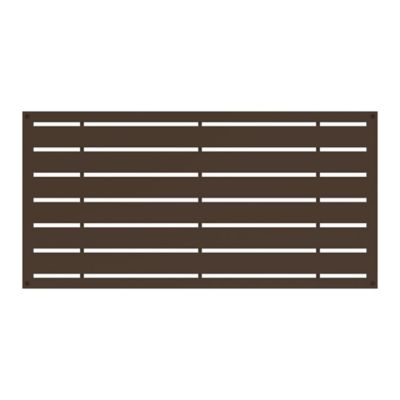
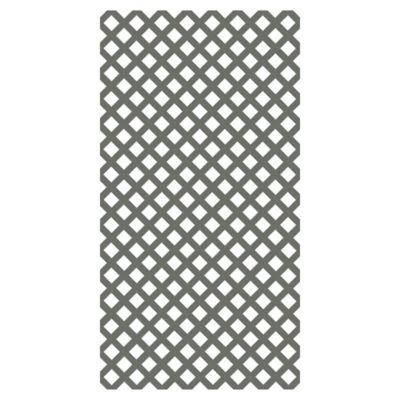
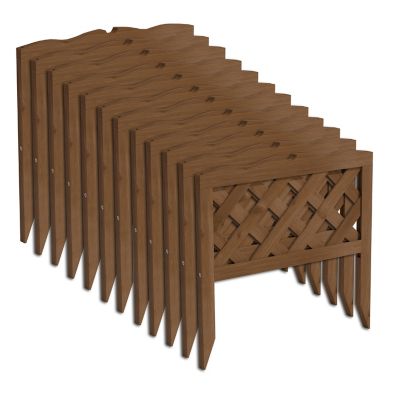
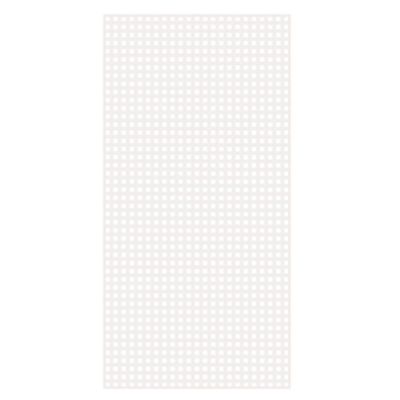
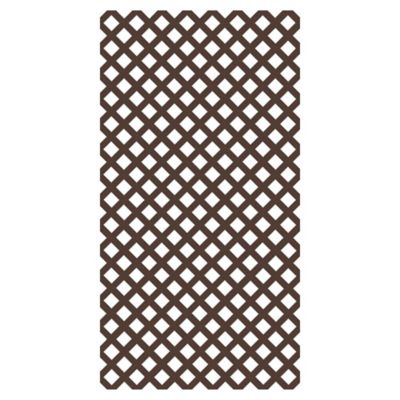
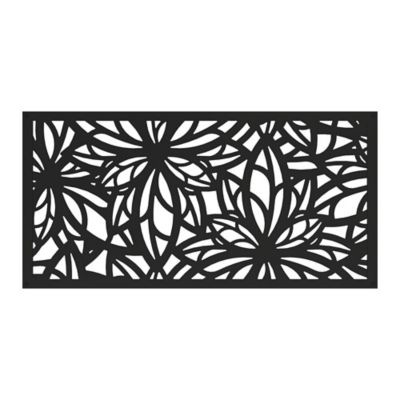
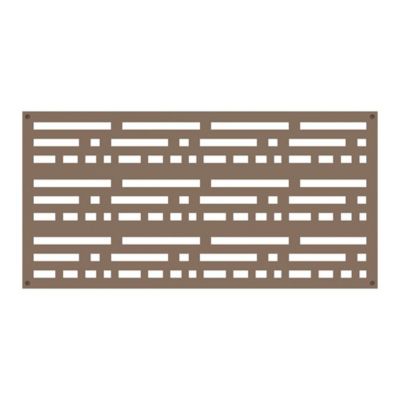
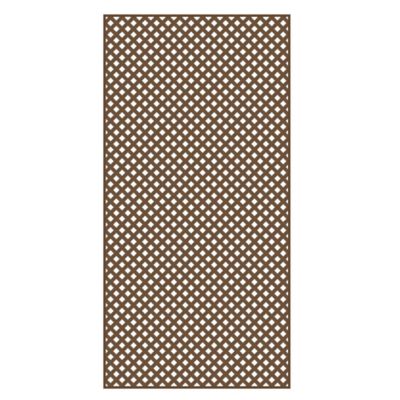
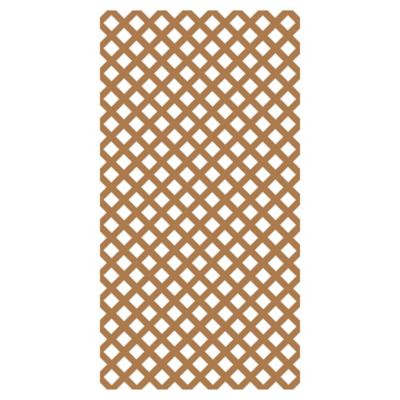
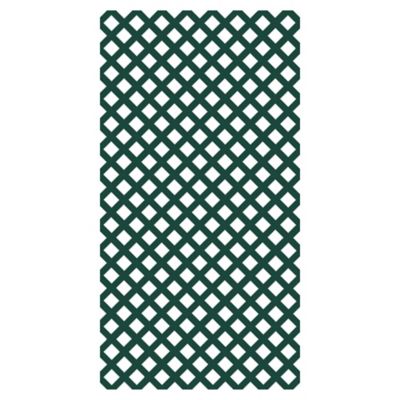
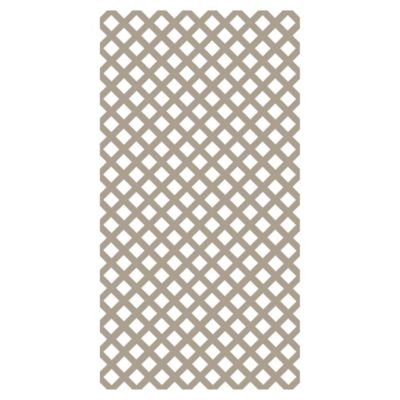
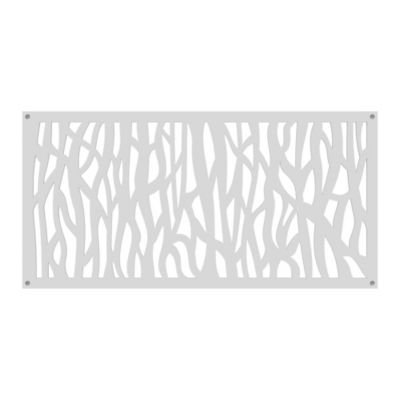
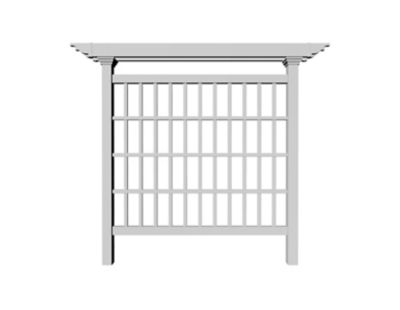
Lattice panels for decks are a handy way to give the space beneath a raised deck a cleaner, more finished look while keeping the area useful and easy to maintain. They can help hide stored items, garden tools, hoses, equipment, or the open framework beneath the deck without making the structure feel boxed in. Homeowners often use them as under-deck skirting, porch enclosures, privacy screens, or decorative dividers around patios and outdoor living areas. A classic diamond pattern brings a familiar country look that fits comfortably beside a wood deck, while square-grid designs offer a straighter, more modern appearance. Panel openings also make a difference. Wider openings allow more airflow and keep the lattice looking light, while tighter patterns provide additional privacy and do a better job of concealing items underneath. Many panels are available in common 4 ft. x 8 ft. dimensions, though checking the actual panel size, thickness, and trim requirements before ordering can save time when you are laying out the project. Measure each section between posts, stairs, or other obstacles, and remember that deck framing is not always perfectly square after years of weather and settling. It is usually better to plan for a few carefully measured cuts than to assume every opening will match. Lattice can also be used above deck level as a modest privacy screen, around a covered porch, or as support for climbing plants in a garden setting. When used as a trellis, choose a location with enough sunlight and leave room for vines to spread without covering vents, doors, or walking paths.
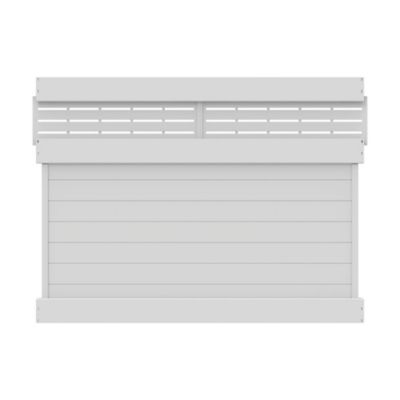
Material choice comes down to the look you want, the amount of upkeep you are willing to handle, and the conditions around your home. Wood lattice, commonly made from cedar or treated pine, has a warm, traditional appearance and can be stained or painted to coordinate with a deck, fence, barn, or outbuilding. It may be a good fit for someone who enjoys refreshing outdoor projects and wants the option to change the color over time. Wood should be kept clear of standing moisture and checked periodically for weathering, loose fasteners, or damaged sections. Vinyl or PVC lattice is a popular low-maintenance choice for homeowners who would rather spend their time on the garden than on scraping and painting. It resists rot and moisture, wipes clean fairly easily, and is available in neutral colors that blend with many homes. Composite and other heavy-duty synthetic materials are often selected when durability, fade resistance, and a more substantial feel matter most. For related outdoor screening ideas, shoppers may also want to browse
Vinyl Fence Panels when planning a larger privacy area or matching several parts of the property. Keep the surrounding landscape in mind as well. A light-colored panel can brighten a shaded corner, while a darker tone tends to recede behind shrubs and flower beds. If the deck sits near a gravel drive, pasture, pond, or frequently watered garden, a moisture-resistant material can help reduce routine maintenance. Families with dogs or small children should consider opening size and panel placement carefully, especially near steps, crawl spaces, or areas where little hands and paws may reach through.
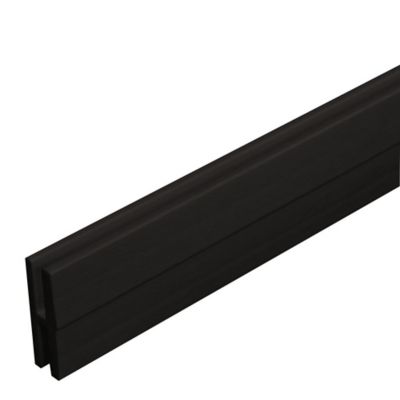
A solid installation starts with a sturdy support plan rather than relying on the lattice panel alone to carry its own weight. Many deck skirting projects use an outer frame made from pressure-treated lumber or another suitable framing material, attached securely to deck posts and supported at the corners. The frame gives the panel a firm surface for fastening and helps keep edges straight, particularly on longer runs. Leave a small amount of clearance above the soil, mulch, or paving so water can drain and the panel is less likely to sit in wet ground. That breathing room also helps account for normal expansion and contraction, which is especially important with vinyl and composite materials during changing temperatures. Trim pieces, divider moulding, U-channels, or cap trim can cover cut edges and seams for a more finished appearance, while also reducing sharp or rough edges. Use fasteners appropriate for the panel material and outdoor exposure, and avoid overtightening synthetic lattice, since excessive pressure can cause distortion or cracking. Before closing in the area beneath a deck, check local requirements for access, ventilation, drainage, and any utilities or equipment that may need service later. A removable section or access door can make it easier to reach plumbing, wiring, irrigation controls, or stored items. Lattice panels can be a thoughtful gift for a new homeowner, someone improving a rental property, or a handy friend who enjoys tackling weekend projects around the yard. They are also useful for preparing outdoor spaces for gatherings during the warmer part of the year and for giving patios and porches a tidier appearance as cooler weather arrives. With the right material, measured layout, and dependable frame, deck lattice can add privacy, airflow, and a polished finishing touch without taking away the relaxed, open feel that makes outdoor living so enjoyable.