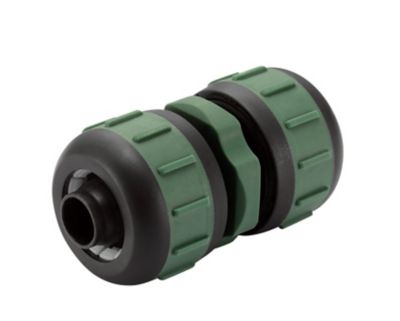
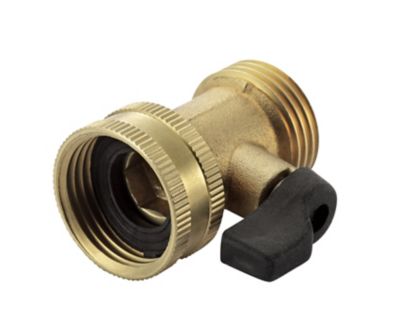
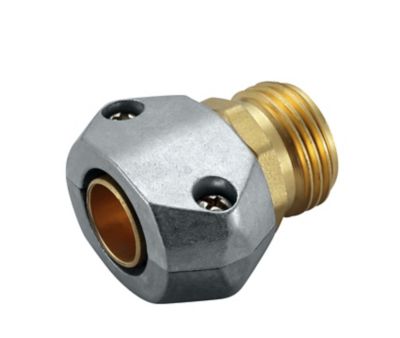
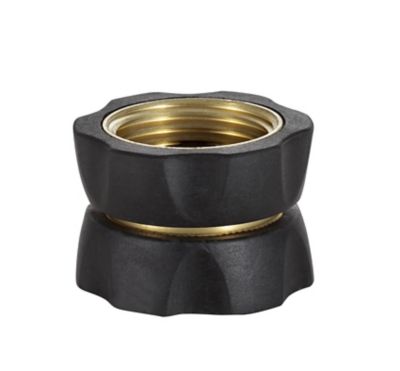
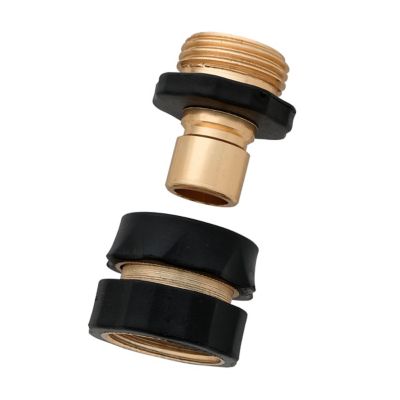
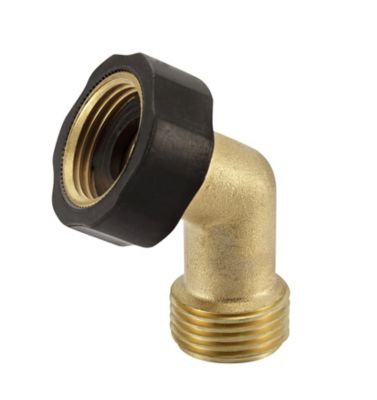
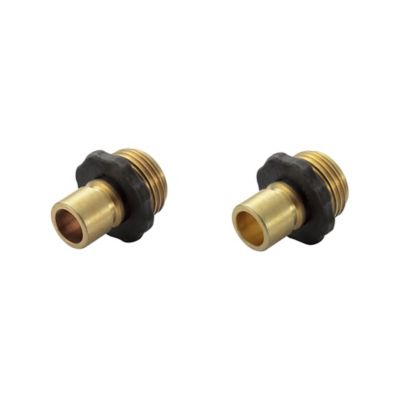
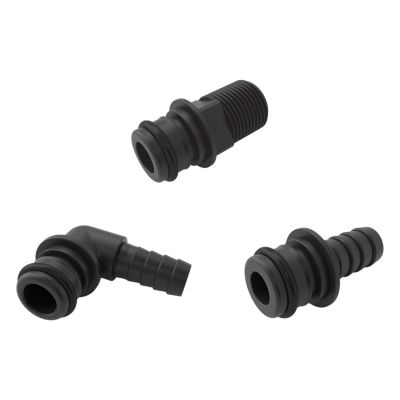
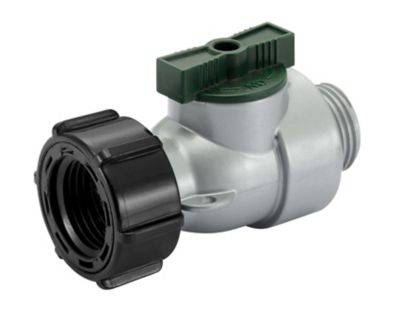
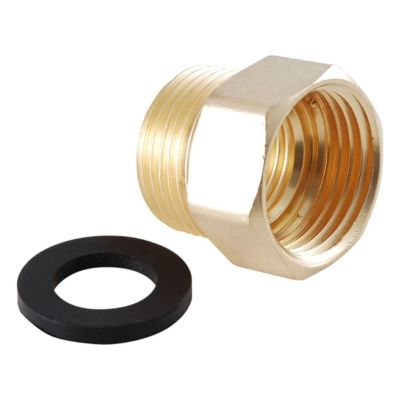
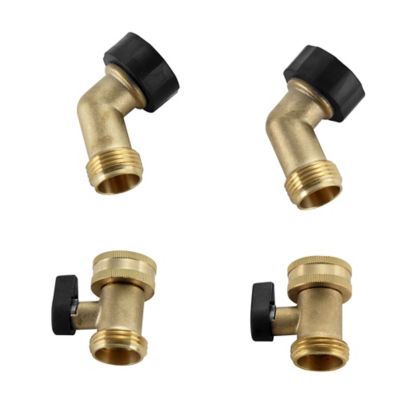
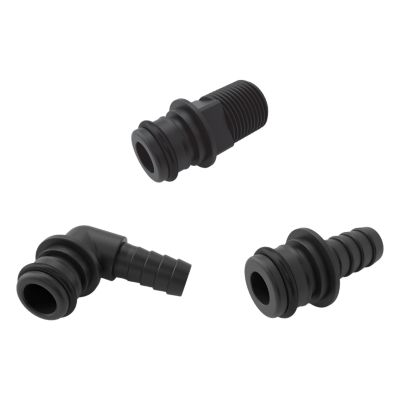
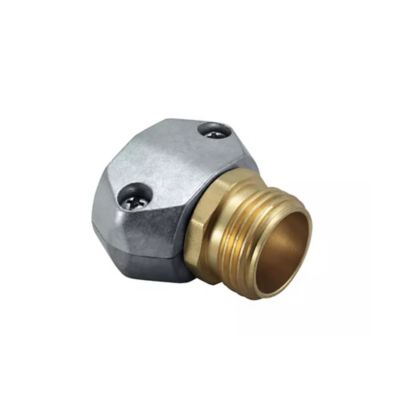
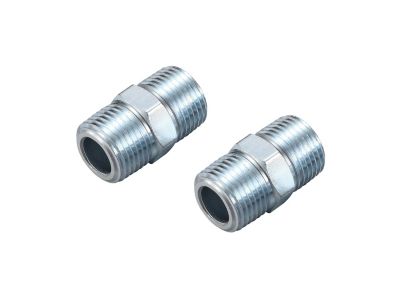
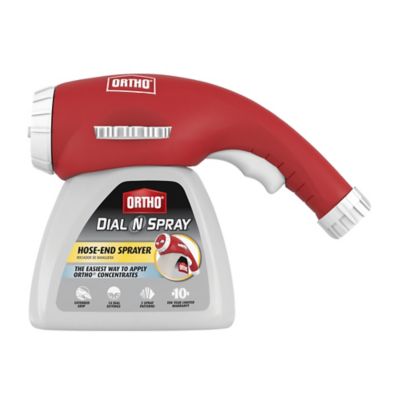
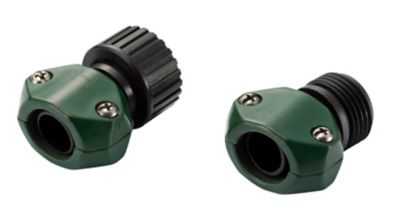
Hose fittings connect a hose to a faucet, nozzle, sprinkler, another hose or a repair section, keeping water moving where it belongs. Around a yard, garden or barn, these small connections carry a fair share of the work, from filling watering cans beside the porch to rinsing muddy tools near the shed. The main types include threaded fittings, quick-connect fittings and barbed fittings, each with a different way of joining the parts. Threaded fittings screw together, while quick-connect designs let compatible ends snap into place for easier changes between watering attachments. Barbed fittings fit inside a hose and typically rely on a clamp or another retaining mechanism to hold the connection. In the United States, many garden hoses and accessories have nominal 3/4-inch garden hose thread, often labeled GHT. That connection size is not the same measurement as the hose’s inside diameter: a 5/8-inch garden hose can still have 3/4-inch GHT ends. Male fittings have threads on the outside, and female fittings have threads on the inside. Matching both the thread type and the connection arrangement matters, especially when joining an older hose to a newer attachment or connecting equipment from different systems. Garden hose thread and tapered pipe thread, commonly labeled NPT, are not interchangeable, even when their listed sizes look alike. An adapter can bridge certain connections, but its two ends still need to match the equipment involved. Standard garden hose connections generally seal against a washer inside the female end rather than along the threads themselves. A sound washer and an undamaged seating surface therefore matter as much as threads that turn smoothly. For everyday watering, a well-matched connection means less dripping at the faucet, fewer puddles underfoot and more water reaching the plants instead of running down the side of the hose.
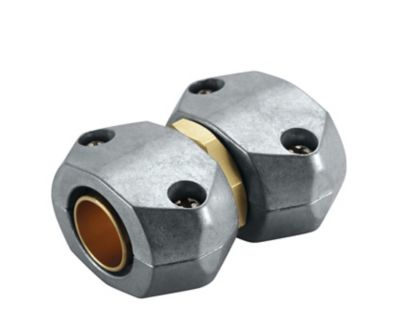
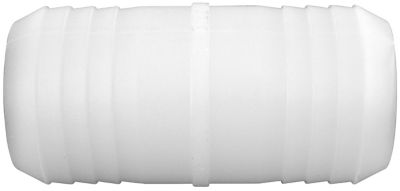
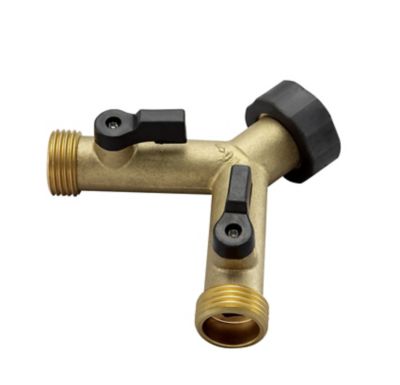
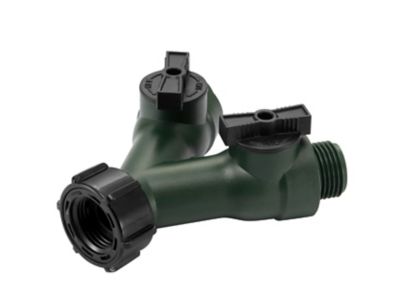
Material, shape and construction all affect how hose fittings handle daily chores. Brass fittings offer a solid feel and resistance to corrosion, making them a common choice for connections that get handled often. Aluminum keeps weight down, which can be welcome at the end of a long hose or on an attachment carried between garden beds. Plastic fittings also keep a setup light and can suit routine watering, though their suitability depends on the design, material and working-pressure rating. No material alone guarantees a fitting can handle every job. Pressure ratings, water compatibility and the manufacturer’s stated application deserve attention, particularly when a connection will remain pressurized or serve equipment beyond a basic garden hose. Garden hose fittings are not substitutes for fittings specified for hydraulic systems, compressed air, fuel or agricultural chemicals. For drinking-water applications, both the hose and its fittings need an appropriate potable-water rating. Shape matters, too. A generous gripping surface can make a connector easier to turn with wet hands, while a swivel connection lets the nut rotate without winding up the whole hose. Quick-connect couplers can simplify switching from a spray nozzle at the wash area to a sprinkler by the garden, but mating pieces need to belong to a compatible connection system. Some include a water-stop feature; others allow water to flow when disconnected. Splitters provide separate outlets from one faucet, and individual shutoff valves can help manage those branches, although they do not increase the water supply feeding them. Where a hose end has been crushed beneath a wheel or damaged from repeated dragging, a replacement end may extend the hose’s working life if the remaining hose is sound. Menders join two hose sections, while repair fittings with barbs or clamps need to match the hose’s inside diameter and, where specified, its wall thickness or outside diameter. A fitting that merely looks close can leave a loose joint or restrict the passage through the hose.
The right arrangement also depends on how the hose moves through a day’s work. A connection beside a fixed faucet has different demands than one dragged across gravel, pulled around fence posts or carried from one livestock pen to another. Compact fittings can help keep the hose end manageable, while a larger connector body may offer more grip but also add weight. Internal passage size matters when filling a large utility tub or running an attachment that needs a steady supply; a narrow opening can limit flow even when the outside connection fits. For a complete length of hose with attached ends,
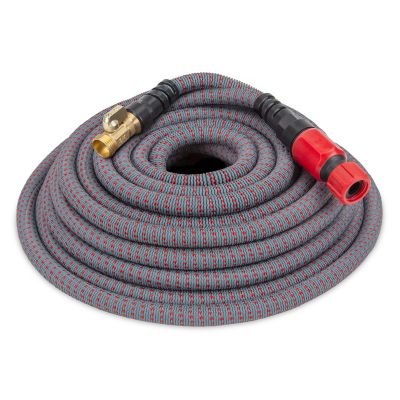
hose assemblies offer another option, with connection type and intended application still guiding the match. Fittings also benefit from straightforward care between chores. Grit caught in threads can make a connection difficult to turn and wear down the mating surfaces, while a flattened or cracked washer can let an otherwise sound joint drip. Clean connection points, intact seals and hose ends supported without sharp bends help a setup keep working. Cross-threading and overtightening can damage fittings, so a connector that resists turning deserves a closer look rather than more force. Thread tape generally will not correct a leak at a standard washer-sealed garden hose connection. Water pressure should be shut off and released before a fitting is disconnected or a repair section is opened. Connections feeding animal-water equipment also need attention to cleanliness, the equipment maker’s requirements and any applicable backflow protection. A splitter or shutoff connector does not replace a backflow device required at the supply. Whether the task is tending vegetable rows, washing soil off a shovel or keeping a watering station connected, hose fittings work best as matched parts of the whole setup. The hose, faucet, seals and attachments all need to suit the job, giving a simple connection the best chance of staying snug through everyday work.