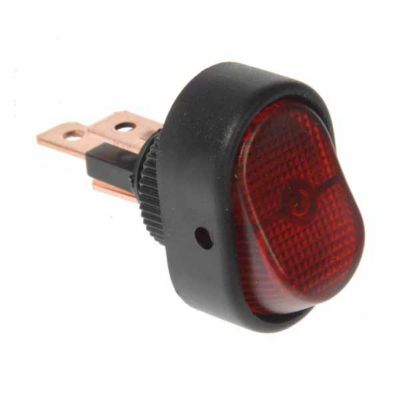
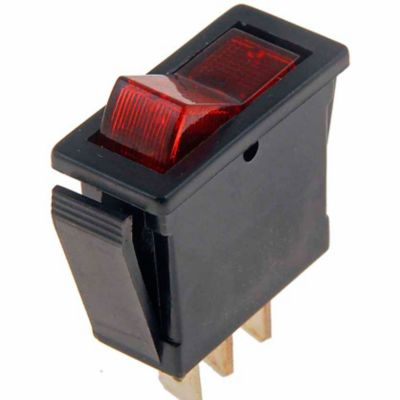
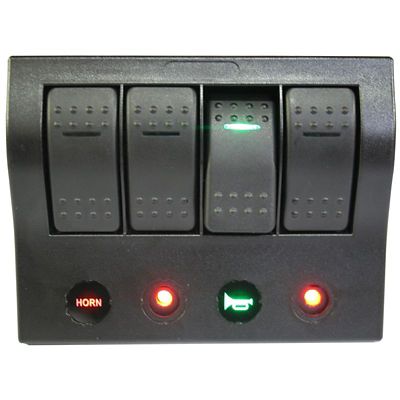
Power indicator lights give you a quick visual check on whether electrical equipment, a control panel, or a working circuit has power. That simple signal can save time in a busy shop, barn, garage, or equipment shed, especially when several switches and machines are in use at once. A light may show that a circuit is energized, that a motor is running, or that a system is in a standby or fault condition. These lights are commonly used on farm equipment, generators, pumps, welders, trailers, outdoor tools, electrical enclosures, HVAC equipment, and custom control panels. They can also be handy for home projects where a switch or power source is tucked out of sight. When choosing power indicator lights, start by checking the voltage and current type required by the equipment. Some lights are made for low-voltage 12V or 24V DC systems, while others are designed for 120V or higher AC applications. Using a light with the wrong electrical rating can lead to poor performance or create a safety hazard, so match the indicator to the specifications printed on the machine, control panel, wiring diagram, or original part. Pay attention to how the light connects, too. Panel-mount indicator lights may use screw terminals, wire leads, quick-connect terminals, or other connection styles, and the mounting hole size needs to match the panel where the light will be installed. A threaded body can be secured with a nut from behind the panel, while a snap-in style may be useful for thinner material or a quick replacement. Measuring the existing opening before ordering helps avoid having to enlarge a metal panel or rework the surrounding wiring.
Color is another useful part of the selection process because the right color makes the status easier to understand at a glance. Green is often used to show normal operation, an active system, or a safe running condition. Red commonly signals a fault, danger, stop condition, or equipment that needs attention. Yellow or amber can point to a caution state, a transition, or a process that is not yet complete. Blue is sometimes used for a special control function or equipment condition, including certain HVAC and cold-environment applications, while white may indicate that power is present even though the main process is not running. These conventions are not universal, so always follow the markings and wiring information for the machine being serviced. Brightness and viewing angle matter when an indicator will be mounted outdoors or in a dim utility room. A light that is easy to see in direct sunlight may be a better choice for a tractor, livestock waterer, gate operator, or pump enclosure, while a softer indicator can be more comfortable inside a workshop or cab. LED indicator lights are popular because they use little energy, produce less heat than many older lamp styles, and can provide a long service life when properly matched to the circuit. For a broader look at decorative and functional lighting ideas, explore
LED Light Displays. When a panel needs more than a single on-and-off signal, multi-color lights or separate indicators can help distinguish power, operation, warning, and fault conditions without opening the enclosure. A phase indicator setup may use multiple lights to show whether voltage is present across supply lines, making it useful in certain industrial, agricultural, and electrical applications. These components are best selected with the help of the equipment manual or a qualified electrician when the circuit is unfamiliar.
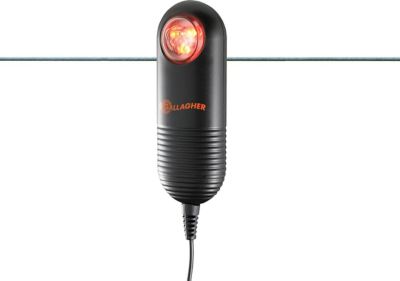
Power indicator lights are a practical choice for people who maintain tractors, combines, utility vehicles, generators, pressure washers, well systems, livestock equipment, and other machinery that earns its keep around the property. They can help a homeowner spot whether a sump pump has power, tell a shop owner that a compressor circuit is live, or make it easier to see the status of an electric fence controller from across a shed. A maintenance worker may use them to replace a dim or burned-out panel light, while someone building a custom control box can use panel-mount LEDs to label separate functions. They also make a thoughtful addition to a tool-minded gift for a farmer, mechanic, small-engine hobbyist, or DIYer who enjoys keeping equipment in working order, though electrical parts should be chosen for the recipient’s actual project rather than guessed at. Before installation, shut off and verify power according to safe electrical practices, and do not rely on an indicator light alone to prove that a circuit is de-energized. Check the light’s environmental rating if it will face rain, dust, mud, vibration, oil, or wide temperature swings. A sealed or weather-resistant design may be a better fit for outdoor equipment and farm buildings, while a standard indoor-rated light may work well in a clean, protected panel. Look for clear product specifications covering voltage, AC or DC operation, mounting diameter, terminal style, lens color, brightness, and operating temperature. Keeping a few correctly rated replacement lights on hand can be useful during the cooler months, when a dark equipment bay or early-morning repair leaves little daylight for troubleshooting. With the right fit and rating, a small power indicator light can bring a welcome bit of clarity to a complicated electrical setup and help you see what is happening before a minor issue turns into a bigger interruption.