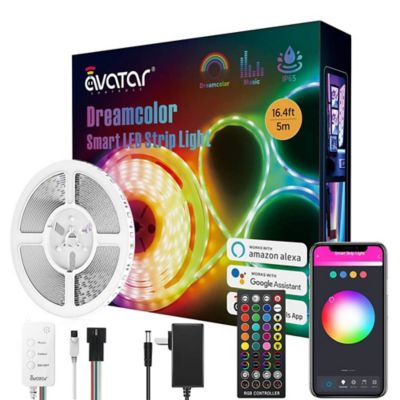
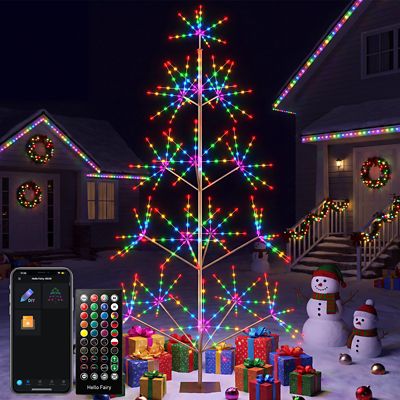
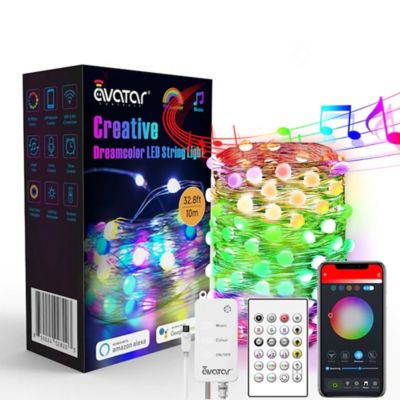
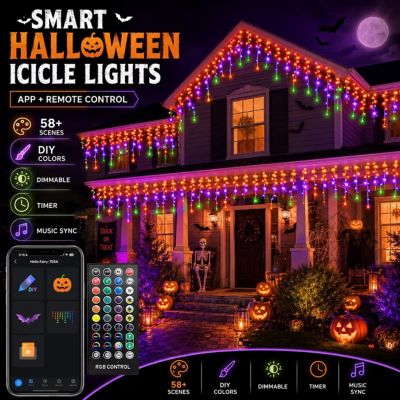
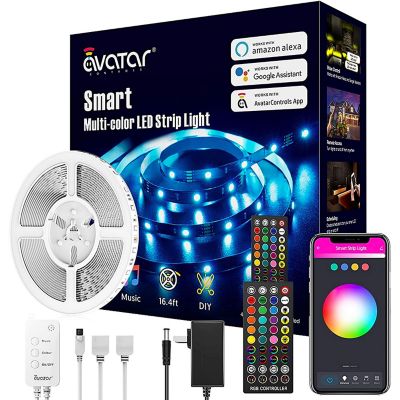
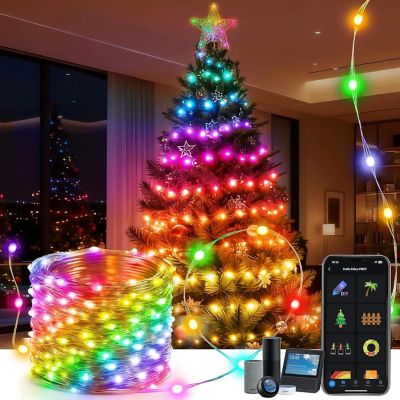
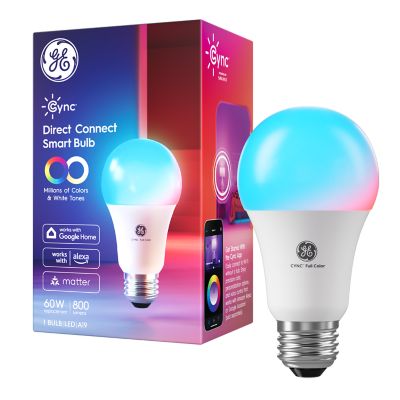
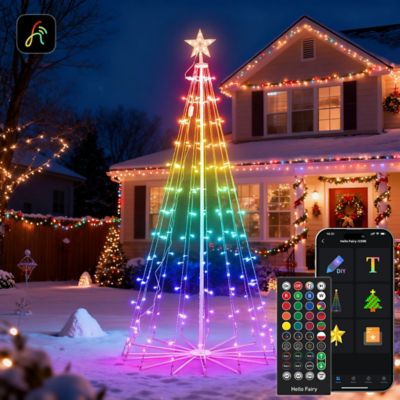
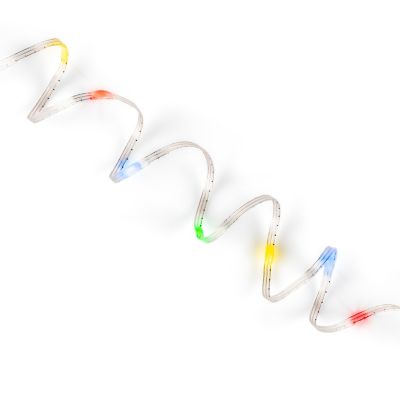
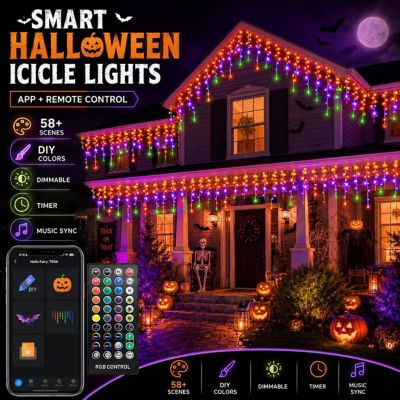
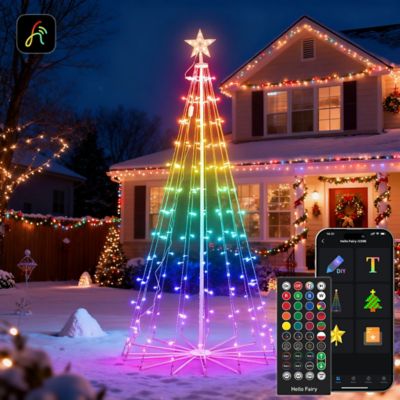
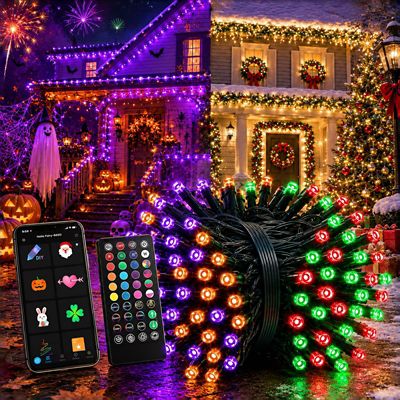
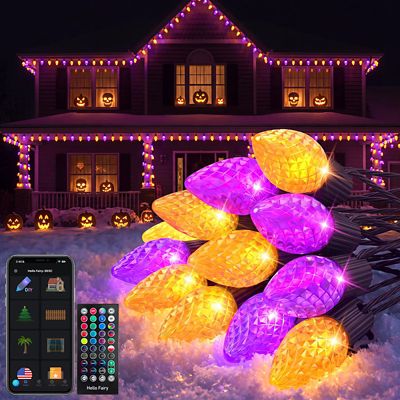
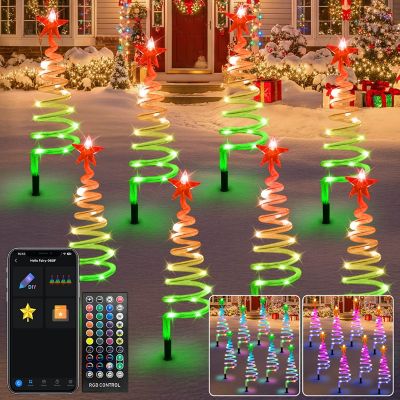
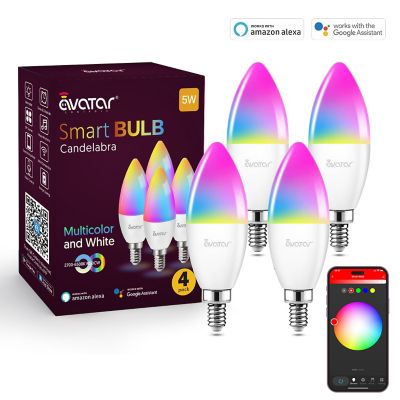
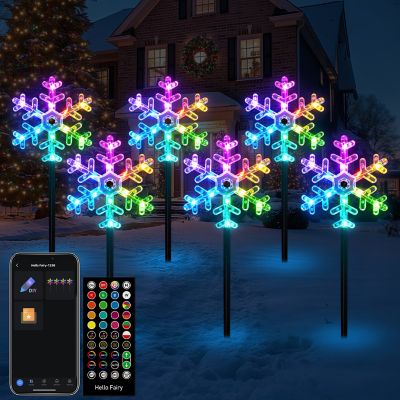
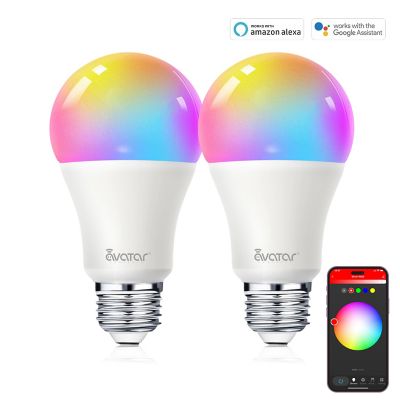
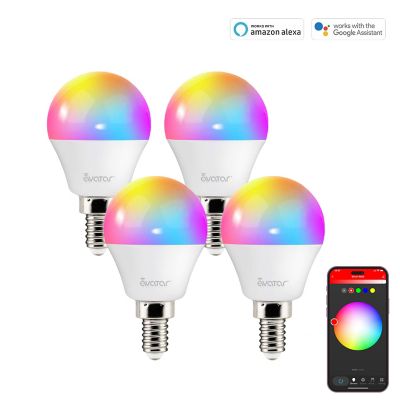
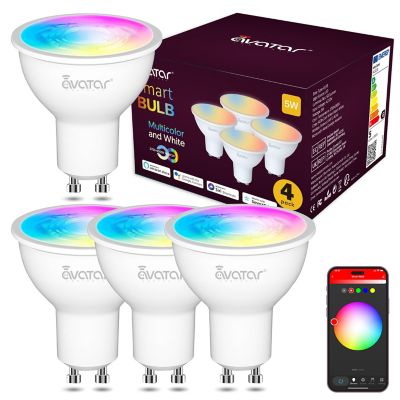
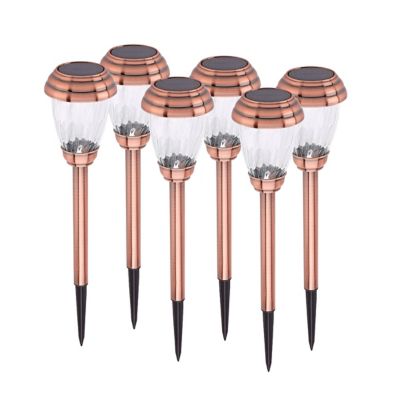
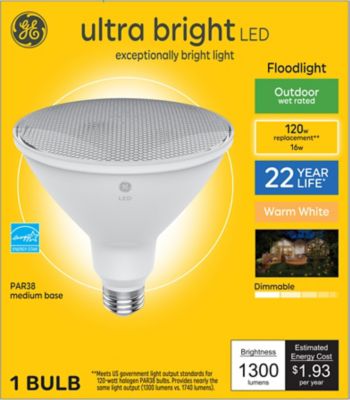
Smart lights are connected bulbs and lighting fixtures that let you adjust lighting through a phone app, a compatible voice assistant, or a smart-home control system. Depending on the design, they connect directly to Wi-Fi, communicate through a separate hub, or work with another supported wireless connection. That puts everyday lighting within easy reach, whether you’re brightening the kitchen before supper, lowering a bedside lamp, or turning on a mudroom light before coming through the door with your hands full. The category includes smart light bulbs for existing sockets, fixtures with built-in LEDs, and light strips for shelves, cabinets, and other places where a regular lamp won’t fit. Some offer dimmable white light, some let you change from warm to cool white, and others add a range of colors. Warm white gives a living room or bedroom a softer feel, while a cooler white setting can suit a workbench, laundry area, or spot where small details matter. Brightness is measured in lumens, so that number tells you more about light output than wattage alone. A reading lamp needs a different amount of light than an overhead fixture lighting an entire room, and shaded fixtures can change how much light reaches the space. Connection requirements matter just as much as light output. Many Wi-Fi smart bulbs require a 2.4 GHz network, while hub-based lighting needs a compatible bridge or controller. Support for a shared smart-home standard, such as Matter, can help compatible devices work together, but the light, controller, and desired features still need to match. App control, voice commands, color changes, and remote access aren’t standard on every light. A clear look at those capabilities helps match the lighting to the household rather than adding features nobody will bother with. For a busy home, the most useful setup is often one that handles a few familiar jobs without making a simple light switch feel complicated.
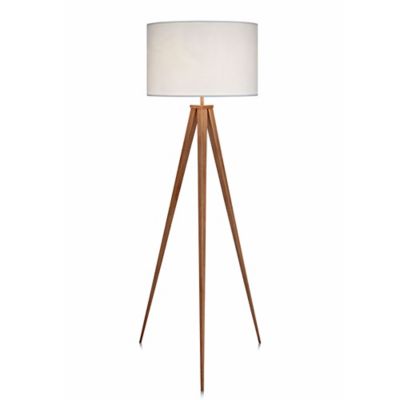
Physical fit is another part of getting smart lighting settled into a home, shop, or outbuilding. Smart bulbs need the correct base, shape, electrical rating, and clearance for the fixture. A bulb may fit the socket but still sit too high under a shade or leave too little room inside a ceiling fixture. Enclosed fixtures also need bulbs rated for that application, since trapped heat can shorten the life of lighting components. For a coordinated lamp-and-bulb setup,
White Lamps can provide a neutral look, while the bulb’s dimensions and the lamp’s shade help determine fit and how the light spreads across a table or reading chair. Integrated smart fixtures have their own mounting dimensions and power requirements; with these designs, it’s worth checking whether the light source is replaceable or part of the whole fixture. Materials vary by lighting type. Bulbs may have glass or plastic outer surfaces, fixtures often combine metal housings with plastic or glass diffusers, and light strips typically pair a flexible circuit with a protective covering. Mounting hardware, cord placement, and accessible controls matter in hardworking spaces where shelves, doors, and equipment compete for room. Indoor, damp-location, and wet-location ratings identify different installation needs, and an outdoor location calls for lighting and connections rated for that setting. A distant garage or feed room also needs sufficient wireless coverage; a strong signal inside the house doesn’t guarantee the same connection across the property. Care is generally straightforward: disconnect power before cleaning, let the light cool, and follow the maker’s directions for removing dust from bulbs, housings, and diffusers. Harsh cleaners, blocked ventilation, and unsuitable installation locations can shorten service life. Hardwired fixtures may require a qualified electrician, especially where wiring changes are involved. These practical details help lighting stay easy to live with after the initial setup, not just look right on the day it goes in.
Everyday routines are where smart lighting can earn its place. A schedule can bring on a kitchen light before the household gets moving, while a grouped setting can lower several living-room lights together without a trip to each lamp. In a bedroom, gradual dimming can make the transition to bedtime less abrupt. In a workshop, a saved bright-white setting can bring task lighting back to the same level for sorting hardware or checking a project. Color-changing lights offer another option for a game room or family gathering, but adjustable white light alone may cover everything a household needs. Motion-triggered lighting can be handy near an entry or hallway when the system supports compatible sensors, and remote control can help with checking whether a light was left on after heading out. Remote access usually depends on an internet connection and the system’s app or hub, so it’s different from a local control that works within the home. Most smart bulbs need power at the socket to receive commands; turning off the wall switch generally takes away their connected functions. Conventional dimmer switches aren’t always compatible either, which makes the fixture’s existing controls an important consideration. Settings for power interruptions also vary: some lights return to their previous state, while others come on at a default brightness. Shared household access, straightforward app controls, and a practical manual option can keep everyone comfortable with the setup, including visitors who just need to turn on a lamp. LED smart lights generally draw less electricity than incandescent bulbs with similar light output, though connected features may consume a small amount of standby power. Scheduling and dimming can reduce unnecessary lighting without leaving useful spaces dark. Smart lights can also make a thoughtful housewarming gift for someone who already enjoys connected-home tools, provided they fit that person’s fixtures and control system. Whether the goal is fewer trips across the room, better task lighting, or an easier evening routine, the right combination of fit, light output, and controls keeps the focus on a home that works well day to day.