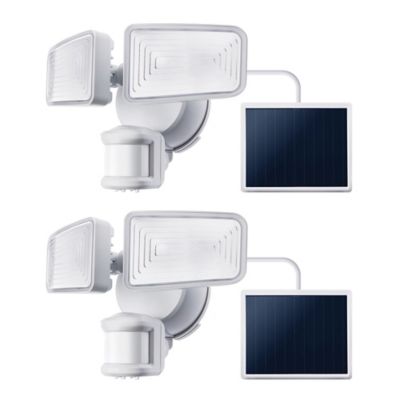
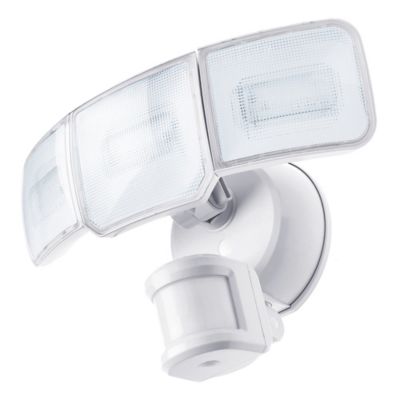
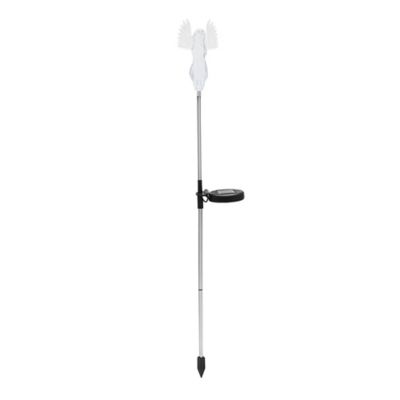
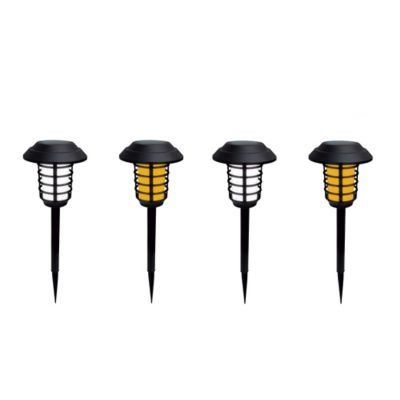
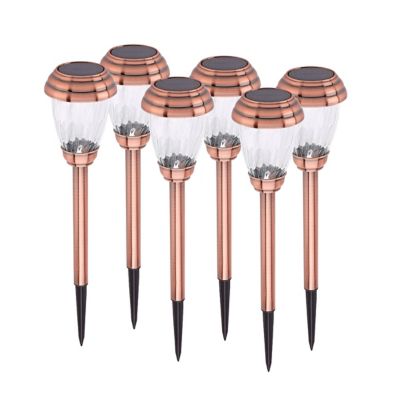
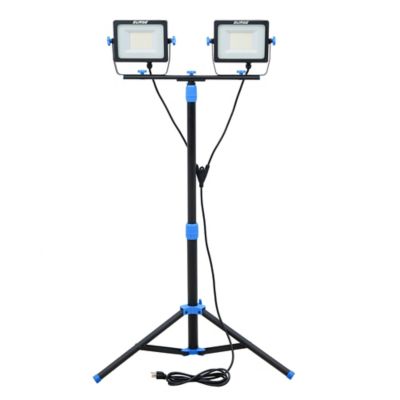
Outdoor lights brighten the places people walk, work and gather after dark, from the front steps to the stretch between the house and the barn. The right lighting gives an entry a welcoming glow, makes a gate latch easier to find and helps reveal uneven footing along a walkway. Different fixture styles serve different jobs. Pathway lights cast a lower pool of light along sidewalks, garden edges and short routes across the yard. Floodlights cover broader areas beside garages, equipment sheds and driveways, while spotlights direct a narrower beam toward a sign, a landscape feature or a particular work area. Porch fixtures bring light closer to the door, where finding keys, reading an address or greeting company calls for visibility without a harsh glare.
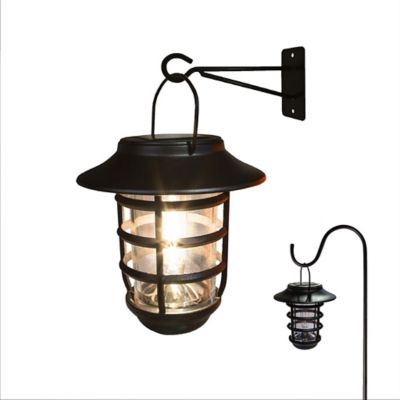
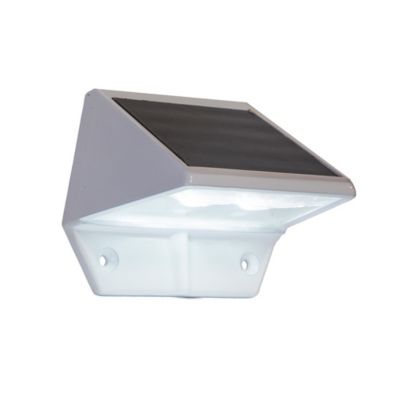
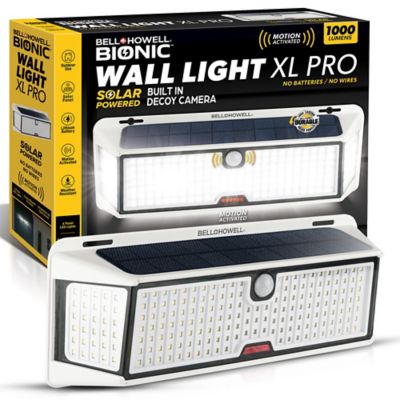
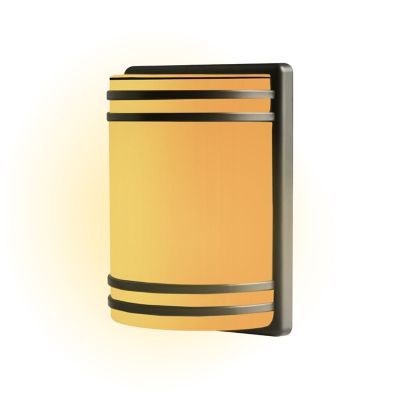
Outdoor Wall Lights suit entryways, garage walls and other mounting spots where a fixture can stay out of the walking path. Their proportions matter as much as their appearance: a small fixture can look lost beside a wide garage door, while an oversized housing may crowd a narrow porch post. Clearance around door swings, trim, shutters and nearby hardware helps determine a comfortable fit. Lantern shapes, simple cylindrical housings and broad shades each bring a different look, with finishes that can coordinate with door handles, siding or fence hardware. Metal housings may include aluminum or steel, while some fixtures feature molded polymer bodies. Glass lenses offer a clear view of the lamp, and frosted covers soften its appearance. Construction details such as sealed compartments, protected wiring connections and corrosion-resistant finishes matter for fixtures that stay outside. A fixture’s location rating is essential, too. Wet-location ratings apply where direct water exposure is expected; damp-location ratings suit protected areas with moisture but no direct water contact. The rating should match the actual mounting spot, not simply the fact that the fixture sits beneath a roof.
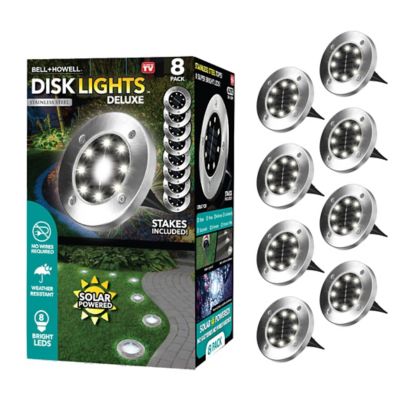
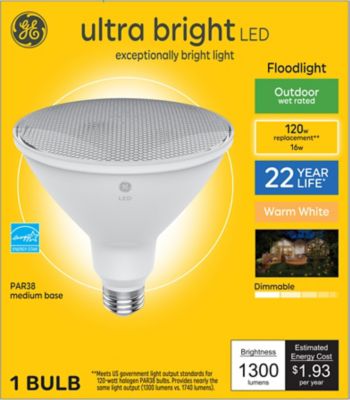
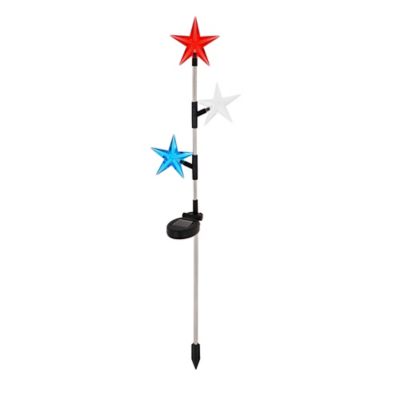
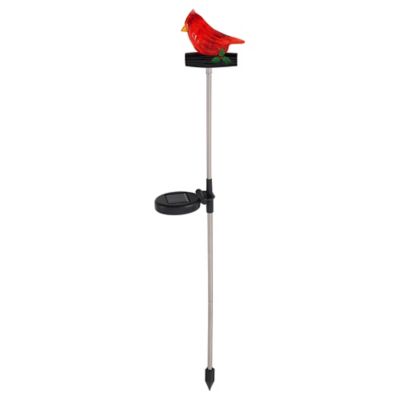
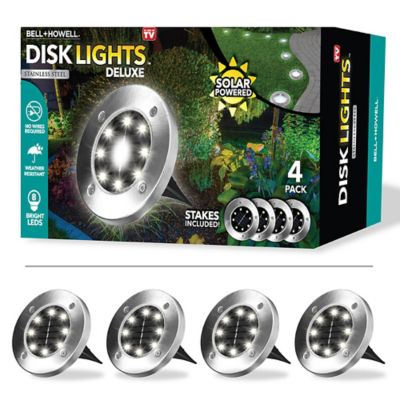
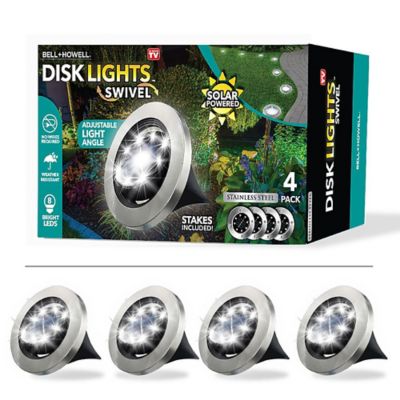
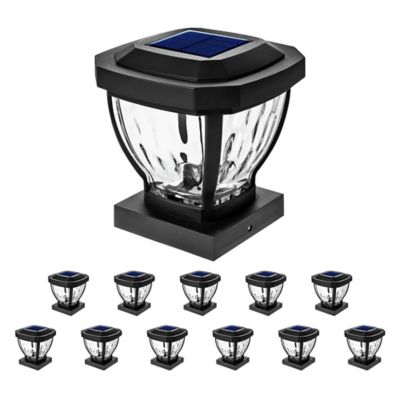
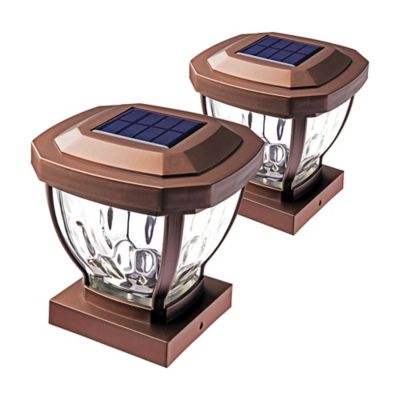
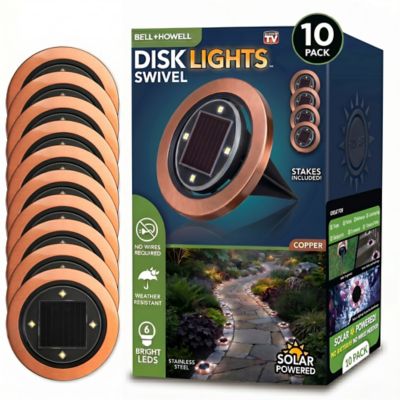
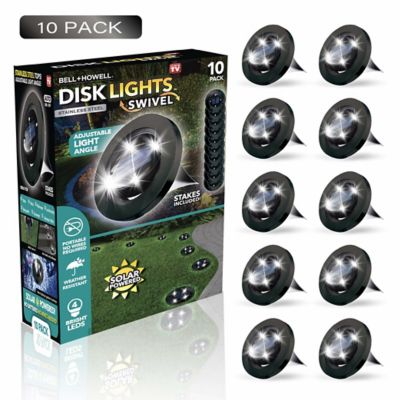
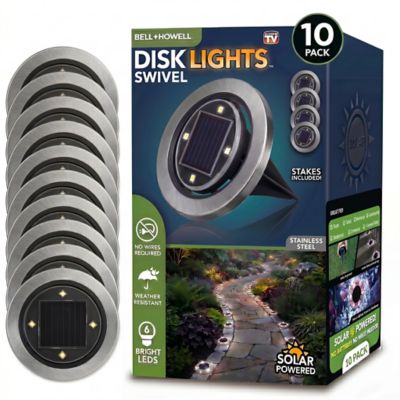
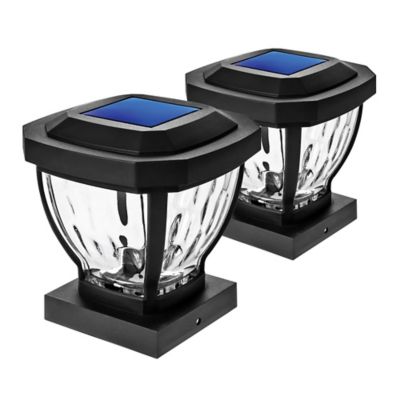
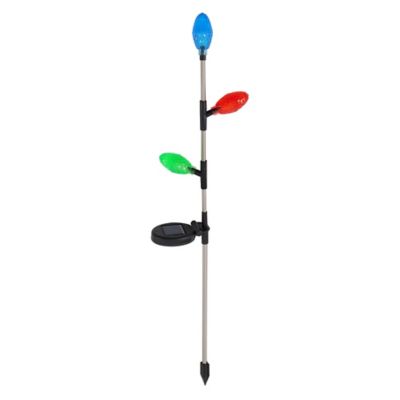
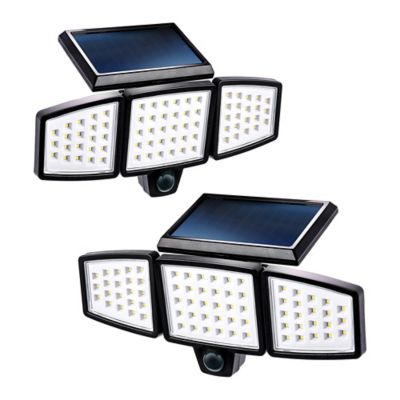
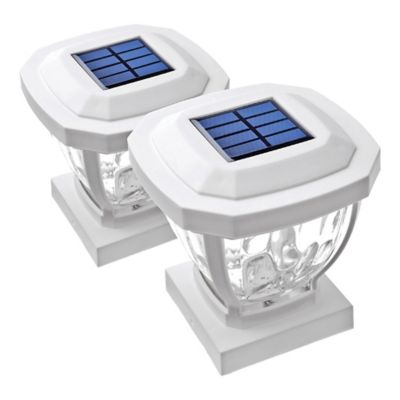
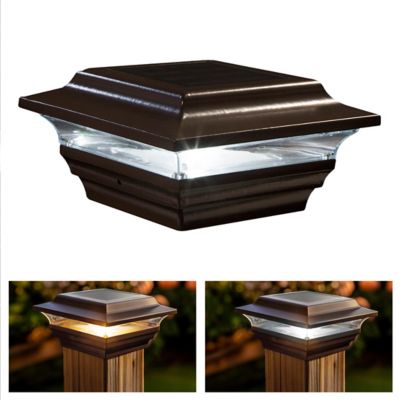
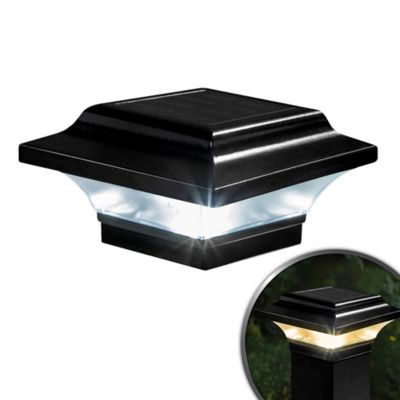
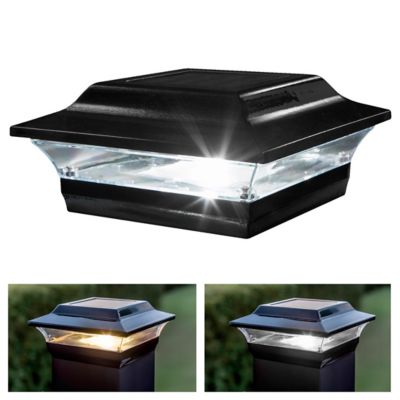
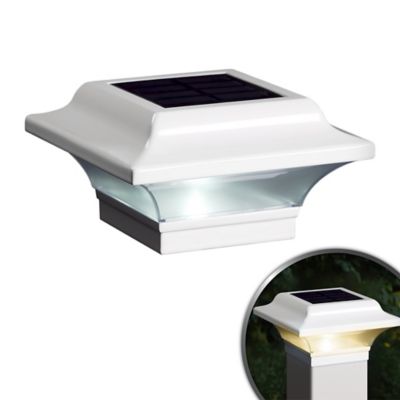
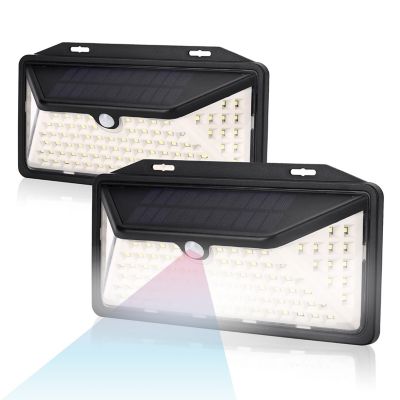
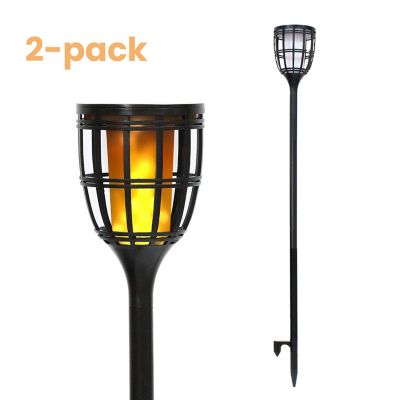
Power source and light output help separate outdoor lighting options that look similar at first glance. Solar outdoor lights collect energy through a panel and store it in a rechargeable battery, making them a practical choice along paths or landscape borders where an electrical connection is not close by. Their performance depends on the amount of direct sunlight reaching the panel, the battery’s condition and the fixture’s operating settings. A sunny patch beside the driveway may support solar lighting better than a shaded corner beneath a deep porch roof. Plug-in lights draw power from a suitable receptacle and work well where an outlet is within reach, while hardwired fixtures connect to the building’s electrical system for a more permanent installation. Low-voltage landscape lighting typically runs through a compatible transformer, with cable connecting fixtures across the planned layout. Battery-powered options offer another way to light smaller areas, though access for battery changes remains part of the fit. Brightness is measured in lumens; wattage describes power consumption rather than brightness alone. A broad driveway generally calls for a different light pattern than a porch chair or a short set of steps, so beam spread and fixture placement matter alongside the lumen rating. Color temperature, measured in kelvins, describes whether the light looks warmer or cooler. Lower values tend toward a warm, yellowish appearance, while higher values look whiter or bluer. Matching nearby fixtures can help the space feel consistent rather than patchy. Controls add another layer of convenience. Motion sensors switch lights on when they detect movement within their coverage area, and dusk-to-dawn sensors respond to surrounding light levels. Timers follow a set schedule, while connected controls may offer app access when the fixture, network and control system are compatible. Adjustable settings can help keep a light from reacting to every passing vehicle or shining longer than needed after someone reaches the door.
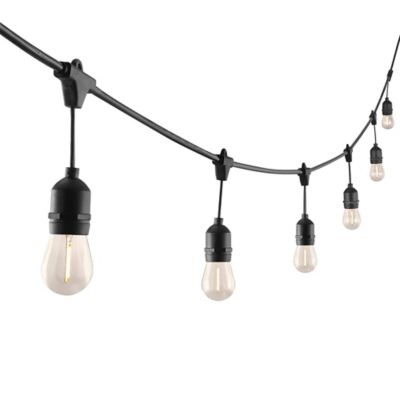
Patio lights and outdoor string lights bring a softer feel to spaces meant for sitting, talking and sharing a meal. A line of lights above a picnic table can define the gathering spot without flooding the whole yard, while a shaded porch fixture keeps the steps visible during an evening visit. Bulb spacing, strand length and the distance to a power connection all affect how a run fits across a porch, pergola or seating area. Glass and shatter-resistant plastic bulbs offer different looks and handling considerations, especially where a strand hangs near equipment or an active gathering space. Support points and attachment hardware need to suit the fixture and mounting surface; electrical cords should not carry more tension than the manufacturer allows. For connected strands, the stated connection limit matters more than how many sections will physically plug together. Outdoor-rated cords, compatible controls and suitable receptacles belong in the same plan, with cables kept clear of walking routes, mower paths and gate openings. Around a barn or workshop, lighting works best when it reaches the task without shining straight into a person’s eyes. A beam aimed at the ground near a gate can make the latch and approach easier to see, while shielding helps keep light out of neighboring windows and away from the road. Routine care is usually straightforward: disconnect power before cleaning, wipe accessible lenses as directed and check mounting hardware for looseness. Solar panels also need a clear surface so dirt and leaves do not block incoming light. Replaceable lamps should match the fixture’s stated bulb type, base and wattage limit, while integrated LED fixtures have different service requirements. Hardwired connections are a job for a licensed electrician working to local electrical requirements. Whether the setting is a front stoop, a fenced yard or the walk back from the shed, well-matched outdoor lighting puts useful light where everyday life carries on after sundown.