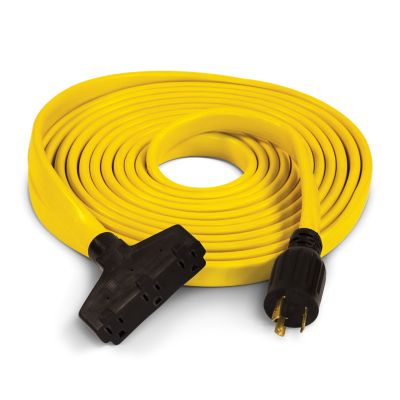
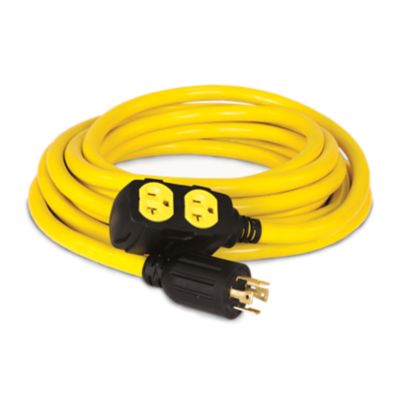
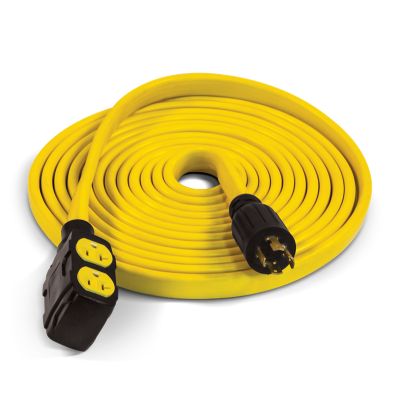
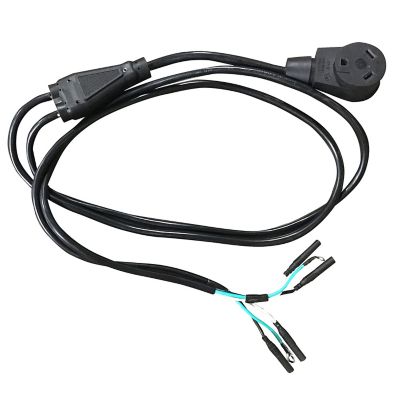
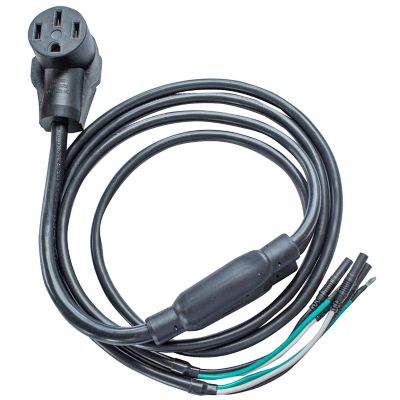
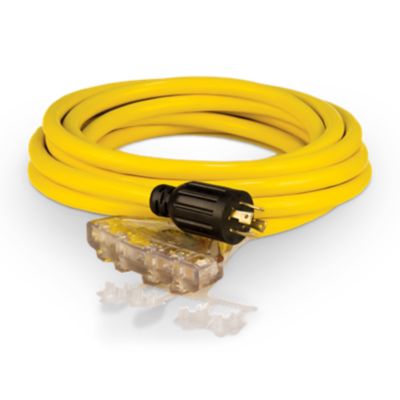
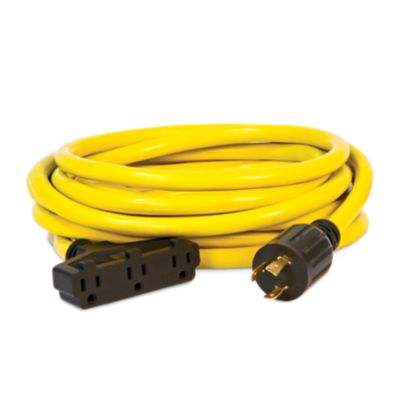
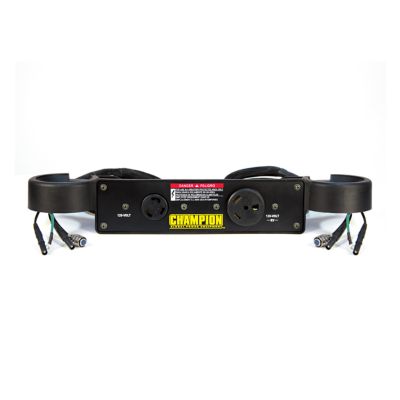
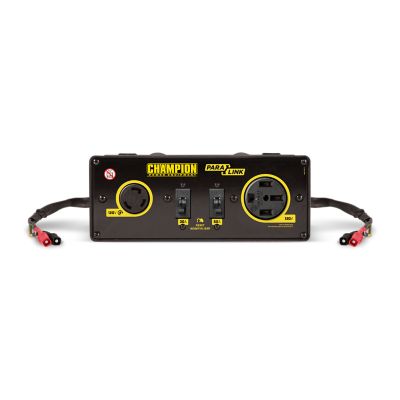
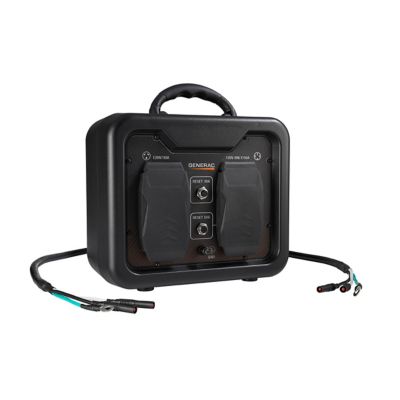
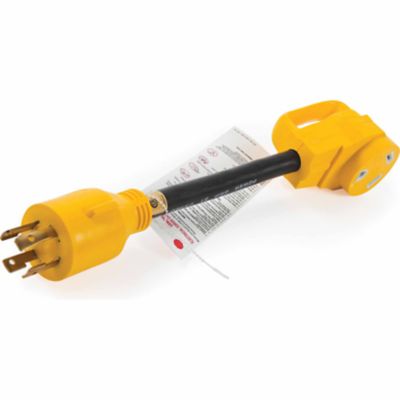
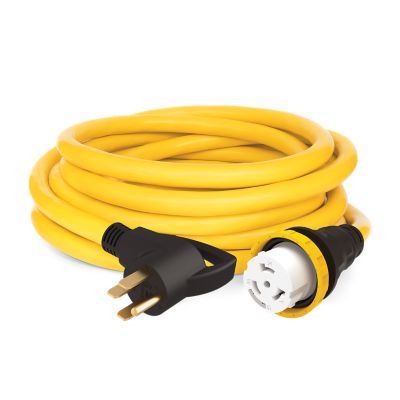
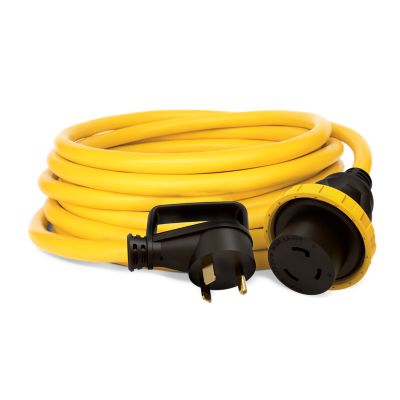
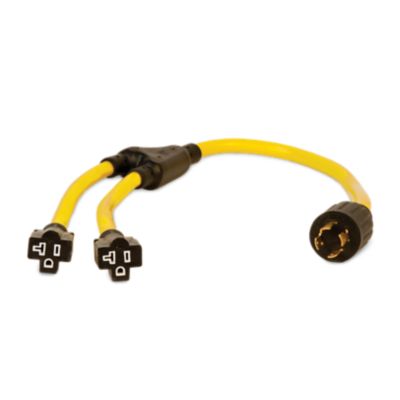
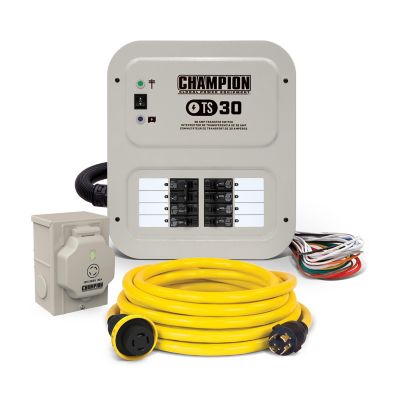
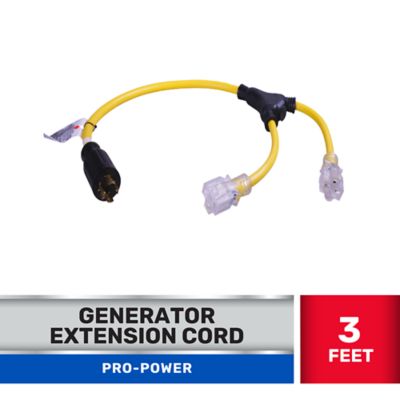
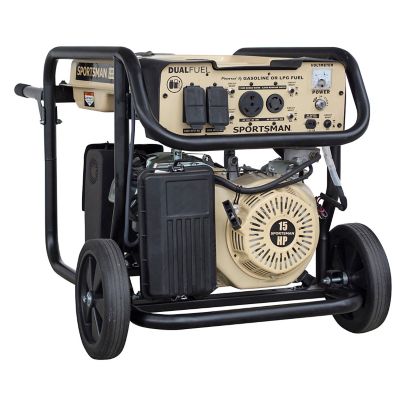
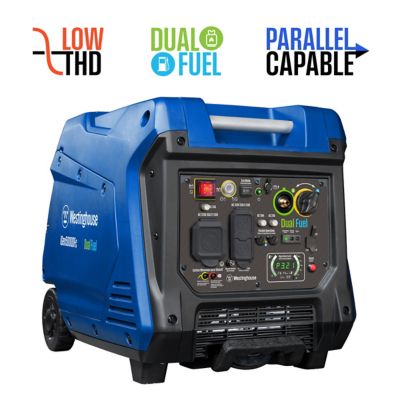
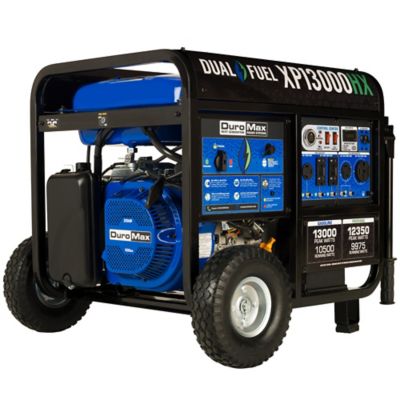
Power cables for generators help turn backup power into usable power for a home, barn, workshop, campsite, or jobsite. The right cord connects a portable generator to the equipment you need to run, whether that means a transfer switch, power inlet box, RV connection, or individual appliance. During a storm, outage, or long day working away from the house, a dependable cable can make the difference between having power close at hand and trying to make do with undersized cords. Start by checking the generator’s wattage, voltage, outlet style, and amperage before choosing a cable. A cord’s plug and receptacle ends need to match the generator and the connection point exactly. A 30-amp, four-prong connection is commonly used with dual-voltage generators and may support up to about 7,500 watts, while a 50-amp, four-prong connection is suited to larger generators and may handle up to roughly 12,500 watts when the generator and setup are rated for it. Those numbers are general guidelines, not a substitute for the owner’s manual or the ratings printed on your equipment. Never force a plug into a receptacle, use an adapter to get around a mismatch, or connect a 30-amp cord to a 50-amp outlet without confirming that every part of the setup is compatible. For smaller 120-volt loads, an outdoor-rated extension cord may be the better choice, but it still needs to be sized for the appliance’s amperage and the length of the run. A long, light-duty cord can lose voltage and heat up under load, especially when it is feeding a refrigerator, sump pump, freezer, space heater, or power tool. If you are shopping for a setup to pair with
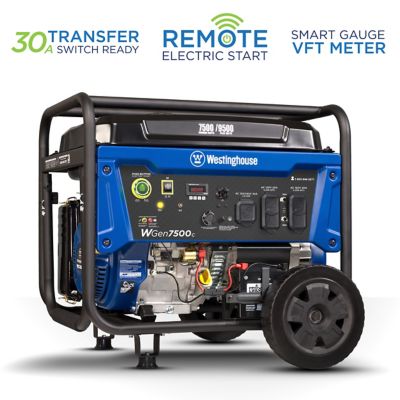
120V Generators, pay close attention to the generator outlet, the appliance plug, and the total running and starting watts involved.
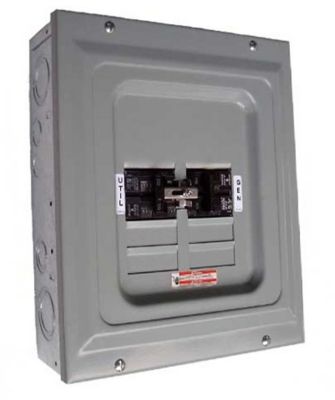
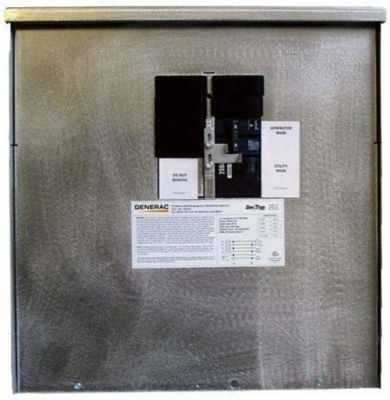
A few minutes of planning will help keep generator power safer and more dependable. Portable generators should always operate outdoors in a well-ventilated area, at least 20 feet away from the house and away from doors, windows, crawl spaces, and other openings where carbon monoxide could collect. Keep the generator on a stable, dry surface, protect it from rain and standing water, and route cables where people, pets, livestock, vehicles, and lawn equipment will not catch or crush them. Do not run a cord through a doorway or window, and do not connect a generator directly to a household wall outlet, since backfeeding can endanger utility workers and damage the electrical system. A properly installed transfer switch or power inlet box is the right way to connect generator power to selected circuits in a home; that work should be handled by a qualified electrician. Before each use, look over the entire cable from end to end. Check the outer jacket for cuts, flattened spots, burns, stiffness, or exposed wire, and inspect the plug blades and grounding pin for bending, corrosion, or looseness. Make sure twist-lock connections are fully seated and locked, and keep connection points off damp ground. Uncoil the cable completely before putting a heavy load on it, because tightly bundled cords can hold in heat. It is also smart to label cords by length and amperage, then store them clean and loosely coiled in a dry place once the generator is shut down and cool. The same routine works well whether you are preparing for cooler weather, keeping a well pump ready for an outage, or hauling equipment out to a remote stretch of pasture.
These cables are useful for homeowners, farmers, ranchers, campers, contractors, and anyone who keeps a generator ready for work or emergencies. A homeowner may use one to power a refrigerator, lights, communications equipment, or a sump pump during an outage. Around the farm, a properly rated cord can help run essential equipment at a safe distance from the house, though motors and heating appliances require extra attention because their startup demand can be much higher than their running wattage. At a campsite, tailgate, food stand, or outdoor gathering, an outdoor-rated cable keeps power organized without relying on a tangle of indoor cords. On a jobsite, the right length helps place the generator where exhaust and noise are less troublesome while still reaching the tools that need it. Power cables can also make a practical gift for someone moving to a rural property, building a workshop, maintaining a camper, or putting together an emergency power kit. Choose based on the recipient’s generator and outlet specifications rather than guessing from appearance; a cord that fits one machine may not be safe or useful with another. Look for a heavy-duty construction suited to the intended load, weather-resistant materials for outdoor use, clearly marked amperage and voltage ratings, and enough length to keep the generator positioned safely without leaving excessive slack underfoot. Having the correct cable stored alongside fuel approved for the generator, a flashlight, and basic maintenance supplies means less scrambling when the lights go out or a project takes you beyond the reach of a permanent outlet. With the proper match and careful handling, power cables for generators provide a straightforward way to move electricity where it is needed while helping protect your equipment, your property, and the people working nearby.