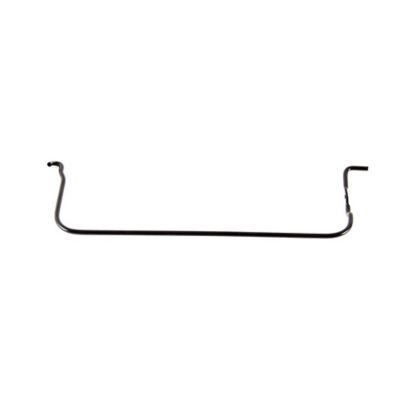
Murray lawn mower parts include replacement components for a mower’s cutting deck, drive system, controls and engine maintenance needs. Depending on the machine, those components may include blades, belts, pulleys, spindles, cables, wheels, filters and spark plugs. Each has a different job, from transferring power to the cutting deck to keeping dirt out of the engine. For homeowners tending a fenced backyard, folks mowing around outbuildings or property owners maintaining a longer stretch beside the driveway, the right replacement starts with fit—not just a familiar shape. Walk-behind mowers and riding mowers have different layouts, and machines with similar deck widths can still require different parts. The mower’s full model number, the engine’s identification information and the part number listed in the owner’s manual provide a stronger starting point than appearance alone. Engine service components often need to match the engine specifications, while deck and chassis components need to match the mower itself. Even within one mower line, production changes can affect mounting points, cable connections or belt routing. A replacement description that names the correct model or references the specified part number helps narrow those differences. Measurements can support that match, but a blade’s length or a belt’s outside circumference does not tell the whole story. Hole shape, offset, width, thickness and connection style may matter just as much. Replacement hardware also needs the specified thread size, strength and fastening arrangement. A bolt that threads into place is not necessarily suitable for a rotating assembly. Keeping the mower’s identification information alongside its maintenance records makes repeat purchases simpler, especially when more than one machine handles chores around the property. These details help separate a component that merely looks close from one intended to work with the mower’s existing setup, without unnecessary changes to brackets, guards or connections.
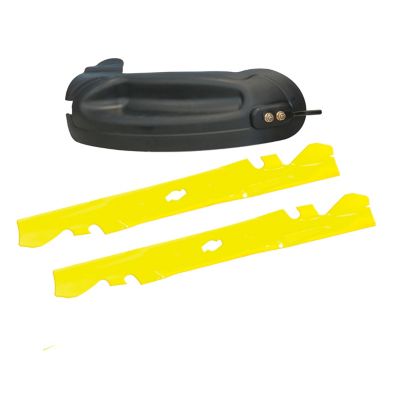
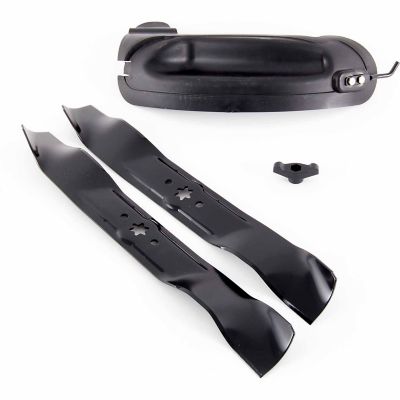
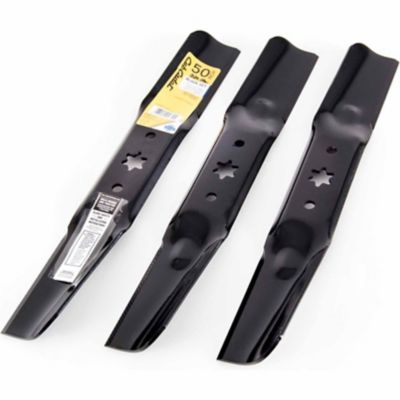
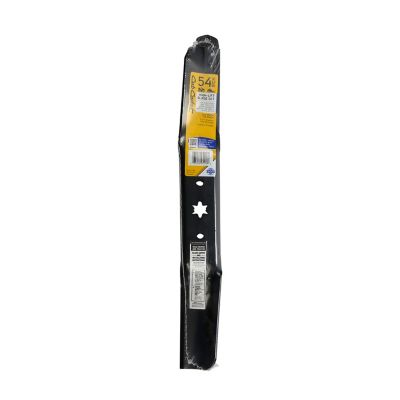
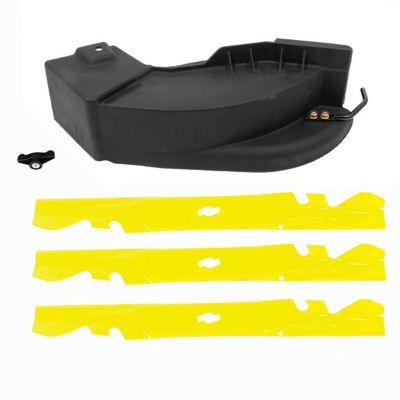
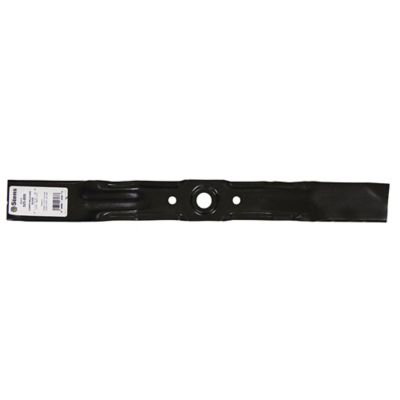
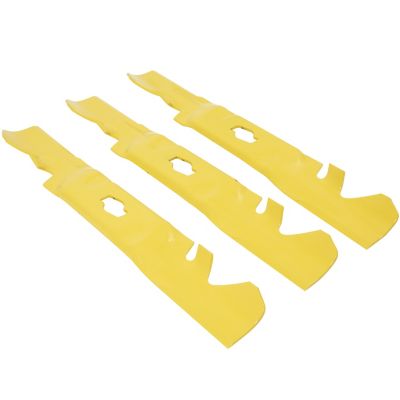
Cutting-deck components take on some of the hardest work beneath a mower, where moving grass, dust and small debris meet fast-spinning steel. Blade selection affects more than the length of the cut. A blade’s profile and lift characteristics influence how grass moves through the deck, whether the mower is set up to discharge clippings, collect them or recut them for mulching. Those functions depend on the complete deck configuration, including the correct covers, chutes and other required components; swapping a blade alone does not necessarily change the mower’s intended operation. Browse
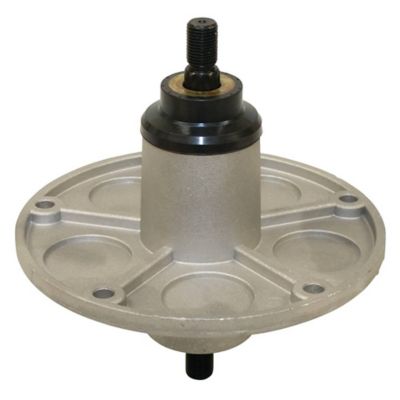
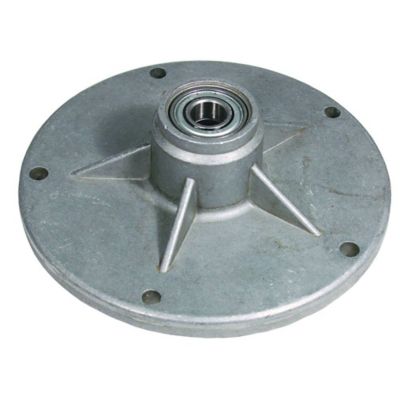
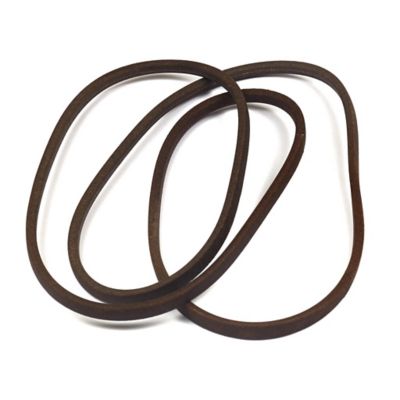
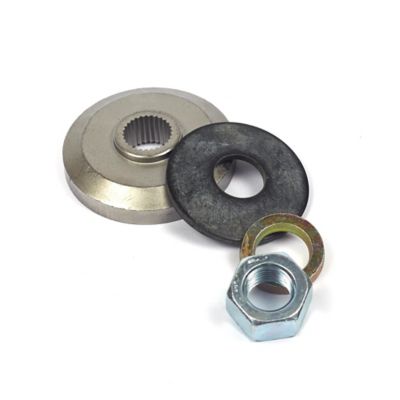
Murray Mowers Blades for a closer look at this part of the cutting system. Matching blade length, center-hole design, mounting arrangement and orientation helps protect clearance within the deck. On a deck with multiple blades, the specified combination matters across the entire cutting width. Steel blades need an edge that cuts cleanly, but edge condition is only one consideration. Bends, cracks, excessive thinning and damaged mounting holes can make replacement more appropriate than another sharpening. A mower that leaves ragged grass or an uneven strip may also have issues beyond the blade, such as an unlevel deck, uneven tire pressure or wear in a spindle assembly. Spindles support blade rotation, while pulleys and belts transfer power through the deck system. Belt construction, cross section and specified length all affect how a belt sits in its pulley grooves and follows its intended route. A belt that seems close in size may still slip, rub or fail to engage properly. Likewise, a pulley with the wrong diameter or groove profile can interfere with operation. Grass packed around the deck and spindle areas can hide wear and restrict movement, so accessible surfaces and routine cleaning matter over the life of these components. For a yard with tight turns around fence corners or broad passes across open ground, a properly matched cutting system helps the mower do its job without forcing one component to compensate for another.
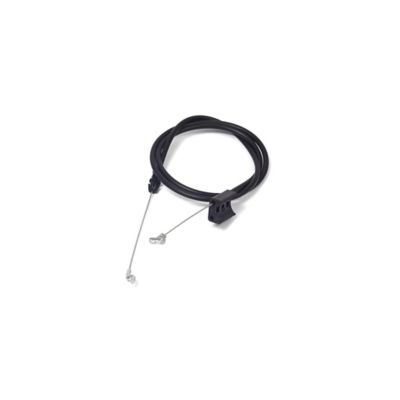
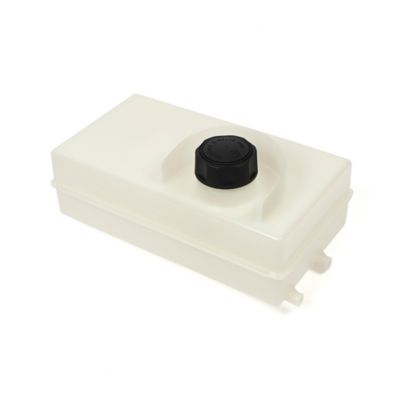
Engine maintenance parts, controls and running gear round out the everyday needs behind Murray lawn mower parts. Air filters help limit the dirt entering an engine, and their dimensions, sealing surfaces and filter material must suit the specified housing. Depending on the engine design, filtration may involve paper, foam or a combination, with different care requirements for each. A filter that sits loosely or prevents the cover from closing correctly is not a sound match, even if its overall shape looks familiar. Spark plugs also require more than a matching thread: the specified reach, heat range and gap belong to the engine’s requirements. Fuel-system components need compatibility with the fuel and connections specified for that machine, and replacement hose needs the correct diameter and routing rather than a stretched fit over a fitting. Beyond the engine, a worn control cable can affect how a handle, engagement lever or drive control responds. Cable length, housing length, end fittings and attachment points all influence proper movement. Safety-related controls need to function as designed, without bypasses or makeshift connections. Wheels, bushings and bearings deserve attention, too, particularly on a walk-behind mower that gets pushed around garden edges, gate openings and uneven patches of ground. Wheel diameter, axle fit and tread design affect how the machine rolls, while certain self-propelled setups also require the correct drive engagement features. Materials matter in each setting: steel components need attention to corrosion and wear, plastic housings need intact tabs and mounting points, and rubber parts need checking for cracking or deformation. Care follows the mower and engine manuals, including lubrication points, cleaning methods and replacement intervals. Maintenance also calls for an engine that is off, moving parts that have stopped and the prescribed steps to prevent accidental starting before hands go near cutting or drive components. Keeping replacement parts clean and dry, retaining their labels and recording installation details makes the next round of maintenance less of a guessing game. Together, proper fit and steady care support the mower that handles ordinary chores close to home.