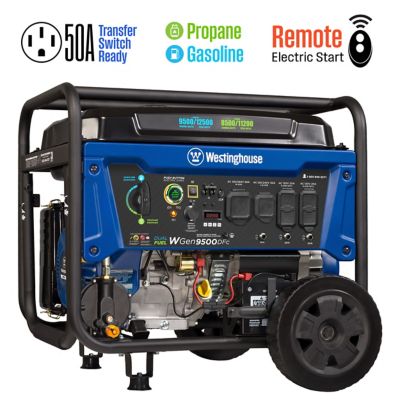
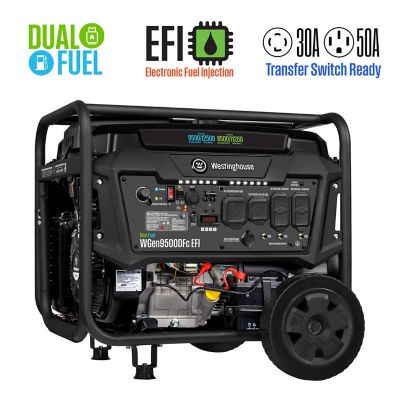
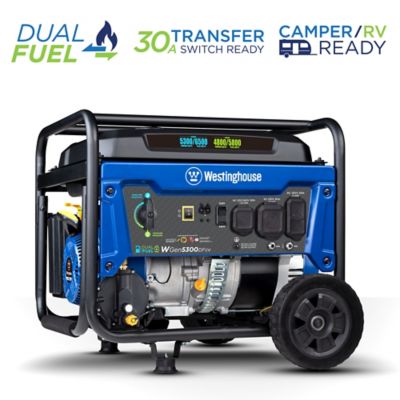
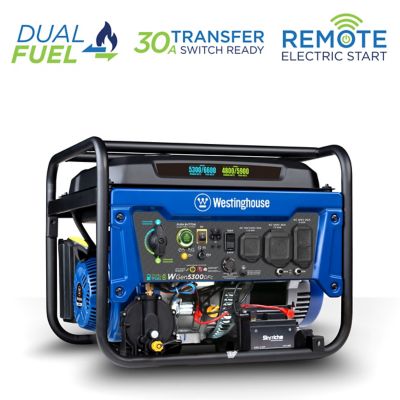
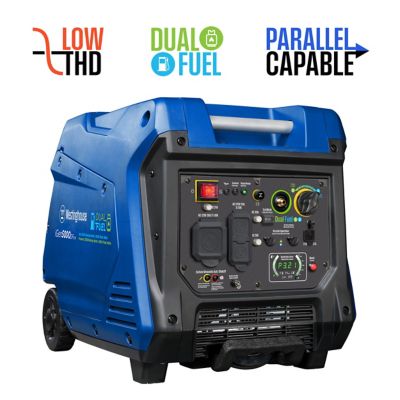
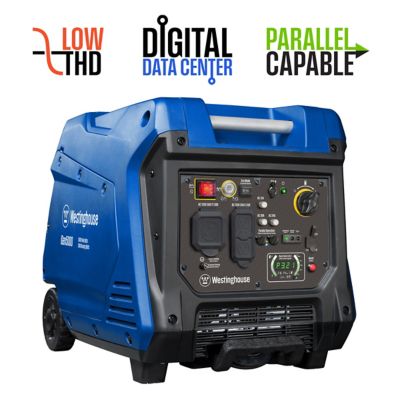
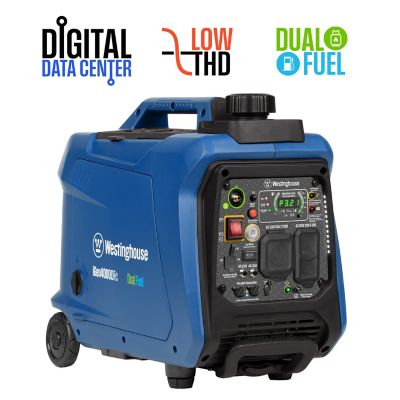
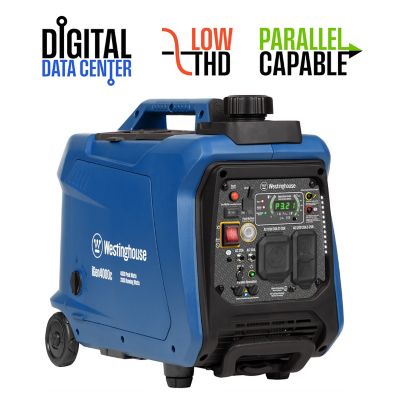
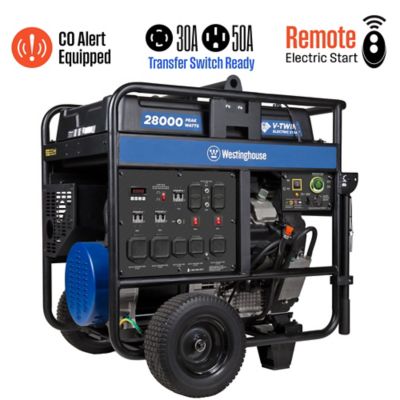
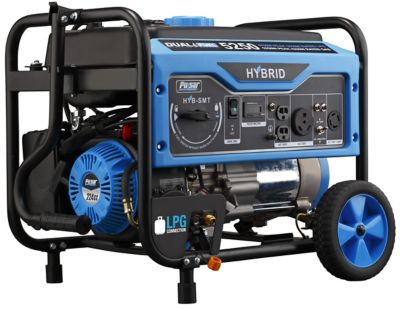
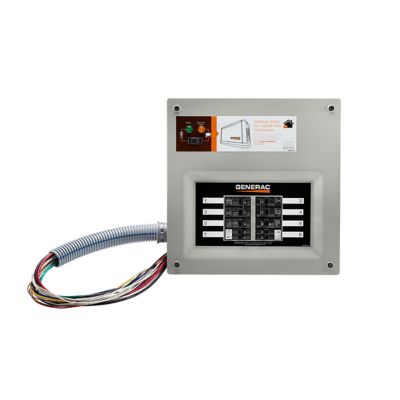
Portable generators with transfer switches bring backup power to selected home or farm circuits when utility service goes out. The generator supplies the electricity, while a properly installed transfer switch isolates those circuits from the utility supply, helping prevent dangerous backfeeding into power lines. That connection can keep hardwired equipment running without a string of extension cords through the house. For a rural household, the essentials might include a well pump, refrigerator, freezer, lights, and the blower for a compatible heating system. For a small farm, keeping water moving and feed-storage areas lit may take priority over powering every room. The right setup starts with the equipment that matters most, not simply the largest wattage number on a generator’s label. Running watts describe the power a generator can supply continuously; starting watts cover the brief extra demand that some motors need when they start. A pump or compressor may need considerably more power at startup than it does once running, so both figures matter when matching a generator to selected circuits. Large electric heating loads, central air equipment, and other high-demand appliances can exceed the capacity of a portable setup. Voltage matters, too: a 240-volt well pump needs a compatible 120/240-volt generator output and a transfer arrangement rated for that load. The generator outlet, connecting cord, power inlet, and transfer switch need compatible voltage, amperage, and connector configurations. A receptacle that looks close is not enough to establish compatibility. Also, a generator described as transfer-switch-ready does not necessarily include the switch, inlet box, or connecting cord. Those components may be separate parts of the overall setup. When comparing the connection side, a
Transfer Switch For Portable Generator helps narrow the focus to circuit capacity, electrical ratings, and the equipment needed between the generator and the home’s electrical system. A qualified electrician can confirm that the full arrangement fits the building’s wiring and local requirements.
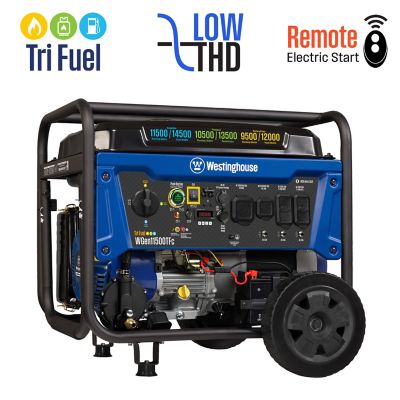
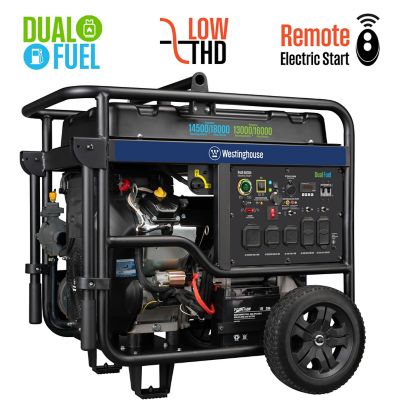
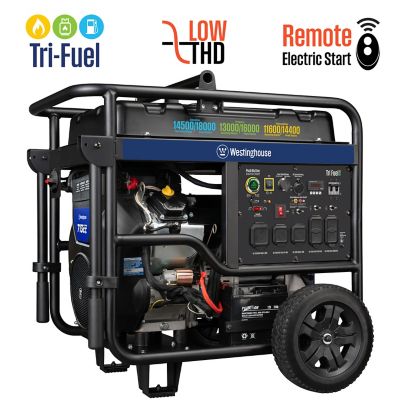
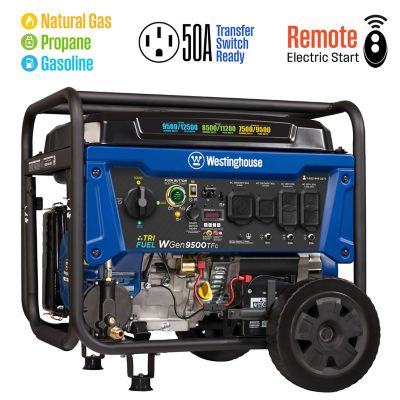
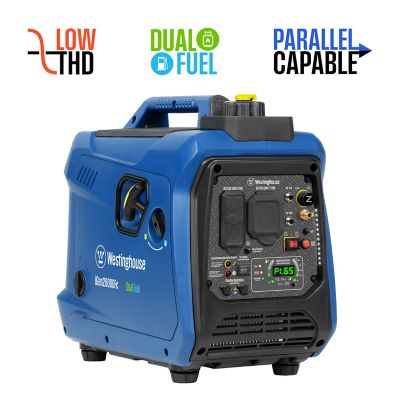
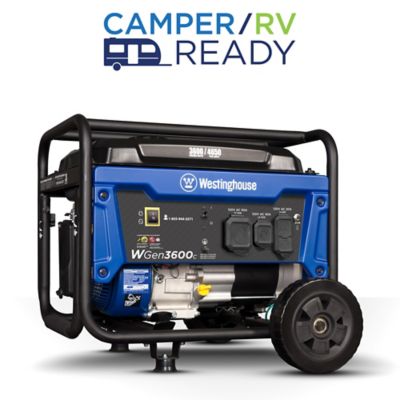
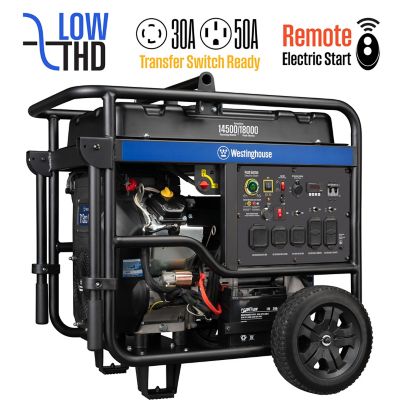
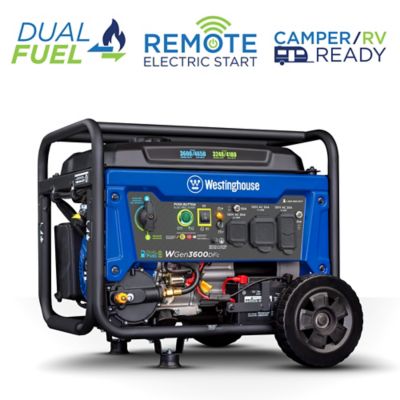
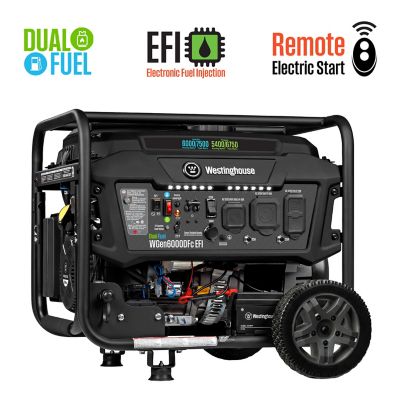
Generator size and construction make a difference long before the first outage. A larger fuel tank can mean longer stretches between refueling, but it also adds weight when full. Published runtime figures usually reflect a stated load, so they are most useful when compared at similar operating levels; running several motor-driven appliances draws fuel faster than powering a few lights. Gasoline, propane, and dual-fuel designs offer different storage and refueling considerations. Dual-fuel equipment can provide flexibility, although output and runtime may change with the fuel selected. Electric start can make starting less of a chore, while recoil backup provides another starting method on models equipped with both. Wheels, lifting handles, and a balanced frame matter when moving a generator across a driveway or out of a storage building. Even with wheels, a large unit can be awkward on gravel or soft ground, and it needs a firm, level operating surface. Steel frames help shield engine components during handling, while protected controls and covered receptacles help keep dirt away during storage and transport. Outdoor inlet enclosures need a rating suited to their installation location, along with covers and fittings that protect the electrical connection as designed. Cord length deserves a close look because the generator must sit safely away from the building, not just beside the inlet for convenience. A properly rated generator cord needs the right connectors and conductor capacity for the setup; ordinary household extension cords are not a substitute for the generator-to-inlet connection. Noise ratings are another useful comparison, especially around neighboring homes or livestock areas, though figures should be compared at the same distance and load. For electronics and control boards, the generator’s published electrical output specifications and the appliance manufacturer’s requirements help establish a suitable match. Inverter designs may offer lower sound levels or cleaner electrical output, but their voltage, capacity, and transfer-switch compatibility still need checking.
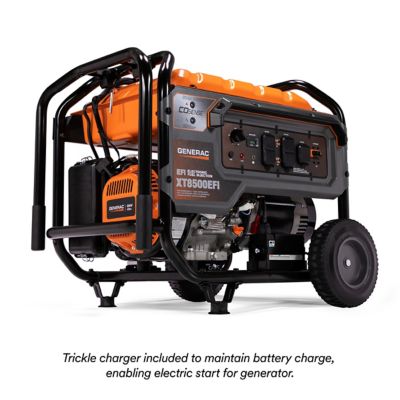
A transfer switch is part of a complete electrical installation, not a shortcut around one. Manual switches require someone to select the generator supply, and many arrangements serve a set group of circuits rather than the entire building. Clear circuit labels make it easier to recognize which lights, outlets, pumps, or appliances belong to the backup system. Load planning still matters after installation: a switch with several circuit positions does not mean every connected appliance can run together within the generator’s limits. The electrician also needs to account for the generator’s neutral configuration, grounding and bonding requirements, protective devices, and the instructions for each component. A generator must never feed a home through a wall receptacle or a cord with exposed male plugs. Fuel-burning portable generators belong outdoors, at least 20 feet from the home, with exhaust directed away from doors, windows, vents, and nearby buildings; follow any greater separation required by the manufacturer. A garage, barn, shed, or enclosed porch is not a safe operating space, even with doors open. Carbon monoxide shutoff features add protection but do not replace safe placement or working carbon monoxide alarms inside the home. Care requirements are worth considering alongside power output and portability. Engine-powered equipment needs oil checks, scheduled oil changes, air-filter attention, and fuel management according to its manual. Electric-start batteries need periodic attention, especially when the generator spends long stretches in storage. Cords, plugs, handles, and wheels benefit from routine inspection, and damaged electrical parts need attention before the next run. Fuel belongs in approved containers, away from living spaces and ignition sources, within local storage rules. Refueling requires the engine to be off and cooled. Keeping the generator, connection equipment, and circuit information organized makes the whole setup easier to manage when the lights go out, whether the priority is a kitchen freezer full of meat, water at the house, or a few essential farm chores.