Generator Transfer Switches
Shop generator transfer switches to help connect backup power to your home, barn, or shop when the power goes out. Compare options based on your generator’s output, your electrical panel, and the circuits you need to power, and work with a qualified electrician to find the right fit.
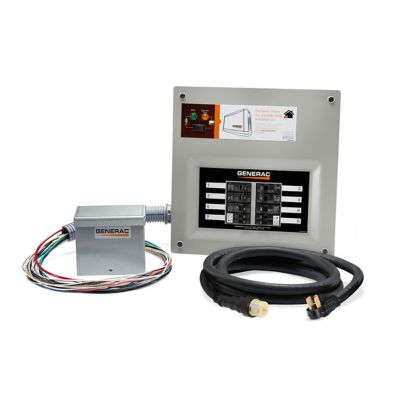
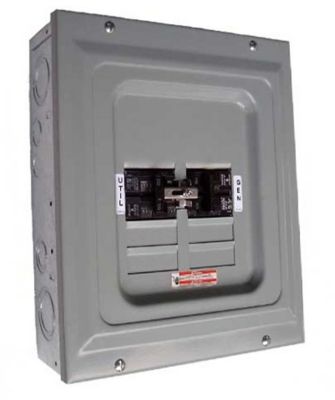
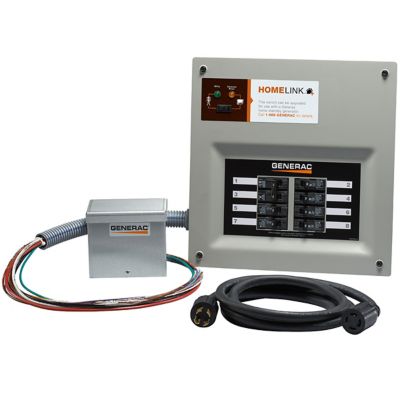
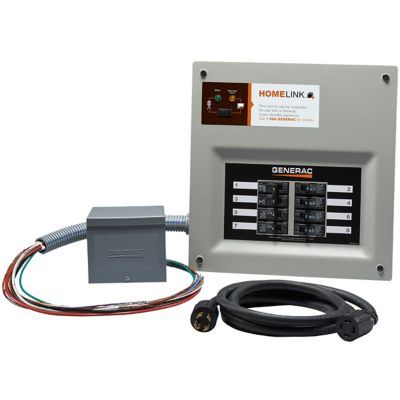
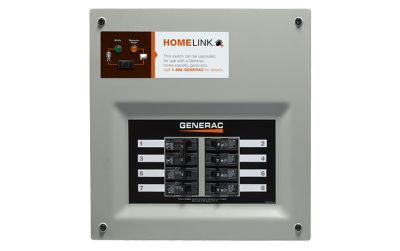
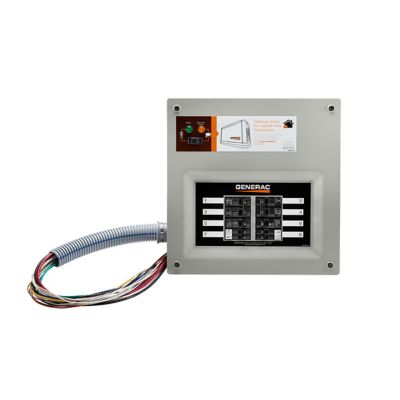
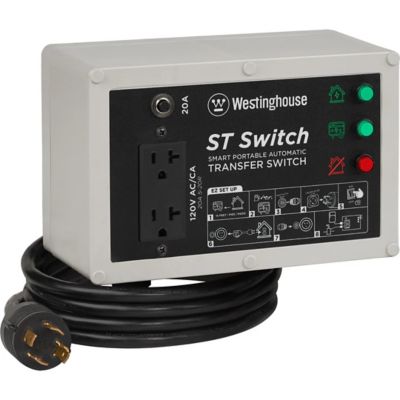
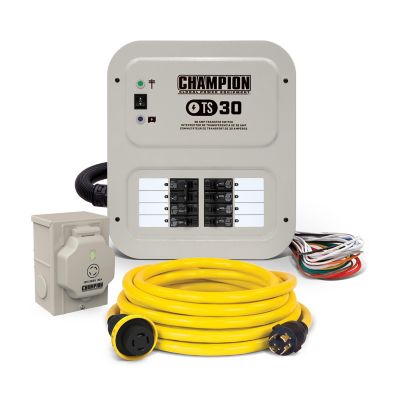
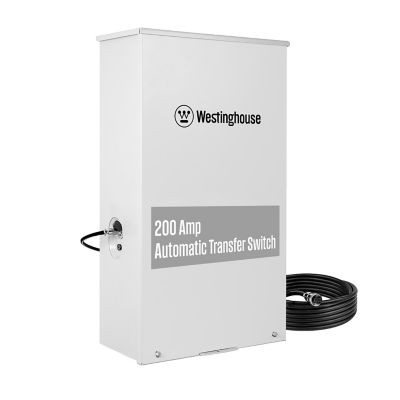
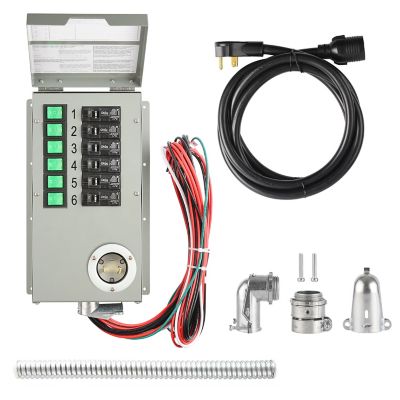
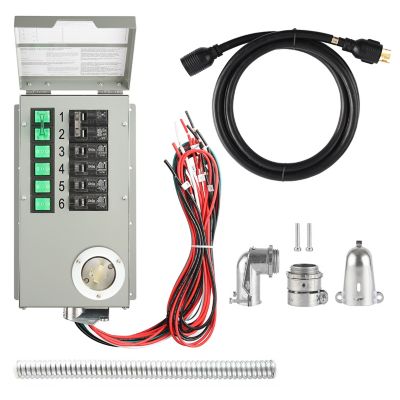
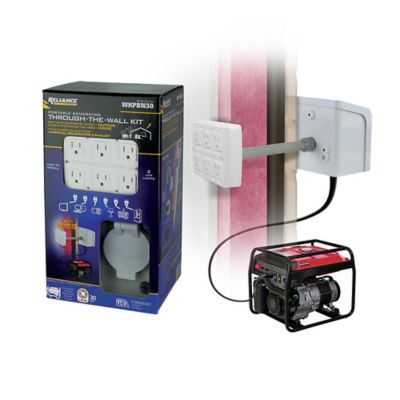
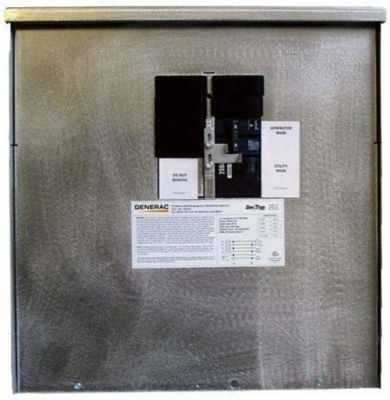
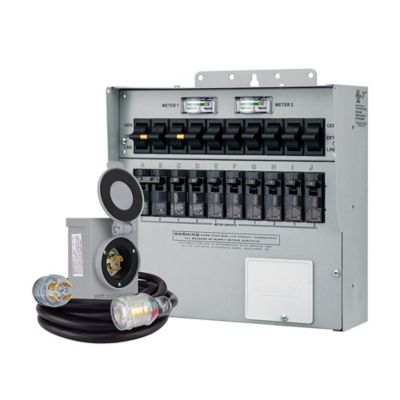
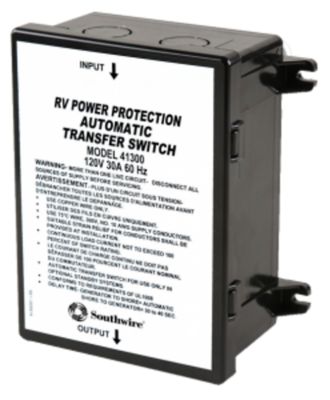
$125
.99
Sale Was $139.99 Save $14.00 (10%)
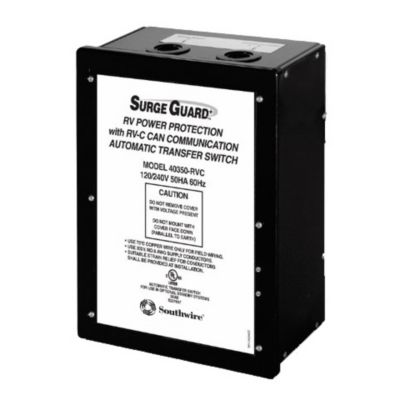
$1,115
.99
Sale Was $1,239.99 Save $124.00 (10%)
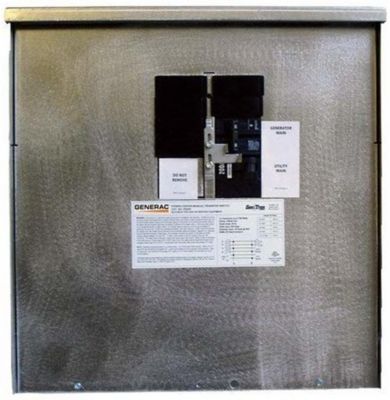
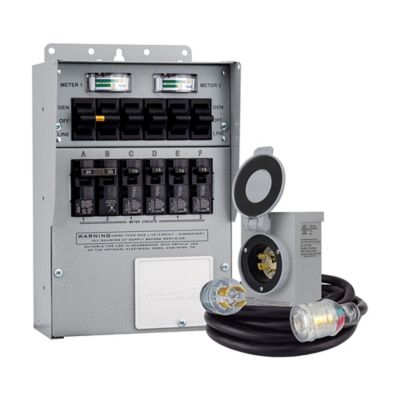
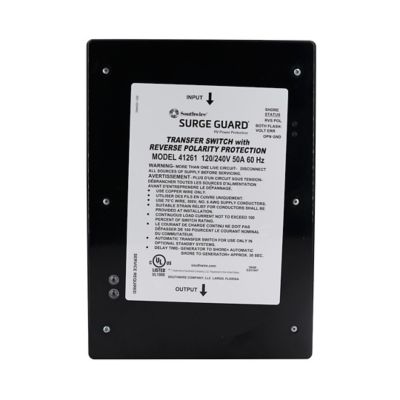
$391
.49
Sale Was $434.99 Save $43.50 (10%)
Best Of FAQ
What is a generator transfer switch?
A generator transfer switch lets a home, barn or other building draw electricity from either utility power or a generator. It provides a way to change between those two power sources when an outage interrupts your day.
What's the difference between manual and automatic generator transfer switches?
A manual transfer switch requires you to change the power source by hand. An automatic transfer switch monitors utility power and changes sources without you operating the switch. With a compatible standby generator, it can also signal the generator to start.
Can transfer switches work with both portable and standby generators?
Transfer switches are available for portable and standby generator setups, but they're not interchangeable across every system. Portable generators commonly pair with manual transfer switches, while standby generators commonly pair with automatic models. Compatibility depends on the generator's electrical specifications and control connections.
How is a generator transfer switch different from a power inlet box?
A power inlet box provides a connection point for a generator cord. A transfer switch selects whether the connected circuits receive electricity from the utility or the generator. The two components serve different roles and may be part of the same portable generator setup.
What happens to a transfer switch when utility power comes back?
An automatic transfer switch typically waits for utility power to stabilize before switching back. In a compatible standby setup, the generator may then run through a cooldown period before shutting down. A manual transfer switch stays in its selected position until someone changes it.
Best Sellers
-
"Installed panel and looks great. Looks like panel was built with great quality"
-
"This is our second generator and both have great features and work seamless when an electrical outage"
-
"would recommend this product and for the price can’t compare to other products this is absolutely the best"
-
"It has all of the bells and whistles needed and the best part for me is the remote start"
-
"Company they completed the job in a timely fashion explained everything to me and now my Unit is running great"