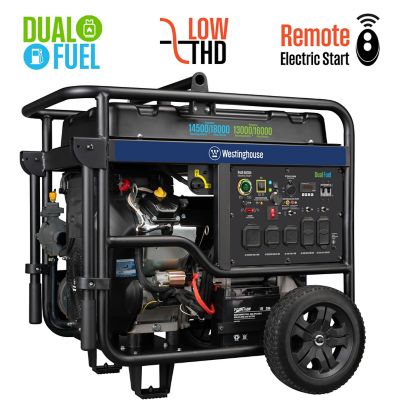
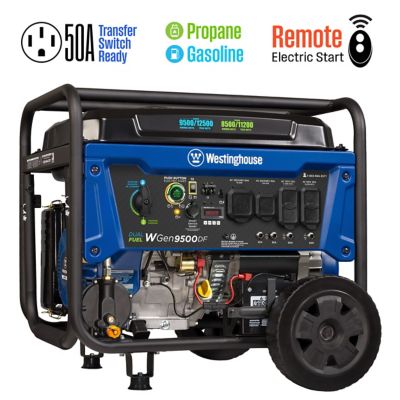
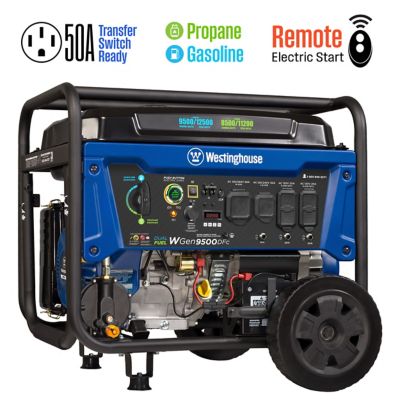
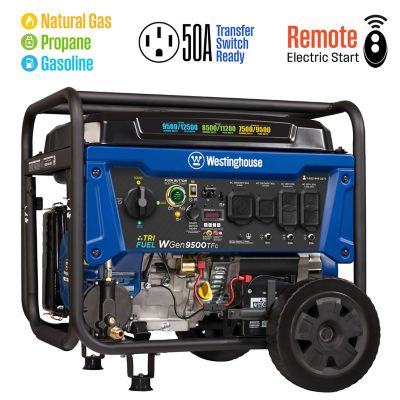
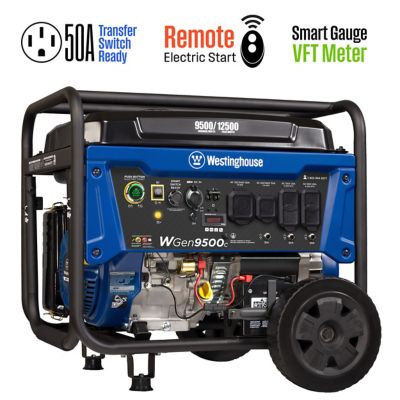
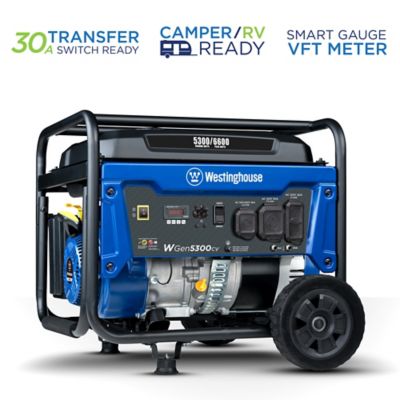
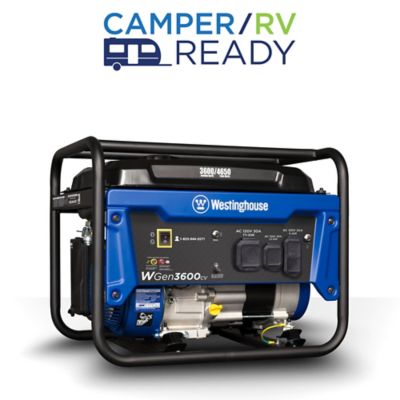
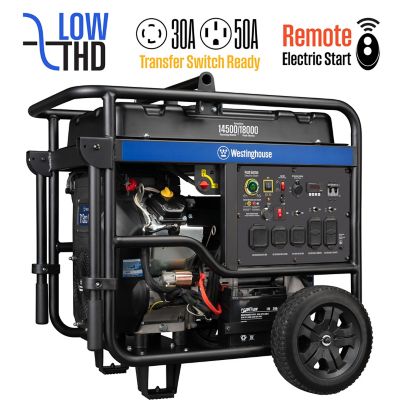
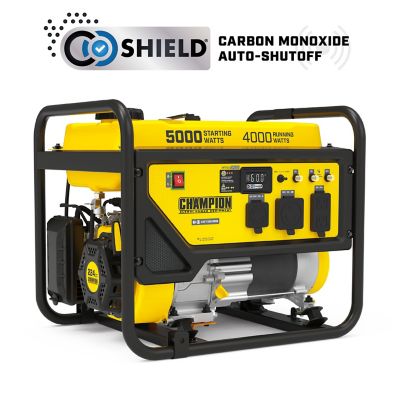
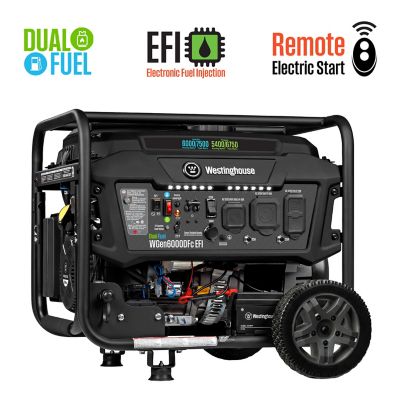
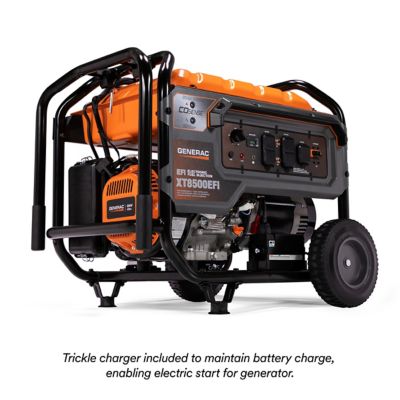
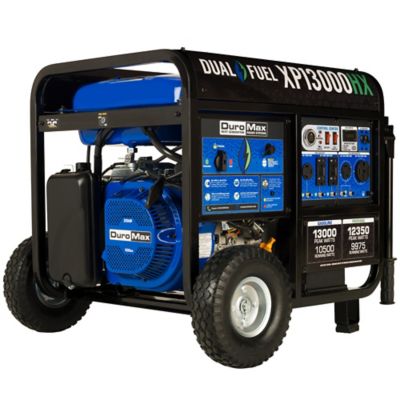
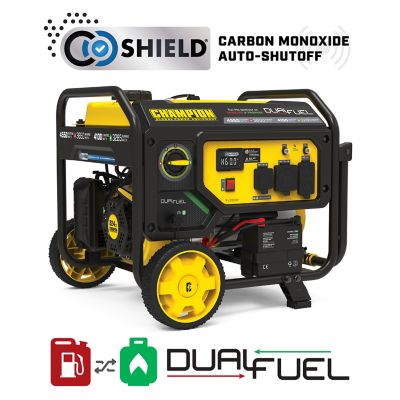
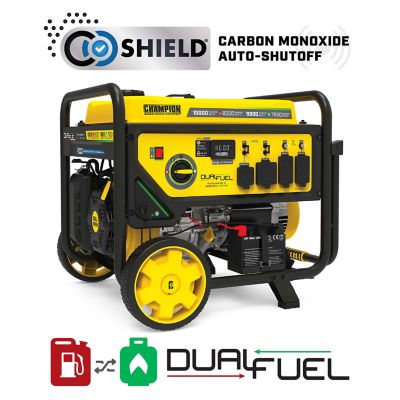
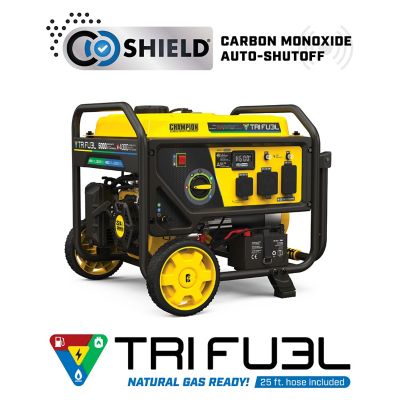
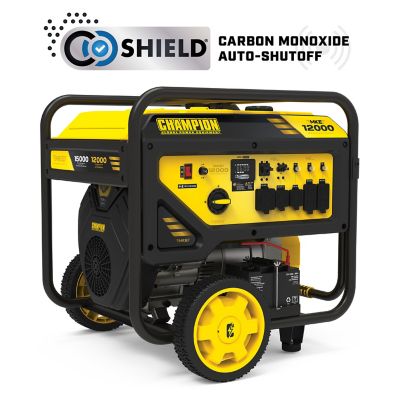
Portable generators for mobile work crews bring electrical power to the places a truck and trailer can reach but an outlet cannot. Fence builders working beyond the barn, carpenters setting up at a new build, and repair crews handling equipment in the field all need power that fits the day’s workload without making every stop a chore. The right fit depends on running watts, starting watts, voltage, fuel type, and how the generator will travel between jobs. Running watts describe the power a generator can supply continuously, while starting watts cover a brief surge when equipment starts. Air compressors, pumps, and other motor-driven equipment can demand considerably more power at startup than while running. A generator sized only for a tool’s running load may struggle when that motor kicks on, especially if work lights and battery chargers are already drawing power. The combined load matters just as much as the largest tool: two workers running equipment at once create a different demand than one worker switching between tasks. Tool nameplates and equipment manuals provide the electrical requirements needed to match those loads, with room for startup demand and the generator manufacturer’s operating limits. Receptacles matter, too. A crew running ordinary 120-volt tools has different connection needs than one bringing equipment that requires 240 volts. Outlet shape alone does not establish compatibility; voltage, amperage, plug configuration, and circuit protection all need to match. Extension cords and distribution equipment also need ratings suited to the load and cord length, since undersized cords can cause voltage drop and overheating. For crews moving between framing, remodeling, and building projects,
Portable Generators for Construction Sites covers a closely related need, especially where several trades share temporary power. Whether the job lasts a few hours or fills the day, a well-matched generator supports the actual tools on the truck rather than leaving the crew working around an undersized power source.
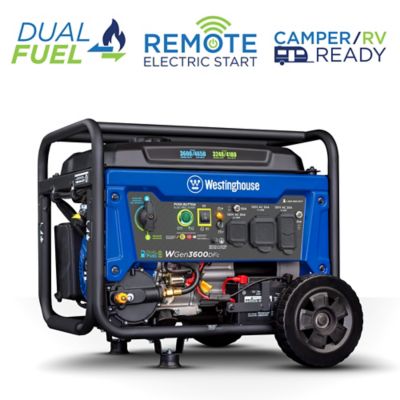
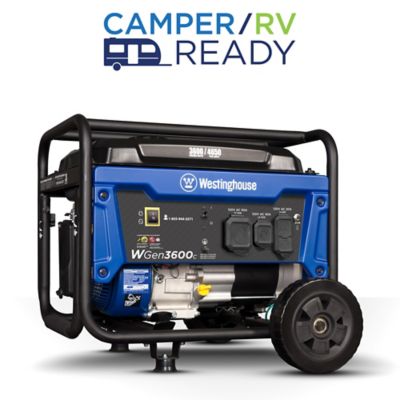
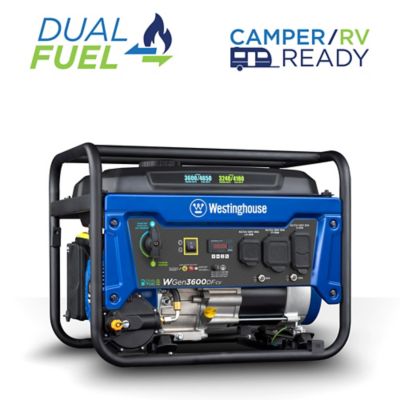
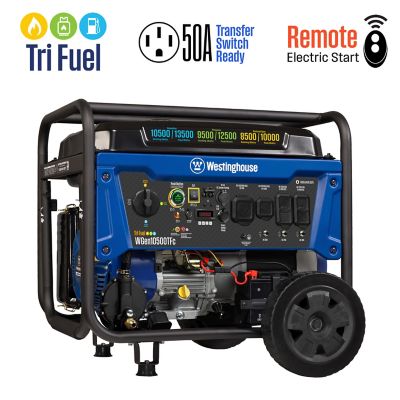
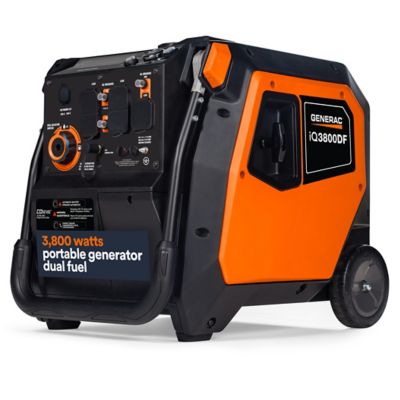
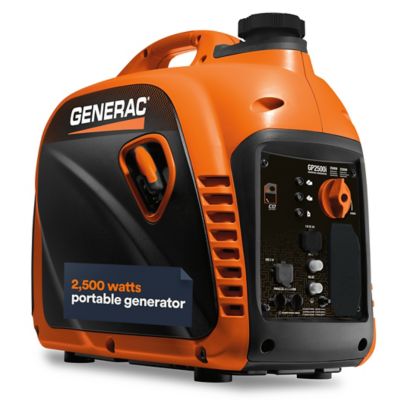
Generator design makes a difference when the work location changes every day. Conventional open-frame generators often suit crews focused on powering tools and equipment, while inverter generators can be a good fit when lower sound levels and output suited to compatible electronics matter. Compatibility still depends on the generator’s specifications and the equipment manufacturer’s requirements, particularly for diagnostic gear, controls, and chargers. Sound ratings deserve a closer look because manufacturers may measure them at different distances and loads; a number without those details does not tell the whole story. Fuel choice shapes daily handling as well. Gasoline-powered equipment may fit an existing refueling routine, while dual-fuel designs can give crews a choice between gasoline and propane. Output and runtime can change with the selected fuel, so each fuel’s ratings matter when matching a generator to the work. Runtime figures also depend on the stated load rather than promising the same hours under every operating condition. A generator powering a few chargers will not necessarily run as long when a compressor and several tools join the circuit. Tank capacity, fuel consumption, and safe shutdowns for refueling all affect how the workday flows. Portability involves more than a carry handle. Overall weight, frame dimensions, wheel size, handle placement, and designated lifting points influence how easily a generator moves from the trailer to a stable operating location. Steel frames can help shield components from ordinary jobsite bumps, while enclosed housings keep more of the machinery covered. Neither construction makes a generator waterproof or suitable for operation in an enclosed space. Larger wheels can make gravel and packed ground easier to cross, but a wheeled unit still needs an appropriate loading method for the truck or trailer. Electric start can simplify frequent stops, while recoil starting avoids dependence on a starter battery. For small crews with limited trailer space, the footprint and safe handling requirements can matter nearly as much as the wattage.
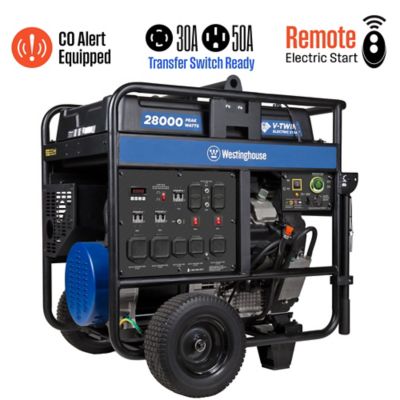
A portable work generator earns its place through straightforward operation, accessible service points, and features that support safe operation. Clearly marked controls, readable fuel gauges, accessible oil fills, and convenient drain locations make routine checks less of a hassle before the crew heads down the road. Low-oil shutdown can help protect the engine, but it does not replace checking the oil as directed. Overload protection helps protect the generator’s circuits, while ground-fault protection is important around jobsite electrical equipment and may be required for the application. Carbon monoxide shutoff features add another safeguard, but no sensor makes engine exhaust safe to breathe. Fuel-burning generators belong outdoors, at least 20 feet from buildings, with exhaust directed away from doors, windows, vents, and people. Garages, sheds, enclosed trailers, and other partially enclosed spaces are not safe operating locations, even with doors open. A stable, level location that stays dry and allows the manufacturer’s required clearance helps keep operation within the equipment’s limits. Grounding and neutral-bonding requirements depend on the generator and its connection setup; manufacturer instructions and applicable jobsite rules matter, and a qualified electrician should handle questions about temporary distribution or building connections. A generator must never feed a building through a wall outlet. Fuel handling deserves the same attention as electrical connections. The engine needs to be shut down and allowed to cool before refueling, and fuel belongs in approved containers secured for transport according to applicable requirements. Between jobs, manufacturer-specified oil changes, air-filter service, spark-plug checks, and fuel-system care help keep the generator ready for the next assignment. Starter batteries need attention as well, especially when equipment sits between projects. Keeping receptacles, cords, wheels, handles, and frame fasteners in good condition helps prevent small problems from following the crew from one property to another. For mobile work, the strongest fit balances usable power, manageable transport, sensible maintenance, and safe operation wherever the next job takes the crew.