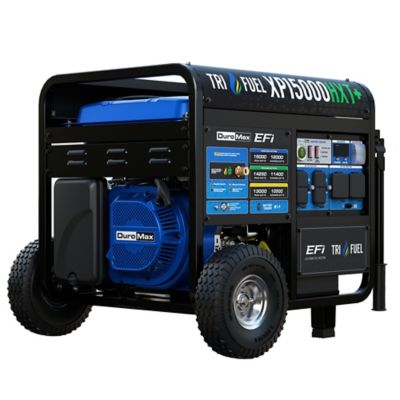
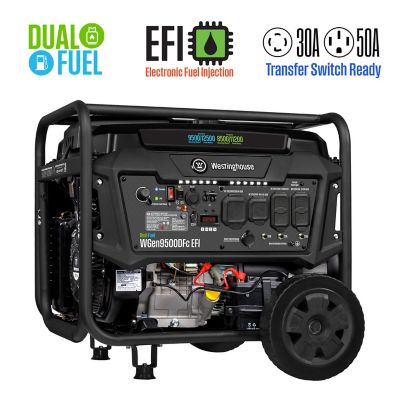
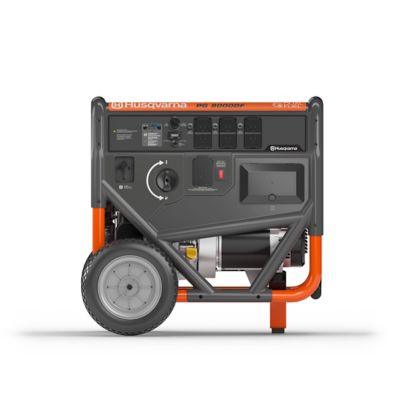
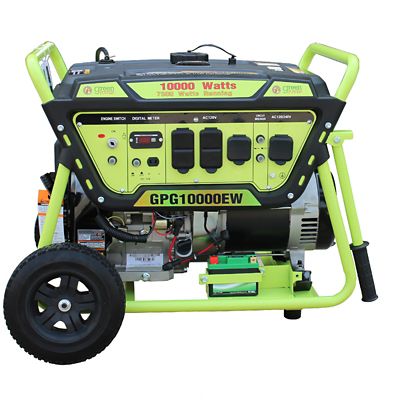
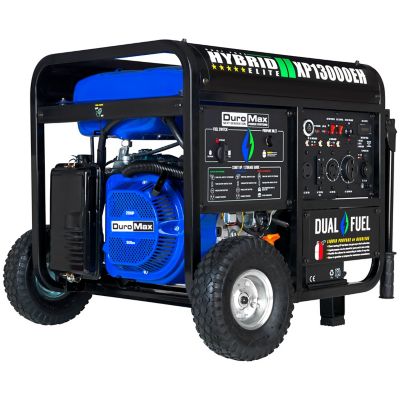
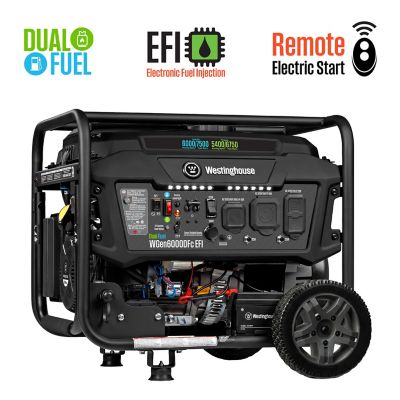
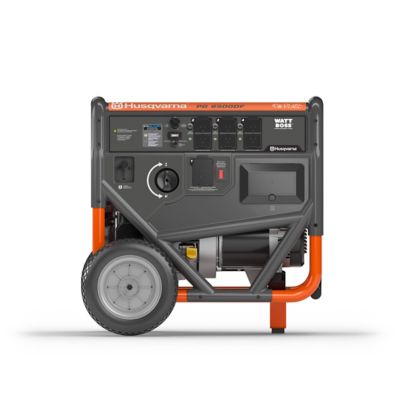
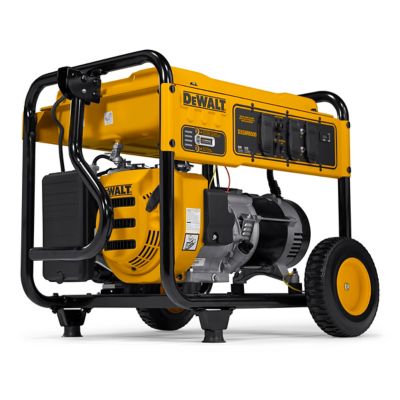
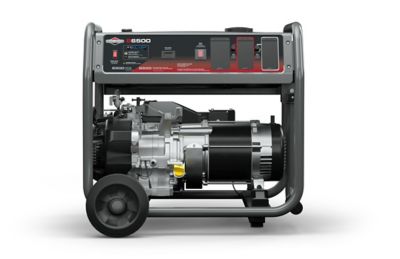
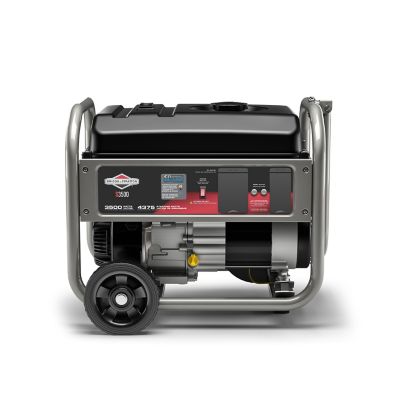
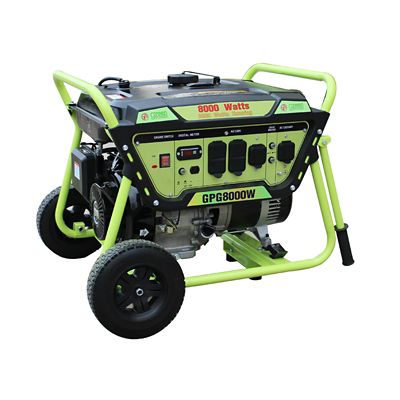
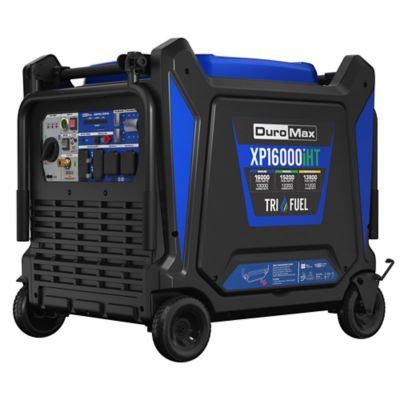
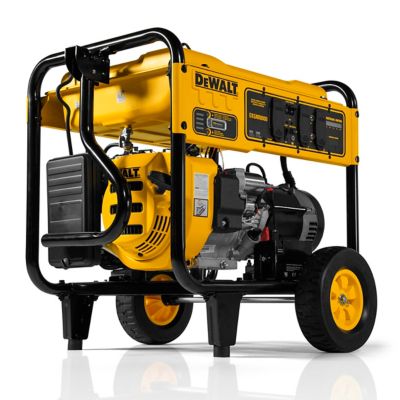
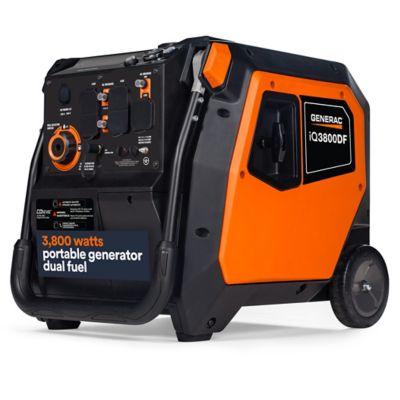
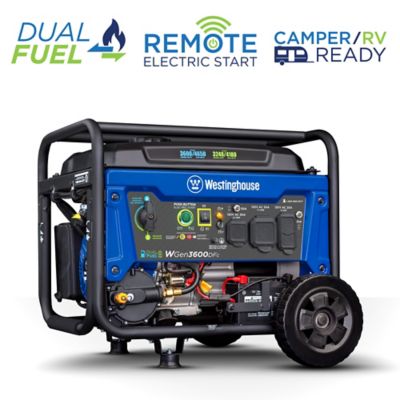
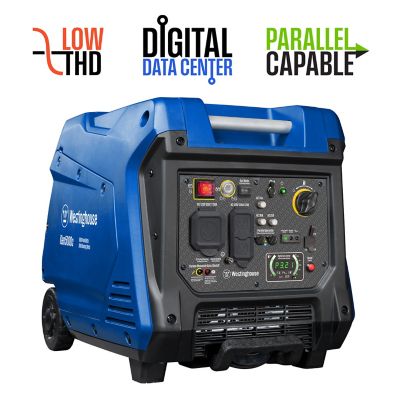
Portable generators for job sites bring power to the places where an outlet is a long walk away—or where electrical service hasn’t been connected yet. From a framing crew running saws at a new build to a fence crew drilling post hardware out past the barn, these machines help keep work moving without tying every task to a permanent power source. The right fit depends on the tools, the workload and how often the generator needs to travel. Running watts describe the power a generator can supply continuously, while starting watts describe the brief extra output it can deliver as motor-driven equipment starts. Air compressors, pumps and some saws can draw substantially more power at startup than they need once running. For a crew sharing one generator, capacity needs to cover the combined running load plus the additional startup demand of equipment that may switch on at the same time. A compressor cycling while a saw is cutting creates a different load than either tool operating alone. Tool nameplates and equipment manuals provide the starting point for that comparison, with some working room helpful for changing loads. Voltage and outlet configuration matter just as much as the wattage printed on the generator. A 120-volt receptacle won’t serve equipment that requires a compatible 240-volt connection, and an individual outlet or circuit can reach its limit before the generator reaches its total rated output. Welders and larger compressors deserve particular attention because their electrical requirements vary widely. For smaller repair jobs, a lighter portable generator may be a better match for corded drills, task lighting and battery chargers than a larger machine that takes more effort to load and move. Contractors, property owners and farm maintenance crews all benefit from matching capacity to the work rather than choosing by engine size or peak wattage alone. That match helps balance useful power with fuel consumption, transport weight and the space the machine takes up in a truck or trailer.
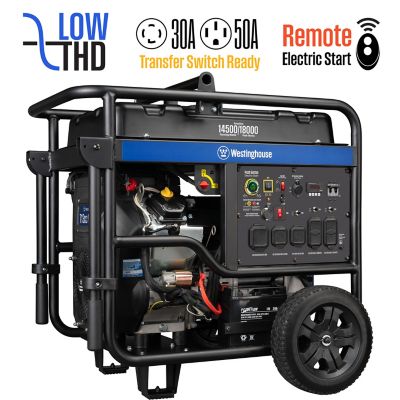
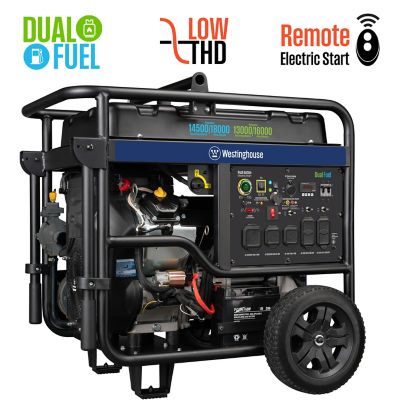
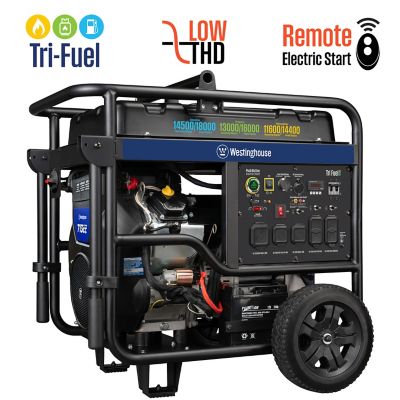
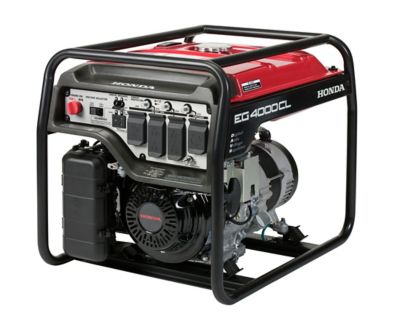
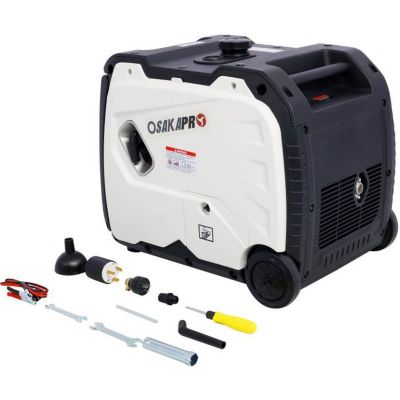
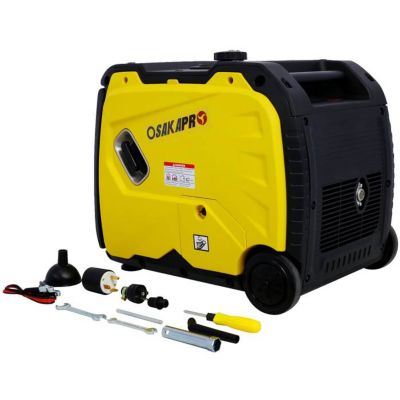
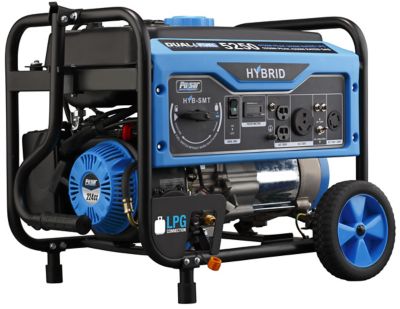
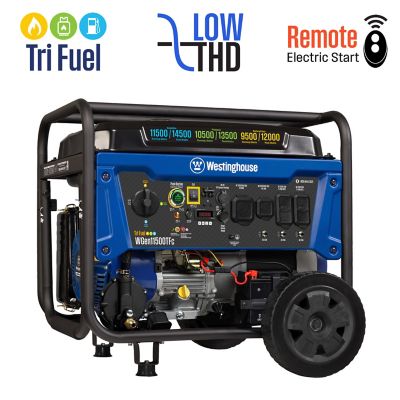
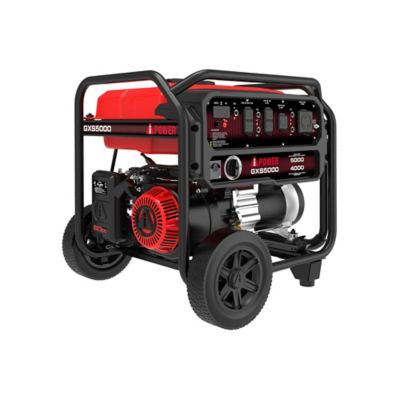
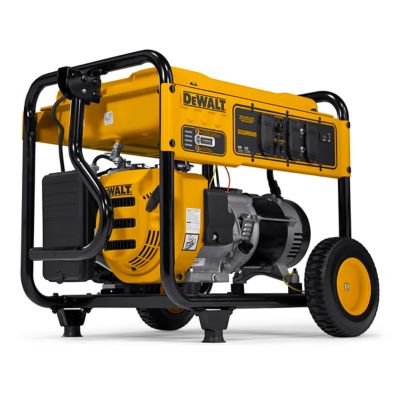
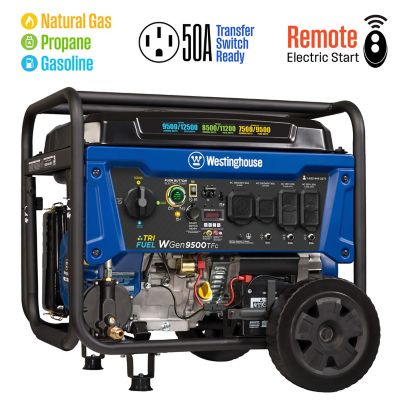
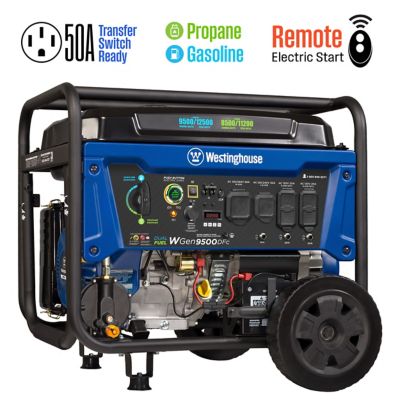
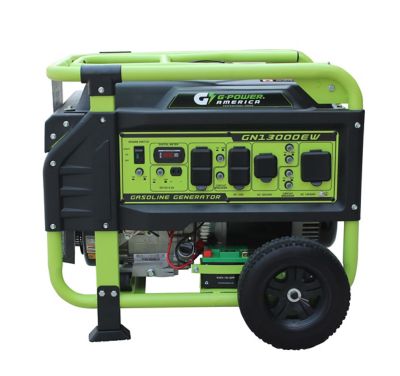
Construction and layout make a real difference when a generator travels between job sites. Steel frames help shield key components from everyday bumps and provide handholds where the manufacturer permits lifting, while wheel size, handle placement and overall balance affect movement over packed dirt and gravel. A wheel kit makes rolling easier, but it doesn’t turn a heavy generator into a one-person lift. Total weight with fuel, clearance through gates and the height of a truck bed all matter when comparing portable power equipment. Designated lifting points are especially useful where mechanical loading is part of the routine; an ordinary frame rail should not be treated as a lifting bracket unless it is rated for that purpose. Open-frame generators often suit crews that put power output and service access first, while enclosed inverter generators can suit jobs where lower operating sound and consistent electrical output carry more weight. Inverter technology generally delivers lower total harmonic distortion, which can matter for compatible electronics, measuring equipment and certain chargers. Equipment requirements still govern the match, and noise ratings are most useful when compared at similar loads and measurement distances. Fuel choice adds another practical consideration. Gasoline-powered generators fit many established equipment routines, while dual-fuel designs commonly accept gasoline or propane. Some tri-fuel designs also accept natural gas through an appropriate supply connection, though that connection can limit where the generator operates. Output and runtime may differ by fuel, so the rating for the intended fuel matters more than the highest figure listed. Runtime also depends on load: a tank that lasts through several hours of light charging may empty sooner when tools work steadily. Electric start can simplify frequent starts, while recoil starting provides a different setup with fewer starting-system components. Accessible oil fills, readable fuel gauges and clearly arranged controls can make everyday checks less of a chore, especially when several people share responsibility for the equipment. These details help distinguish a generator suited to occasional repairs from one that fits a crew’s regular work routine.
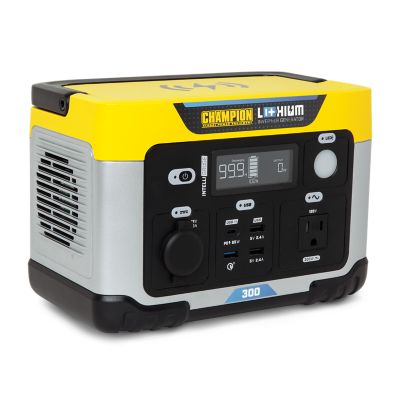
Safety features and sensible care belong in the comparison alongside power and portability. Ground-fault circuit interrupter protection helps reduce electrical shock risk, while circuit breakers help protect against overloads; neither replaces sound cords, correct connections or required job site practices. Automatic low-oil shutdown can help protect the engine, but regular oil checks remain part of ownership. Carbon monoxide shutdown systems add another layer of protection, not permission to run an engine indoors or near occupied spaces. Fuel-burning portable generators belong outdoors, at least 20 feet from buildings, with exhaust directed away from doors, windows and vents, following any greater clearance specified by the manufacturer. Garages, barns, sheds and enclosed trailers are not safe operating locations, even with doors open. A clear, level operating spot also helps keep the machine stable and its hot exhaust away from combustible materials. Extension cords need the proper rating, grounding and wire size for the equipment load and cord length; long, undersized cords can cause voltage drop that affects tool performance. Connections should stay dry and protected from damage, and grounding or bonding requirements depend on the generator configuration and how power is delivered. Building connections require suitable transfer equipment and a qualified electrician, never a cord feeding power backward through an outlet. For daily upkeep, access to the air filter, oil drain and service points matters on dusty work sites. Maintenance intervals in the owner’s manual, inspections for loose hardware and damaged cords, and proper fuel storage all support a longer service life. Engines need to be shut down and allowed to cool before refueling, and transport calls for secure tie-downs and the manufacturer’s fuel-handling precautions. For work centered on compatible chargers, lights or smaller electrical loads,
Job Site Solar Generators offer another portable power category to compare by continuous output, surge capacity, battery storage and recharge time. Whether the day involves a full crew or a few repairs along the fence line, the best-fitting power setup brings together enough electrical capacity, manageable transport and straightforward upkeep without overlooking the demands of the work.