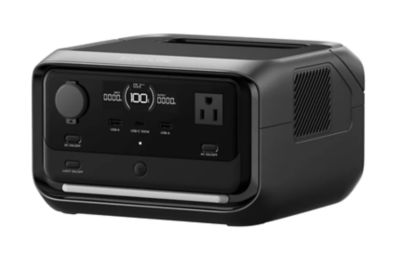
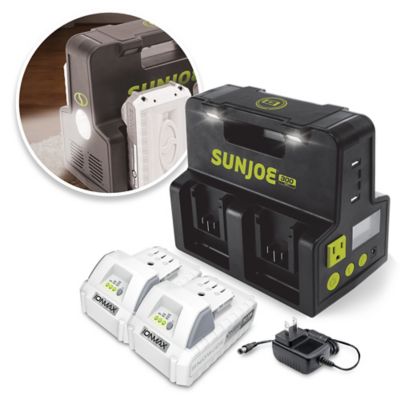
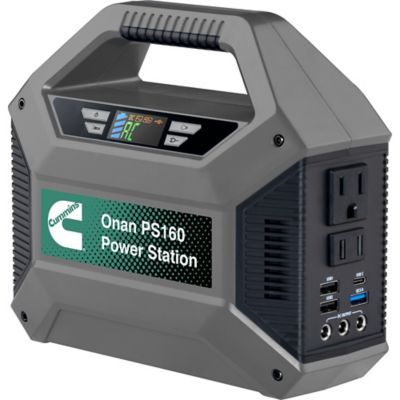
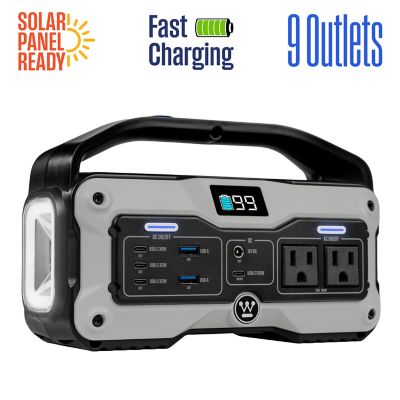
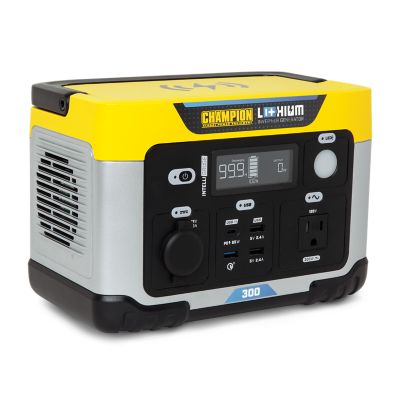
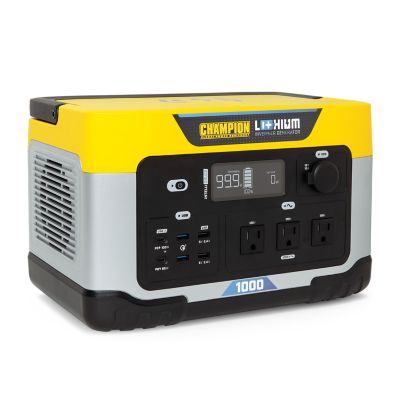
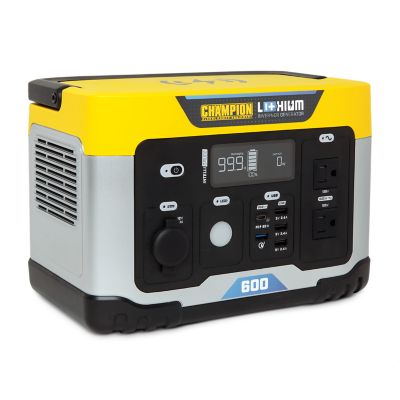
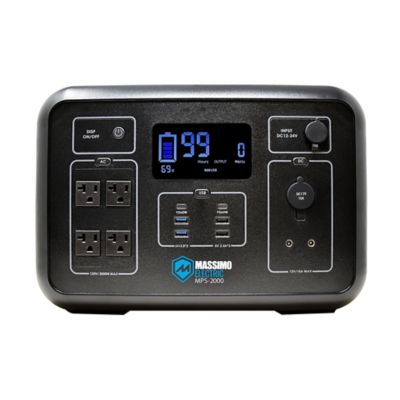
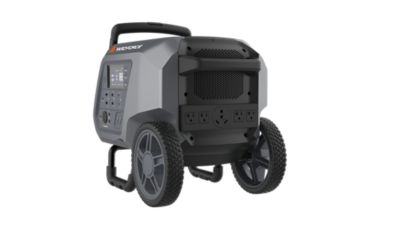
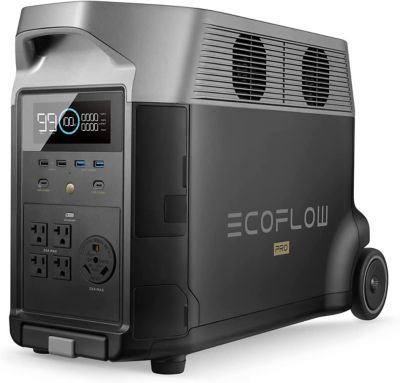
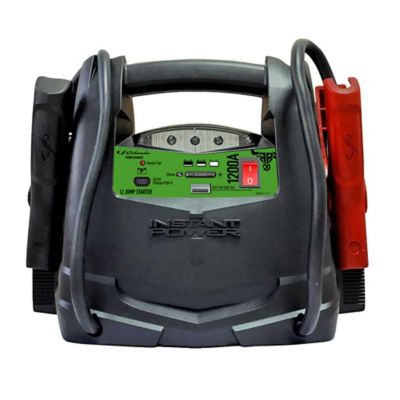
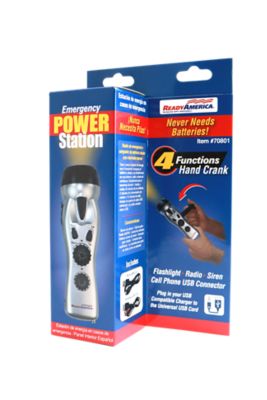
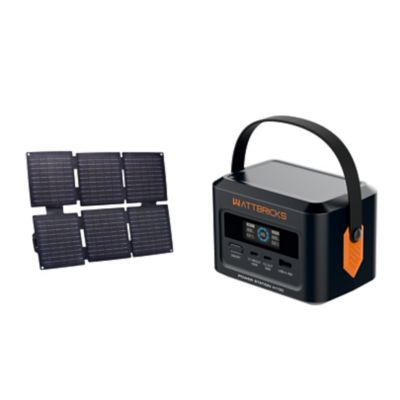
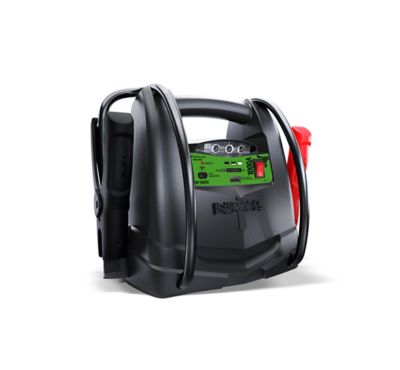
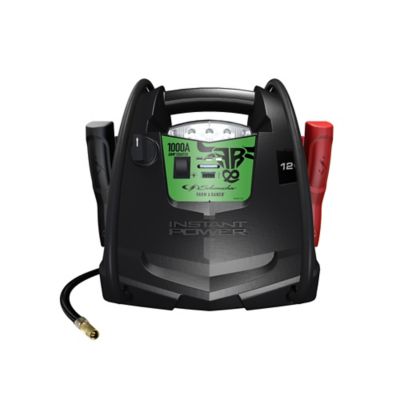
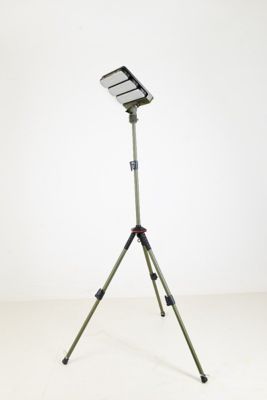
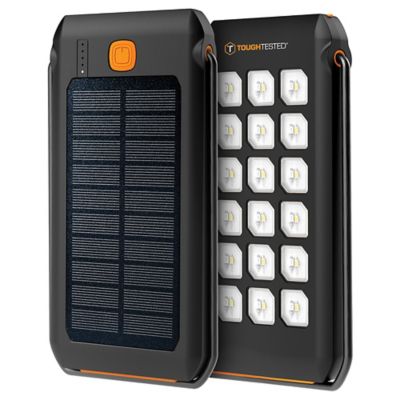
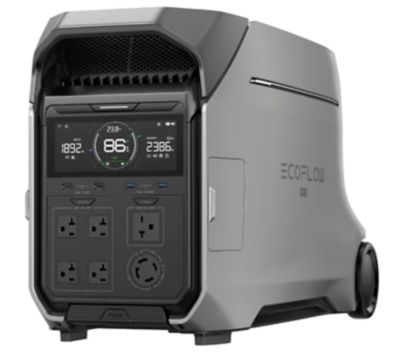
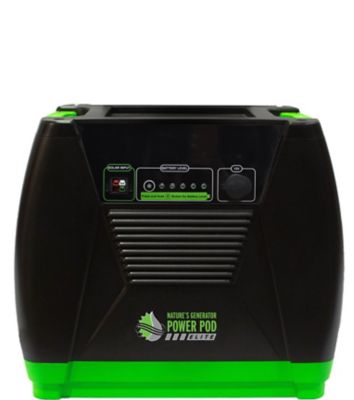
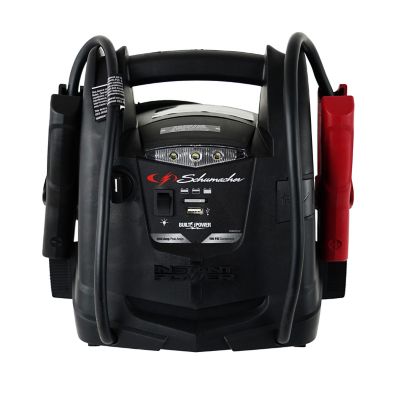
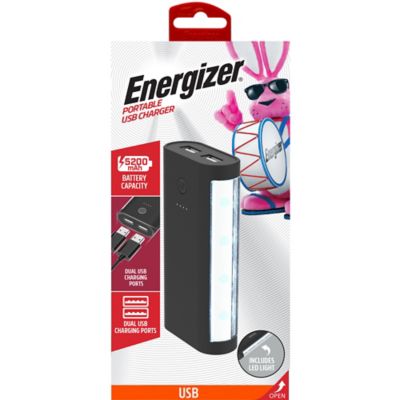
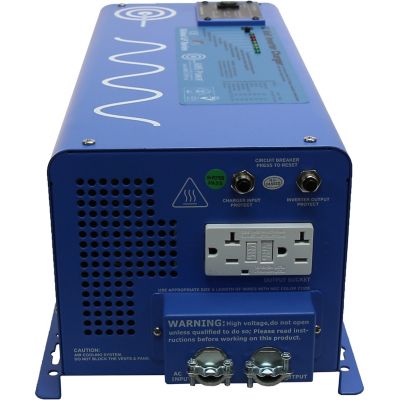
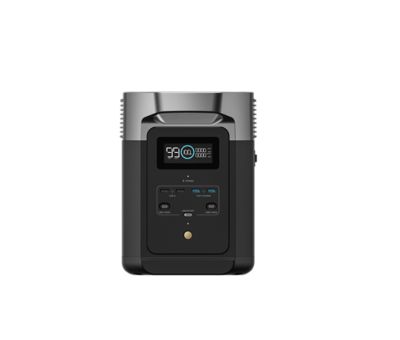
Portable power stations for camping bring a little household convenience along without the noise, fuel, or fumes of a traditional generator. These rechargeable battery units can keep phones, cameras, GPS devices, lanterns, tablets, radios, small fans, and other low-wattage gear ready to use at the campsite, tailgate, hunting cabin, or roadside stop. They charge ahead of time from a standard wall outlet, and many can also recharge from a vehicle’s 12-volt port or compatible solar panels when you’re away from the grid. Since they store power instead of making it with an engine, they run quietly, which comes in handy when you’re sitting around the fire, listening for wildlife, or trying to sleep in a tent. They also produce no exhaust while operating, making them a practical choice for outdoor use when placed in a dry, well-ventilated area and used according to the manufacturer’s instructions. Campers often choose a portable power station to keep a phone topped off for weather updates and emergency calls, power a string of campsite lights after dark, run a small electric cooler, or give a camera and other outdoor electronics a dependable place to recharge. They can be useful during fishing trips, music festivals, overland travel, remote work, and weekends at a cabin where wall outlets are few and far between. A power station can also make a thoughtful gift for a camper, hunter, angler, RVer, storm-preparedness planner, or anyone who spends time on the road. It’s the sort of gear that may sit quietly in a vehicle or garage until the day a dead phone, an unexpected delay, or a chilly evening makes dependable power especially welcome.
The best size depends on what you plan to plug in, how long you’ll be away, and how much weight you’re comfortable carrying from the truck to camp. Compact units with capacities under about 300 watt-hours are generally easy to pack and well suited for phones, tablets, cameras, headlamps, and other modest electronics. They work well for an overnight trip, a day at the ball field, or a campsite where the main goal is keeping personal devices charged. Mid-size units in the 500- to 1,000-watt-hour range offer a useful balance for many weekend campers. They may provide enough reserve for several devices, lights, a small fan, a laptop, a CPAP machine, or other equipment, though actual runtime depends on the wattage each item draws and whether everything runs at the same time. Larger units with 1,500 watt-hours or more are typically better suited to car camping, RV setups, base camps, and extended stays, since their added capacity usually comes with added size and weight. They may be able to handle higher-demand equipment such as a mini refrigerator or coffee maker, but check the station’s continuous watt rating and peak or surge rating before connecting anything with a motor or heating element. Capacity tells you how much energy is stored, while wattage tells you what the unit can operate; both numbers matter. For a rough estimate, divide the station’s watt-hours by the device’s watt draw, then allow for normal energy loss and the fact that batteries should not always be drained completely. A device rated at 50 watts may use roughly 50 watt-hours for every hour it runs, but real-world performance varies with battery condition, temperature, cable efficiency, and the station’s operating limits. Make a simple list of your gear before shopping, including each item’s wattage, the number of hours you expect to use it, and whether it needs a standard AC outlet, a 12-volt socket, or USB charging. That list can help prevent hauling a heavy unit with far more capacity than needed—or arriving at camp with a station that cannot keep up.
Battery chemistry, recharge time, port selection, and everyday handling are just as important as capacity. Lithium iron phosphate, often called LiFePO4 or LFP, is popular for portable power because these batteries are designed for a long service life and can handle many charge cycles when properly cared for. Look for clear information about cycle ratings, operating temperatures, warranty coverage, and storage recommendations. Fast wall charging is convenient when preparing at home, while vehicle charging can help top off the battery during a long drive. Solar charging adds flexibility for off-grid trips, but charging speed depends on panel size, sunlight, shade, weather, and the station’s solar input limits. A unit with a mix of AC outlets, USB-A ports, USB-C ports, and a 12-volt car-style outlet gives you more ways to match the equipment you already own. A built-in display can show remaining charge, input and output wattage, and estimated runtime, making it easier to manage energy as the day goes on. Helpful safety features may include overload, short-circuit, over-temperature, and low-voltage protection. Keep the power station protected from rain, standing water, mud, and extreme heat, and avoid storing it in a hot vehicle for long stretches. During the cooler months, remember that low temperatures can reduce battery performance, so keep the unit within the recommended temperature range and let it warm up before charging if required by the instructions. For equipment that needs steady, engine-produced power or extended high-wattage operation, compare these battery-powered options with
Inverter Generators For Camping. A portable power station is often the quiet, simple choice for personal electronics and lighter campsite loads, while the right setup ultimately comes down to your gear, trip length, access to sunlight or an outlet, and how far you need to carry it down the trail.