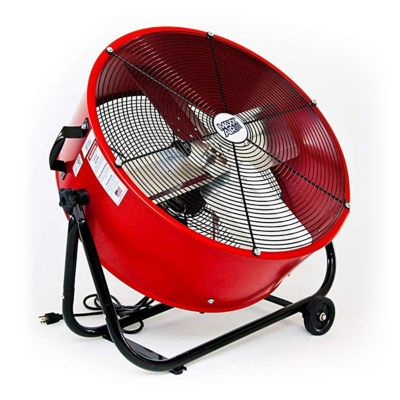
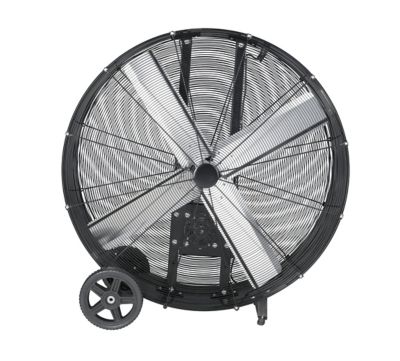
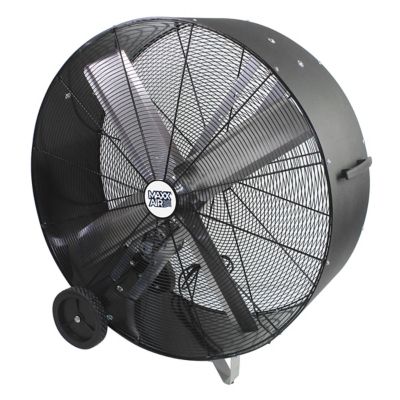
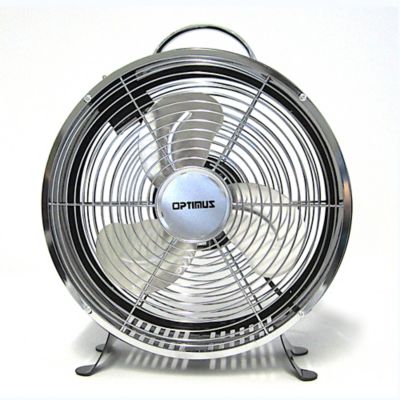
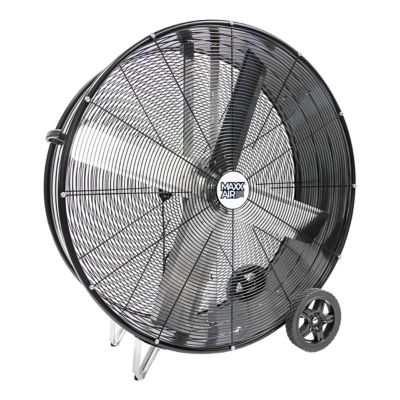
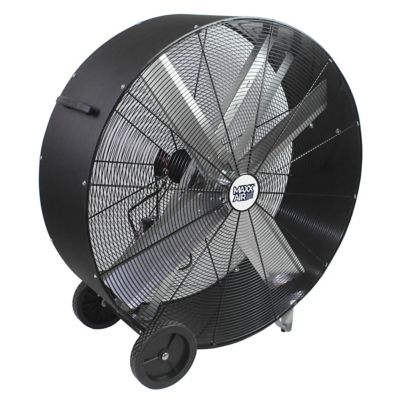
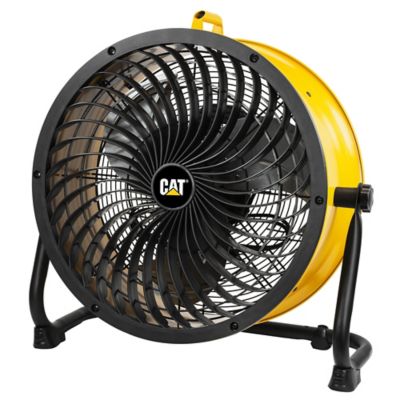
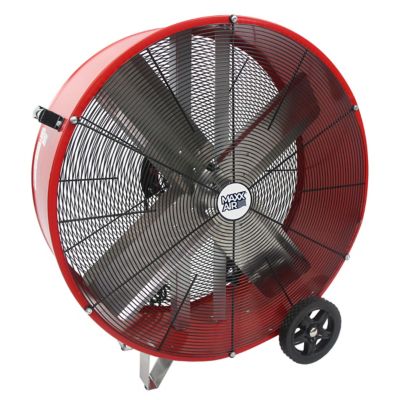
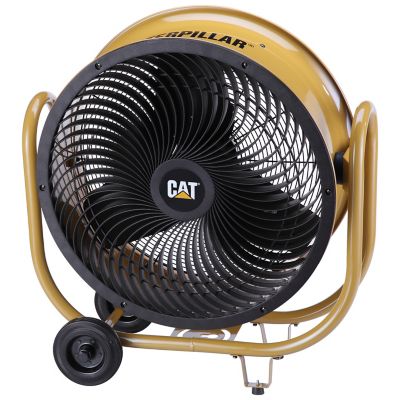
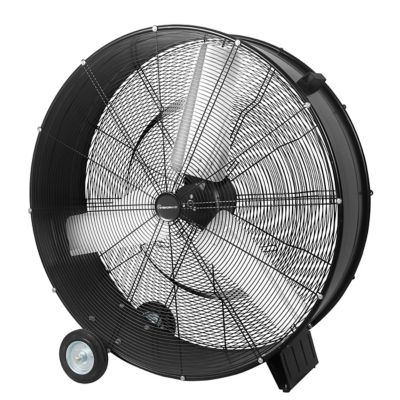
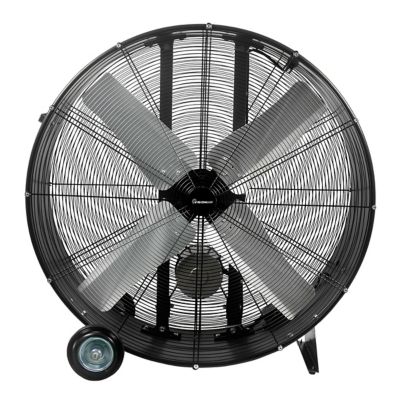
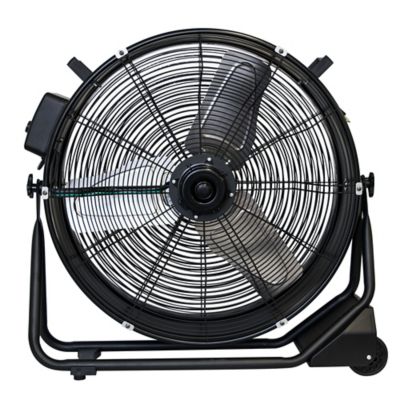
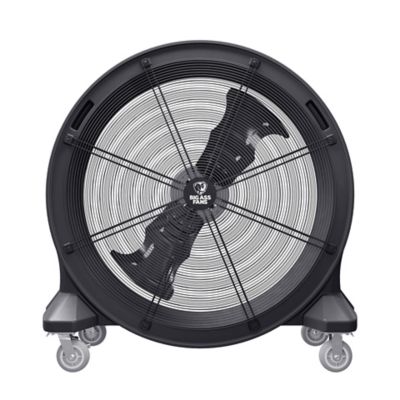
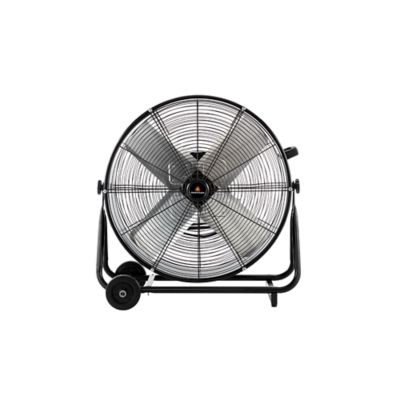
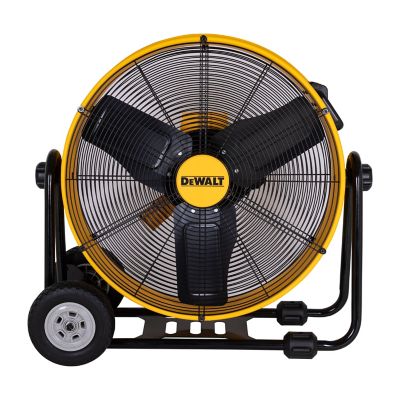
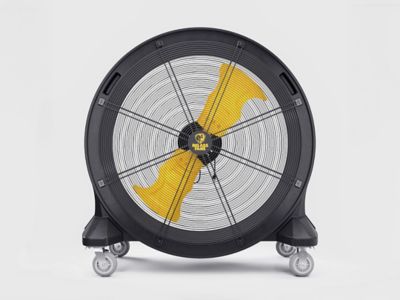
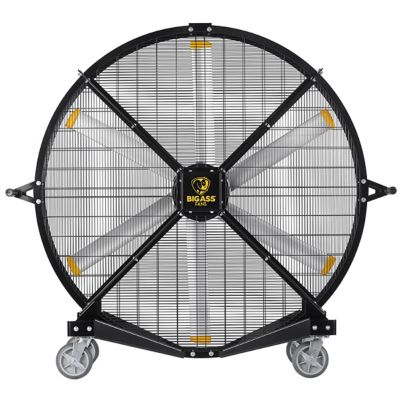
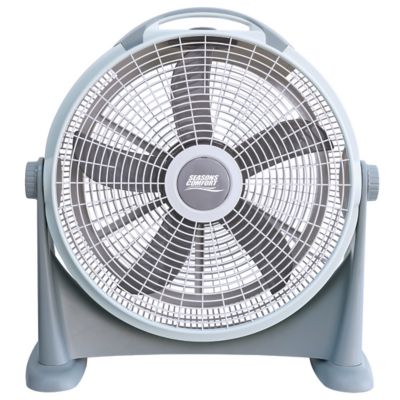
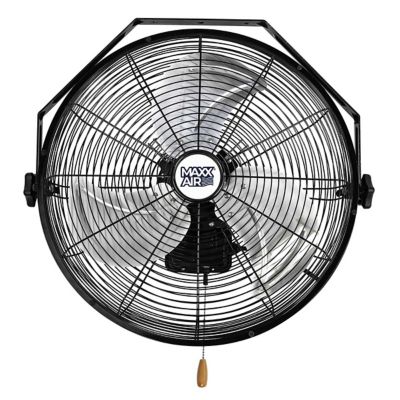
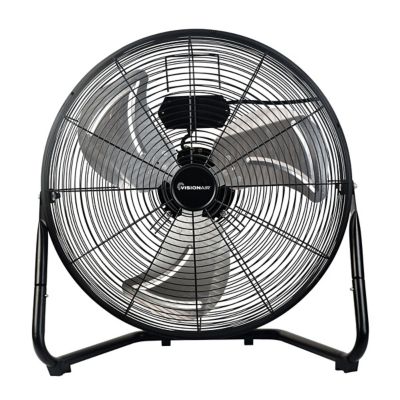
Portable drum fans for garages bring steady air movement to spaces where trucks, tools, and weekend projects share the floor. Their broad, round housings help direct airflow across a work area, whether that means a repair bench along the wall or an open bay with room to spread out. For folks who spend hours turning wrenches, sharpening mower blades, or sorting hardware, a fan can make the garage feel less still without taking over the workspace. The drum shape surrounds a large blade assembly, while a floor frame keeps the unit upright and ready to point toward the job. Some designs have a fixed airflow direction; others tilt within the frame, making it easier to aim air across a bench or farther into the room. Multiple speed settings add flexibility when a full blast would scatter paperwork or send a shop rag sliding across the floor. Airflow ratings, often listed in cubic feet per minute, help describe how much air a fan moves, but that number works best alongside the garage layout and the distance between the fan and the work area. A wide-open service bay presents a different job than a narrow single-car garage lined with shelving. Parked equipment, storage cabinets, and worktables can interrupt the air path, so a bigger blade diameter alone does not settle the question of fit. A fan that directs air where someone actually stands may suit the space better than one aimed into the side of a truck. Sound matters, too, especially when the garage doubles as a place for conversation or careful bench work. Blade design, motor speed, and the surface beneath the frame all play a part in the sound a fan makes. Lower settings can provide gentler circulation, while higher settings suit jobs that call for stronger air movement. That range makes portable drum fans a practical part of a garage that handles more than one kind of work.
Construction and mobility make a difference when a fan has to share space with rolling tool chests, mower decks, and a pickup that still needs a place to park. Metal drum housings, protective grilles, and sturdy support frames are common features in this category, with the exact materials and finish varying by design. Steel frames provide substantial support, while powder-coated surfaces help shield exterior metal from everyday wear. Blade material, grille spacing, and the way the housing attaches to its stand are worth considering alongside the overall dimensions. A fan needs enough room for its full frame, not just the round drum, and a tilting model may need additional clearance as its angle changes. Wheels and a well-positioned handle make moving a larger unit between bays more manageable, particularly on a clear concrete floor. Larger wheels may roll across small floor joints more easily, though cords, loose hardware, and uneven thresholds still get in the way. Weight matters when the fan needs to travel over a doorway lip or ride to another workspace; rolling convenience does not necessarily mean a unit is easy to lift. A compact footprint can help preserve a walking lane beside a vehicle, while a wider stance can provide firm support on a level surface. Controls that are easy to reach keep speed adjustments straightforward without reaching around the grille. Cord length and outlet location also affect placement, since a fan belongs where its cord will not cross a doorway or run beneath vehicle tires. Electrical requirements should match the available outlet and circuit, with any extension cord meeting the fan manufacturer’s requirements. For a garage with occasional splashes or damp areas, the equipment’s stated location rating matters more than its rugged appearance. A metal housing does not, by itself, mean a fan is suitable for wet conditions. These details help separate a fan that merely fits through the door from one that fits the way the garage actually works.
Care for a portable drum fan centers on keeping its air path clear and its moving parts protected. Dust on the grille and blades can restrict airflow and throw the blade assembly out of balance, so accessible surfaces make routine cleaning less of a chore. With power disconnected, cleaning should follow the manufacturer’s directions, including any limits on water, cleaning products, or grille removal. Motor care varies by design; lubrication belongs only where the instructions call for it. Sound fasteners, an intact cord, and wheels that turn freely all contribute to keeping the fan ready for the next project. Between jobs, a dry storage spot away from leaking containers and falling tools helps protect the housing and electrical parts. Portable fans also work best with a sensible amount of breathing room around the intake and outlet. Crowding the back of the drum against stacked boxes can limit the very airflow the fan is meant to provide. Loose plastic, cloth, and hanging cords need space from the grille, and the fan should sit firmly rather than balance on a bucket or makeshift stand. Air circulation has limits: an ordinary drum fan is not a substitute for proper exhaust ventilation, and it does not make vehicle exhaust, solvent vapors, or airborne sanding dust safe to breathe. Specialty work involving flammable vapors or combustible dust calls for equipment specifically rated for that environment. Within its intended setting, a portable drum fan can serve the home mechanic, the woodworker, or the property owner who moves between equipment upkeep and general repairs. It can also be a useful gift for someone setting up a garage workspace, provided the size and electrical needs suit the space. For rooms beyond the garage,
Floor Fans for Home Air Circulation offer another option for matching airflow, footprint, and sound to everyday activities. The right fit leaves room for the job, moves air where it matters, and stays manageable when it is time to put the tools away.