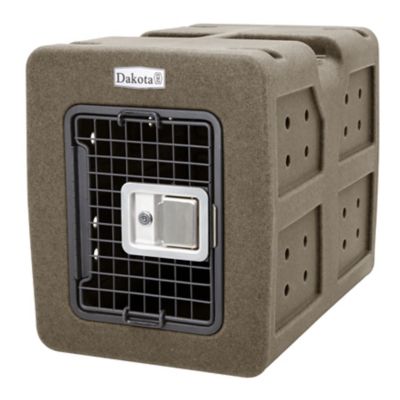
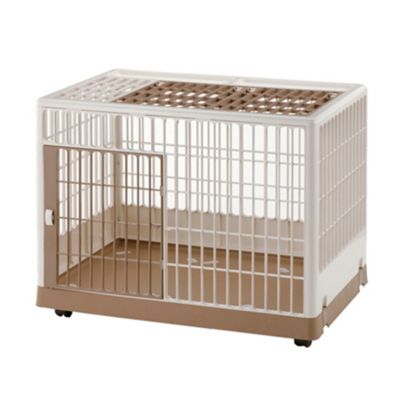
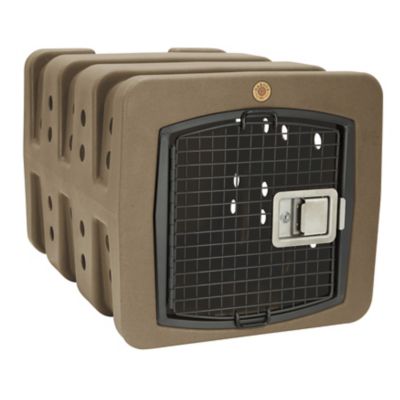
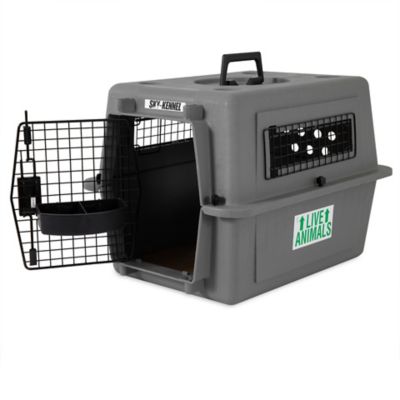
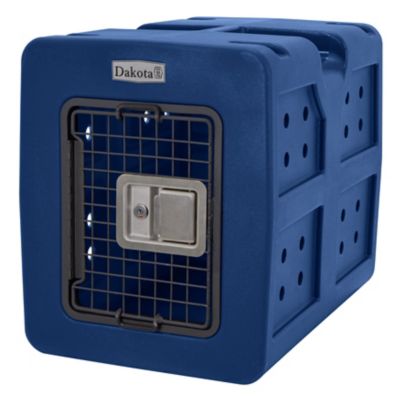
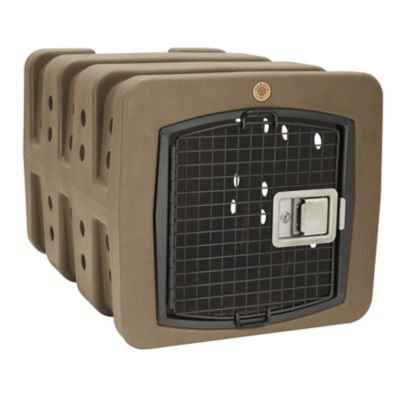
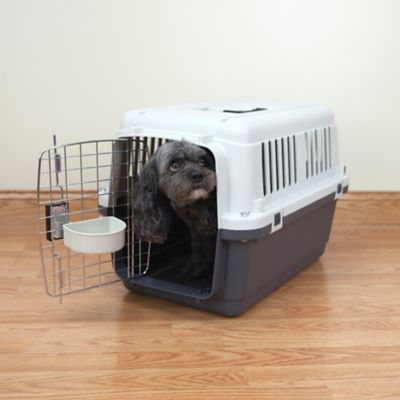
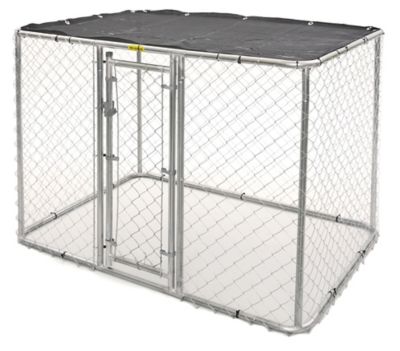
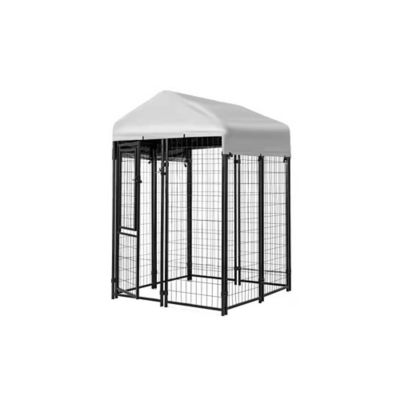
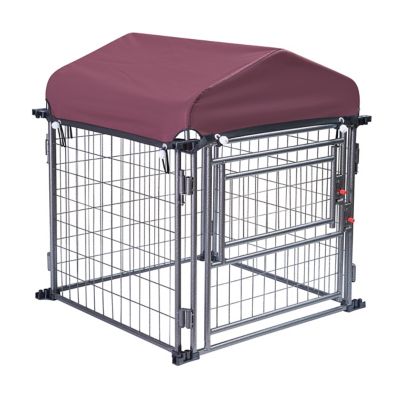
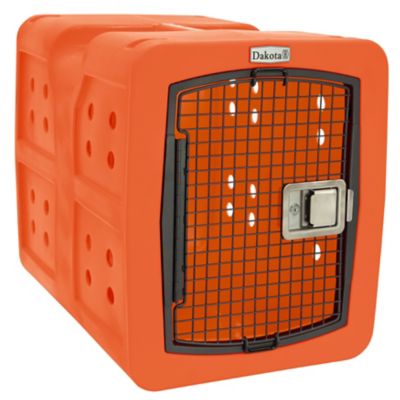
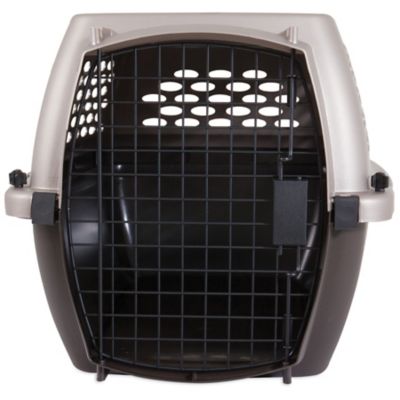
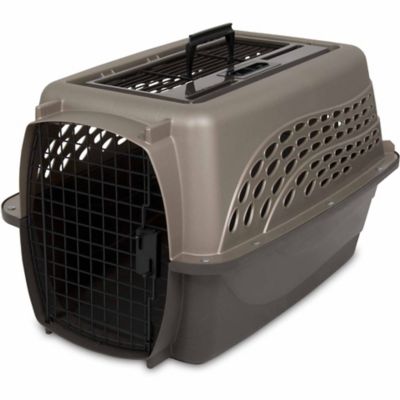
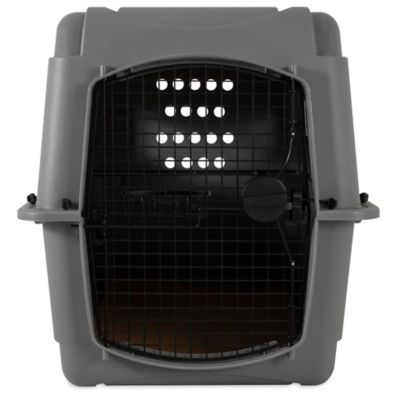
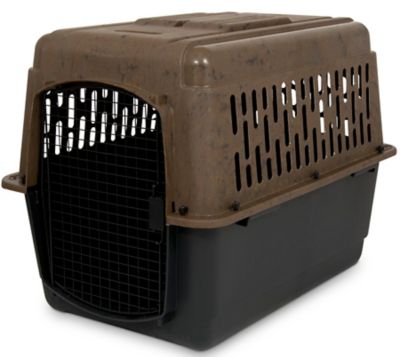
Portable dog kennels for small dogs provide a contained place to rest while making it easier to bring a familiar space along for visits, overnight stays and everyday errands. Common styles include folding wire kennels, soft-sided fabric kennels and hard-sided plastic carriers, each with a different balance of carrying weight, structure and storage space. A fabric kennel that folds into a closet can suit a calm dog staying with family, while a rigid carrier may be a better match for frequent trips to the vet. A folding wire design can serve as a resting spot at home and pack down for a weekend away. The best fit depends on the dog’s size, habits and travel routine, not just the word “small” on the label. Interior dimensions matter more than exterior measurements because thick walls, sloping sides and bedding can reduce the space a dog has inside. There should be enough room for the dog to stand in a natural posture, turn around without squeezing and lie comfortably. Weight ratings matter, too, especially for kennels meant to be carried with a dog inside, but weight alone does not account for a long back, tall ears or a broad chest. A little terrier and a short-legged companion may weigh about the same yet need different proportions. Door size also makes a difference for dogs that hesitate at narrow openings or need a little help getting settled. For households moving a kennel between the mudroom, truck and a relative’s house, the folded dimensions and setup method deserve attention alongside the space inside. A kennel that fits the dog but cannot pass easily through a doorway or sit flat in the intended spot can make a simple outing more of a chore. Carry handles, shoulder straps and manageable empty weight help with moving it, provided the manufacturer’s directions allow the intended carrying method.
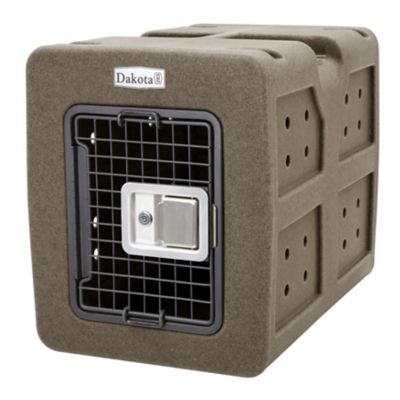
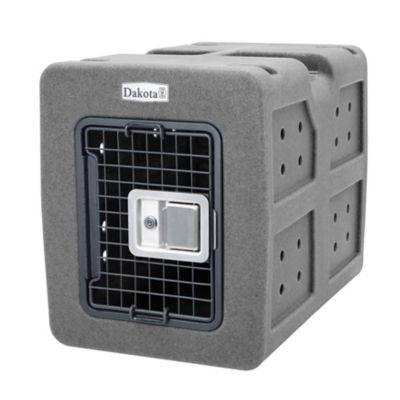
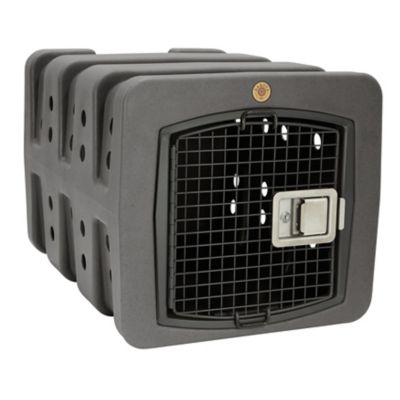
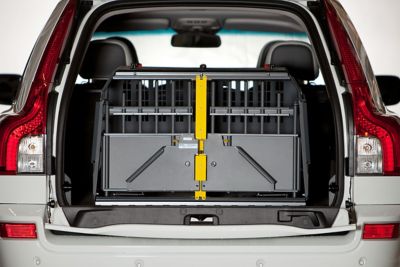
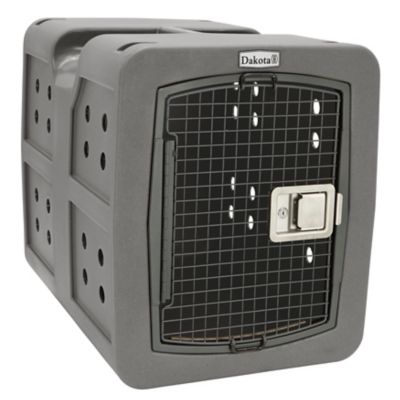
Materials shape how a portable kennel handles everyday life. Soft-sided kennels often combine fabric panels, mesh openings and a folding frame, making them a practical option for dogs already comfortable resting in an enclosure. Mesh allows airflow and a view of nearby people, while zippered doors can roll or fold out of the way on some designs. Fabric and mesh are not a good match for a determined chewer, a dog that paws hard at doors or one that tries to push through seams. Wire kennels offer an open view and often fold flat, though their weight and folded thickness vary. Small dogs need appropriately spaced wire and secure latches, with no gaps that could catch a jaw or let a head slip through. A fitted tray can simplify cleanup, and a stable frame helps keep the enclosure from shifting during normal movement. Hard-sided plastic kennels hold their shape and generally have smooth surfaces that are easier to wipe down after muddy paws or a tipped water dish. Vent placement, door construction and access for cleaning all affect day-to-day convenience. Across these styles, sound hinges, intact seams, covered wire ends and doors that close fully are worth more attention than looks alone. A portable kennel is also different from a vehicle restraint: a carrying handle, folding frame or sturdy shell does not establish crash protection. Travel setups should follow the kennel manufacturer’s directions and the vehicle’s restraint guidance, without assuming a seat belt threaded through a handle will hold the enclosure safely. An unobstructed door and clear ventilation openings matter wherever the kennel rides. For air travel, the airline’s rules for dimensions, construction and placement determine whether a carrier is suitable; hard-sided construction by itself does not mean airline acceptance. Even for a short drive down the road, the kennel needs a stable position where it will not slide around or interfere with the driver. Dogs that become distressed in an enclosure may need gradual training and support before a portable kennel becomes part of regular travel.
Comfort and upkeep help a portable kennel earn its place in the household routine. A thin, well-fitting mat can provide cushioning without crowding the interior or bunching against the door. For puppies still learning house habits or older dogs with occasional accidents, a washable pad and an accessible floor tray can make cleanup less of a production. Bedding should suit the dog’s chewing habits, and any liner needs to leave the ventilation openings clear. Familiarity matters as much as padding: a kennel that stays open for relaxed naps at home is less likely to feel strange when it appears in a guest room. Short, positive practice sessions can help a small dog settle before a longer trip, but a kennel is not a substitute for exercise, bathroom breaks or company. Temporary containment can be handy while unloading the car, welcoming visitors or keeping a dog away from an open doorway, with supervision and breaks suited to the dog. Care requirements vary by material. Removable fabric covers may have specific washing directions, while plastic shells and kennel trays generally call for cleaning methods listed by the manufacturer. Thorough drying before folding or storing helps prevent trapped moisture and lingering odors. Zippers, mesh, latches, frame joints and tray edges also deserve regular checks, especially after a kennel has been packed into a vehicle or carried between homes. Loose stitching, bent wire or a cracked latch can change how well the enclosure contains a dog, even when the rest still looks fine. For households comparing an everyday resting space with something easier to take along,
Dog Crates for Small Dogs offers a related category to consider. The most practical portable choice brings together enough room for the dog, a manageable size for the person carrying it and materials suited to the dog’s behavior. Whether the routine involves family visits, appointments or nights away from home, a familiar kennel can give a small dog a consistent place to settle without taking over the whole trip.