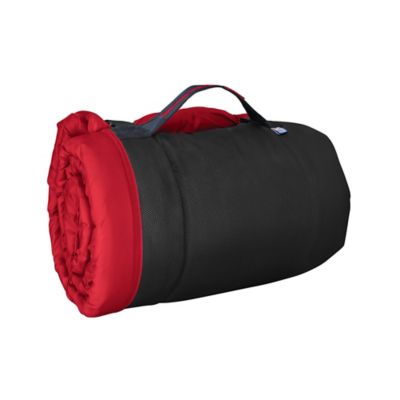
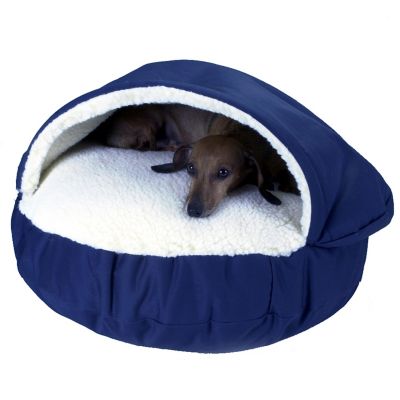
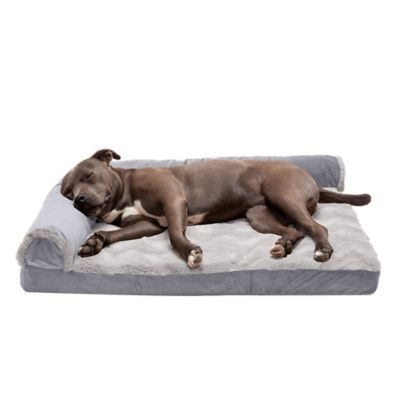
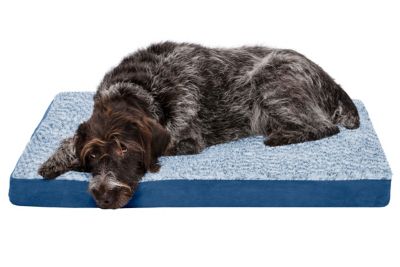
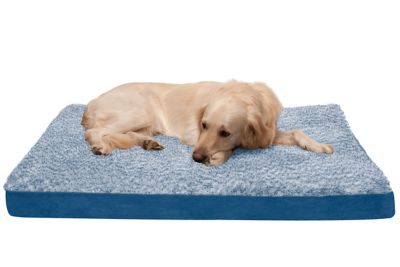
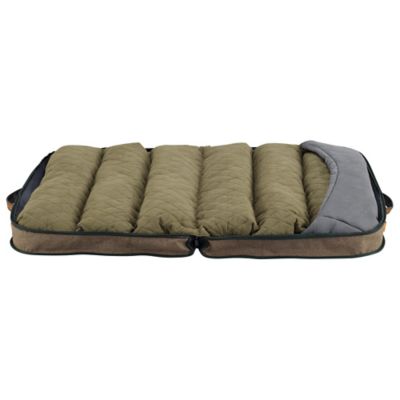
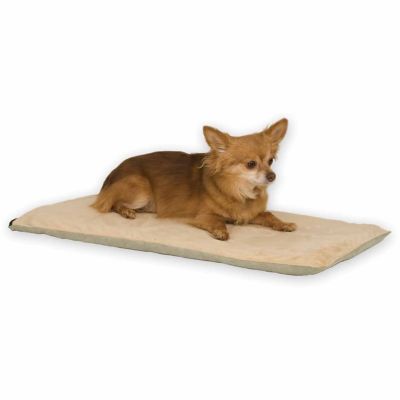
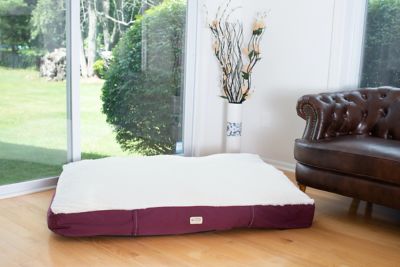
Portable dog beds give dogs a familiar place to settle when the day takes them beyond their usual spot at home. A travel bed can turn a patch of campsite ground, a cabin floor, or a corner at a family gathering into a resting place that smells and feels familiar. Unlike a full-size bed that stays beside the couch, a portable design is built around easier carrying and storage, often with a folding shape, roll-up construction, carry handles, securing straps, or a separate stuff sack. Travel dog mats generally take up less room, while padded folding beds put more cushioning between a dog and a hard surface. Collapsible cot-style beds offer another approach, with a fabric sleeping surface supported by a frame. The best match depends on how the bed travels and how the dog rests: a compact mat fits more easily beside a daypack, while a thicker folding bed may make more sense for trips with room in the vehicle. Packed dimensions matter just as much as sleeping dimensions, especially when feed bags, luggage, and other supplies are sharing the space. A bed should also give the dog enough room to stretch out without hanging over the edges. Dogs that curl into a tight ball need a different sleeping footprint than long-legged dogs that sprawl on their sides. The usable sleeping area can be smaller than the bed’s outside measurements when raised edges or bolsters surround the center. Body weight matters, too, particularly for framed beds with stated weight limits and padded beds that need enough cushion beneath the hips and shoulders. A low-profile mat can be easier for a small dog or an older companion to step onto, while a raised edge gives dogs that enjoy leaning against something a place to rest their heads. For households with more than one dog, separate portable beds can also give each animal a familiar spot without asking them to share a narrow sleeping surface.
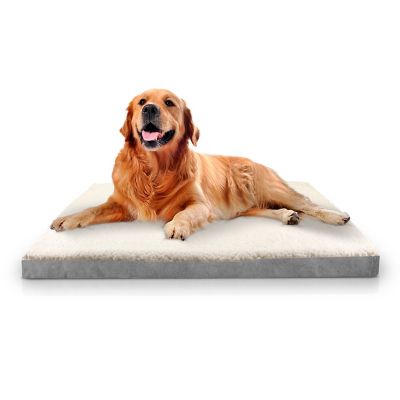
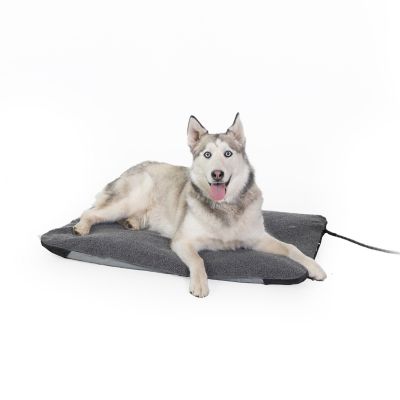
Materials make a noticeable difference in how a portable dog bed feels, packs, and stands up to everyday travel. Polyester and nylon covers are common choices for travel beds because they can keep carrying weight down and handle regular contact with floors, grass, and packed dirt. Tightly woven fabric, reinforced seams, and protected zipper closures are practical details where paws, nails, and repeated folding put stress on a bed. Ripstop fabric can help limit the spread of a small tear, but no fabric bed should be treated as chew-proof. A soft fleece or brushed sleeping surface offers a different feel from a smooth woven shell, though textured fabric may hold more hair and bits of grass. Water-resistant backing helps limit moisture passing through the underside; waterproof construction provides a stronger barrier, but seams, zippers, and openings still matter. Neither description automatically means the entire bed can be soaked or left sitting in water. Inside the bed, fiber fill provides a soft, compressible cushion, while foam generally creates a more structured resting surface. Memory foam and other supportive foam layers may suit dogs that need more cushioning beneath their joints, but added thickness also means more space in the vehicle and a larger bundle to carry. For dogs that prefer resting above the ground,
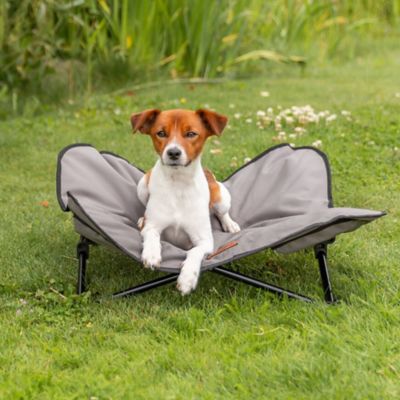
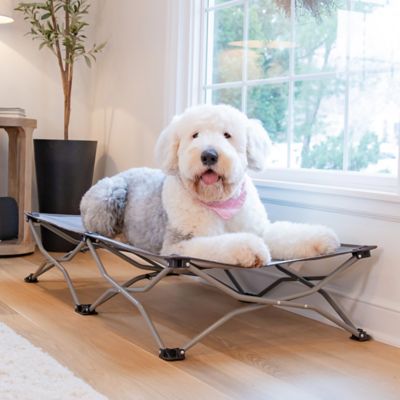
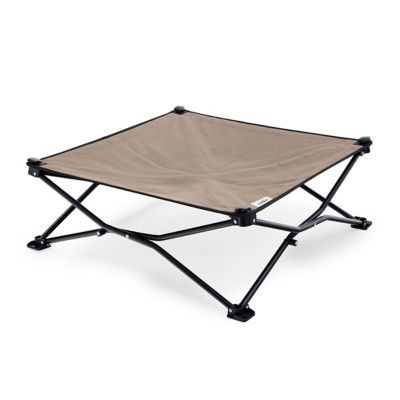
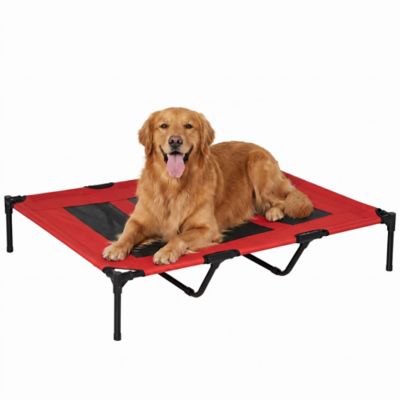
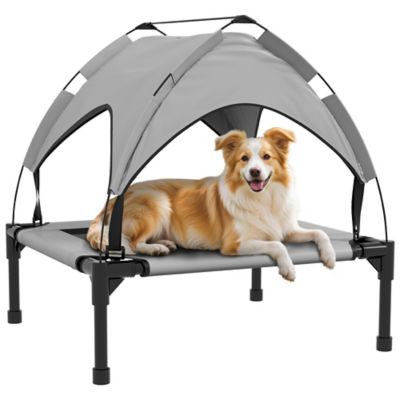
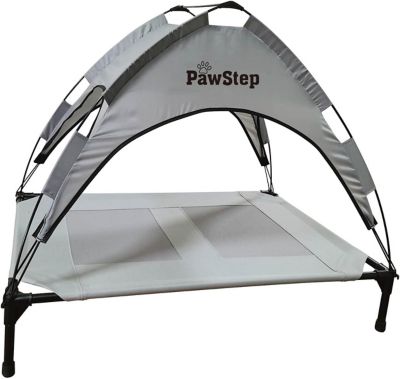
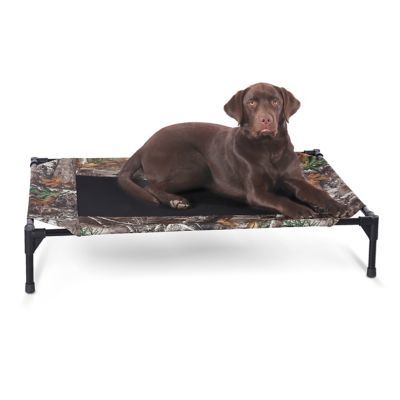
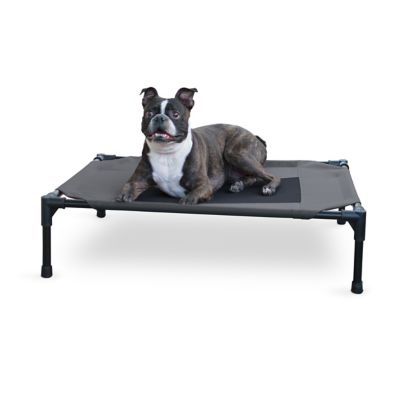
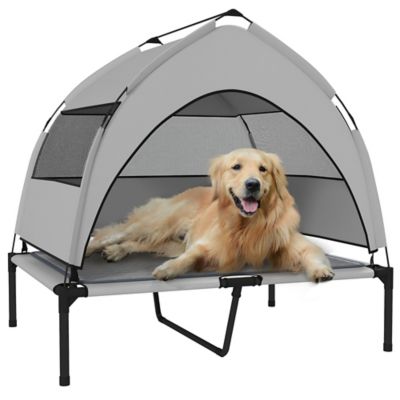
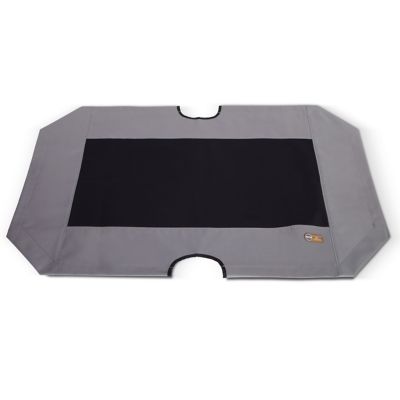
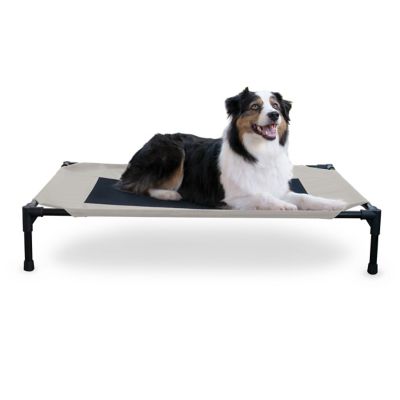
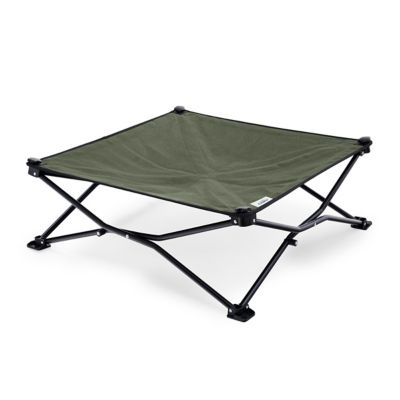
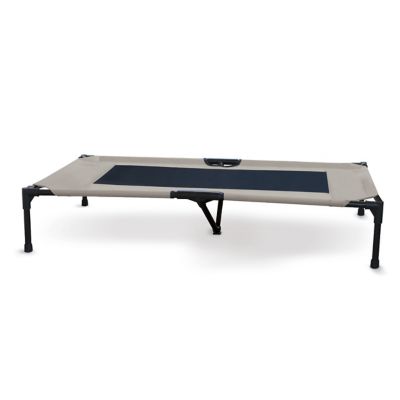
Outdoor Raised Dog Beds offer a related style that separates the sleeping surface from dirt and uneven ground. Frame height, footing, fabric tension, and weight capacity all affect how that style fits a particular dog. A steady frame matters when a dog steps on or shifts position, and folding joints need to lock as directed before the bed is occupied. Raised beds also need a reasonably level place to stand. Across both padded and framed designs, the right balance comes down to the dog’s size, sleeping habits, and the amount of carrying involved, rather than thickness or weight alone.
Easy care earns its keep after a dog has walked across a barn aisle, stretched out at camp, or carried crumbs into a travel bed during a long visit. Removable covers let the sleeping surface get cleaned separately from the cushion, while smooth undersides are often easier to wipe free of dirt before packing. Machine-washable wording may apply only to the cover, not the foam insert, frame, or complete bed, so the care label matters. Washing temperature, detergent directions, and drying instructions can vary by material and construction. Foam that stays wet inside a closed cover can develop odors, making complete drying important before storage. Loose hair and grit are easier to remove before they work into seams, and a quick look at stitching, straps, buckles, and zipper teeth helps catch wear before the next outing. Carry bags are handy for keeping a bed separate from clothing and other gear, but they work best when the bed goes in clean and dry. Between trips, portable dog beds can serve as a resting place beside a workbench, in a home office, or near the kitchen, giving the dog time to get comfortable with the same surface that will travel later. That familiarity can be helpful in an unfamiliar room, though a bed alone cannot guarantee that a nervous dog will settle. For vehicle travel, a bed is a comfort accessory, not a substitute for an appropriate restraint or secured carrier, and its placement should not interfere with either. Portable beds can also make thoughtful gifts for people who take their dogs camping, visit family with a pet, or split time between home and another property. Knowing the dog’s measurements, weight, chewing habits, and usual sleeping position makes that gift a better fit. From a short stop to an overnight stay, a bed that packs neatly, supports the dog comfortably, and cleans up without much fuss earns a place among the gear that goes along for the ride.