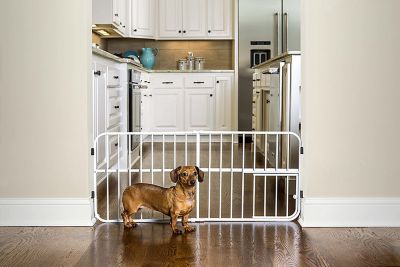
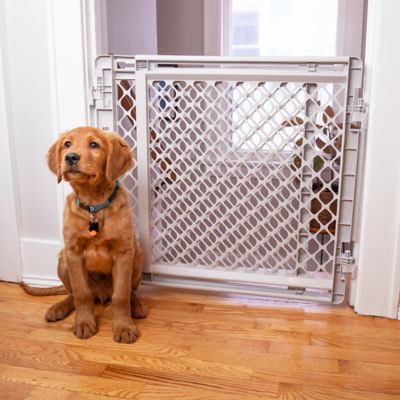
Pet gates for small dogs are a handy way to give your dog a safe boundary without shutting the whole household down. They can block off a kitchen, mudroom, stairway, nursery, laundry area, or entryway while still letting your little companion stay close to the family. A gate may be especially useful for puppies learning house rules, older dogs that need a little more supervision, or small breeds that can slip through openings meant for larger pets. Many families use one to keep curious noses away from food bowls, cleaning supplies, wood stoves, litter boxes, work areas, and muddy boots. During the cooler months, a gate can also help keep a dog away from heaters, fireplaces, or drafty doors while giving the pet a comfortable place to settle. The best pet gate for small dogs depends first on the opening you need to cover. Measure the inside width of the doorway or hallway at several points, since trim, baseboards, and uneven walls can change the fit. Check the gate’s listed width range and height, then leave enough room for the gate to sit firmly without bowing or leaving a gap along the floor. Small dogs may not need a tall barrier, but a short gate is not always the right choice for a determined jumper or climber. A low step-over style, often around 14 to 24 inches tall, can be convenient for adults who move through the house often, while a taller gate may be a better match for an energetic puppy or a dog that likes to put its paws on the rails. Keep your dog’s habits in mind along with its size. A quiet senior may be content behind a simple barrier, while a young terrier may test every corner, paw at the latch, or try to squeeze through the bars.
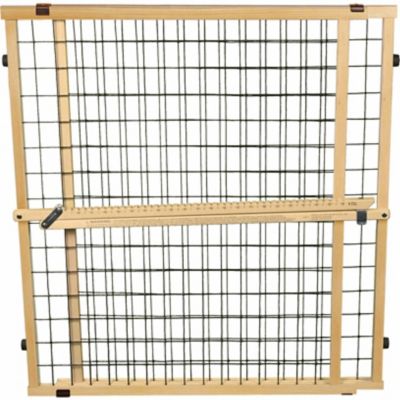
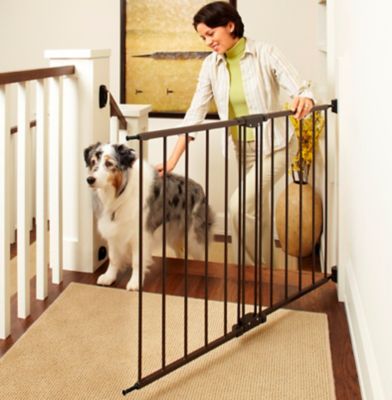
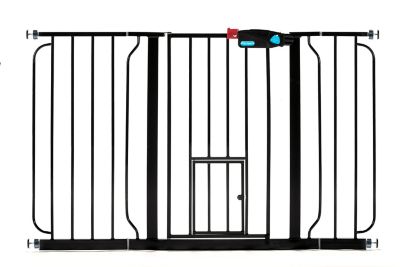
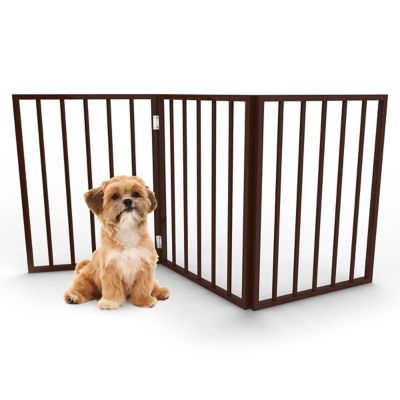
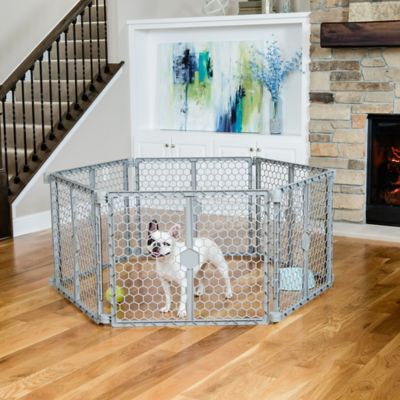
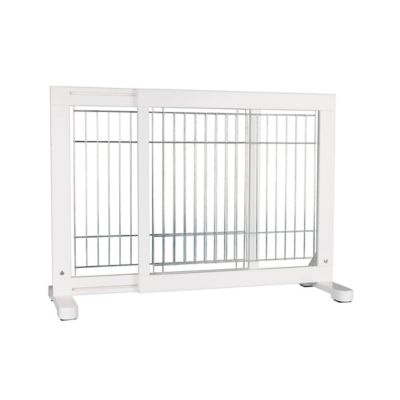
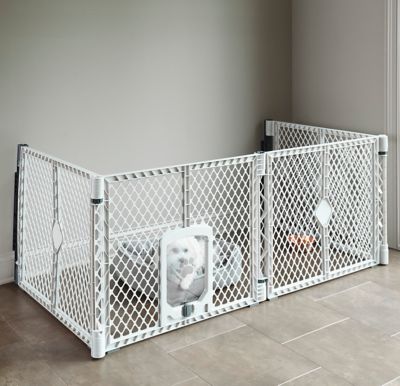
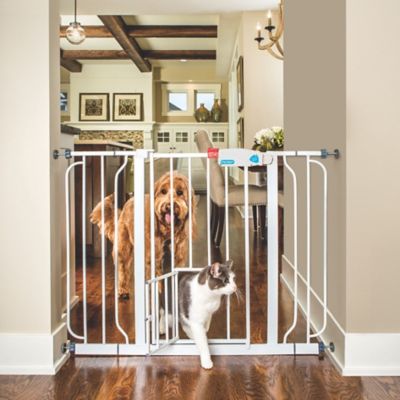
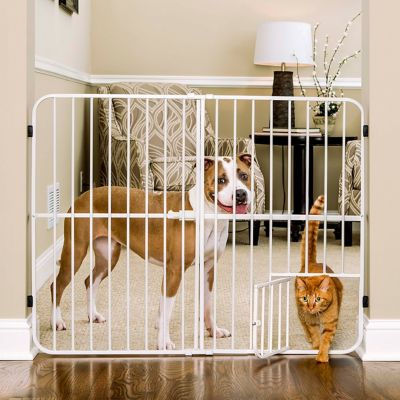
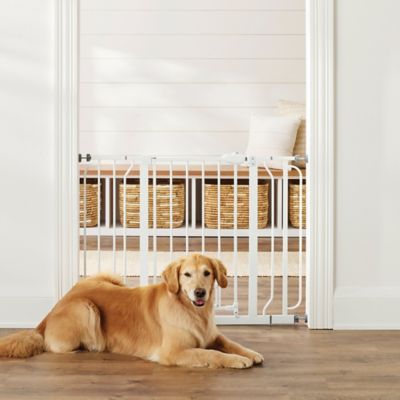
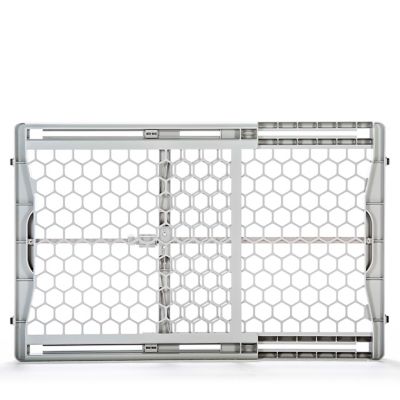
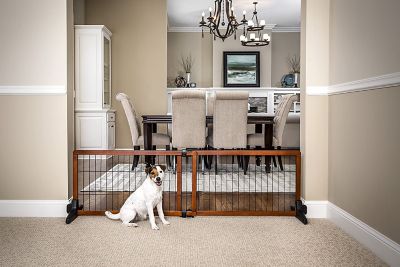
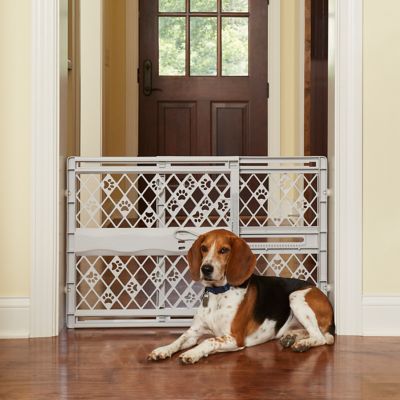
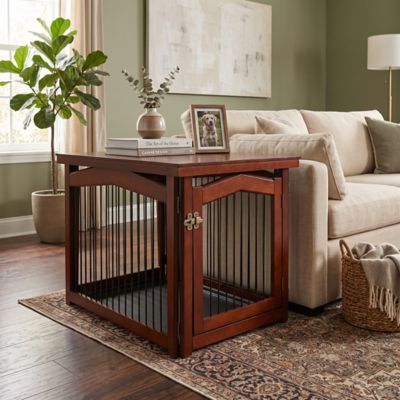
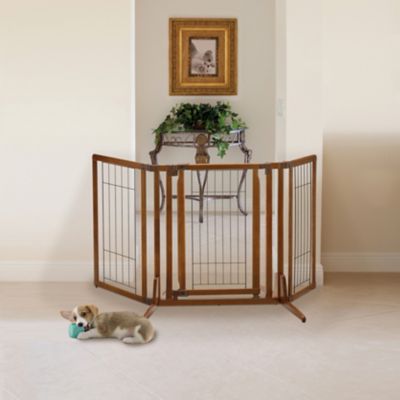
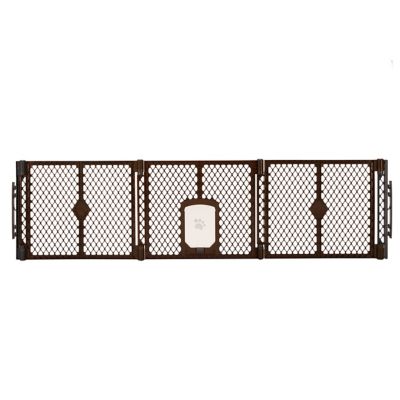
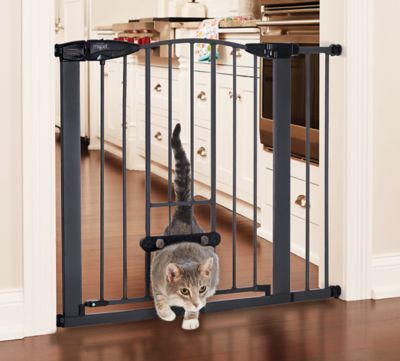
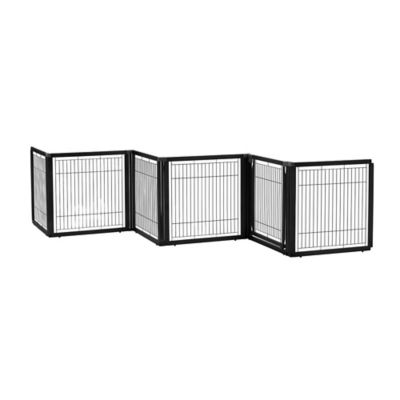
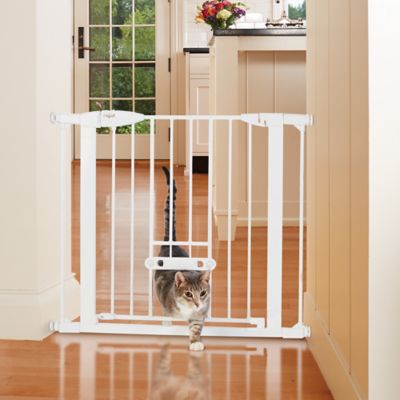
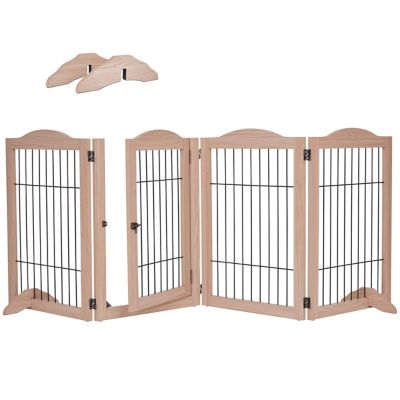
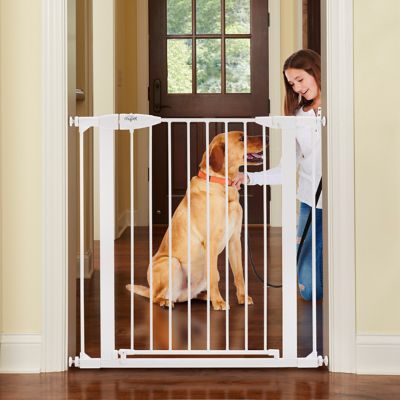
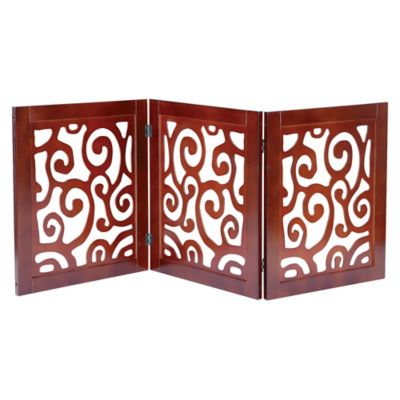
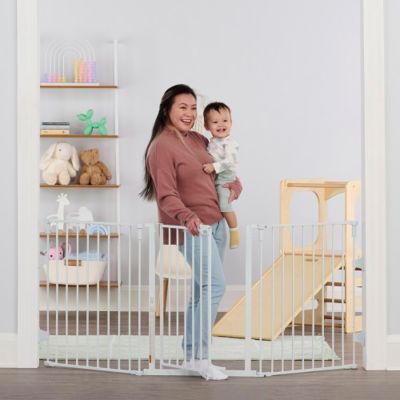
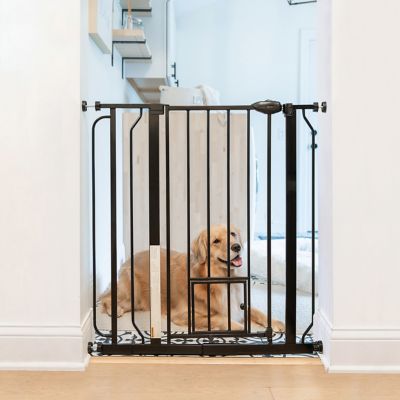
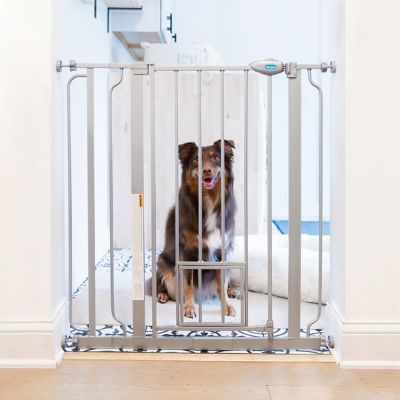
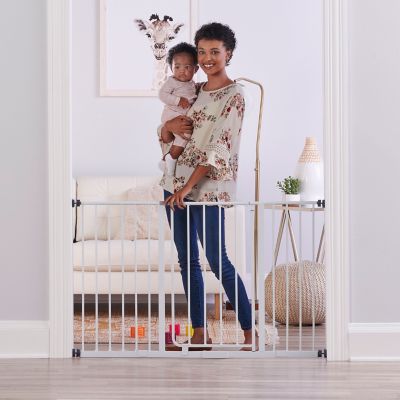
Pressure-mounted pet gates are a popular choice for standard doorways and hallways because they can usually be installed without drilling holes or using tools. They press against the sides of the opening and are easy to remove when you want to open up the room or move the gate to another spot. This style works well for renters, grandparents’ homes, temporary puppy areas, and households that need flexible pet control. Pressure mounts should be installed on solid, even surfaces, and the locking mechanism should be checked regularly to make sure it remains tight. They are generally not the best choice at the top of stairs, where a loose or bumped gate could create a serious safety concern. For stairways or places where a gate needs to withstand more pushing, a hardware-mounted design may offer a more secure setup when installed according to the directions. Freestanding gates offer another useful option, especially when you cannot mount anything to the walls or need to create a temporary boundary in a wide room. Folding panels can be repositioned, stored between uses, or arranged to close off an unusual opening. Look for a broad, stable base and enough weight to keep the gate from tipping when a small dog leans against it. Walk-through doors are helpful in busy areas because you can pass through without stepping over the barrier, and a smaller built-in pet door may allow a dog to move between rooms while keeping larger pets or children out. When choosing between wood, metal, plastic, or mesh construction, consider your dog’s chewing habits, the gate’s location, and how easy the surface will be to wipe clean. Narrow openings between bars are important for small dogs, since a little head can sometimes fit through a space that looks harmless at first glance. Smooth edges, sturdy hinges, a reliable latch, and a gate that sits flush with the floor all help create a safer setup.
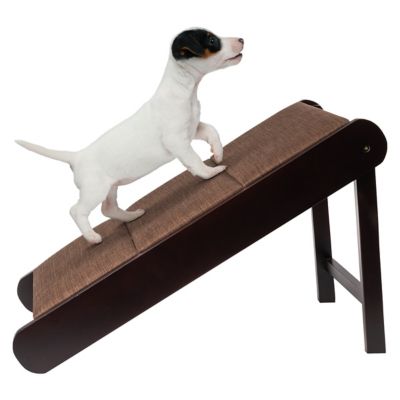
A pet gate can make a thoughtful gift for someone bringing home a puppy, welcoming a rescue dog, or preparing a guest room for a visiting pet. It is also a practical addition to a farm or country home where doors may open into a mudroom, feed area, tack space, or busy workshop. Set the gate where it supports a calm routine: use it to keep a dog in a familiar room while guests arrive, to create a quiet nap area during household projects, or to separate pets during feeding time. Introduce the barrier gradually by letting your dog sniff it while it is open, then offering praise and a small treat when the dog remains relaxed nearby. Never use a gate as a substitute for supervision, training, exercise, or a secure outdoor fence, and do not leave a dog confined near hazards it could knock over. Check the latch, mounting points, feet, and hardware from time to time, especially after moving the gate or cleaning around it. If the gate includes a pet door, make sure the opening is large enough for your dog’s chest and shoulders without being so wide that the barrier loses its purpose. For small dogs that need help getting onto a porch, couch, vehicle, or bed, a gentle incline may be useful alongside a gate; browse
Pet Ramps For Small Dogs for another way to make everyday spaces easier to navigate. With the right fit and a little attention to your dog’s personality, a small-dog gate can keep household boundaries clear while allowing your pet to remain part of the action.