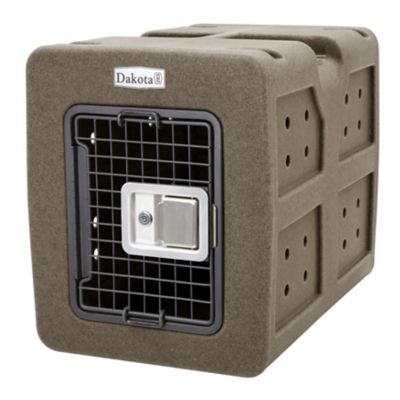
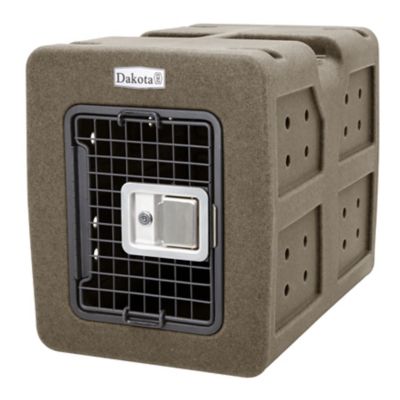
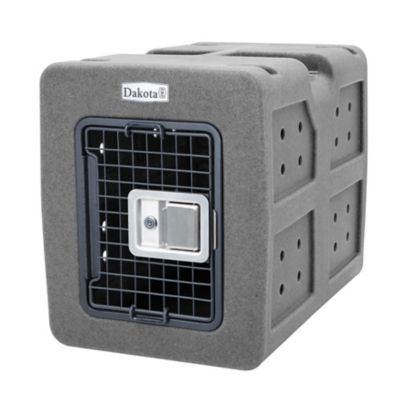
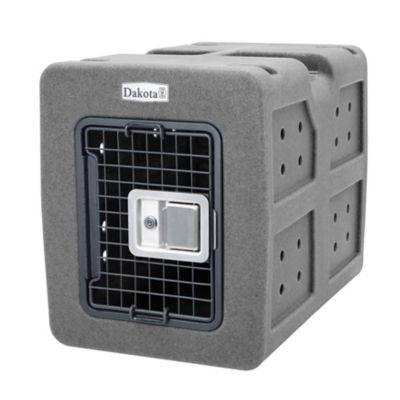
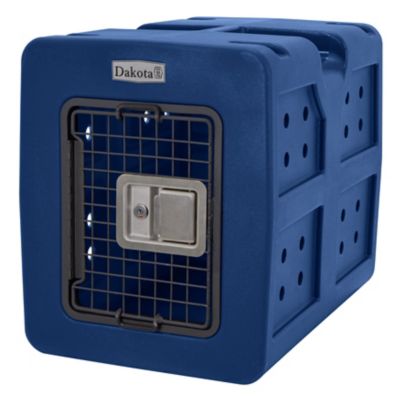
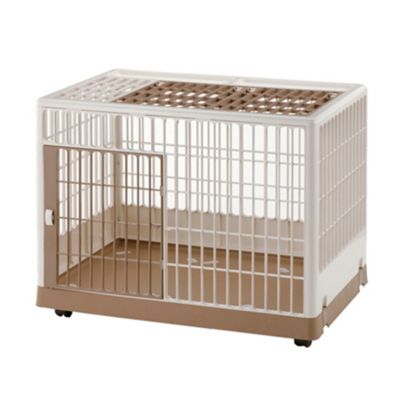
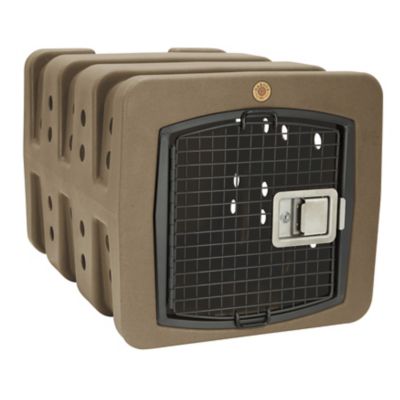
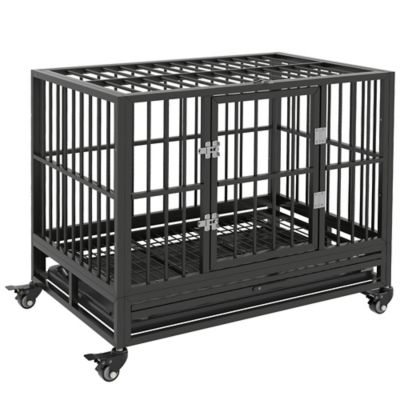
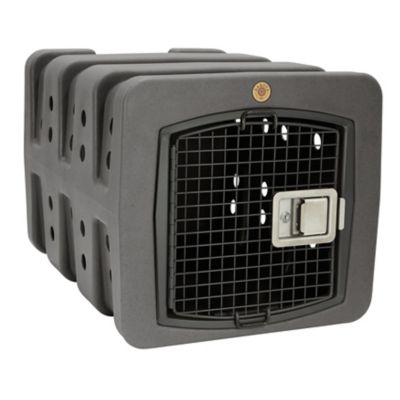
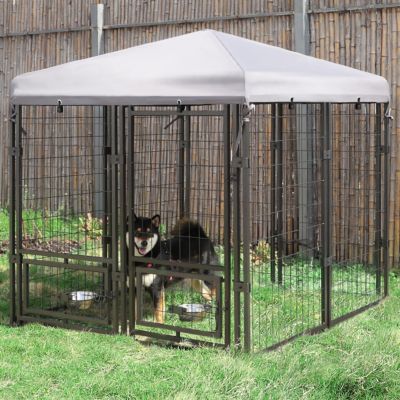
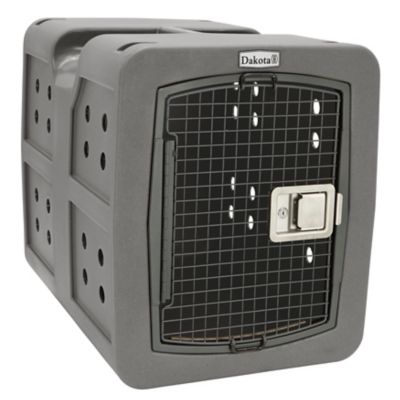
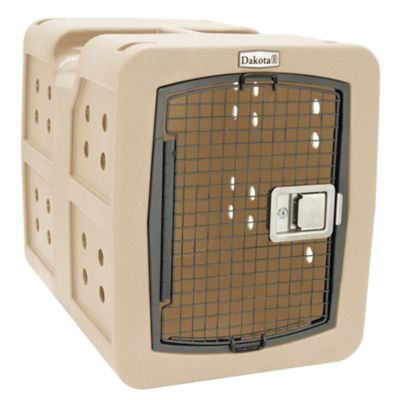
Kennels for small dogs provide a contained place for rest, house training and travel, with designs that suit everything from a quiet corner of the kitchen to a trip in the pickup cab. The right fit depends on a dog’s measurements and habits, not just a weight limit or a breed name. A small dog should be able to stand naturally without crouching, turn around without squeezing against the sides and lie down in a comfortable position. Many small-dog kennels fall in the 18- to 24-inch length range, but those numbers are a starting point rather than a fit guarantee. A long-bodied dog may need more floor space than another dog of the same weight, while a dog with upright ears may need extra interior height. Measurements from the nose to the base of the tail and from the floor to the top of the head or ears help make sense of a kennel’s dimensions. Interior measurements matter most because a sloping shell, door frame or raised floor can reduce the space inside. Weight ratings still matter, especially for carrying, but they do not tell the whole story. For a growing puppy, a kennel with an adjustable divider can keep the resting area appropriately sized while leaving room for growth. A divider should attach securely and should not create gaps where paws or a jaw could get caught. The door opening deserves attention, too: a low threshold can make entry easier for a short-legged dog or an older companion with stiff joints. Small dogs also vary in how they settle. Some stretch out on their sides, while others curl into a tight ball, so familiar sleeping habits offer another clue about fit. Even dogs that nap together elsewhere generally need separate kennels, giving each one enough room and a resting space of its own.
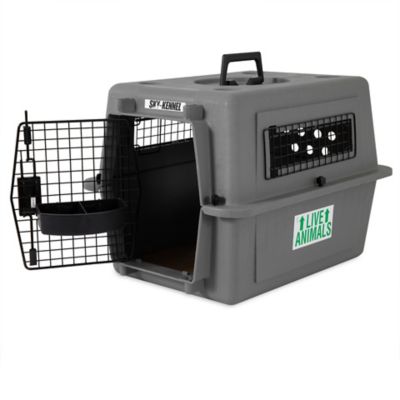
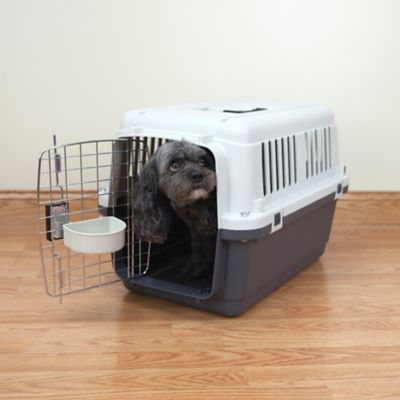
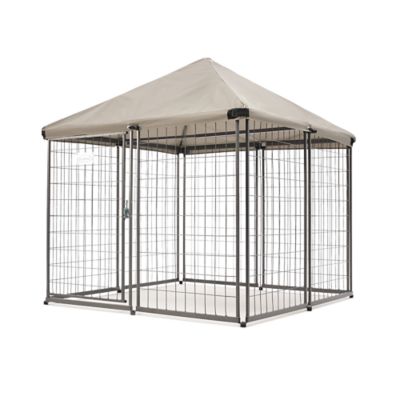
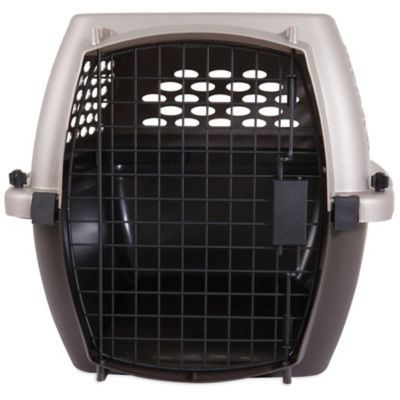
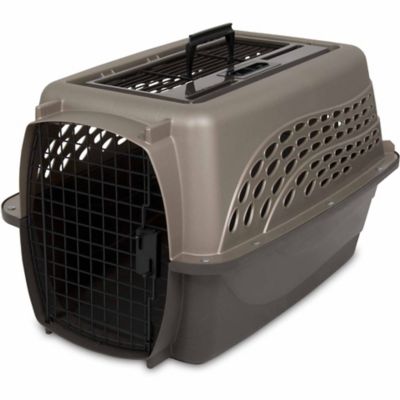
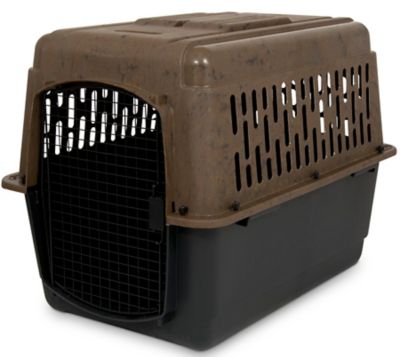
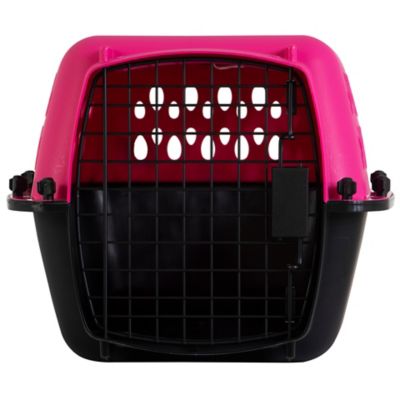
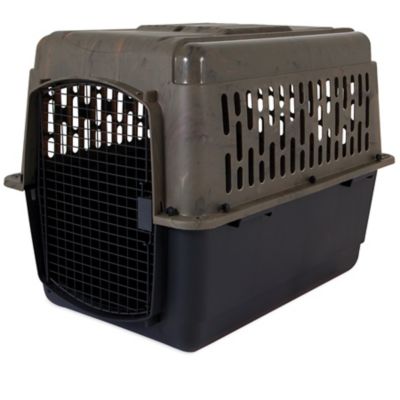
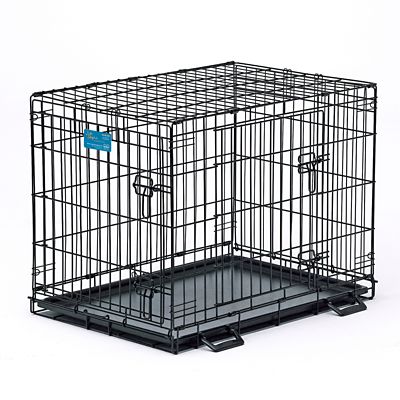
Material and construction shape how a small dog kennel works around the house and on the road. Wire kennels provide an open view and airflow, making them a practical match for dogs that settle better when they can see what is happening nearby. Fold-flat frames can tuck away between visits or fit into a vehicle when empty, while single- and double-door layouts offer different placement options beside furniture or along a wall. A second door can be handy when the front opening would otherwise face a chair leg or a narrow walkway. Rigid plastic kennels have more enclosed sides, which may appeal to dogs that prefer less visual activity around their resting spot. Vent openings, secure shell connections and a door that closes evenly all deserve a close look. Fabric kennels are often lighter to carry and can work for calm dogs already comfortable with confinement, but mesh panels and zippered openings are not a good match for determined chewing, scratching or escape attempts. No material makes a kennel escape-proof, and a dog’s behavior matters as much as the frame. For everyday wear, details such as smooth edges, firmly attached panels and latches that engage fully make a difference. Wire spacing should not allow a small dog’s head or paws to become trapped, and damaged mesh, sharp wire ends or cracked plastic are reasons to stop using the enclosure. Cleaning features matter just as much after a muddy walk or a puppy accident. A removable tray can make wiping up easier, while access to corners helps keep hair and residue from collecting along the edges. Plastic surfaces generally wipe clean, and removable fabric covers may be washable when their care directions allow it. Pet-safe cleaning products, thorough rinsing when required and complete drying help keep the resting area ready for the next nap. Checking hinges, fasteners and latches during cleanup also helps catch wear before it becomes a bigger problem.
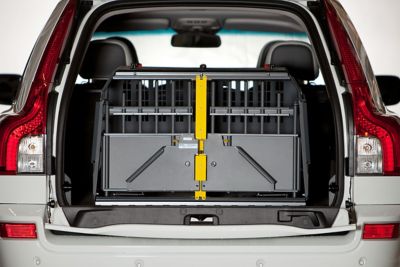
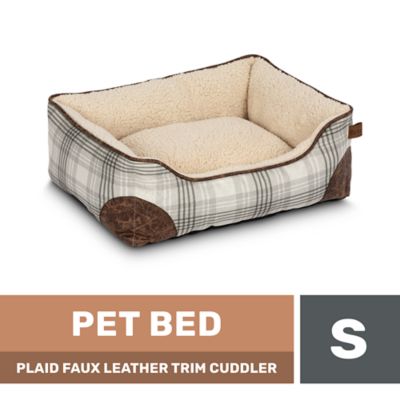
Daily routines help determine which kennel features earn their keep. A kennel that stays in one room may benefit from a broad door opening and an easy-to-remove pan, while one that moves between home, a relative’s house and the veterinarian calls for manageable weight and a secure carrying arrangement. Handles are not automatically intended to support a kennel with a dog inside; the manufacturer’s carrying directions and weight limits should govern that job. For vehicle travel, a kennel needs a suitable location and a restraint method compatible with both the enclosure and the vehicle. A household crate is not automatically crash-tested, and a carrying handle is not automatically an approved tie-down point. Travel belongs inside the vehicle rather than in an open truck bed, with ventilation openings clear of bags and other gear. At home, a quiet spot near familiar activity can help a small dog settle without placing the kennel in the middle of foot traffic. There should be enough clearance for the door to open fully, and the enclosure should sit level without rocking. Bedding changes the usable interior space, so a thick cushion should not leave a dog short on headroom. A low-profile, washable pad may suit a dog that rests calmly, while a dog that shreds fabric needs a different setup based on veterinary advice and close observation. For a separate resting spot outside the kennel,
Covered Dog Beds for Small Dogs offer another tucked-away place to curl up. A kennel works best as one part of a dog’s routine, not a substitute for exercise, company or bathroom breaks. Calm introductions, short periods with supervision and familiar routines help make the space less of a fuss. Puppies, senior dogs and dogs with medical needs may need more frequent breaks. Whether the day includes chores, visitors or a vet appointment, a properly fitted kennel gives a small dog a defined place to settle while keeping care and handling manageable.