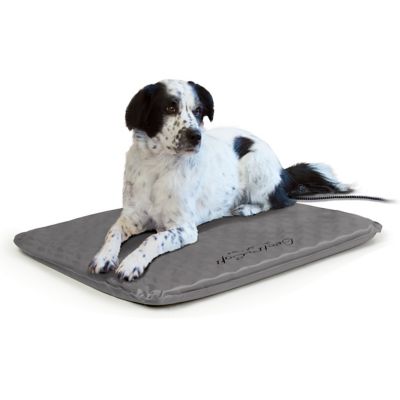
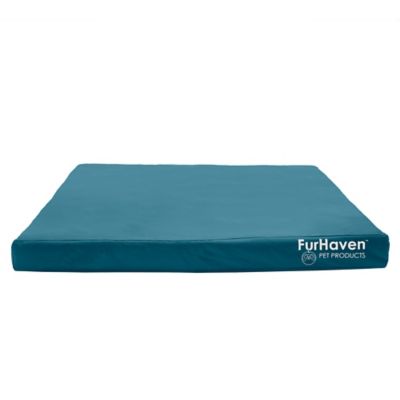
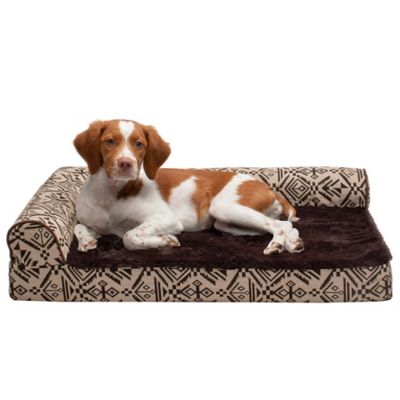
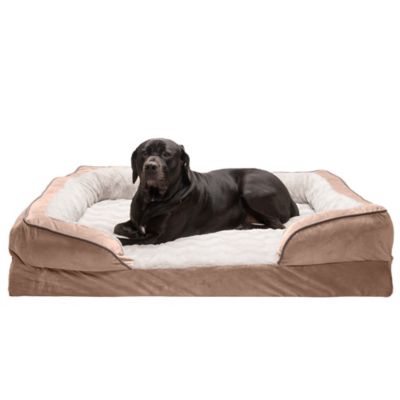
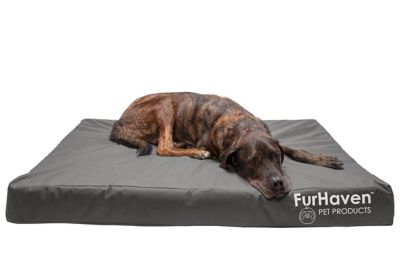
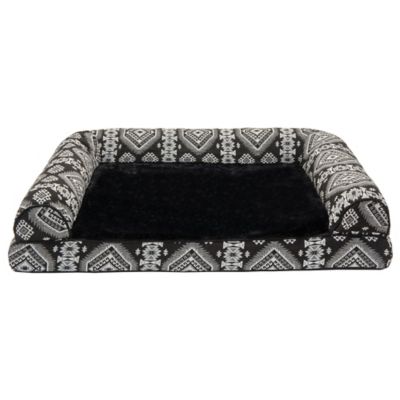
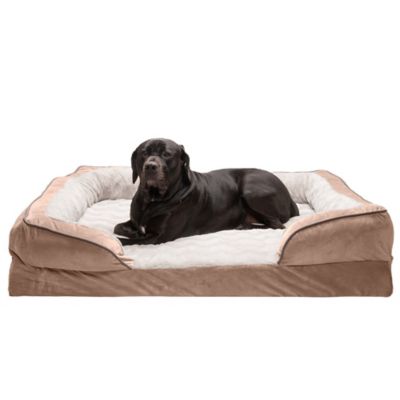
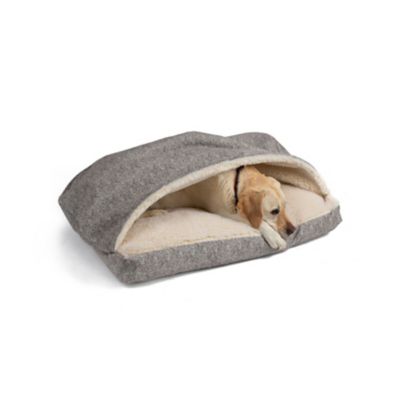
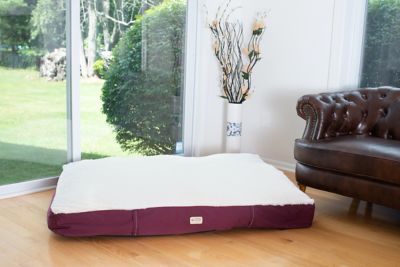
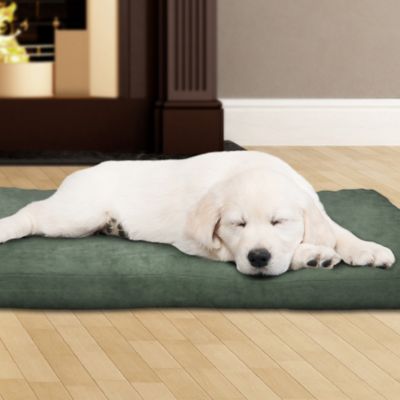
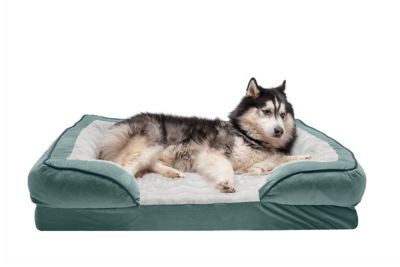
Small outdoor dog beds give little dogs a comfortable place to settle while their people spend time on the porch, tend the garden or take a break after chores. These beds range from raised dog cots with open-weave sleeping surfaces to padded mats and cushioned beds with water-resistant covers. The best fit depends on how a dog sleeps, where the bed will sit and how much exposure it gets to dirt and weather. A terrier that stretches out after a romp needs more usable sleeping space than one that curls into a tight ball, even when both dogs weigh about the same. Measuring a resting dog from nose to rump and allowing a few extra inches helps narrow down the size, but the sleeping surface matters more than the outside dimensions. Thick bolsters and wide frames can take up part of that space. Raised sides give dogs somewhere to rest their chin and can make a bed feel snug, while open edges leave room to sprawl. For short-legged dogs, puppies and older companions, a low entry makes getting comfortable easier without a big step or jump. An elevated bed should also have a listed weight capacity that suits the dog and a frame that stays steady when paws land near the edge. Small sizing varies across bed styles, so measurements tell more than a size label alone. If a dog hangs over the sides or cannot stretch comfortably,
large outdoor dog beds offer more room to spread out. A little extra space can suit a long-bodied dog, though the bed still needs to fit its spot without blocking a doorway or porch steps. For a gift to someone with a small dog, knowing the dog's sleeping habits and the size of the intended resting area makes the choice more useful than guessing by breed. A bed that fits both the dog and the daily routine is more likely to become that familiar place by the back door.
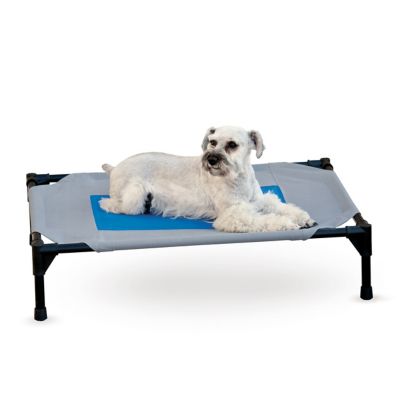
Materials make a real difference when a bed spends time outside. Elevated outdoor dog beds typically pair a metal or plastic frame with a tensioned fabric surface, often mesh, that allows air to move underneath. That design keeps the sleeping surface above bare ground and can feel pleasant in mild weather, especially in a shaded spot with a breeze. The trade-off is that airflow underneath offers little protection from cold air, so a raised cot alone is not a warm resting place during chilly weather. Padded outdoor beds provide a softer surface, with fill or foam that cushions a dog against a hard porch floor or patio. Firmer, supportive foam may suit an older dog that has trouble settling, provided the entry height is manageable and the bed does not slide. Polyester, nylon and canvas-style fabrics appear in outdoor bed covers, but the fabric name alone does not tell how well a bed handles rain. Water resistance depends on the weave, coating, seams and overall construction. A water-resistant cover can help shed light moisture or muddy paw marks, while a waterproof barrier is intended to keep water from reaching the filling. Seams, zippers and openings still deserve attention, and neither description means a bed should sit in standing water. A removable cover with a protected inner cushion can make everyday cleanup simpler. Reinforced seams, closely woven fabric and a sturdy frame help a bed stand up to scratching, shifting and repeated trips between the house and yard. Chew-resistant construction may slow damage, but no fabric bed should be treated as chew-proof. Dogs that pull at corners or work on zippers need supervision and regular checks for loose pieces. Cooling features, including breathable mesh or purpose-built inserts, may help with comfort in warmer conditions, but shade, drinking water and relief from heat remain essential. As temperatures drop, wet filling and damp covers become reasons to move the bed somewhere dry rather than leave a small dog resting outside.
Everyday placement and care help an outdoor bed stay inviting beyond its first afternoon on the porch. A level spot under a roof keeps it out of much of the direct rain, while enough clearance around the frame lets a dog climb on without bumping into furniture. On wood decking or smooth concrete, nonslip feet or a suitable nonslip base can help limit movement; on gravel or uneven ground, a stable frame matters more than a tidy appearance. Keeping the resting area away from equipment paths, gates and busy walkways gives a small dog a quieter place to watch the activity. For trips to a campground or visits with family, a folding cot or roll-up mat can make a familiar sleeping spot easier to pack. Carry weight, folded dimensions and straightforward setup matter when the bed travels along with a leash, water bowl and other essentials. At home, shaking off loose dirt and brushing away hair before washing helps keep grit from working into seams. Cleaning instructions vary: some covers allow machine washing, some surfaces can be rinsed, and others call for wiping or spot cleaning. Foam inserts and assembled frames may need different care from their covers, so the care label should settle that decision. After cleaning or a damp morning, let every layer dry fully before putting the bed back together or storing it. Check the underside as well as the top, since moisture can linger where fabric meets the ground. Periodic checks of stitching, fasteners, frame joints and worn corners help catch trouble before filling comes loose or support gives way. Bringing the bed indoors between outings, especially during rain, frost or long stretches of cold, helps limit weather wear. An outdoor dog bed is a resting spot for supervised time outside, not a substitute for shelter or an indoor sleeping area. Whether it sits beside a porch chair or travels along for a weekend away, the right combination of fit, support and manageable cleanup gives a small dog somewhere comfortable to settle close to the day's activity.