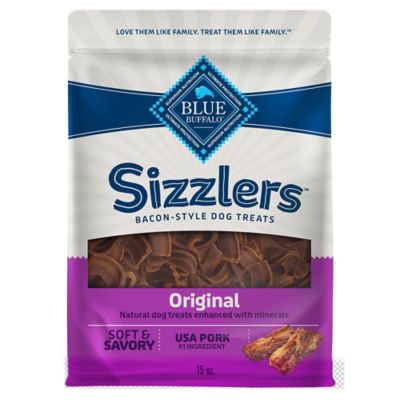
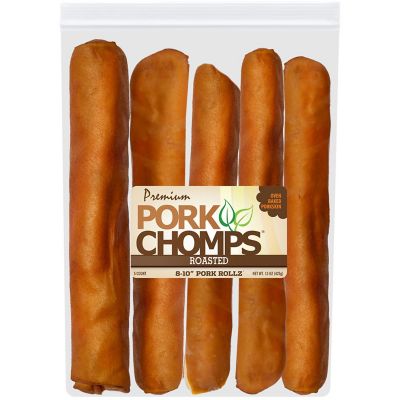
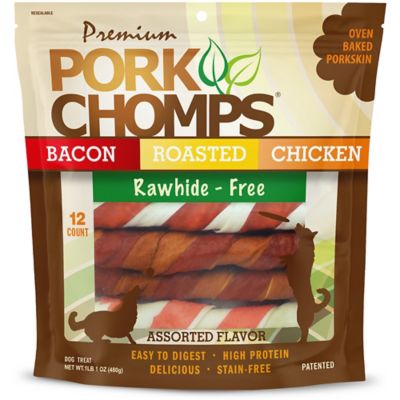
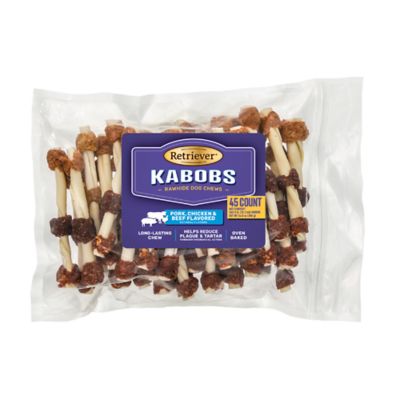
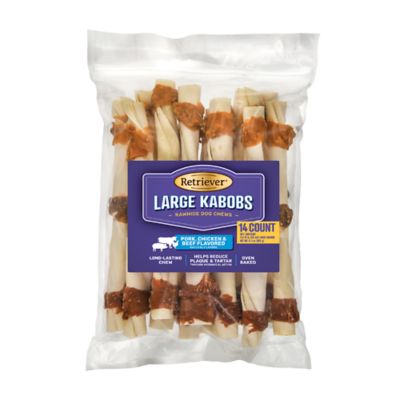
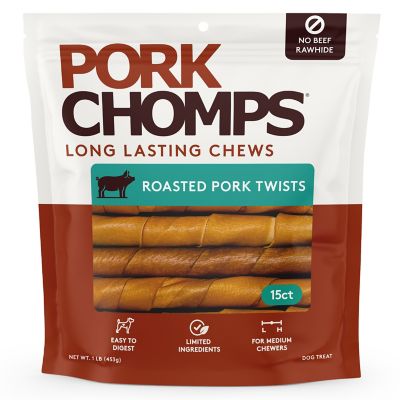
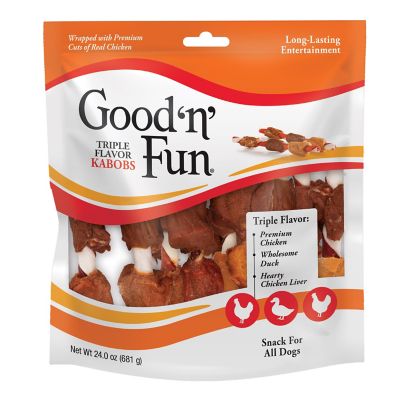
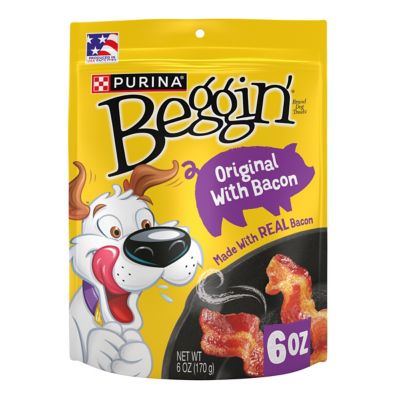
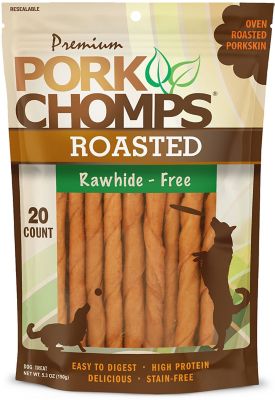
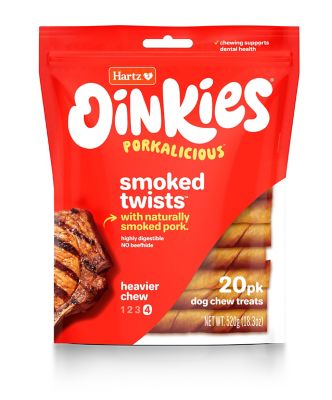
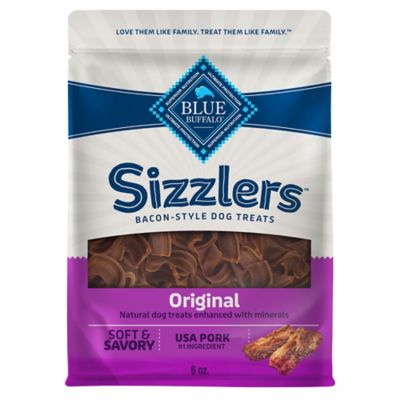
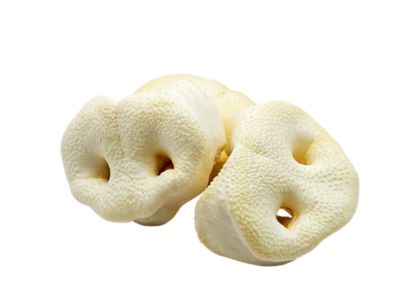
Pork dog treats bring a savory, meaty reward to everyday training, playtime and those quiet moments beside the porch chair. The category includes soft training bites, crunchy biscuits, jerky-style strips, dried meat pieces and pork-based chews, with different textures suited to different routines. Small, tender pieces make sense for frequent rewards when a dog is learning to settle at the gate, come when called or keep four paws on the ground when company arrives. They are easy to portion and quick to eat, helping keep attention on the task instead of a lengthy chewing break. Larger strips and firmer treats offer a different eating experience, though chewing time depends on the individual dog rather than the treat’s appearance alone. Pork supplies animal protein, while the full recipe determines the amount of protein, fat and calories in each serving. Some treats contain pork as their only ingredient; others combine it with grains, vegetables or additional animal ingredients. A pork recipe is not necessarily a pork-only recipe, so the ingredient list matters for dogs following a particular feeding plan. Pork meat, organs and skin also have different nutritional profiles, making the label more useful than a broad description such as “meaty.” For households keeping track of several dogs, clearly labeled packages help match each reward to the right animal. A small companion practicing leash manners may need tiny portions, while a larger farm dog may do better with a piece that is easier to take gently from a hand. Strong aroma, manageable size and a texture the dog enjoys can all influence how well a treat fits a training session. Treats that break cleanly into smaller portions offer flexibility, provided the pieces remain appropriate for the dog’s mouth and chewing habits. The best fit is a reward that matches the dog’s needs without interrupting the rhythm of daily life.
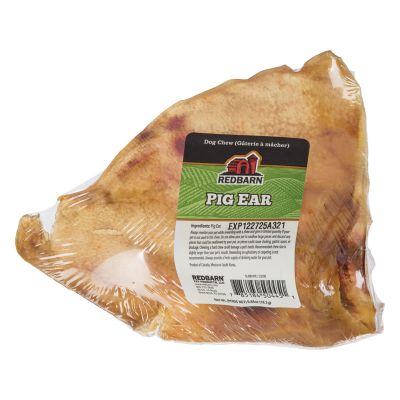
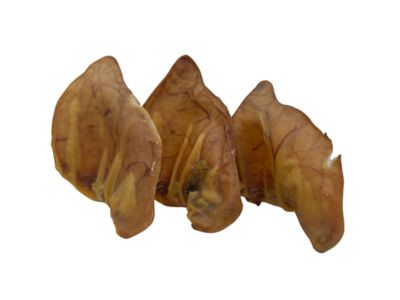
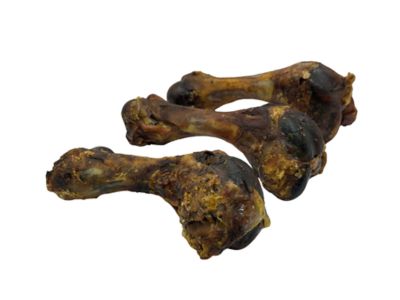
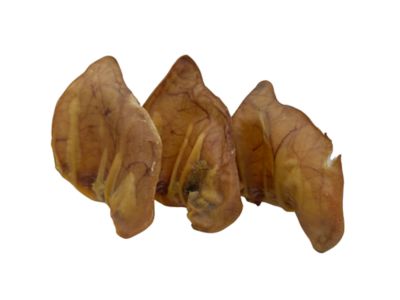
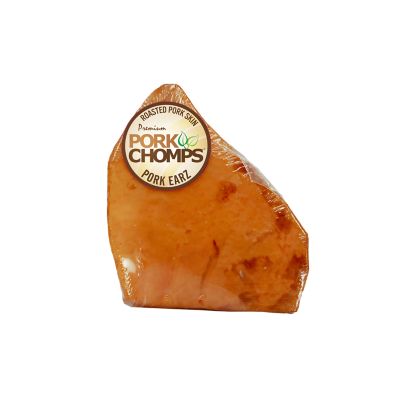
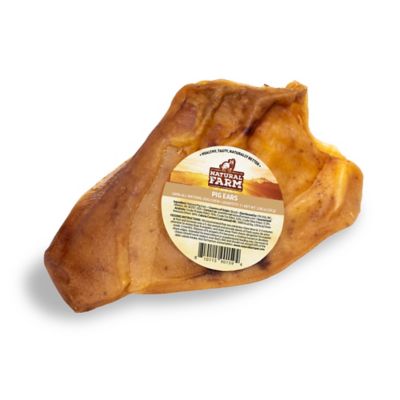
Texture and size deserve just as much attention as flavor when comparing pork treats for dogs. A soft bite, a crisp biscuit and a dense chew each put different demands on the mouth. Puppies, older dogs and dogs with missing teeth or dental trouble may need softer options, with a veterinarian’s advice where appropriate. Very hard chews can damage teeth, and a chew that looks substantial can still become a swallowing hazard as it gets smaller. Choosing by body weight alone does not tell the whole story: a dog that gulps food needs different consideration than one that nibbles slowly. Package age recommendations, feeding directions and size guidance help narrow the choice, but supervision remains important with any chew. A dog should have enough room to enjoy the treat without another pet crowding the bowl or trying to snatch it away. In a busy household, separate resting spots can make treat time calmer and make it easier to see how each dog handles a new texture. Pig ears and other skin-based pork chews may be higher in fat than lean meat treats, so they are not interchangeable serving for serving. They also should not be treated as an all-day snack or left unattended with a dog that tears off and swallows large pieces. Any chew that becomes small enough to swallow whole should be taken away. Cooked pork bones are not an appropriate substitute for dog treats because they can splinter and cause serious injury. Chewing does not replace toothbrushing or veterinary dental care, either; dental benefits require more than a rough surface or firm texture. For dogs that chew with enough force to crack hard objects, a veterinarian can help identify safer reward options. Practical details matter, too: crumbly treats can leave bits on bedding, while softer or oily pieces may be better served on an easy-to-clean surface rather than tucked into a pocket loose.
Portion size keeps pork dog treats in their proper place as rewards rather than the main meal. A common veterinary guideline is to keep treats and other extras to no more than 10% of a dog’s daily calories, unless the veterinarian recommends otherwise. That allowance includes rewards from everyone in the household, not just the person filling the food bowl. Calories per piece or per serving are especially helpful when a dog gets several rewards during leash practice, grooming or a trip in the truck. Breaking a suitable treat into smaller pieces can stretch the number of rewards without increasing the total portion. Dogs with a history of pancreatitis, weight concerns, digestive trouble or a prescribed diet need veterinary guidance before pork treats become part of the routine. Pork is not automatically a low-fat choice, and a single-ingredient label does not guarantee that a treat suits a sensitive stomach. Nor is pork automatically appropriate for a dog with food allergies; prior exposure and the complete ingredient list both matter. For shoppers comparing ingredient approaches,
Natural Dog Treats provides another category to explore, with the same attention to ingredients, calories and feeding directions. Storage and handling help keep any selection fit for its intended purpose. The package should explain whether refrigeration is necessary after opening and how tightly the container needs to close. Keeping treats in their original packaging, even inside a separate container, preserves the ingredient information, lot number and best-by date. A clean, dry storage spot away from feed chemicals and household cleaners helps prevent contamination. Hands, treat containers and surfaces need regular washing, particularly after handling animal-based chews. Treats showing mold, an unexpected odor or a noticeable change in condition belong in the trash where pets cannot reach them. With sensible portions, thoughtful handling and a texture matched to the dog, pork treats can fit comfortably into daily routines, from a quick reward after recall practice to a supervised chewing break close by.