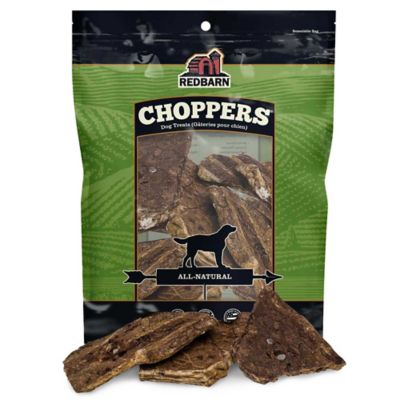
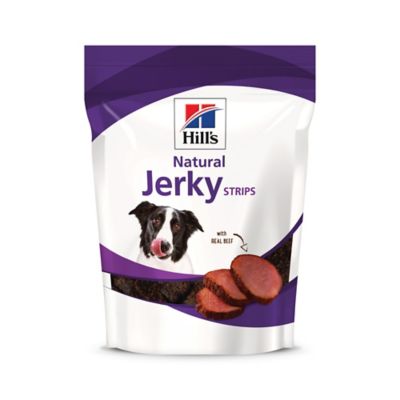
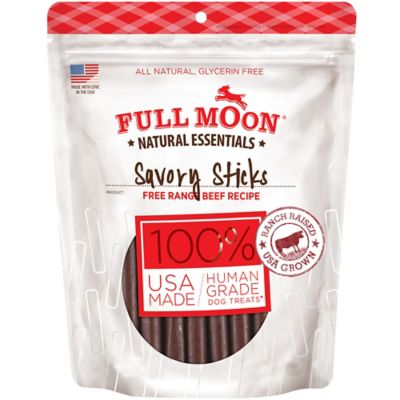
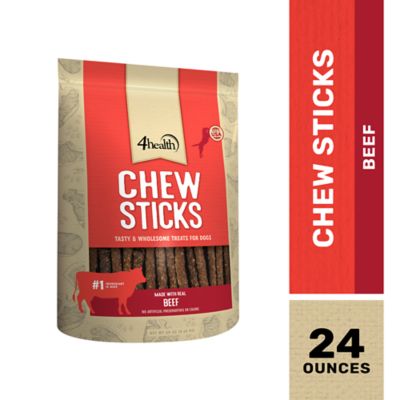
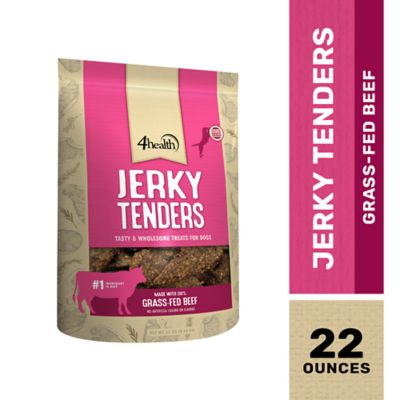
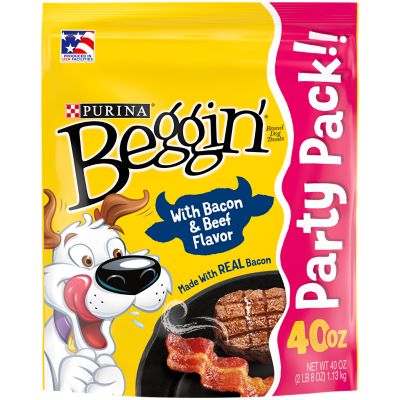
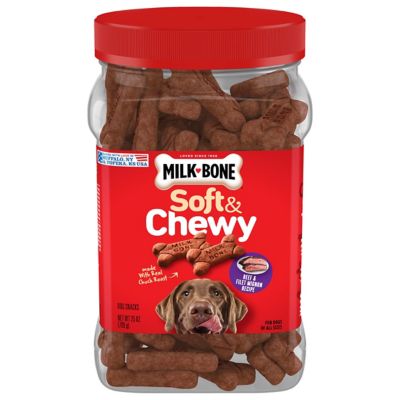
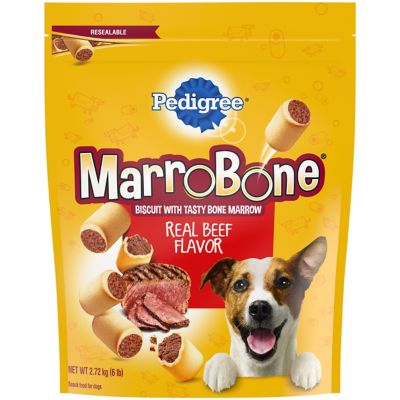
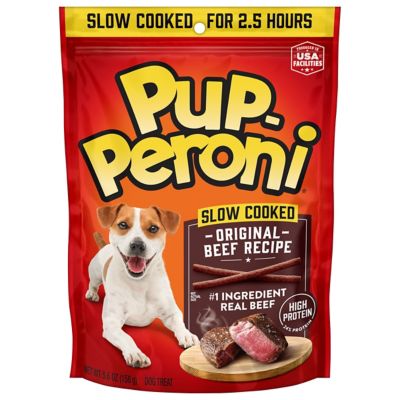
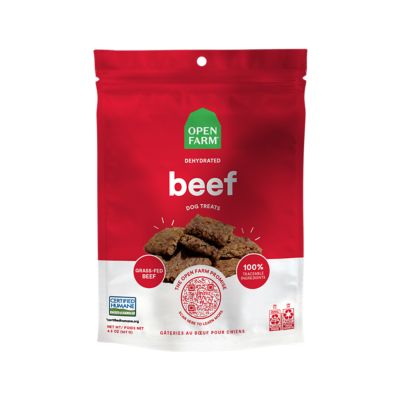
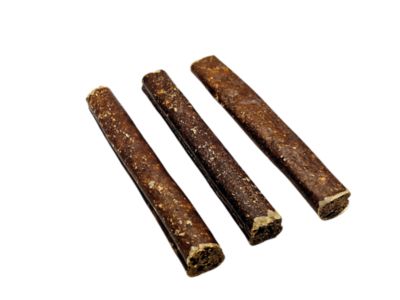
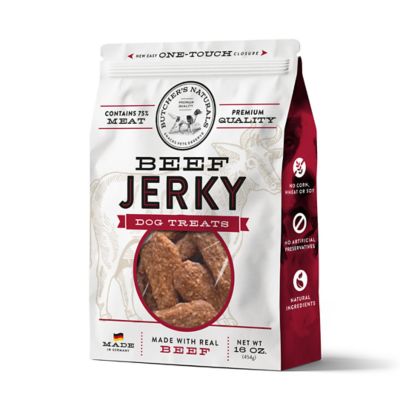
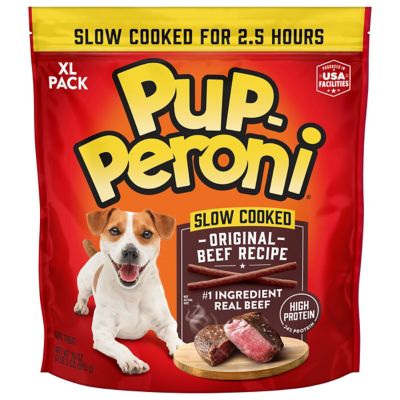
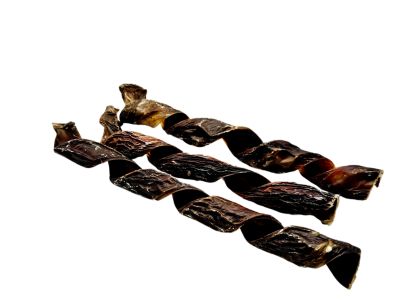
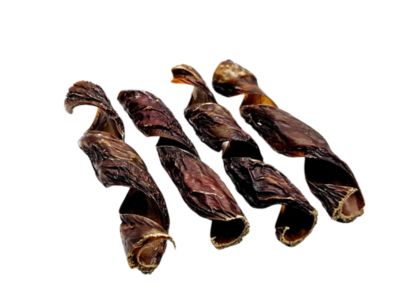
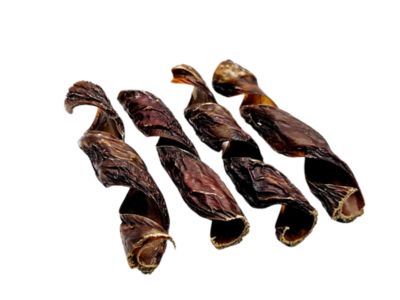
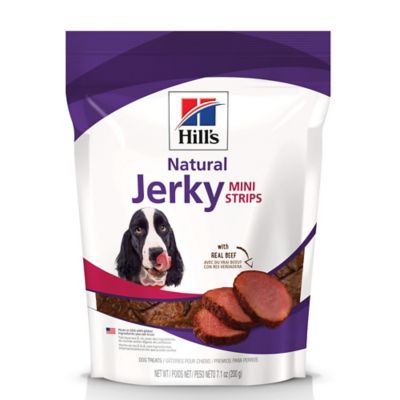
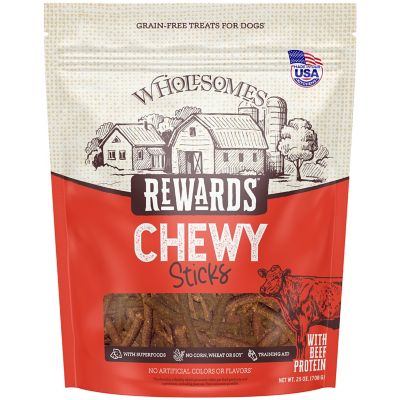
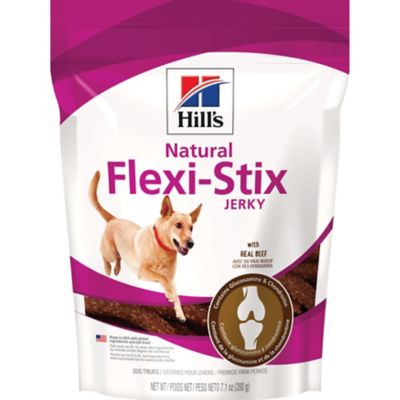
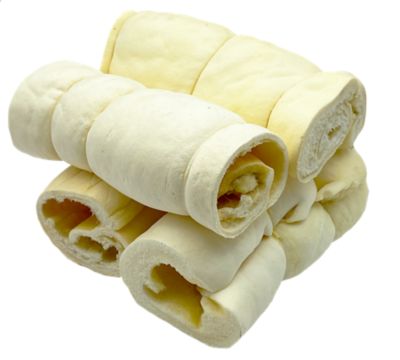
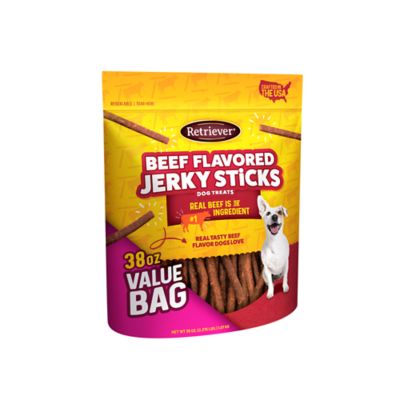
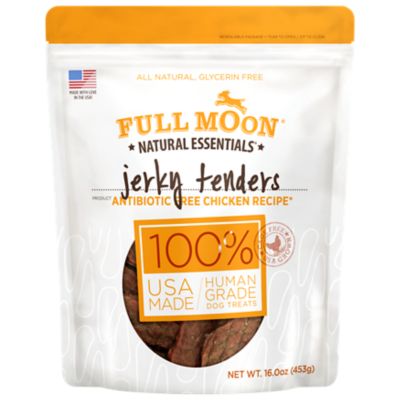
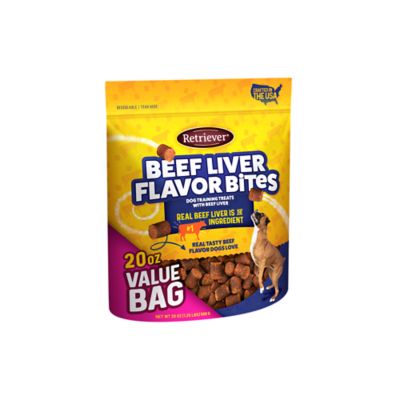
Beef dog treats are snacks made with beef meat, organs, or other beef ingredients, with textures ranging from soft training bites to jerky strips, crisp pieces, and chews that take more time to work through. That variety makes room for a quick reward at the back door, a pocketful of encouragement during leash practice, or a supervised chewing break after a walk around the property. The main differences come down to ingredients, texture, portion size, and the way each treat fits a dog’s regular diet. Soft beef treats are often easy to break into small rewards, while dried strips may have a firmer, more fibrous bite. Freeze-dried beef treats are generally light and porous, though some crumble more readily than others. Treats made from beef liver or lung have different textures and nutrient profiles from those made with muscle meat, so the word “beef” alone does not tell the whole story. A single-ingredient treat lists one ingredient, while a beef-flavored snack may also contain grains, starches, other animal proteins, or ingredients that help hold its shape. Neither a short ingredient list nor a particular drying method makes a treat the right match for every dog. The ingredient statement, calorie information, and feeding directions offer a better picture of what goes into the bowl—or the treat pouch. For dogs with food sensitivities, checking for other proteins matters just as much as looking for beef on the front of the package. Beef itself can also trigger a reaction in some dogs. Fat levels vary, too, and a rich snack may not suit a dog with a sensitive stomach or a veterinarian-directed diet. A familiar beef flavor can be appealing, but comfort, tolerance, and manageable portions matter more than a bold label. Treats belong alongside a complete and balanced dog food, not in place of regular meals.
Size and texture help determine how a beef treat fits into everyday life. A small dog needs a piece that is easy to handle, while a larger dog still needs a size and shape that discourage gulping. A big mouth is not a reason to overlook choking risks, and a small bite is not automatically safe for a dog that swallows without chewing. Soft, breakable pieces often make sense for repeated rewards because they let a dog finish the bite and get back to the task. During a practice session at the gate, a tiny reward can mark a good sit without turning every repetition into a lengthy snack break. Longer strips can sometimes be divided into portions, but their thickness and flexibility vary. For puppies, seniors, and dogs with missing teeth or sore mouths, texture deserves extra attention; a veterinarian can help identify suitable choices when chewing is uncomfortable or dental concerns are present. Very hard chews can fracture teeth, and tough pieces can become swallowing hazards as they get smaller. Supervision matters whenever a dog has a chew, particularly for an eager eater that tries to finish before another dog comes near. Separate treat spaces can keep that competition out of the picture. Package feeding directions provide a starting point, but calories from all snacks count together. Treats generally should contribute no more than about 10 percent of a dog’s daily calories, with the rest coming from complete and balanced food, unless a veterinarian recommends otherwise. That allowance includes the reward after a walk, the bite tucked into a food toy, and anything offered by another family member. Dogs working on weight management may need especially small portions. Even an active dog running fence lines needs an amount that matches its individual needs rather than an open-ended handful. Beef treats made for dogs also differ from people’s jerky, which may contain onion, garlic, or heavy seasoning that does not belong in a dog’s snack routine.
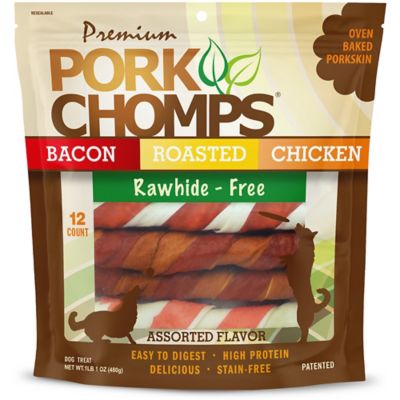
Keeping beef dog treats in good condition starts with the package directions. Some belong in a tightly closed bag or container in a cool, dry cupboard; others may need refrigeration after opening. Drying does not make every treat shelf-stable indefinitely, and a resealable pouch still needs a proper seal. Leaving a bag open on a feed-room shelf or forgetting soft treats in a coat pocket can affect freshness and invite contamination. For training away from home, carrying only the amount needed keeps the rest protected in its original package. Retaining that package also keeps the ingredient list, feeding guidance, expiration date, and lot information close at hand. Clean hands, a clean scoop when needed, and regular washing of treat pouches and food toys help keep snack time tidy. Raw and freeze-dried raw meat treats require particular care because freezing or drying does not necessarily eliminate harmful germs; follow handling directions and keep them away from human food preparation areas. Fresh drinking water should stay within reach, especially during chewing sessions. When introducing an unfamiliar beef treat, a small portion makes it easier to watch for digestive upset before offering more. Dogs on restricted diets may need veterinary approval before any new snack, including a different animal protein. For households comparing beef with
Pork Dog Treats, the useful comparison is the full ingredient list, calories, fat content, and texture—not flavor alone. Treats can also make a thoughtful addition to a care package for a friend’s dog, provided the recipient’s feeding rules and sensitivities are known first. Whether the daily routine includes barn chores, neighborhood walks, or settling beside a favorite chair, the best fit is a beef treat the dog can comfortably manage and the person feeding it can portion, store, and serve with confidence.