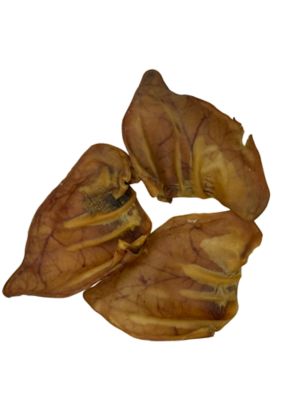
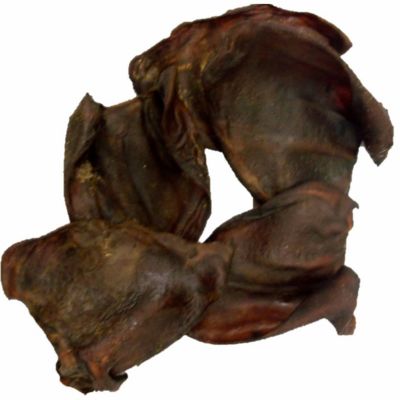
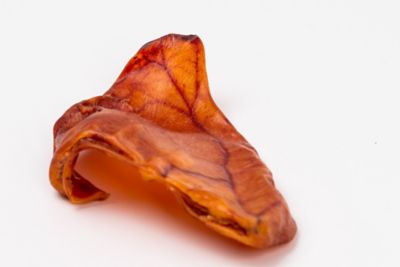
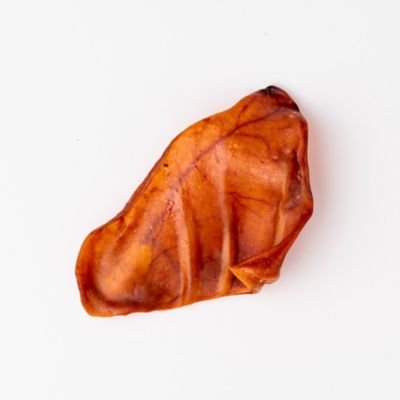
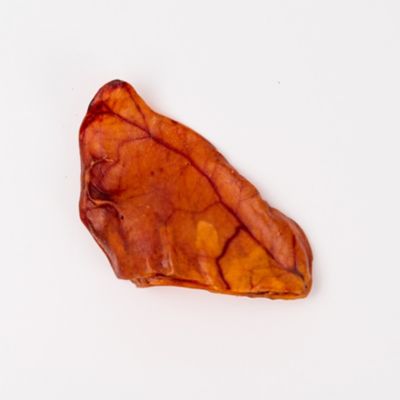
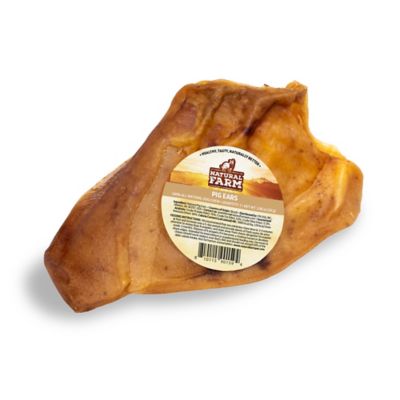
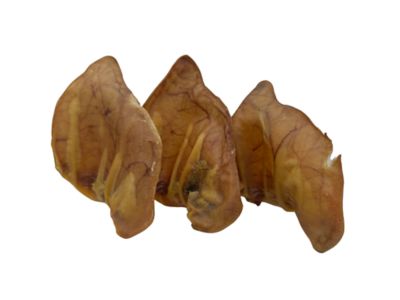
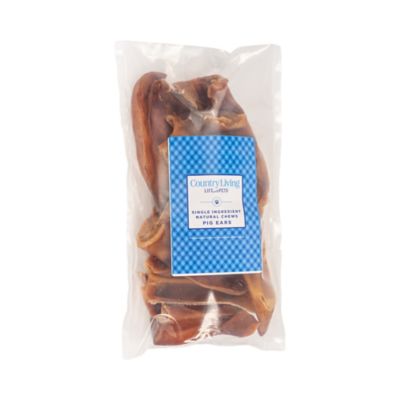
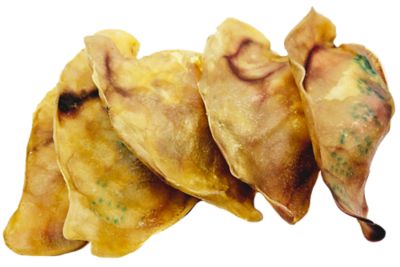
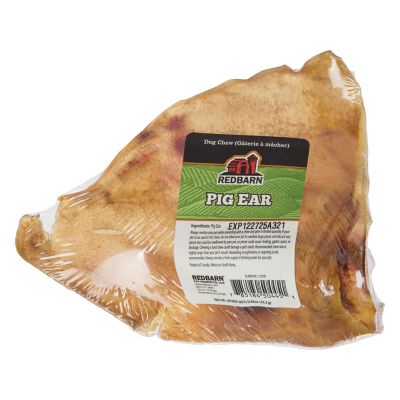
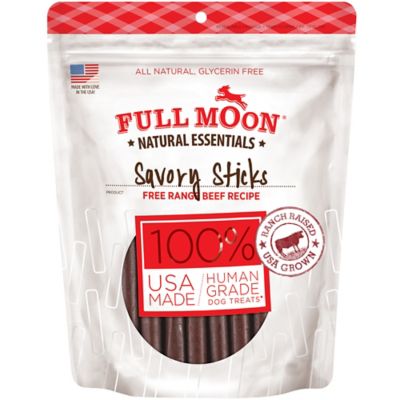
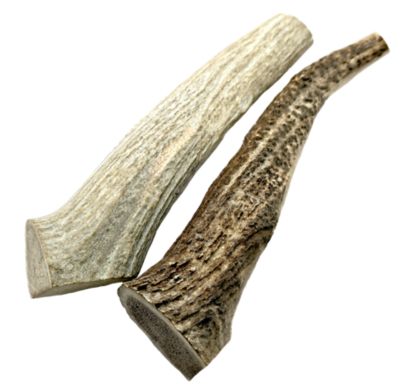
Pig ear dog treats are a classic natural chew for dogs that enjoy settling in with something tasty and long-lasting. Made from a single animal-based ingredient in many cases, pig ears offer a rich, savory flavor and a firm, flexible texture that can keep a dog happily occupied while satisfying the natural urge to chew. They may be a good fit for pet parents looking for a simple reward without a long list of added ingredients, especially when choosing treats made without artificial colors, flavors, or preservatives. Natural pig ears are also a source of protein, though they tend to be higher in fat and calories than many everyday training treats. That makes them better suited for occasional chewing than for handing out several times a day. A pig ear can be a welcome treat after a long walk, a good distraction while the family is busy with chores, or a special reward for a dog that has been a faithful companion around the house, barn, or campsite. During the cooler months, when dogs may spend more time indoors, a chew can give them a constructive way to stay busy while the weather keeps outdoor play short. They also make a thoughtful add-on for a dog-owning friend or family member, particularly when paired with other practical pet supplies. For shoppers comparing pig ear dog treats, look at the ingredient list, country of origin, processing details, package count, and the size and thickness of each chew. Whole ears are often larger and may suit medium to large dogs, while smaller pieces or sliced options can be easier to portion for smaller dogs. Even within one package, natural chews can vary in shape, color, thickness, and chewing time. That variation is normal, but each piece should be clean, dry, and free from an unusual odor, sharp edges, or signs of moisture or spoilage. Pet parents who prefer simple ingredients may also want to browse
Natural Dog Treats for more ways to reward a dog with straightforward, familiar options.
Because pig ears are rich chews, portion control matters. A dog that is prone to weight gain, has a sensitive stomach, or follows a restricted diet may need a different type of reward, and it is smart to check with a veterinarian before adding pig ears to the routine. Treats of all kinds, including natural chews, should generally make up only a small part of a dog’s daily calories. Account for the chew when measuring meals, especially for smaller dogs, senior dogs, or dogs that do not get much daily exercise. The right size depends on more than breed labels. Consider the dog’s actual weight, jaw strength, chewing habits, and history with treats. A determined power chewer may work through a thin ear quickly, while a gentle chewer may enjoy the same piece for much longer. Dogs that gulp food or try to swallow chews whole may not be good candidates for pig ears unless a veterinarian recommends a safe approach. Always stay nearby and supervise from the first bite to the last. Check the chew as it softens and becomes smaller, and remove it when it reaches a size your dog could swallow whole or when it develops sharp, hard fragments. Small leftover pieces can create a choking hazard or may contribute to an intestinal blockage if swallowed. Do not allow dogs to compete over chews, since even friendly pets can become protective of a high-value treat. Offer each dog a chew in a separate area, and keep treats stored in a cool, dry place away from curious pets. Wash your hands after handling animal-based chews, and clean the dog’s resting area if crumbs or grease are left behind. Pig ears may provide some abrasive chewing action that helps rub against the teeth, but they are not a replacement for brushing, professional dental care, or regular veterinary checkups. A chew can be part of a well-rounded dental routine, but it cannot remove every type of plaque or tartar buildup.
Pig ear dog treats can fit many everyday routines when chosen with the individual dog in mind. A ranch dog that spends the day moving around the property may enjoy a chew while resting on the porch, while a house dog may appreciate one after outdoor exercise or during a quiet evening by the fire. They can also help make a new environment feel more familiar when traveling, visiting family, or settling into a crate or designated rest area, provided the dog is already comfortable chewing under supervision. For puppies, first-time chewers, older dogs, and dogs with dental problems, a softer or more easily managed option may be safer than a full pig ear. Puppies in particular should only receive chews appropriate for their age and chewing development, and any treat should be introduced gradually so stomach upset is easier to identify. When bringing home a new chew, offer one piece and watch how the dog handles it rather than leaving an entire supply within reach. Pay attention to loose stool, vomiting, itching, unusual thirst, or other changes after eating; stop offering the treat and contact a veterinarian if concerning symptoms appear. Buying in smaller quantities can be useful when testing a new chew, while larger packs may work well for households with several dogs, as long as the treats are stored properly and portioned carefully. Keep an eye on freshness throughout the season, especially if treats are stored in a tack room, mudroom, garage, or other area where heat and humidity can change. With thoughtful sizing, sensible portions, and close supervision, pig ear dog treats can be a flavorful way to reward good behavior, support a dog’s natural chewing instincts, and add a little extra enjoyment to the daily routine.