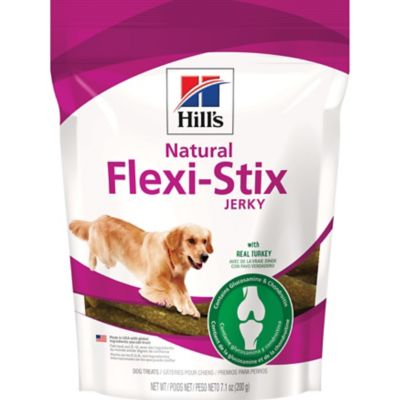
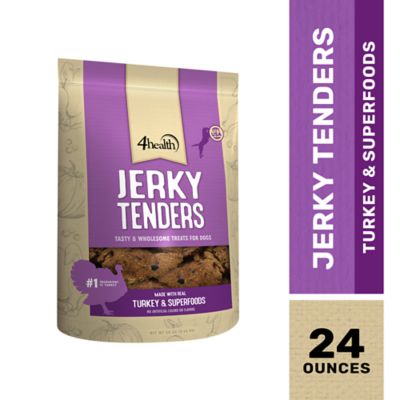
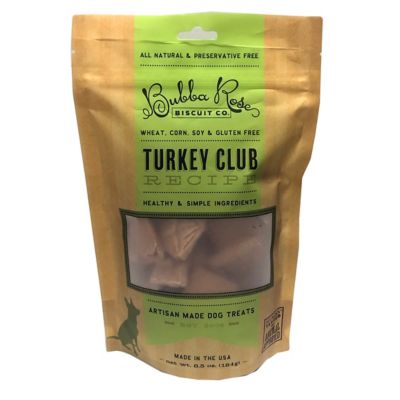
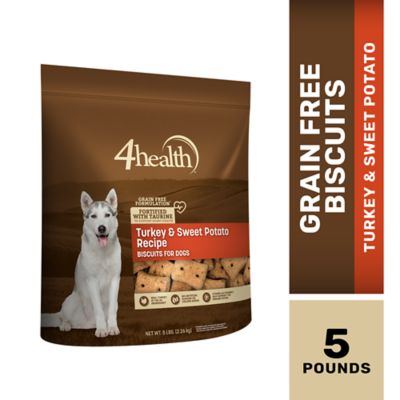
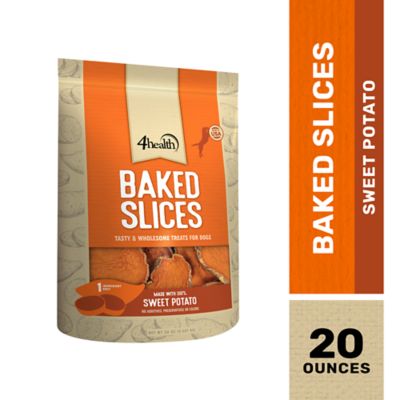
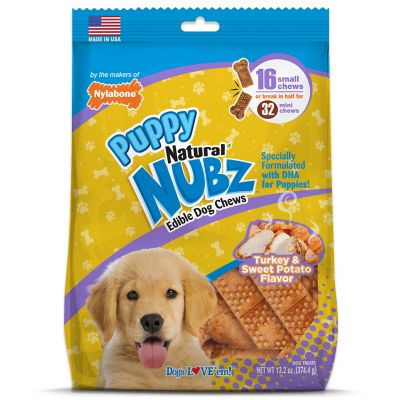
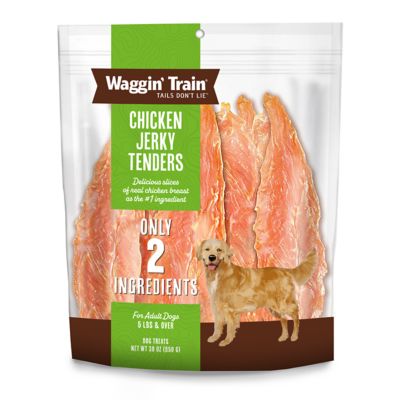
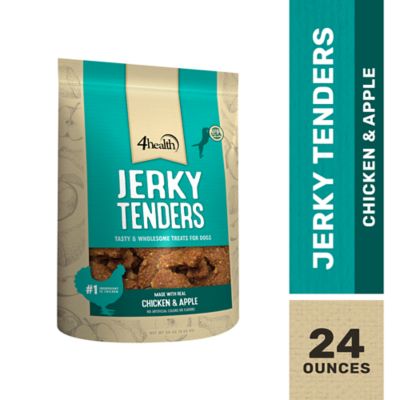
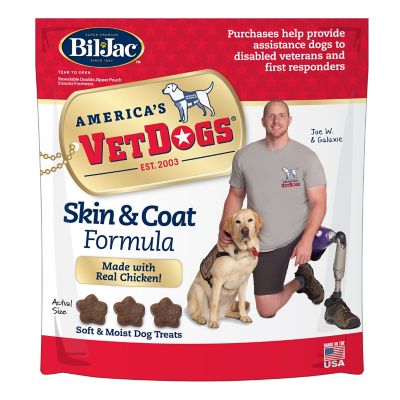
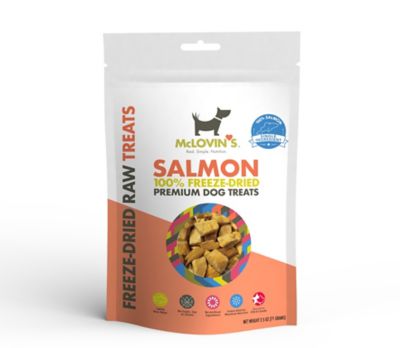
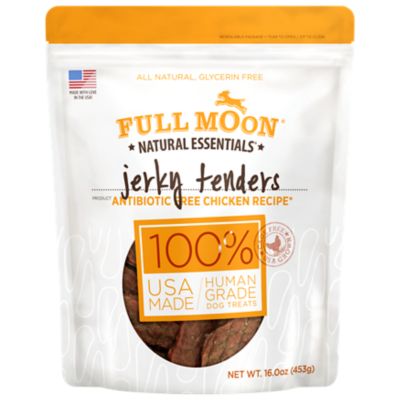
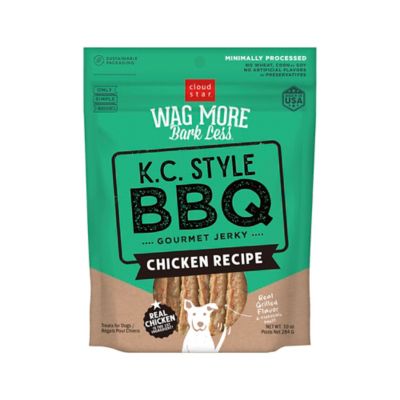
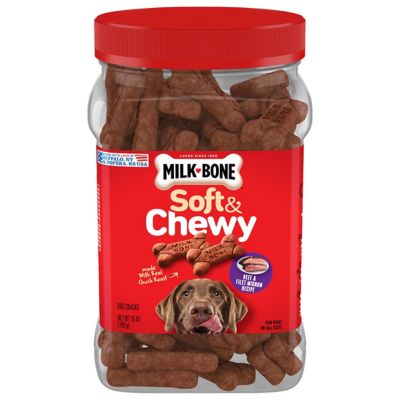
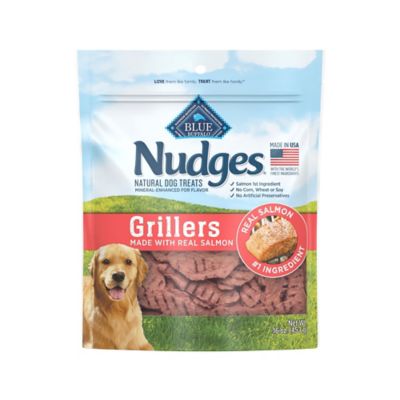
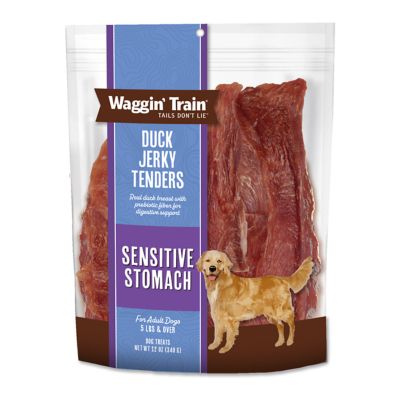
Turkey dog treats are a handy way to give your four-legged sidekick a little extra encouragement, whether you’re working on basic manners, practicing recall in the yard, or simply sharing a small reward after a long day. Turkey is a familiar animal-based protein that many dogs enjoy, and treats made with turkey can offer a savory option for homes that like to rotate flavors. You’ll find choices made with turkey as the main ingredient, along with recipes that combine turkey with ingredients such as sweet potatoes, vegetables, grains, or other wholesome additions. Single-ingredient and limited-ingredient treats may be useful for pet parents who prefer a simpler recipe or are keeping a close eye on what goes in the food bowl. For training, look for small pieces or treats that can be broken into smaller bites without making a mess in your pocket. A quick-to-chew texture helps keep lessons moving, while a crunchy biscuit can be a satisfying reward for dogs that enjoy something with a little snap. Freeze-dried, dehydrated, soft, and baked options each have their place, so consider your dog’s age, chewing habits, and dental comfort before choosing. An older dog or one with missing teeth may do better with a tender treat, while a young, enthusiastic chewer may prefer a firmer bite. If you’re carrying treats along on a hike, to the feed store, or out to the training field, check the package for storage directions and choose a size that travels well. Treats should complement a complete, balanced diet rather than replace meals, and most dogs do best when snacks make up only a small part of their daily calories. Since every dog is different, introduce a new turkey treat gradually and keep an eye out for signs of stomach upset, itching, or other sensitivity. Dogs with known food allergies, medical conditions, or special dietary needs may need guidance from a veterinarian before trying a new protein or recipe.
When comparing turkey dog treats, start with the ingredient list and guaranteed analysis, then match the treat to the job at hand. A short ingredient list can make it easier to understand what you’re feeding, while added grains, fruits, vegetables, or functional ingredients may suit a pet parent looking for a particular texture or recipe style. Pay attention to the first ingredient, protein and fat levels, treat size, and the feeding directions on the package. Calorie information matters, especially for small dogs, dogs that are watching their weight, or pets that earn several rewards throughout the day. Breaking larger treats into smaller pieces can help stretch a bag and keep training rewards manageable, but only do so when the texture allows it safely. Soft treats are often convenient for quick rewards, and dry treats are generally easy to pour into a treat pouch or store in a barn, mudroom, or kitchen cabinet. Always provide fresh water, and keep treats secured away from curious pets, children, livestock, and outdoor pests. Plain, fully cooked turkey may be safe for many dogs, but seasoned table scraps are not the same as purpose-made dog treats. Avoid turkey prepared with onion, garlic, heavy spices, rich sauces, excessive salt, or other ingredients that can be harmful or upsetting to dogs. Deli turkey and processed lunch meat can also be high in sodium and preservatives, making them a poor substitute for dog treats. Never give dogs cooked turkey bones; they can splinter and cause choking, mouth injuries, or serious internal damage. Keep an eye on portion size with puppies and smaller breeds, since a bite that seems tiny to a large farm dog can be a significant snack for a little companion. Turkey treats can also be a thoughtful gift for a dog-loving friend, especially when paired with a new leash, training pouch, chew toy, or cozy bed. They fit neatly into a welcome-home basket for a newly adopted dog or a care package for someone whose best pal is getting extra training time during the cooler months.
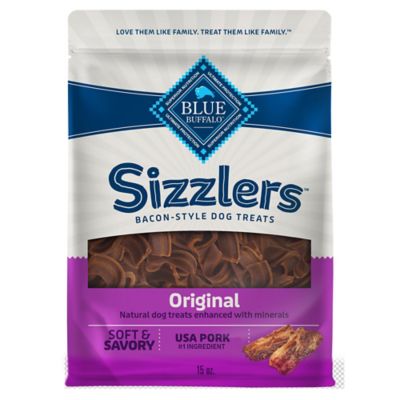
A good treat becomes part of the everyday rhythm shared between people and dogs. Picture a muddy pair of boots by the door, a dog waiting patiently while you wipe off paws, and a small turkey treat marking the moment that good behavior pays off. Out in the pasture, a few appropriately sized rewards can help reinforce coming when called, waiting at a gate, or settling quietly while chores are underway. At home, turkey dog treats can support positive reinforcement during crate training, grooming, nail trims, and visits from guests. Use them alongside praise, a gentle scratch behind the ears, and consistent routines so your dog learns what behavior earned the reward. During warmer weather, take care not to leave soft or meat-based treats in a hot vehicle or direct sun. As the weather cools, keep packages sealed and stored in a dry place so the treats stay fresh and appealing. If your dog is a fast eater, choose a size and texture that encourages safe chewing, supervise snack time, and avoid giving treats while your dog is overly excited. Pet parents shopping for more protein options may also want to explore
Pork Dog Treats for another flavor to work into a sensible rotation. Whether you’re rewarding a polished sit, making a training session more enjoyable, or slipping a special snack into a dog’s gift basket, turkey treats offer an easy, meaty way to show appreciation. Read labels carefully, follow feeding guidance, and choose treats that fit your dog’s size, lifestyle, and individual needs.