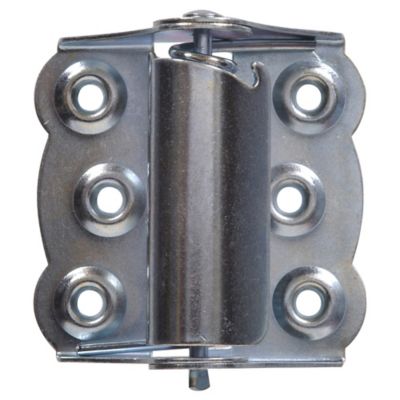
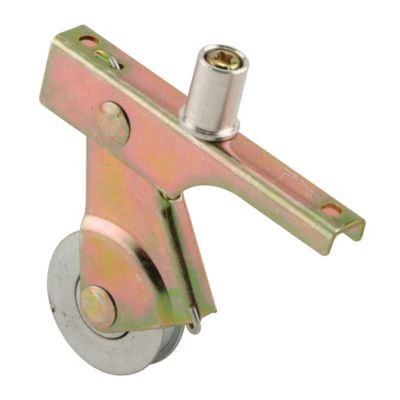
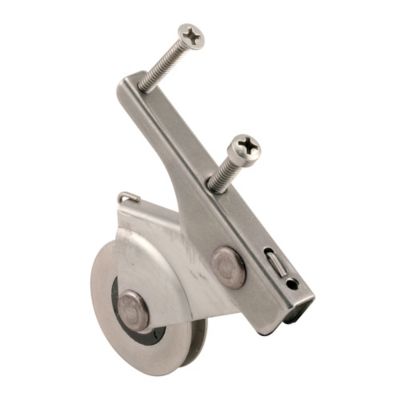
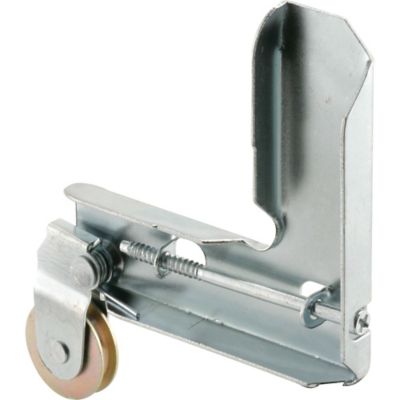
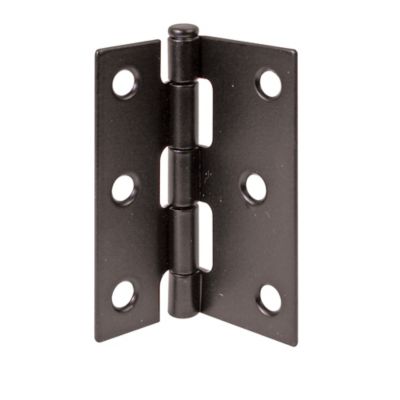
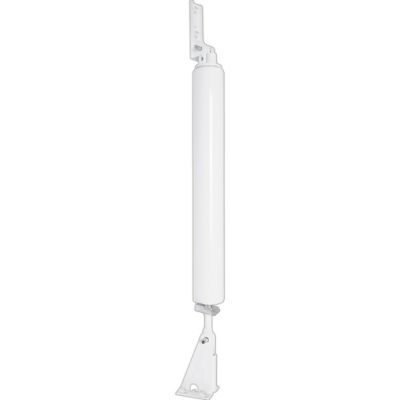
Screen door hardware includes the hinges, handles, latches, springs, closers and mounting pieces that help a screen door swing, catch and close the way it should. These parts support everyday trips between the house, porch and yard while letting the door do its job of allowing airflow and helping keep insects outside. Each component has a different role: hinges carry the door and establish its swing, handles provide a comfortable grip, latches hold the door closed, and compatible springs or pneumatic closers bring it back toward the frame. A pneumatic closer generally offers more control over closing speed than a basic return spring, though adjustment options depend on its design. The right combination makes a difference at a kitchen entry where hands are full of groceries, a porch doorway that sees plenty of foot traffic or a back door along the path to the barn. A lightweight screen door has different hardware needs than a heavier door, and screen door parts are not automatically interchangeable with storm door or main entry door hardware. Door construction, weight and mounting space all shape the fit. Some repairs call for a single replacement component, while a broader refresh may involve coordinating several pieces so their mounting patterns and operation work together.
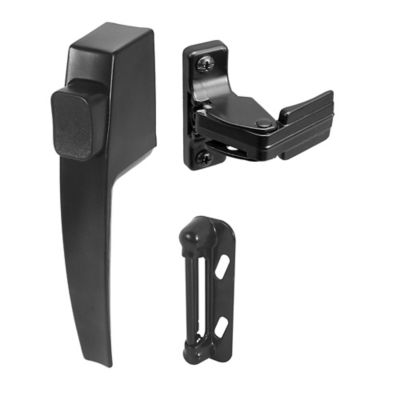
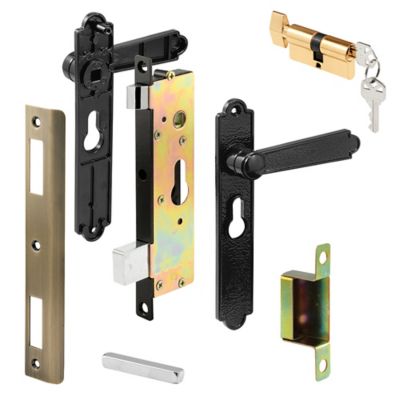
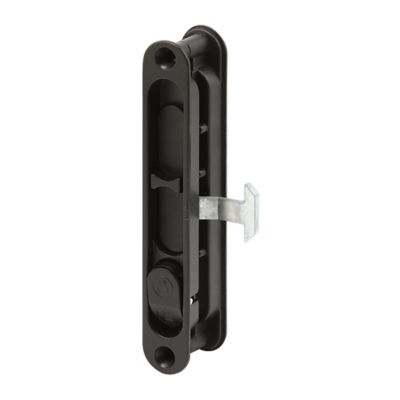
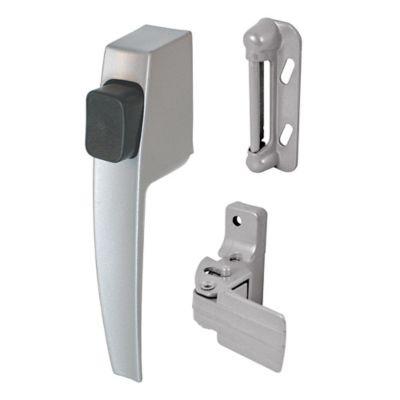
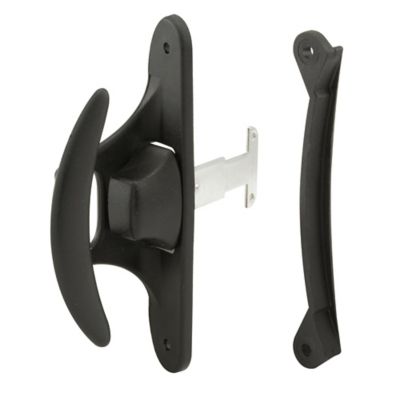
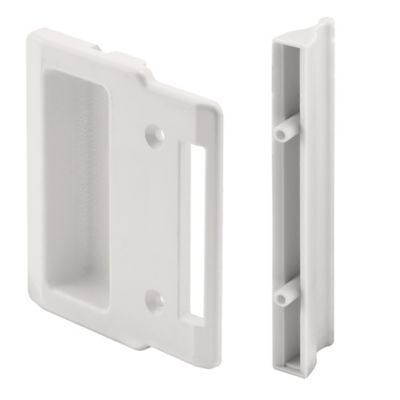
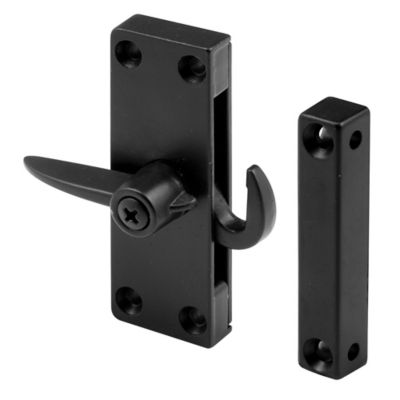
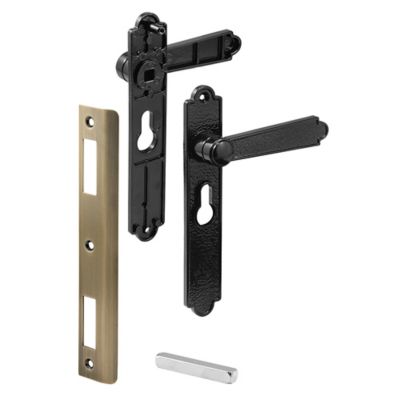
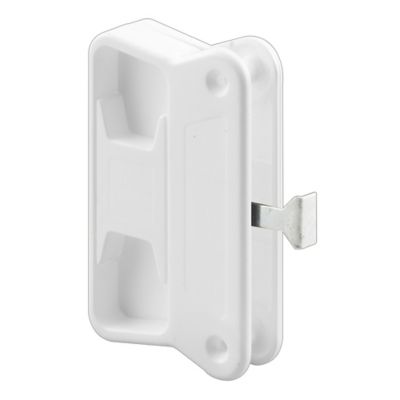
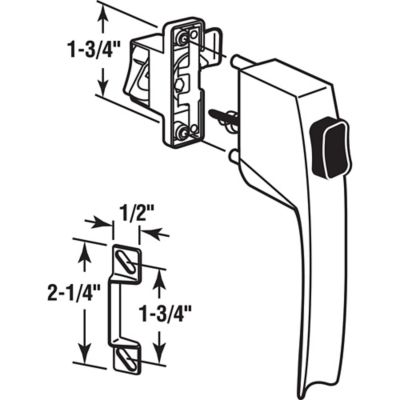
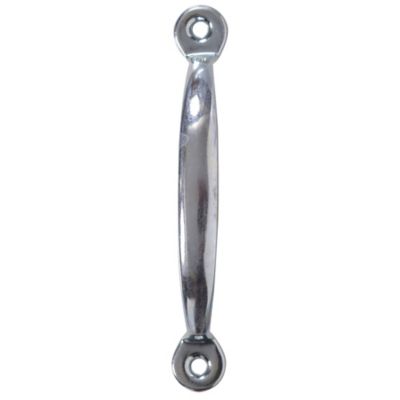
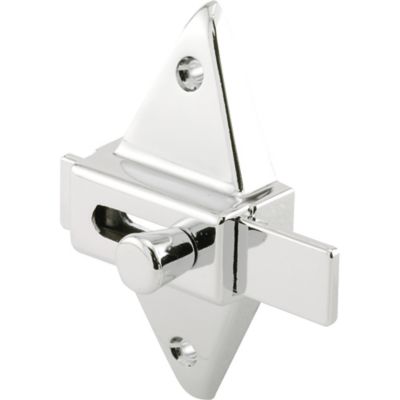
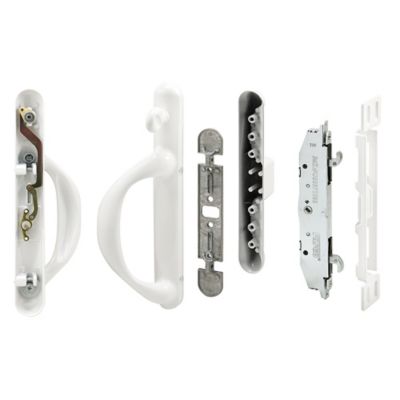
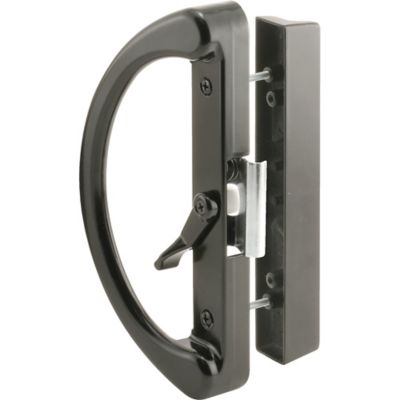
Screen door latches engage a catch or strike to keep the door from drifting open, with handle shape, latch style and release location affecting how the doorway feels in daily use. A straightforward pull may suit a simple porch entrance, while a lever or push-button arrangement changes how the latch releases. Interior and exterior handle pieces also need to work together across the door’s thickness. Matching the hardware to the doorway’s actual routine helps keep the focus on comfortable handling, a clean closure and a door that moves without scraping or needing a hard shove.
Material and fit both matter when comparing screen door hardware. Steel components can provide strength at hinges and mounting points, with protective finishes helping limit rust on exposed surfaces. Stainless steel offers corrosion resistance, aluminum keeps weight down, and brass may suit visible handles or other fittings where appearance matters alongside function. Material alone does not tell the whole story, since hinge size, metal thickness, fastener placement and the condition of the mounting surface all affect long-term performance. Painted, plated and coated finishes also have different care needs, and finish damage can leave the underlying metal more vulnerable to corrosion. Coordinating the finish across handles, hinges and closer brackets can give the doorway a settled, consistent look without changing its character. Fit starts with the door’s thickness, frame material, opening direction and available mounting area. Existing screw-hole spacing can be helpful when replacing a part, but a similar-looking handle or hinge may have a different footprint or operating mechanism. Some latch assemblies are reversible; others are intended for a particular handing or swing direction. Closer brackets need enough mounting room and the correct relationship to the hinge side for the door to travel as intended. Trim, nearby walls and the position of the main entry door can affect that space. Wood, metal and vinyl door frames may call for different fasteners or mounting methods, so hardware compatibility extends beyond the piece visible on the surface. Screws need sound material to grip, and tightening a new hinge into damaged holes will not resolve the underlying support problem. On an older porch door, a sagging corner or shifted frame can keep a perfectly serviceable latch from meeting its strike. Hardware that matches the door’s load and dimensions is a better starting point than choosing by appearance alone, especially at an entrance where repeated opening and closing puts steady demands on hinges, handles and mounting points.
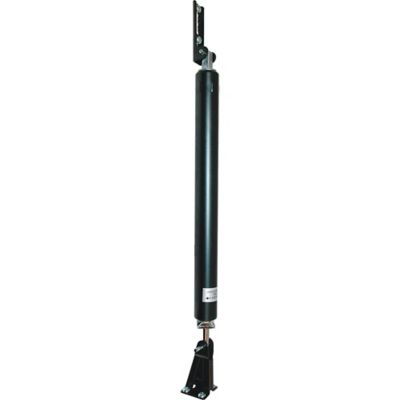
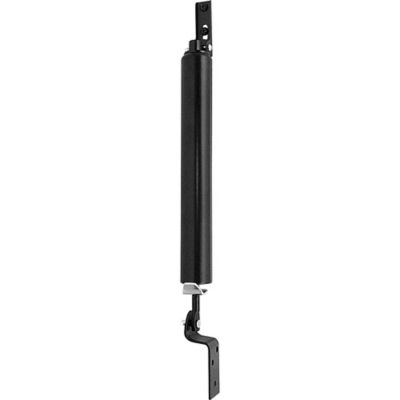
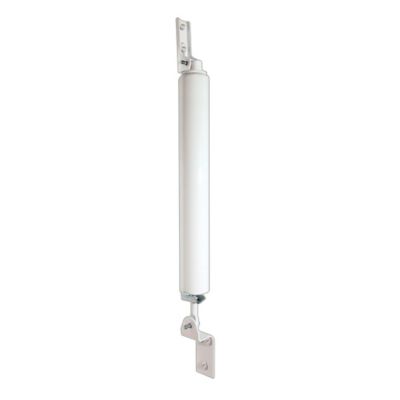
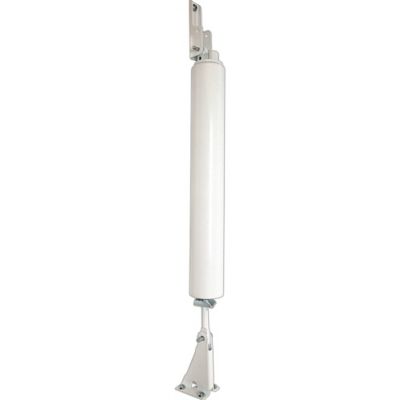
Everyday performance often comes down to small details that are easy to feel but less obvious to see. A handle needs enough clearance for fingers without catching against nearby trim, and a latch should meet its strike without requiring the door to be lifted into place. A closer should be suited to the door’s weight and swing, with any speed adjustment set according to the manufacturer’s directions. Some designs include a hold-open feature, which can be handy while carrying a feed sack, moving a chair onto the porch or bringing in several bags at once. That feature is different from forcing the door beyond its intended travel, which can strain brackets, screws and the frame. Households with children or pets may also want to consider handle reach, pinch points and how consistently the door catches, while recognizing that ordinary screen door hardware is not a substitute for a security lock or child-safety device. For homeowners, renters making approved repairs and folks maintaining a farmhouse or rental property, the practical goal is much the same: a doorway that works smoothly without demanding attention on every trip through it. Routine care helps support that performance. Dust and grit can collect around hinge joints, latch openings and closer rods, while loose fasteners can allow parts to shift out of alignment. Gentle cleaning with methods suited to the finish helps preserve the surface, and lubrication belongs only where the hardware manufacturer recommends it. Sealed closer cylinders generally are not intended to be opened or lubricated internally. Worn hinge pins, bent brackets, damaged springs and loose mounting points deserve attention rather than repeated adjustment elsewhere. Keeping screen door hardware in good working order helps preserve the door itself, too, by reducing dragging, twisting and hard impacts against the frame. Whether the job is replacing a troublesome latch or bringing several working parts back into line, compatible hardware supports the simple convenience of a screen door that opens comfortably and settles back where it belongs.