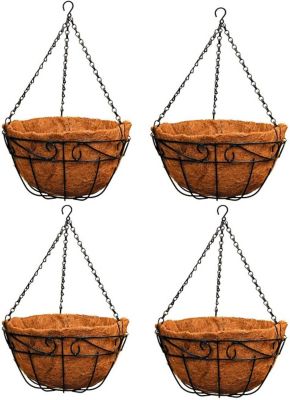
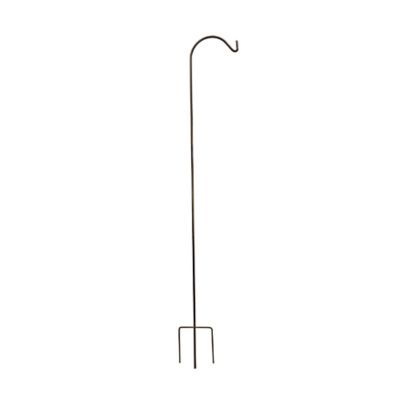
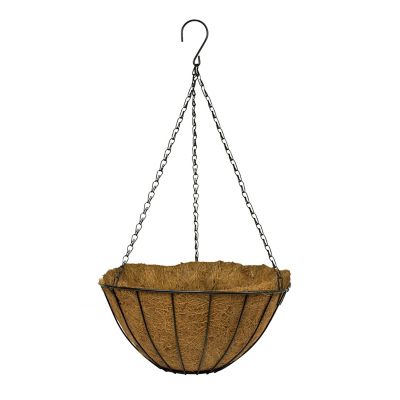
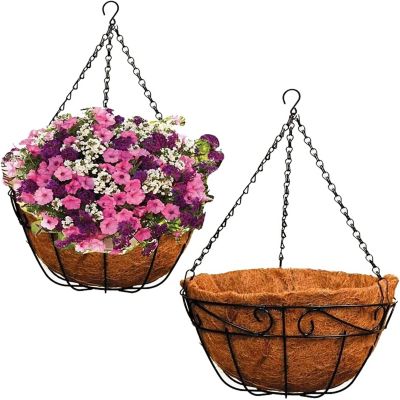
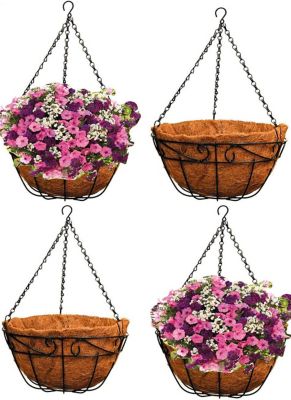
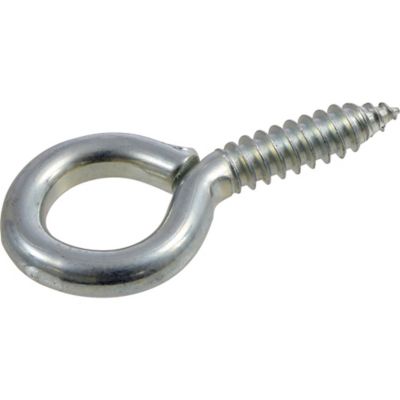
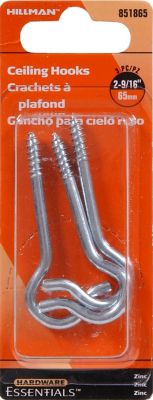
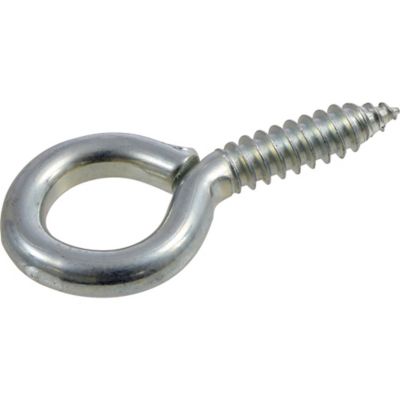
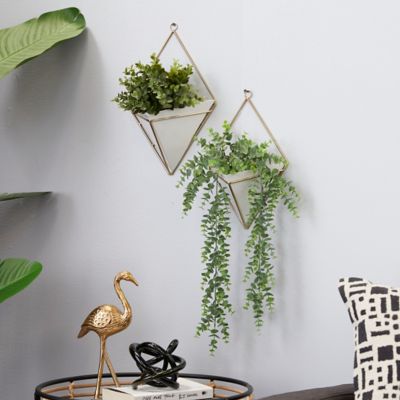
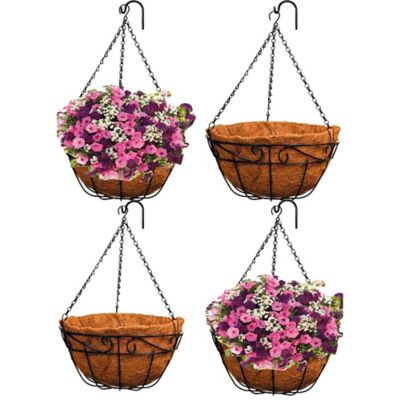
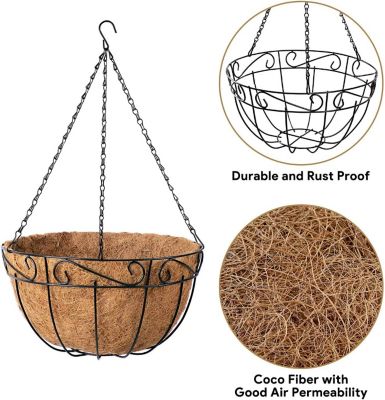
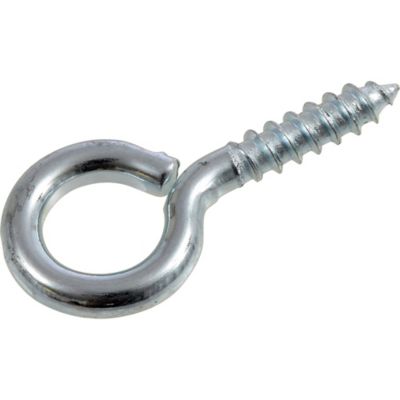
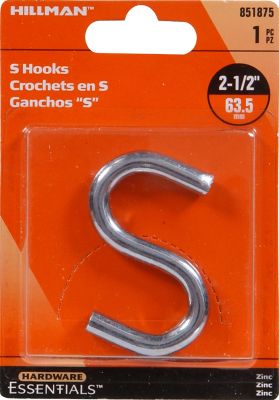
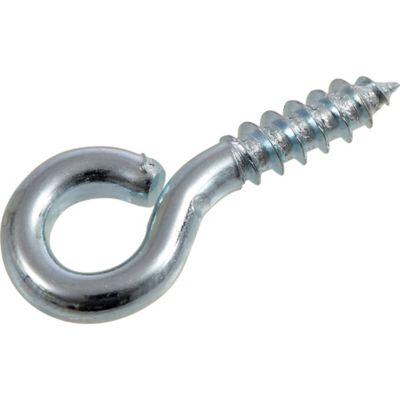
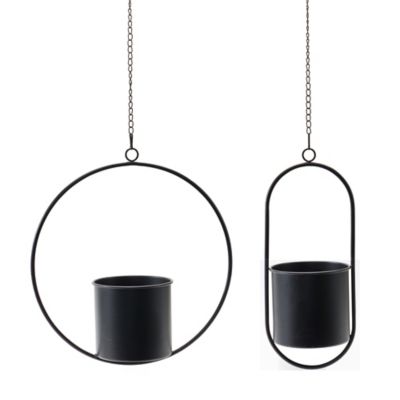
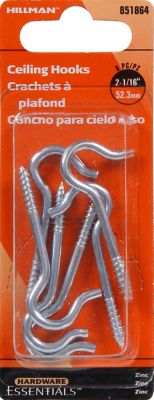
Hardware for hanging plants makes it easier to bring greenery up off the floor, brighten a porch, or add a little life to a bare wall, ceiling, fence post or sturdy beam. The right setup can turn a simple hanging basket into a welcoming touch by the front door, a trailing plant into a soft accent over a kitchen window, or a row of planters into a colorful border along a covered porch. Before choosing hanging plant hardware, consider where the plant will go, what the mounting surface is made of and how much weight the hardware needs to carry. A small plant in a lightweight container may work well with a basic ceiling hook or screw eye, while a large basket filled with damp soil can become surprisingly heavy after watering. Always account for the fully watered weight of the plant, pot, hanger and soil, then choose hardware with a working load limit that provides a comfortable margin above that total. This is especially important for outdoor baskets, where wind, rain and repeated movement can put extra strain on hooks and brackets. Ceiling hooks and screw eyes are useful for exposed rafters, porch ceilings, wood beams and other solid overhead surfaces. Wall brackets can hold baskets away from siding, brick, posts or walls, giving vines and foliage room to spread while keeping the container from rubbing against the surface. For a broader selection of mounting solutions, explore
Wall Hardware, including options that can help with other home, barn and garden projects.
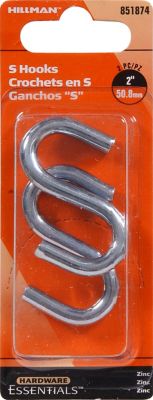
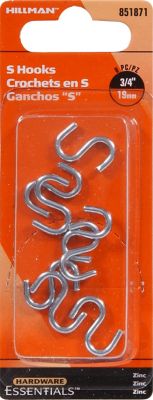
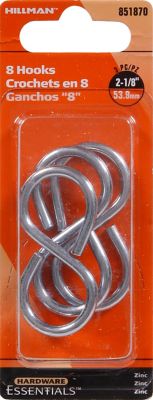
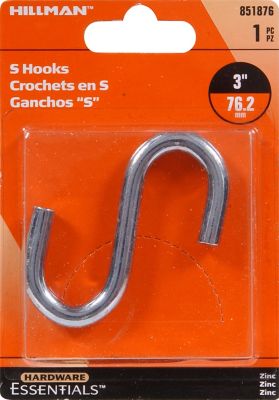
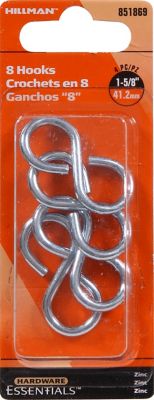
The mounting surface matters just as much as the hook or bracket itself. When hanging a plant from a wood ceiling, beam or post, locate solid framing whenever possible and drill a pilot hole before installing a screw-in hook or eye. A pilot hole helps prevent splitting and makes it easier to set the hardware securely without chewing up the wood. For drywall ceilings or walls, do not rely on a screw placed into the hollow panel alone. Use an anchor suited to the load, such as a spring-loaded toggle anchor, and follow the anchor’s weight rating and installation directions. If there is a joist or wall stud behind the drywall, fastening directly into that framing is generally the more dependable choice. Masonry, brick and concrete call for the right bit and compatible anchor rather than a standard wood screw. Outdoor installations should also use hardware made to stand up to moisture and changing temperatures, especially around open porches, sheds, garages and fence lines. Chains, S-hooks and adjustable hanging links are handy when you want to fine-tune the height of a basket or make it easier to remove a plant for trimming. They can give a porch display a classic country look while allowing enough flexibility for plants that grow at different rates. A pulley-style hanging system can be a practical choice for plants placed high overhead, since it lets you lower the basket for watering, pruning and seasonal care instead of stretching from a ladder every few days. Check every connection before hanging the plant, make sure hooks are fully seated, and leave enough clearance for doors, walkways, pets and passing shoulders.
Hanging plant hardware suits all kinds of gardeners, from someone dressing up a small apartment porch to a longtime homesteader adding baskets around a screened-in sitting area. It can be especially helpful in spaces where ground room is limited, such as narrow porches, compact patios, sunny kitchen corners and greenhouse benches already filled with pots. Hanging plants also make thoughtful gifts for new homeowners, porch lovers, gardeners settling into a new place or anyone who enjoys adding a little green to an office or workshop. A sturdy hook paired with an adjustable chain can give the recipient room to choose the plant and container that fit their style, while a wall-mounted bracket can be a welcome addition for someone who likes decorating around the front door or mailbox. During the warmer stretch of the year, hanging baskets can fill out with blooms and trailing stems, while cooler months may call for moving tender plants indoors or taking down outdoor containers before rough weather arrives. Inspect the hardware when you change plants or store baskets, looking for rust, bent metal, loose screws, cracked anchors or worn links. Keep heavy containers away from spots where a fall could cause injury or damage, and avoid hanging anything over seating, walkways or areas where children and animals gather. With a well-matched hook, bracket, chain, anchor or pulley, you can create a dependable place for plants to grow overhead and enjoy that lived-in porch-and-garden feeling season after season.