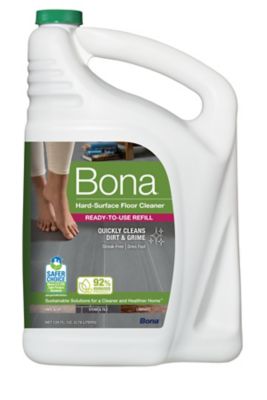
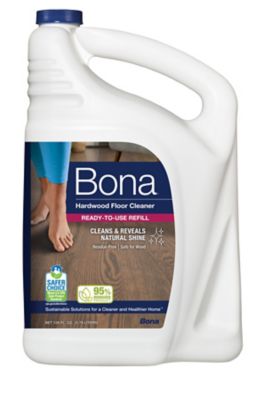
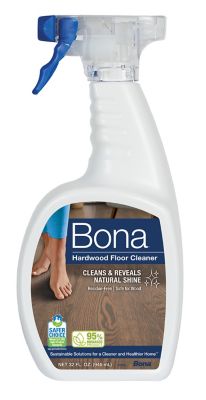
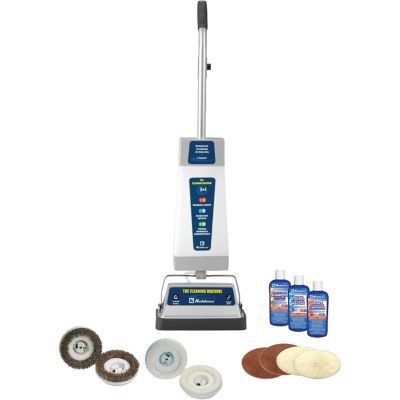
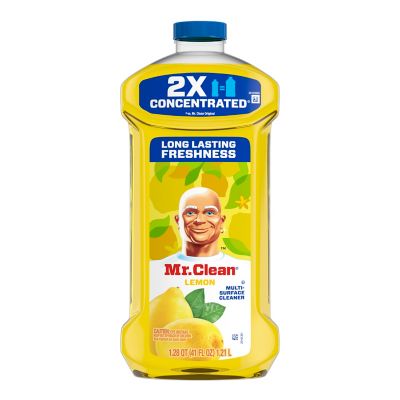
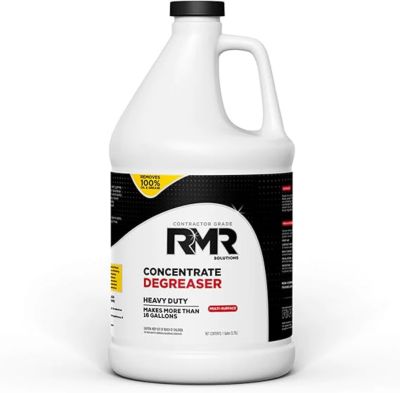
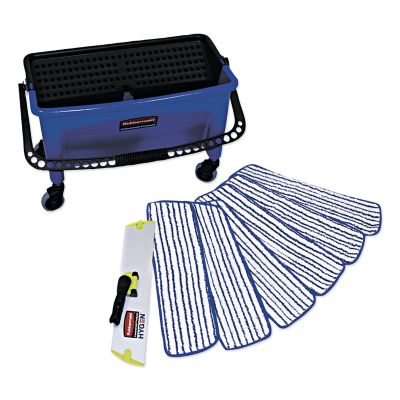
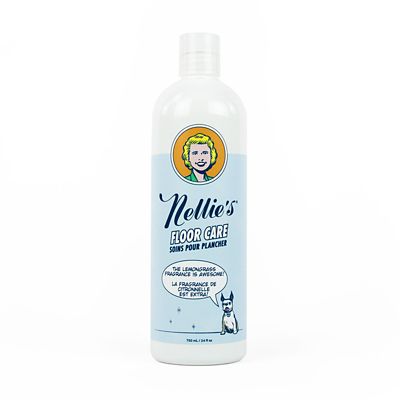
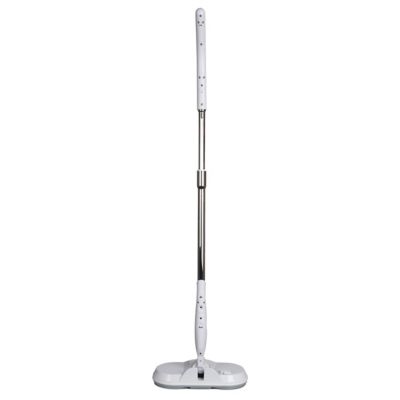
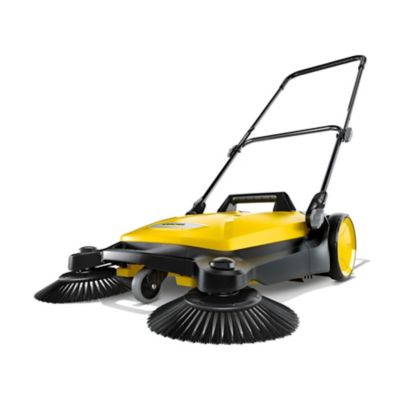
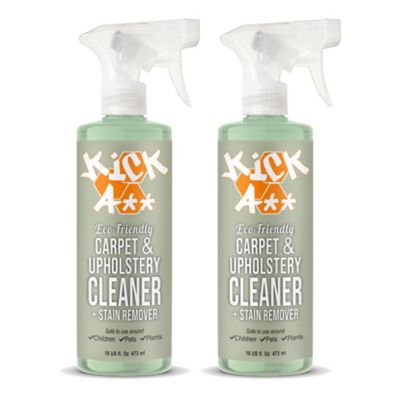
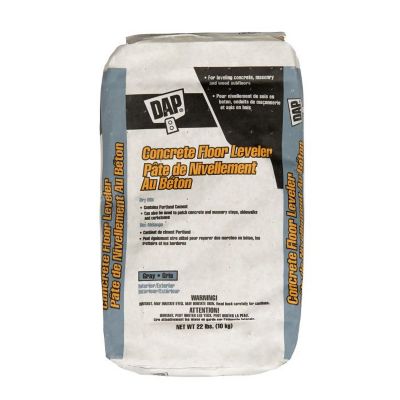
Floor maintenance products help keep the places where life happens looking cleaner, feeling safer, and holding up to everyday wear. In a country home, shop, mudroom, kennel, or busy family house, floors take plenty of abuse from muddy boots, feed bags, pet paws, tracked-in grit, spilled drinks, and the fine dust that seems to settle after every chore. The right cleaner or floor-care tool can make those messes easier to handle without leaving behind a sticky film or wearing away the surface. Start by identifying the type of flooring you need to clean, since hardwood, tile, stone, laminate, vinyl, sealed concrete, and carpet each have different needs. Hard-surface flooring generally benefits from a cleaner made for its finish and a mop or pad that lifts dirt without scratching. On sealed hardwood, choose a pH-neutral, non-abrasive formula, use only a lightly damp mop, and avoid soaking the boards or allowing water to sit in the seams. Too much moisture can swell wood, cloud the finish, or work its way beneath the surface. Laminate and vinyl floors also do best with quick-drying, no-rinse cleaning solutions that do not leave a waxy coating or seep into the joints. Tile can handle more scrubbing, but grout lines often need extra attention from a soft brush or targeted cleaner. Natural stone calls for added care; an overly harsh or acidic formula may dull the surface or affect its sealer. For carpet, look for spot treatments or extraction solutions designed to lift stains while rinsing clean, especially in high-traffic rooms where leftover soap can attract more dirt.
The best floor maintenance setup usually includes more than one type of cleaner or tool because not every mess calls for the same approach. A soft microfiber mop is handy for daily dust and paw prints, while a sturdier wet mop can handle tracked-in mud after a rainy spell. Brooms, dustpans, floor brushes, squeegees, and scrub pads all have a place in a well-used cleaning closet, particularly when you are moving between the house, garage, porch, and outbuildings. For greasy shop floors or sealed concrete near a workbench, choose a formula that can break down oil and grime without damaging the surface, and follow the directions for dilution and dwell time. Concentrated cleaners can be economical for large homes, barns, offices, and businesses, but measuring matters; using more than directed does not always mean a cleaner floor and may leave residue behind. No-rinse formulas can save time on broad hard-surface areas, while a rinse-ready cleaner may be better for heavier soil. Always test an unfamiliar product in a small, hidden area first, especially on older flooring, painted surfaces, natural stone, or floors with a worn finish. Keep cleaning solutions away from children, pets, and feed storage, and never mix products unless the label specifically says it is safe. During the cooler months, floors often stay damp longer after cleaning, so good ventilation, a clean dry mop, and a little extra drying time can help prevent streaks, odors, and slippery spots. In homes with dogs, cats, or livestock nearby, regular sweeping and prompt cleanup are especially helpful because grit carried in on paws can act like sandpaper underfoot. For more ways to handle accidents, odors, and everyday messes around animal areas, explore
Pet Cleaning Products.
Floor care is also about matching the routine to the people and spaces using it. A household with young children may want gentle, low-residue cleaning options for kitchen and play areas, while a pet owner may place greater value on odor control and stain removal. Someone caring for an older home may need products that clean without stripping a traditional finish, and a small business, workshop, or farm office may need larger quantities and tools built for repeated use. If you are helping a new homeowner, renter, college student, or first-time shop owner get settled, practical floor maintenance supplies make a useful housewarming gift because they are put to work almost immediately. A dependable mop, a soft brush, floor-safe cleaner, and a few washable cloths can be more welcome than another decorative item, especially after moving day leaves behind dusty corners and muddy footprints. Before buying, consider the size of the area, how often it needs cleaning, the kind of soil you usually see, and whether storage space is limited. Check labels for compatible floor types, dilution instructions, drying time, and any warnings about finished or unfinished surfaces. It also helps to keep separate tools for indoor floors and gritty garage or barn areas so gravel, oil, and manure do not get carried into living spaces. A simple routine goes a long way: sweep or vacuum first to remove abrasive dirt, treat spills before they dry, clean with the recommended amount of solution, and let the floor dry fully before heavy traffic resumes. With the right floor maintenance products on hand, a quick pass after chores or a deeper clean when the weather turns wet can keep floors ready for muddy boots, busy paws, family gatherings, and the everyday work of a well-loved home.