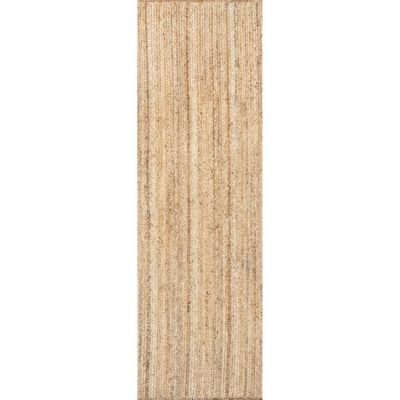
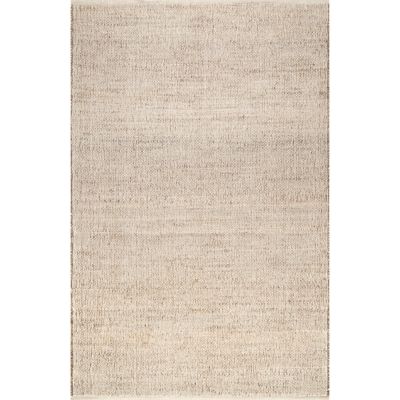
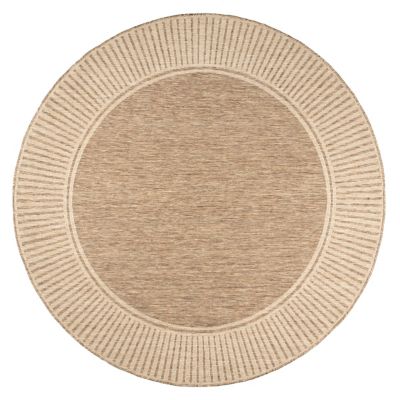
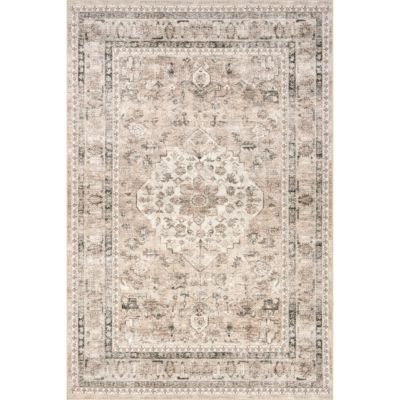
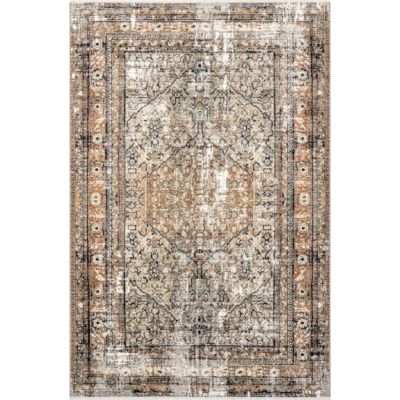
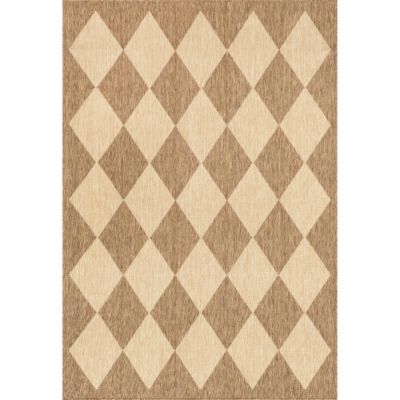
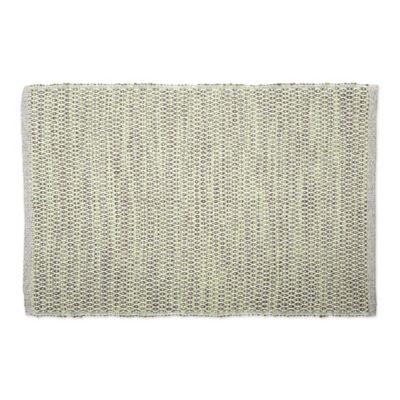
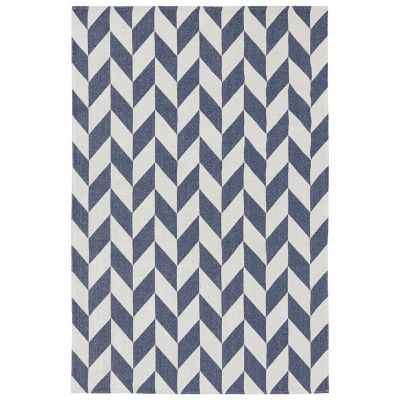
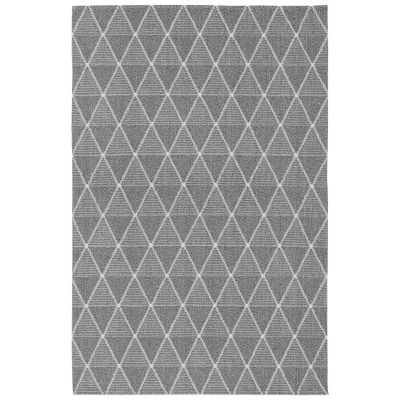
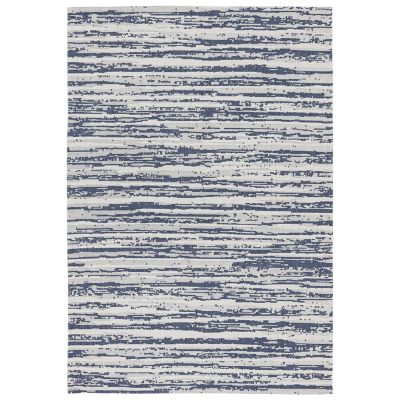
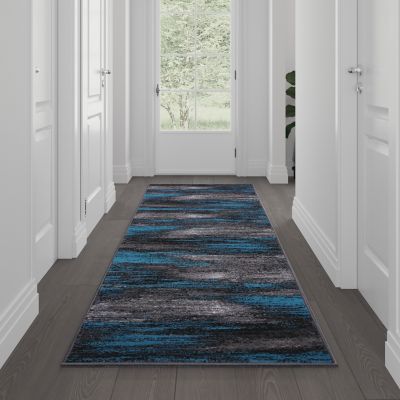
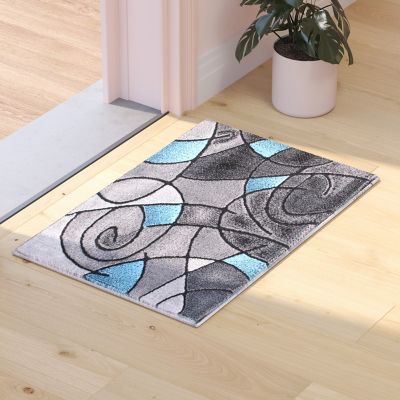
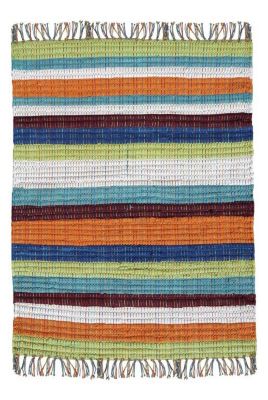
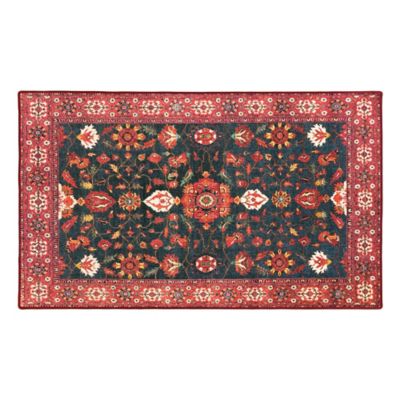
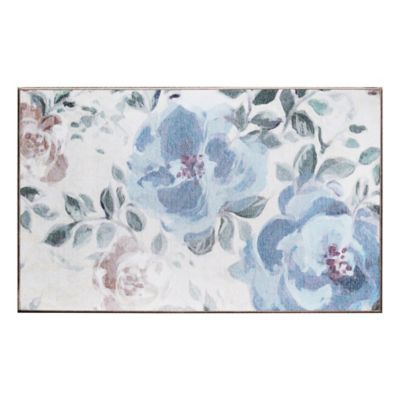
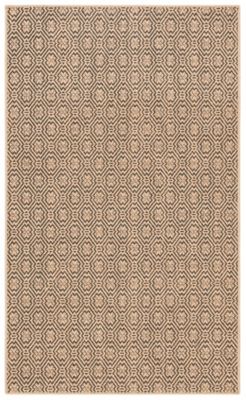
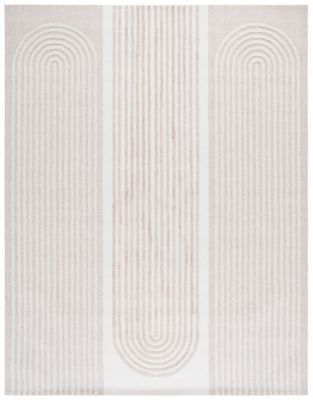
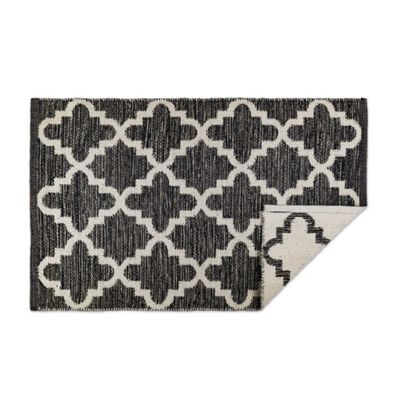
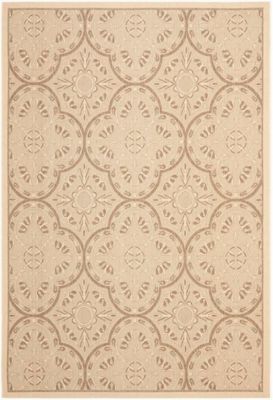
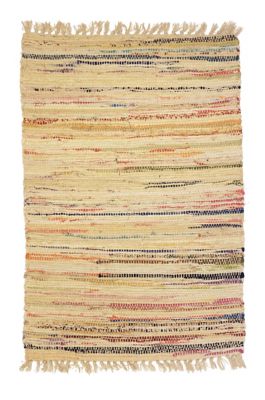
Area rugs for hardwood floors add warmth, softness and a little everyday comfort without covering up the character of the wood underneath. They can help define a sitting area in an open floor plan, make a bedroom feel more settled or give a long hallway a finished look. During the warmer part of the year, a lightweight cotton rug can keep bare feet off a cool floor while still feeling easy and casual; as the weather turns cooler, wool and other thicker weaves bring welcome insulation to spaces where family, pets and muddy work boots tend to gather. Before choosing a rug, take a close look at the room’s traffic, furniture arrangement and available floor space. In a living room, the rug should usually be large enough for at least the front legs of the sofa and chairs to rest on it, helping the seating area feel connected instead of scattered across the floor. A runner can guide foot traffic through a hallway or entry, while a smaller rug beside a bed, kitchen sink or favorite reading chair adds comfort where it counts. Measure carefully, including door swings and nearby furniture, and use painter’s tape to outline the intended size on the floor before buying. This simple step makes it easier to picture the finished arrangement and helps prevent a rug from looking lost in a large room or crowding a narrow one. Color and pattern matter, too. Earthy neutrals, faded patterns and natural textures work well with the grain and honeyed tones found in many hardwood floors, while deeper colors can help disguise the everyday dust and tracked-in dirt that come with an active home. A rug may also make a thoughtful housewarming gift, wedding gift or present for someone settling into a first home, especially when its style is easy to work into a living room, bedroom or entryway.
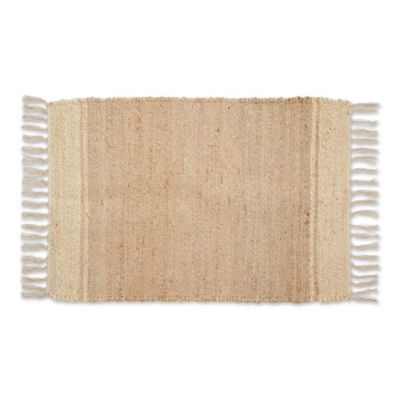
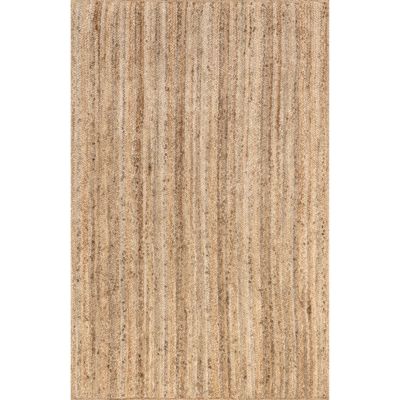
Material is an important part of choosing an area rug for hardwood floors. Wool is a dependable choice for busy rooms because it is naturally resilient, soft underfoot and breathable, with a bit of cushion that can make a family room feel more inviting. Cotton rugs are generally lighter and more casual, and some are washable or easier to carry outdoors for cleaning, making them useful in bedrooms, play spaces and lower-traffic areas. Jute, sisal and other natural-fiber rugs bring a relaxed, porch-to-pantry look that pairs nicely with farmhouse, cabin and rustic decorating, but their rougher texture makes a substantial rug pad especially important on finished wood. For more ideas in that style, browse
Jute Rugs for Living Rooms. Synthetic fibers such as polypropylene and polyester can be a practical fit for homes with pets, children or frequent spills because many are stain-resistant, budget-friendly and available in a wide range of patterns. No matter which material you choose, check the backing and plan on using a high-quality pad made for hardwood surfaces. A non-slip, non-marking rubber or felt pad helps keep the rug from creeping, reduces friction that can lead to scratches and adds a layer of cushioning between the rug and the finish. Avoid inexpensive plastic or synthetic latex backings that may stick to, discolor or chemically react with a polyurethane finish, particularly in areas that receive sunlight or changing temperatures. The pad should be slightly smaller than the rug so it stays hidden, and it should lie flat without bunching at the edges. In a home with pets, a pad also helps keep claws from catching the rug as a dog gets up from a nap or a cat takes off across the room. If the hardwood was recently stained, sealed or refinished, allow the finish to cure fully before placing a rug. A waiting period of at least 14 to 30 days is commonly recommended, though the flooring professional or finish manufacturer should have the final say.
A little regular care will help protect both the rug and the hardwood beneath it. Dirt, sand and grit can work down through the fibers like fine sandpaper when people walk across the rug, so vacuum the surface regularly and pay extra attention to entries, hallways and spots near exterior doors. Lift the rug and pad every few months to sweep or vacuum underneath, inspect the floor for trapped grit or moisture and let both surfaces air out before putting everything back in place. Move heavy furniture and rotate the rug from time to time so wear and sunlight do not settle in one area. Clean spills promptly by blotting rather than scrubbing, and follow the care instructions for the rug’s fiber; soaking a rug on top of hardwood can allow moisture to reach the floor and cause staining, swelling or finish damage. Washable rugs should be dried completely before returning them to the room. In fall and other wetter stretches of the year, use a mat near the door and keep damp boots, pet paws and wet gear from sitting on the rug. Check the pad occasionally as well, since a curled edge or worn section can become a tripping hazard. Area rugs are especially useful in homes where rooms need to serve more than one purpose: a large rug can anchor a dining table, soften a home office or make a spare room ready for guests without a permanent remodel. They also offer an easy way to refresh a room as seasons change, adding a thicker layer beneath a coffee table during cooler months or switching to a lighter weave when the house feels warmer. With the right size, breathable material, protective pad and simple cleaning routine, an area rug can complement hardwood floors for years while making everyday life a little more comfortable.