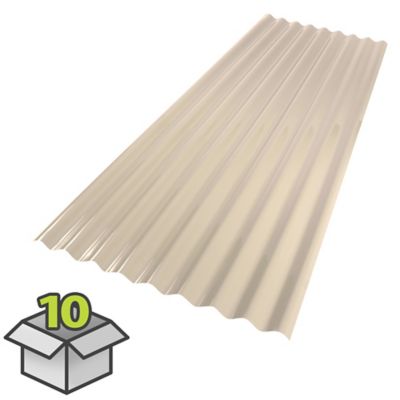
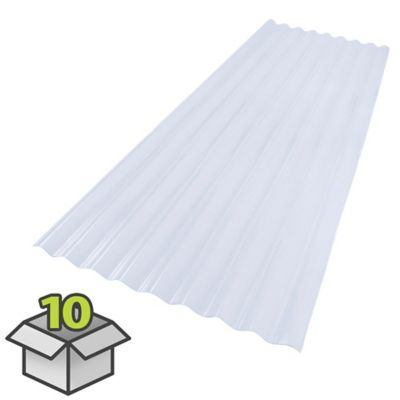
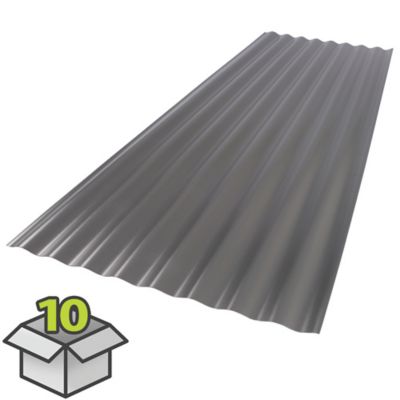
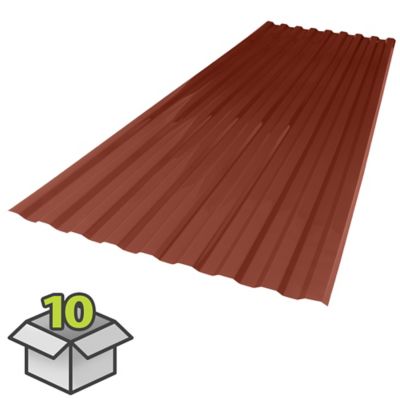
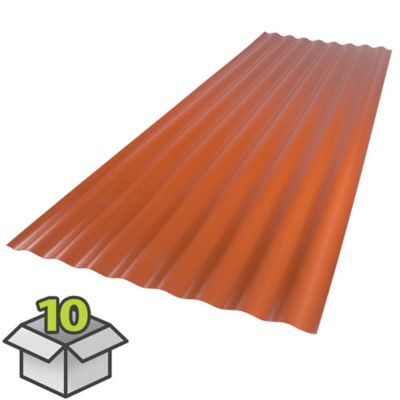
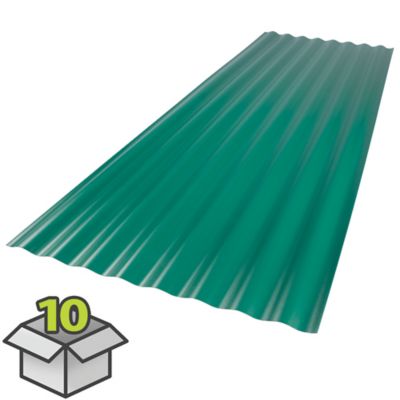
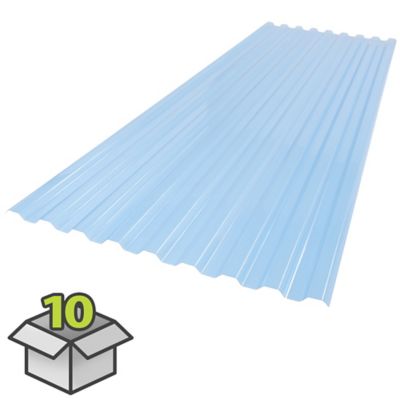
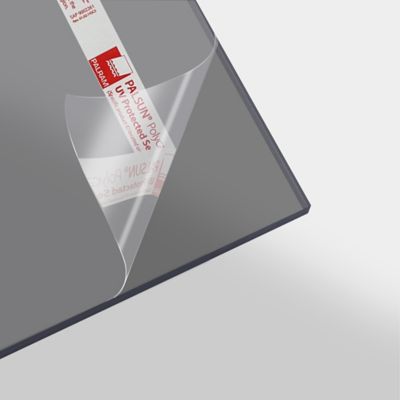
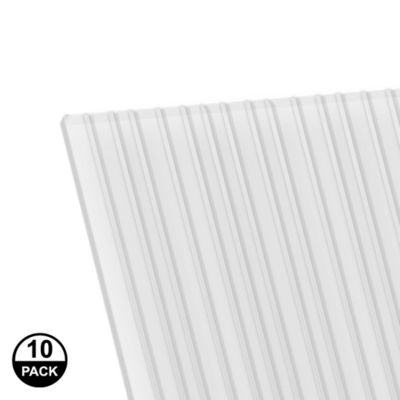
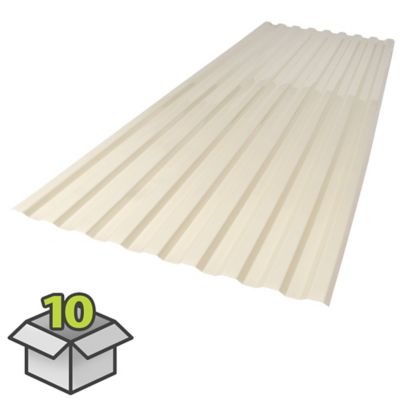
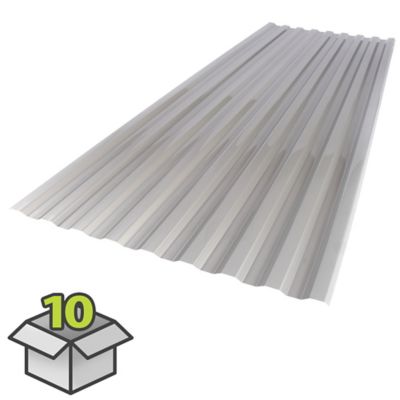
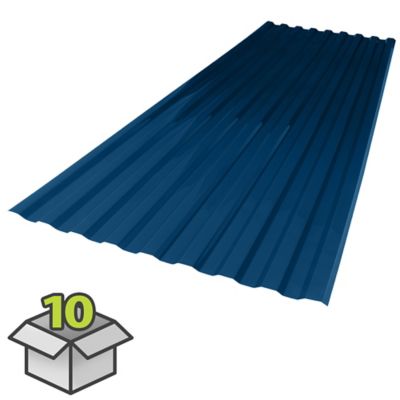
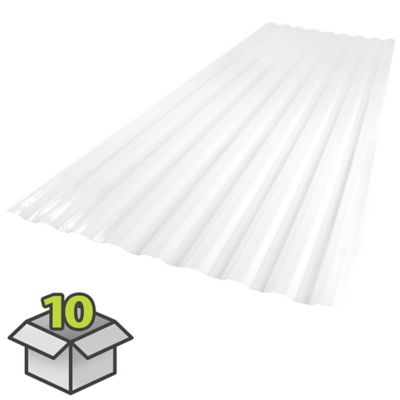
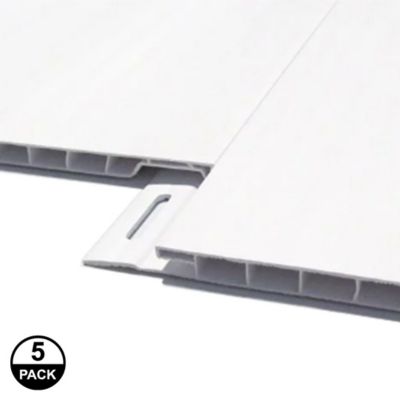
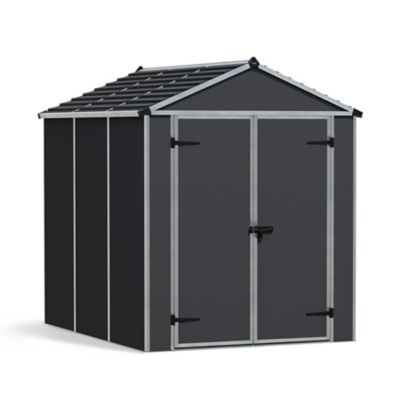
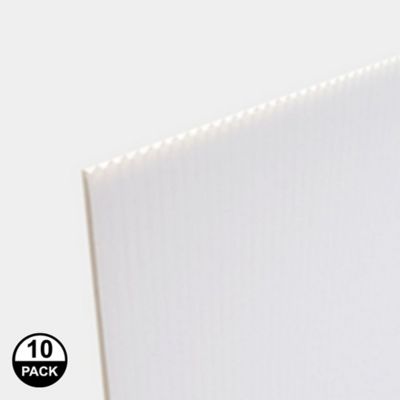
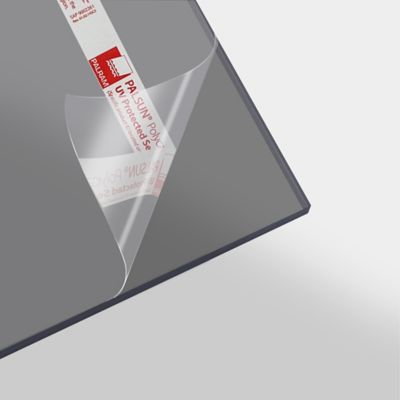
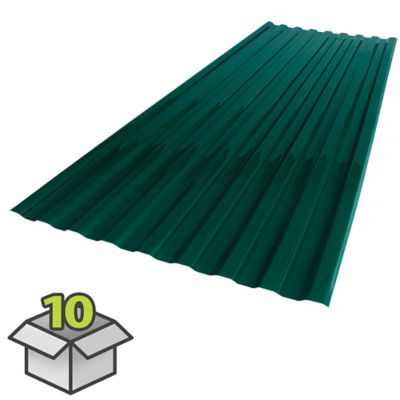
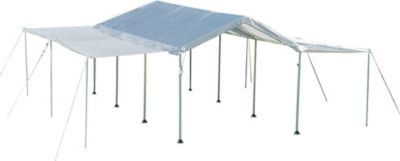
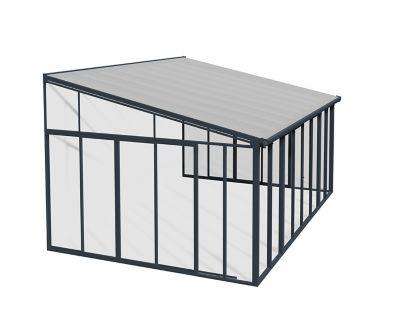
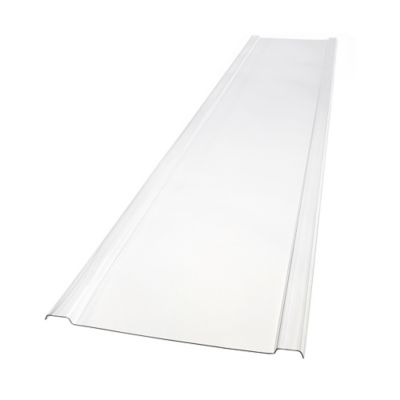
Plastic roof panels are a practical way to add dependable cover to the places that need it most around a home, farm, or homestead. Lightweight and easier to handle than many traditional roofing materials, these panels can be used on sheds, workshops, barns, chicken coops, porches, patios, carports, lean-tos, garden structures, and other open-sided buildings. Corrugated shapes help direct rainwater away from the structure while adding strength without making the roof overly heavy. Depending on the material and design, plastic roofing can provide anything from a soft, filtered glow to a more shaded, private finish. Clear and translucent panels are popular when you want daylight to reach a work area, greenhouse, covered walkway, or animal shelter, while opaque options can help reduce glare and block more sunlight. Polycarbonate panels are known for strong impact resistance, good light transmission, and dependable performance through changing weather. PVC panels are often a budget-friendly choice for lighter-duty projects and can offer a simple way to cover a shed, storage area, or utility building. Both materials are lightweight compared with many conventional roofing options, which can make carrying panels across the yard and positioning them on a roof more manageable for a small crew or a capable DIYer. A few panels can turn a muddy path into a covered walkway, give a porch a little more shelter during a passing shower, or help keep firewood, feed, tools, and outdoor furniture protected during the cooler months. For anyone repairing an old outbuilding or finishing a weekend project, plastic roof panels offer a clean, useful covering without the heavy feel of a full-scale roofing job.
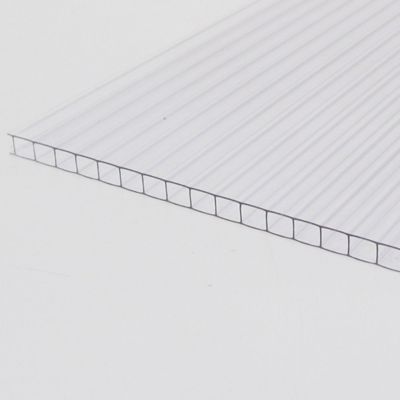
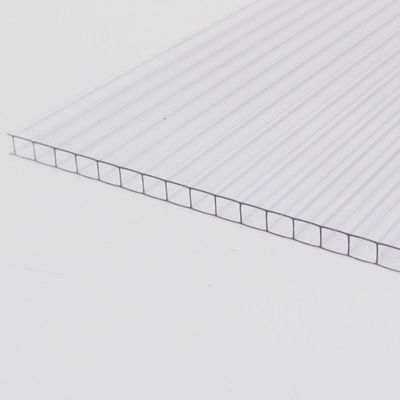
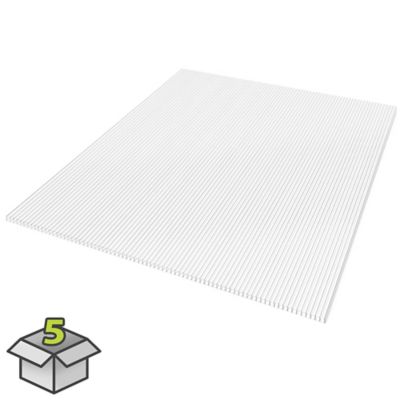
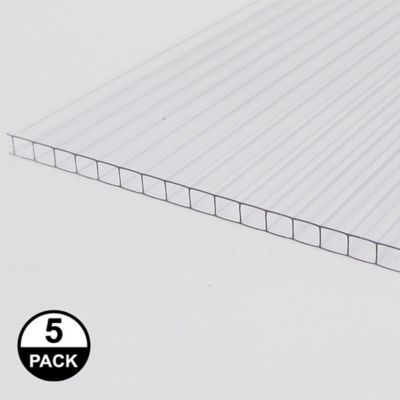
The right panel starts with the job, the structure, and the kind of light and weather protection you want. Measure the roof area carefully, including the amount needed for side-to-side and end-to-end overlap, then check the panel dimensions and coverage area rather than relying on the package size alone. A sloped roof is important because rain and melting snow need a clear path to drain; follow the panel manufacturer’s minimum pitch and layout recommendations, especially on sheds, porches, and other low-slope structures. Corrugation should run down the slope, not across it, so water can move naturally toward the eaves. Plan for proper overhang, flashing, ridge caps, and closures where needed to help keep wind-driven rain, dust, insects, and small animals from finding a way underneath. Use roofing screws and washers made for the panel material, and fasten panels to solid purlins or other suitable supports at the recommended spacing. Over-tightening can crush or crack a panel, while loose fasteners may allow movement and leaks when the wind picks up. Pre-drilling oversized holes may be necessary for some materials so the panel has room to expand and contract as temperatures change. Always keep the manufacturer’s instructions close at hand, use safe ladder and roof practices, and check local building requirements before starting work. A helper is especially useful when a breeze catches a long panel or when you are lining up overlaps from above. For greenhouses and seed-starting spaces, look for panels that balance light transmission with insulation and strength. Twin-wall polycarbonate can help hold warmth while diffusing sunlight, making it a useful choice for protecting young plants and extending the growing season. Learn more about this type of project with
Polycarbonate Panels For Greenhouses.
Color, thickness, profile, and surface treatment all affect how plastic roof panels perform once they are installed. Clear panels bring the most daylight into a space, but they may also create more glare and heat, particularly in a tightly enclosed building. Translucent panels soften the light and can be a comfortable middle ground for workshops, porches, and garden structures. Opaque panels provide more shade and privacy, which may be better for a storage shed, equipment shelter, or covered run. Polycarbonate is generally the stronger choice when impact resistance, UV protection, and long-term weather performance are priorities, while PVC can make sense when keeping costs down is important and the project has more modest demands. Think about the weather your roof will face, including strong sun, hail, falling branches, heavy rain, wind, and winter snow, then select a panel and support system suited to those conditions. Keep extra material on hand for trim pieces, fasteners, or an occasional repair, and inspect the roof from the ground after severe weather for lifted edges, cracked panels, or loose screws. Cleaning is usually straightforward with mild soap, water, and a soft cloth or brush; avoid harsh chemicals and abrasive tools that can cloud or scratch the surface. As the weather warms, plastic panels can make a bright, usable place for potting plants, storing garden supplies, or working out of the rain. During the cooler months, they can help keep firewood dry, protect a livestock shelter from wet weather, and make outdoor chores a little more comfortable. Whether you are covering a new structure, replacing worn roofing, or adding a simple roof to a weekend project, choosing panels by intended use, light level, durability, and installation needs helps create a covering that fits the property and stands up to everyday work.