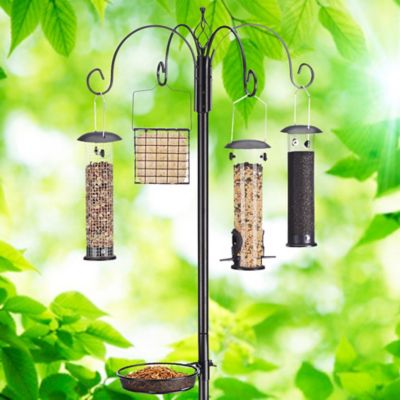
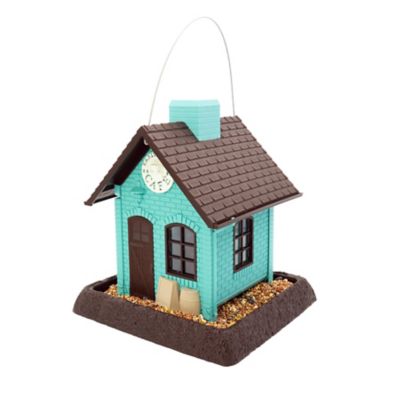
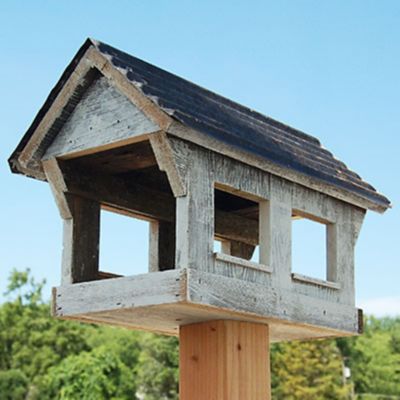
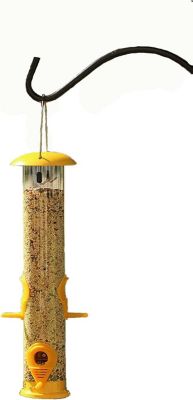
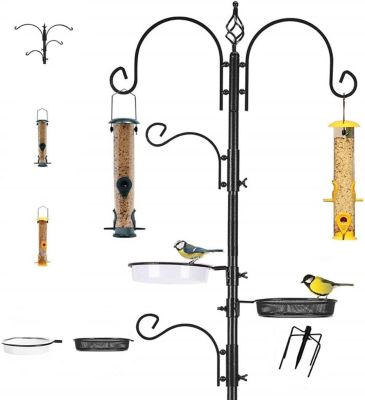
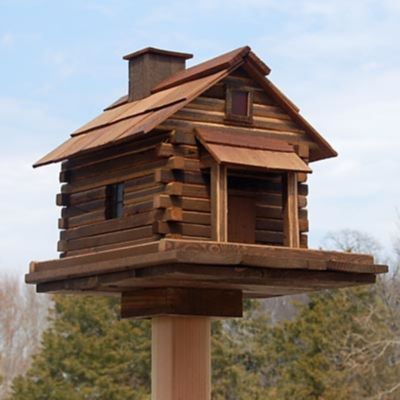
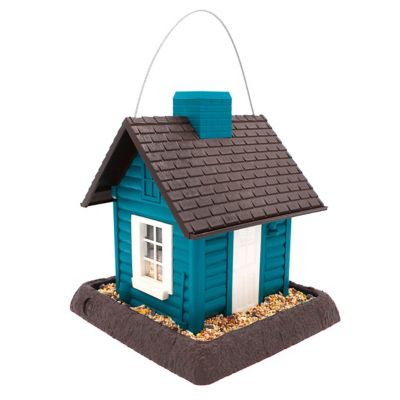
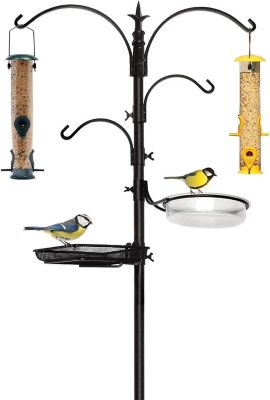
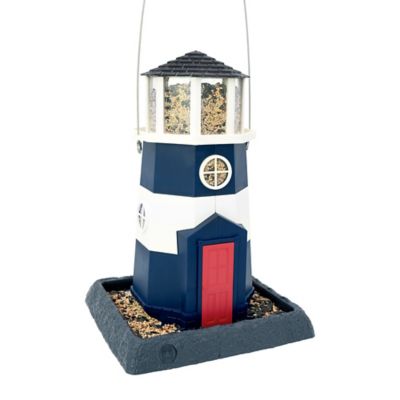
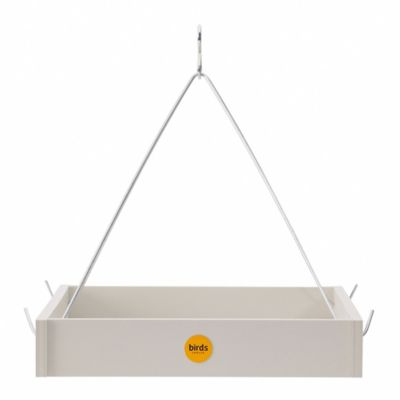
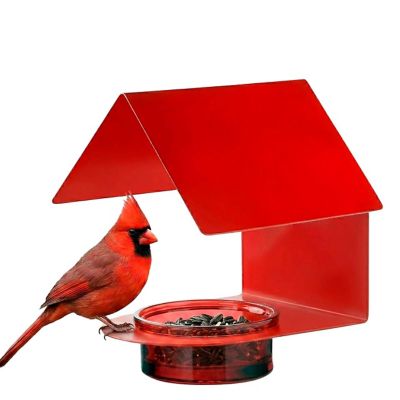
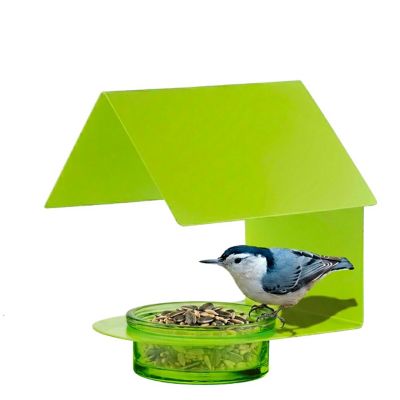
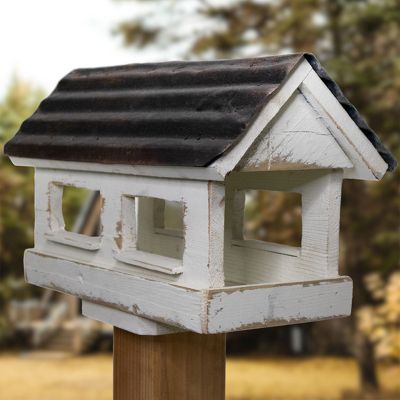
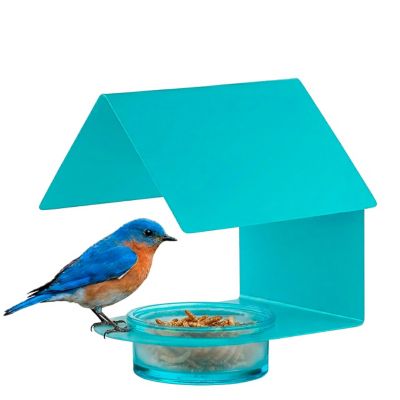
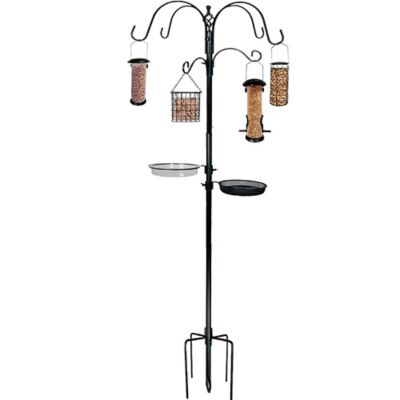
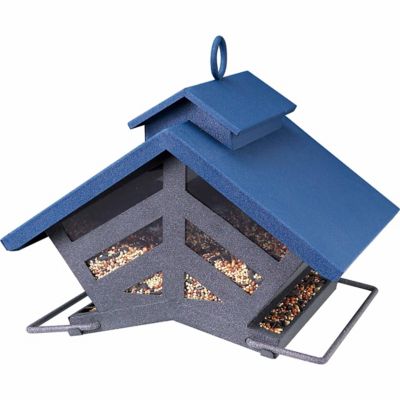
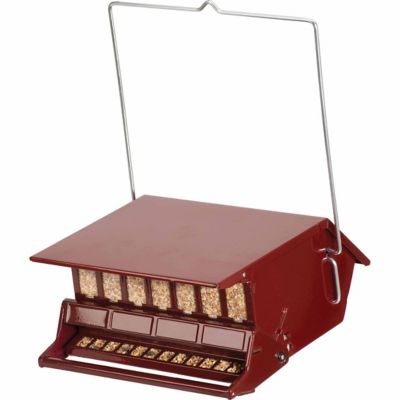
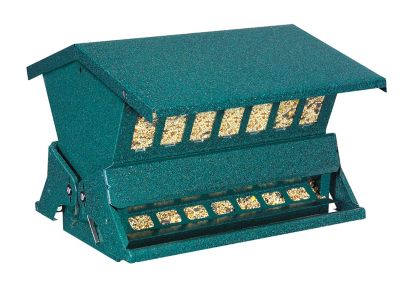
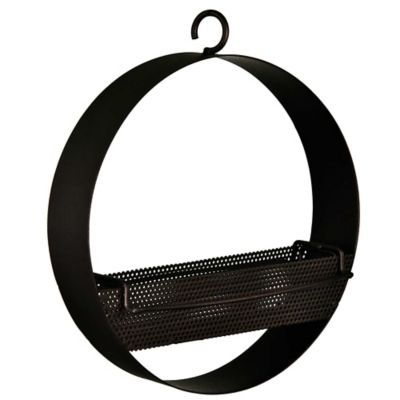
Pole-mounted bird feeders bring the feeding spot out where birds have room to approach and you have a clear view from the porch, kitchen window, or favorite yard chair. Instead of depending on a tree limb or porch bracket, these feeders sit on a dedicated support that helps keep the feeding area steady and off the ground. That makes them a practical fit for an open backyard, a farmhouse lawn, or a patch of ground beside the garden. A pole also gives you more say in where the feeder belongs, rather than leaving the location up to the nearest branch. Some arrangements hold a feeder directly on top of the post, while others have arms for hanging feeders at different heights. A single feeder keeps the setup simple; a station with several attachment points can accommodate different feeding styles in one place. Hopper feeders provide a covered seed compartment and a feeding ledge, while tube feeders offer smaller ports and perches that suit many small songbirds. Platform feeders provide an open landing area, though their exposed feeding surfaces call for closer attention to leftover seed and cleanliness. Suet cages add another feeding option for birds such as woodpeckers and nuthatches, provided the pole or arm supports the cage securely. The right combination depends on the birds that visit, the food being offered, and how much tending fits into the day. A feeder within easy reach is simpler to refill between chores than one that requires stretching over a flower bed or leaning across a fence. Clear sightlines also make it easier to notice an empty seed compartment, a loose connection, or a buildup of hulls below. For families, longtime bird watchers, and folks just getting acquainted with backyard birds, a pole-mounted setup creates a familiar place to watch feeding habits, recognize returning visitors, and enjoy a closer look without crowding the birds.
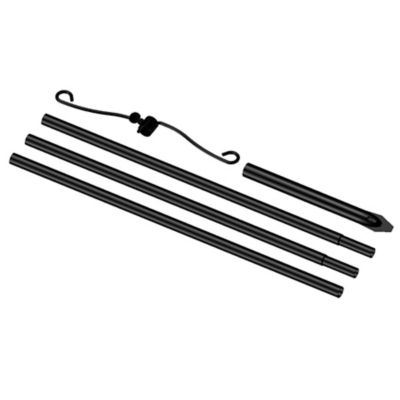
Materials and mounting details make a real difference in how a pole-mounted bird feeder fits your yard and holds its load. Metal supports are common, and protective finishes help limit rust on exposed surfaces. Feeder bodies may include metal, wood, or plastic components, each with different care needs. Wood benefits from attention to joints and surfaces, plastic parts deserve a check for cracks, and metal hardware needs occasional inspection for corrosion or loosened fasteners. Smooth surfaces, accessible corners, and removable components can make routine cleaning less of a chore. Fit matters just as much as the material: pole diameter, mounting plate dimensions, socket shape, and attachment hardware need to match the feeder. A round socket will not necessarily fit every round pole, and a top-mounted feeder may need a different connection than a hanging feeder. The support must also carry the weight of the feeder when full, not just its empty weight. With several feeders on one station, balanced placement helps keep the assembly from leaning toward a heavier side. Ground stakes, auger-style bases, and other anchoring arrangements suit different installations, so the base deserves as much attention as the feeder above it. The mounting location should be clear of buried utility lines, irrigation tubing, and other obstacles before any ground installation begins. Squirrel management is another reason to consider the whole setup rather than the feeder alone. A pole can accommodate a baffle that interrupts the climb from below, but nearby branches, fences, and railings may provide another route. With
Squirrel Proof Bird Feeder Poles, barrier shape, pole fit, and placement all matter; no barrier can compensate for an easy jumping point beside the feeder. An open location can improve visibility around the feeding area, though elevation alone does not protect birds from every predator. Space away from dense hiding spots and thoughtfully chosen placement near buildings help make the feeding area easier to monitor.
Everyday care is what keeps a feeding station pleasant for both birds and the people watching them. Easy-opening lids, seed compartments that can be reached with a brush, and trays that detach without a struggle are useful features when refilling and cleaning become regular chores. Drainage openings help prevent water from collecting in feeding trays, while covered seed chambers help shield the food inside. Neither feature replaces cleaning, and seed that clumps, develops mold, or smells off belongs out of the feeder. Washing, rinsing, and thoroughly drying the feeding surfaces before refilling helps keep old residue from building up. Care directions for the feeder material and hardware should always take priority, especially where finishes or removable parts need particular treatment. The ground underneath needs attention, too, since discarded hulls and spilled seed can collect around the base and draw rodents. A location with enough room to rake or sweep makes that task easier, particularly beside a path or lawn that gets regular traffic. Seed selection shapes the activity at the feeder: black oil sunflower seed appeals to many familiar backyard birds, while feeders designed for tiny seeds need openings that hold those seeds without spilling them freely. Cardinals often appreciate a roomy perch or ledge, and small clinging birds may be comfortable on narrower feeding points. Several feeder styles can broaden the feeding choices, but a manageable station is often more enjoyable than a crowded one that is hard to keep clean. A secure container for stored seed and a refill scoop kept near the back door can make tending the feeder part of the daily routine. For someone who enjoys a quiet porch, keeps a running bird list, or likes sharing wildlife sightings with the grandkids, a pole-mounted feeder can make a thoughtful gift. Matching its mounting needs, refill height, and cleaning access to that person's space helps turn it into something they can enjoy tending, not another awkward job waiting in the yard.