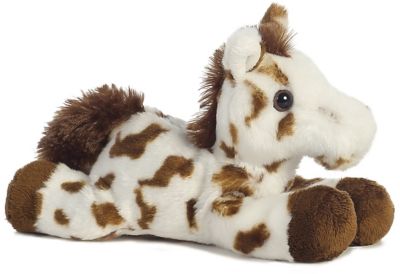
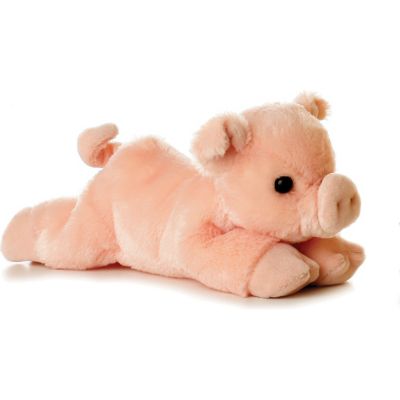
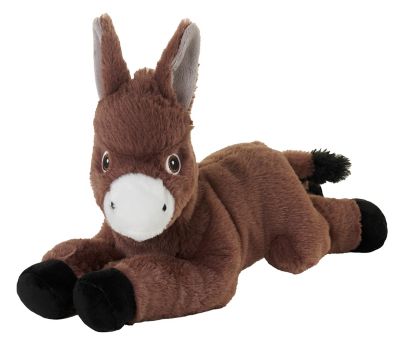
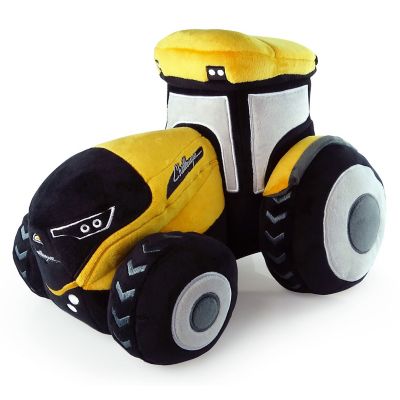
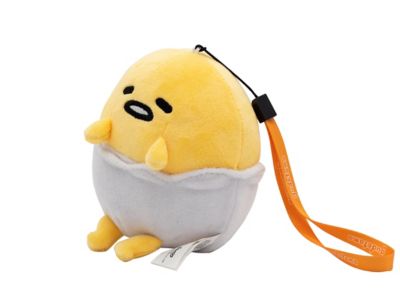
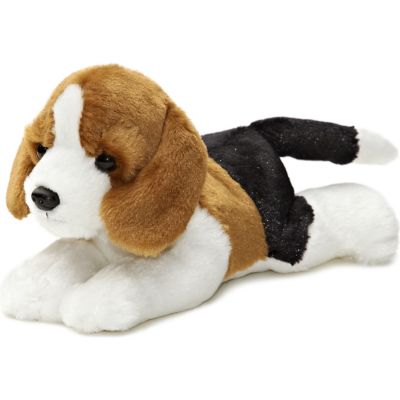
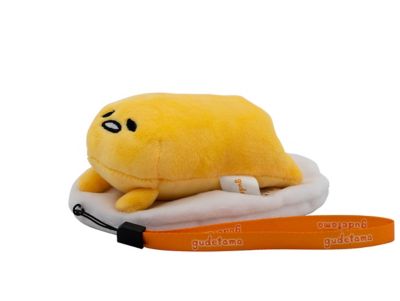
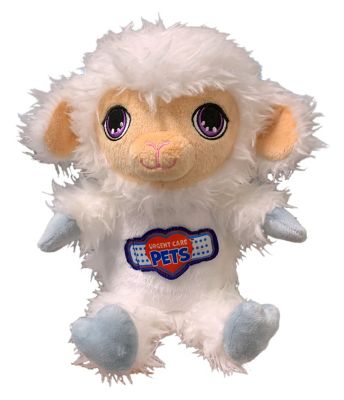
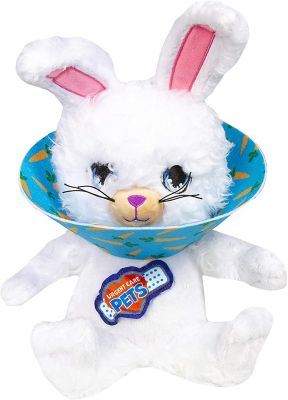
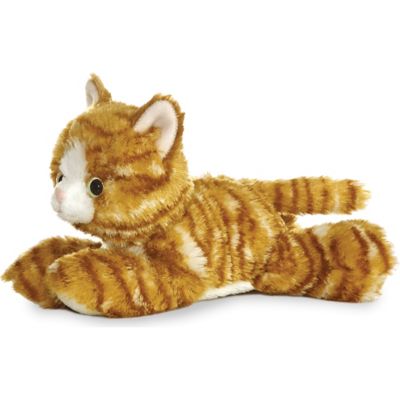
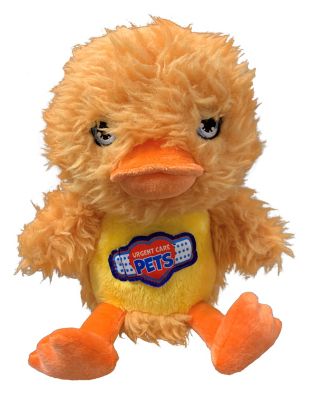
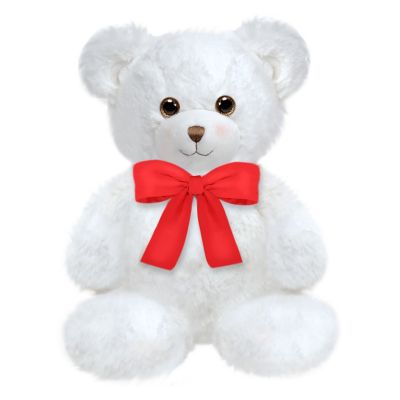
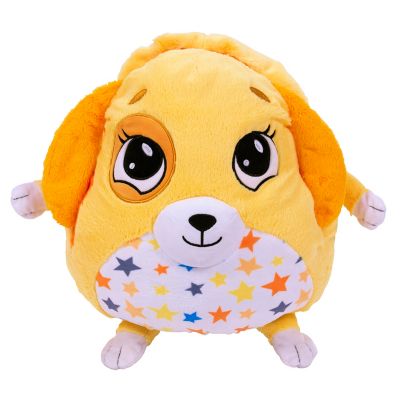
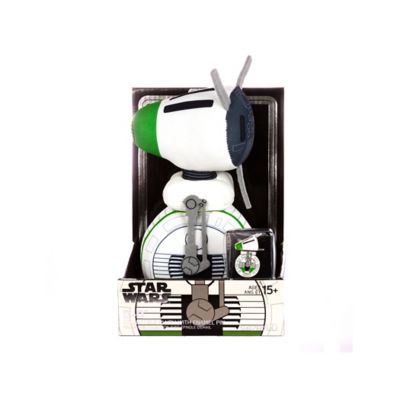
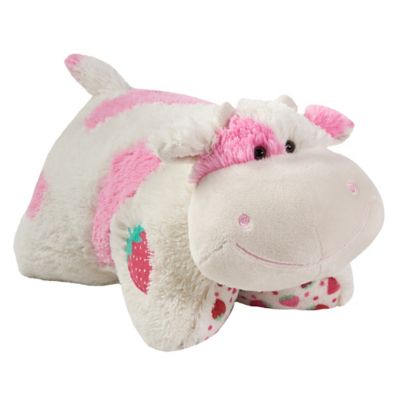
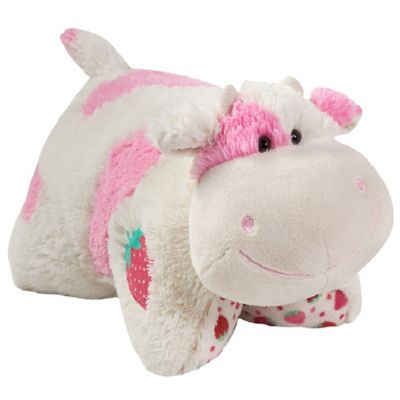
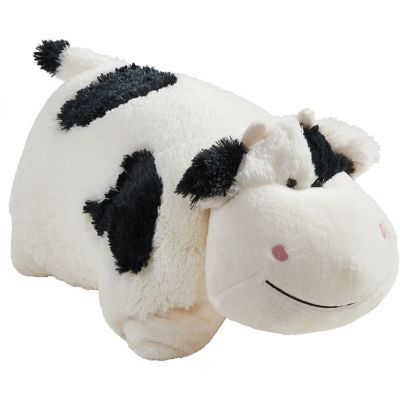
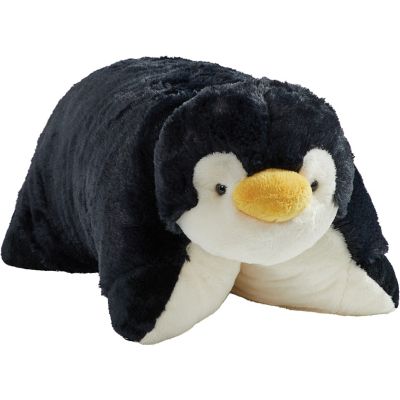
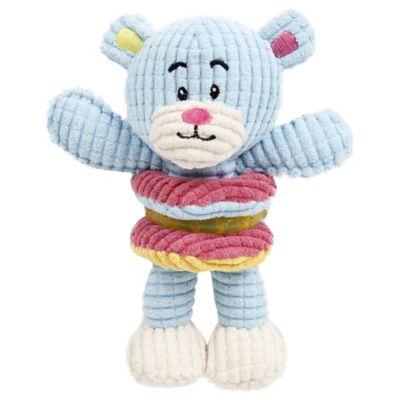
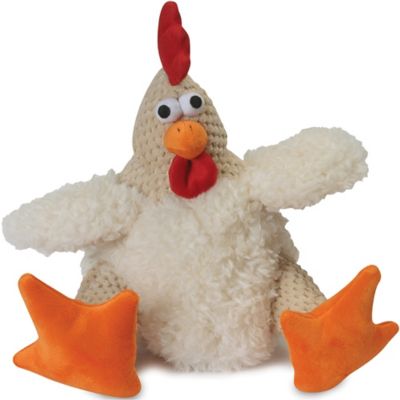
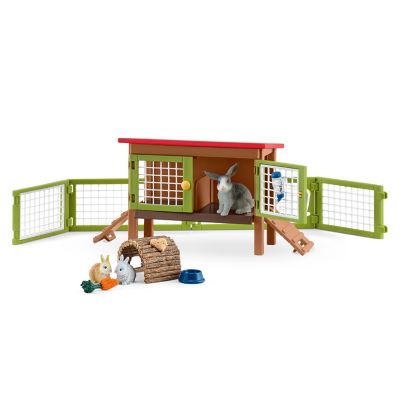
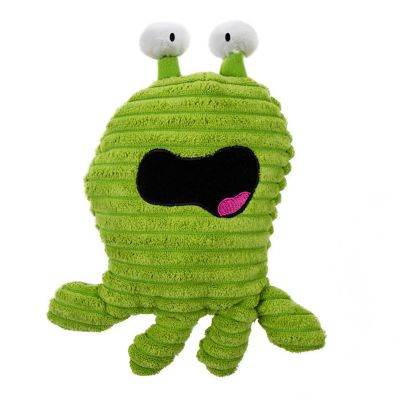
A plush toy is a soft, fabric-covered toy filled with flexible stuffing, most often polyester fiberfill. Also called a stuffed animal, plushie, or soft toy, it can take the shape of an animal, character, or familiar object. The outer fabric gives the toy its feel, while the filling helps determine whether it is floppy, springy, or firm enough to sit upright. Some designs also contain pellets that add weight or help the toy hold a seated position. From a small companion tucked into a backpack to a larger stuffed animal settled into a reading chair, size and shape make a difference in everyday play. A child who likes carrying a buddy from room to room may get more enjoyment from a lightweight toy with an easy-to-grasp body than from one that is hard to lift. For pretend play, familiar farm animals can fit right into a make-believe barnyard, complete with feeding time, fence checks, and a ride in a toy wagon. Softer, less structured shapes lend themselves to lap time and storytelling, while toys with firmer bodies can stand or sit as part of a play scene. Plush toys can also offer something familiar during a long car ride, a visit to grandparents, or the first stretch of an unfamiliar routine. They are not just for little ones, either. Older children and adults may enjoy a stuffed animal that reflects a favorite animal, a fond memory, or a shared interest. A gift feels more personal when its size, texture, and expression suit the person receiving it. A small plush companion fits easily beside books or in a travel bag, while a larger one needs a little more room at home. The best match comes down to how the toy will fit into daily life: carried along on errands, brought out for pretend chores, or kept close during a quiet afternoon with a book. Those everyday details matter more than an elaborate appearance.
Texture is often the first thing someone notices about a stuffed animal, but the fabric, seams, and filling all deserve a closer look. Plush coverings may have short, smooth fibers, a fuzzy fleece-like feel, or a longer pile that changes direction when brushed by hand. Some toys combine several textures, giving small hands different surfaces to explore. Shorter fibers can be easier to check for crumbs and lint, while longer fibers may need more attention to keep them from tangling. A densely filled body generally holds its outline better, while lighter stuffing lets a toy bend and flop more freely. Neither feel is right for every person or purpose; a child acting out barnyard scenes may want something different from someone looking for a soft lap companion. For toys that travel between the house, truck, and grandparents’ place, strong seams and firmly attached features are worth considering. Ears, tails, ribbons, and other projecting parts tend to get plenty of tugging. Embroidered facial details avoid separate plastic eyes or noses, although stitching alone does not make a toy suitable for every age. The manufacturer’s age rating and warnings should always match the child receiving it, especially when a design has small parts, pellet filling, batteries, or sound components. Plush toys and other soft objects should stay out of an infant’s crib or other sleep space. Care requirements matter just as much when a favorite companion goes everywhere. Some plush toys permit machine washing, while others call for surface cleaning only, particularly when they contain electronics or filling that should not get soaked. Check the care label before choosing a cleaning method, and let the toy dry fully before it goes back into play. A washable cover does not necessarily mean the entire toy can go into the washer. Regular checks for loose threads, split seams, exposed filling, and damaged attachments help keep a well-loved toy ready for its next outing. When stuffing or small components become accessible, set the toy aside rather than leaving it in the play rotation.
Plush toys intended for dogs serve a different purpose from stuffed animals made for children, even when both have a soft outer shell and an animal shape. A pet toy may include a squeaker, crinkly material, a rope element, or a pocket designed for a particular play activity. Those features can encourage carrying, gentle fetching, or supervised games, but soft construction is not suited to every chewing style. A dog that likes to parade around the living room with a toy in its mouth has different needs from one that immediately pulls at seams and removes stuffing. Size matters, too: the toy should suit the dog’s mouth and should not be small enough to swallow. No plush dog toy is indestructible, and even sturdy stitching needs regular inspection. Supervision is especially helpful when a dog first gets a new type of toy, since play habits can change with different shapes and sounds. For pet-focused play,
Interactive Plush Dog Toys offer a related category to explore, with the intended activity and each toy’s directions helping determine the right fit. Children’s stuffed animals should stay separate from pet toys, both to protect the child’s companion and to prevent a dog from getting hold of parts not intended for animal play. For people, a plush toy can make a thoughtful birthday gift, a small celebration of a milestone, or a familiar companion to bring on an overnight visit. Consider the recipient’s favorite animals, their preference for smooth or fuzzy textures, and the space where the toy will spend most of its time. A manageable size, clear care instructions, and construction suited to the recipient’s age make the gift easier to enjoy day after day. Whether it joins a make-believe farm, rides along in a child’s bag, or becomes part of supervised pet play, a plush toy earns its place through a comfortable feel and a good fit for the job.