Animal toys bring a little more purpose to play, whether a dog is carrying a favorite toy around the house, a cat is stalking something across the floor or a small pet is busy exploring an enclosure. Different animals play in different ways, and the best match starts with what comes naturally to them: chasing, chewing, tugging, batting, foraging or investigating something new. A dog that lives for a game of fetch needs a different kind of toy than one that settles beside a chair and works steadily at a chew. Flexible rubber, woven rope, fabric and plush materials each offer a different feel, weight and level of resistance. Rubber can suit bouncing and active play, while softer fabric can appeal to dogs that like to carry and cuddle. Rope gives supervised tug games a comfortable grip, but loose strands need attention, especially with a dog that likes to pull things apart. Construction matters as much as material. Thick walls, reinforced seams and securely attached parts can help a toy stand up to its intended job, though no toy is beyond damage. A strong chewer may make short work of something meant for gentle play, and a very hard surface can be rough on teeth. Size matters, too: a toy should be large enough that the animal cannot swallow it, yet manageable enough to pick up and carry without a struggle. Puppies, adult dogs and older companions can have very different needs, even within the same breed. Growing mouths, tender gums, worn teeth and changing energy levels all affect the fit. For a dog waiting patiently while the morning chores get done, a suitable food-dispensing toy can turn part of a meal into an activity. For one that wants company more than a puzzle, a supervised game with a familiar person may be the whole point. Toys earn their place by matching the animal, not just by looking appealing in the basket.
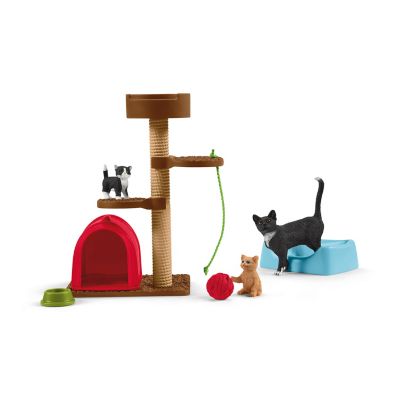
Cats often get more out of movement and texture than size, making lightweight toys, rolling shapes and things that flutter especially interesting. Browsing
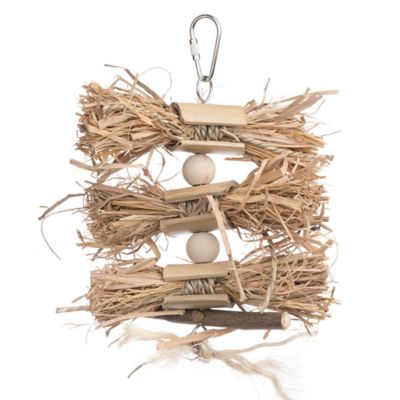
cat toys brings the focus to those familiar stalking, chasing and pouncing habits, with options for both independent play and time together. A cat crouched behind a chair may enjoy following a wand toy around a corner, while another prefers batting a small toy down a hallway and carrying it back to a favorite resting spot. Wand toys and anything with strings, ribbons or feathers call for supervision and a secure place to put them away afterward. Small attachments also deserve a close look, particularly with cats that chew rather than simply chase. Catnip can add interest for some cats, but not every cat responds to it, and a toy can still be engaging without scent. Texture, motion and the chance to finish a chase with a satisfying catch can matter just as much. Play does not have to be fast or noisy, either. An older cat may prefer a slow-moving target within easy reach rather than something that demands a leap. Small animals have their own play habits and material needs. Rabbits and guinea pigs often investigate by chewing, so toys intended for their species should have suitable materials and finishes, without loose pieces that invite swallowing. Untreated wood and paper-based materials may fit some chewing and shredding activities when the maker identifies them as appropriate for that animal. Bird toys add another set of considerations, including beak strength, attachment hardware, openings and places where toes or feet might catch. A toy that suits a small bird may not suit a larger one, and a chew toy intended for a rabbit is not automatically a fit for every other small pet. Across these categories, clear labeling and species-specific construction help narrow the choice beyond color or appearance.
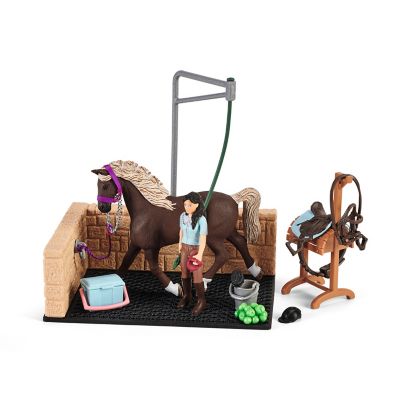
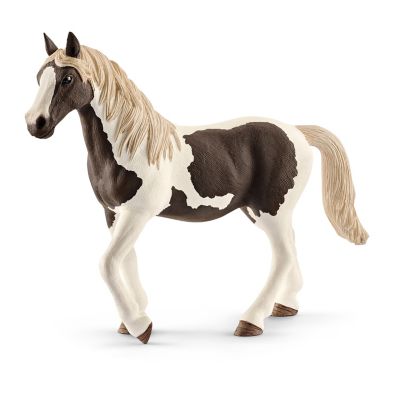
Larger animals can benefit from play and investigation, too, but their equipment needs to match their size and surroundings. Horse toys, for example, should be intended for equine use rather than borrowed from the dog’s toy basket. The animal’s habits, the space where the toy will sit and the presence of other animals all matter. A rolling toy in a paddock presents different demands than an enrichment toy in a stall, where placement must leave room for normal movement and avoid creating a trap around fixtures. In homes with several pets, keeping toys separated can be just as important as choosing them. A small cat toy can become a swallowing hazard for a dog, and a dog’s heavy chew toy may be awkward for a smaller companion. Shared play also depends on temperament; some animals enjoy taking turns, while others guard a favorite possession and need their own space. Everyday care helps keep the toy basket in good shape. Manufacturer directions should determine whether a toy can go in a washing machine or dishwasher, needs hand washing or should only be wiped clean. Hollow toys and food puzzles need particular attention around seams, grooves and openings where food can collect, and washable pieces should dry fully before returning to play. Cracks, exposed stuffing, frayed rope, sharp edges and loose hardware are reasons to take a toy out of reach. Rotating a few suitable toys can keep familiar activities interesting without leaving everything on the floor at once. Animal toys also make thoughtful gifts for pet owners, new adopters and folks welcoming another animal to the place, especially when the choice reflects the recipient’s size, habits and living space. For someone else’s pet, knowing whether that animal chews, chases, shreds or prefers quiet play is more helpful than guessing from looks alone. The right toy adds another chance for an animal to stay engaged and share time with the people who care for it.