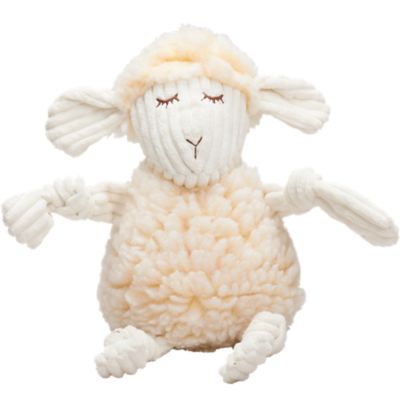
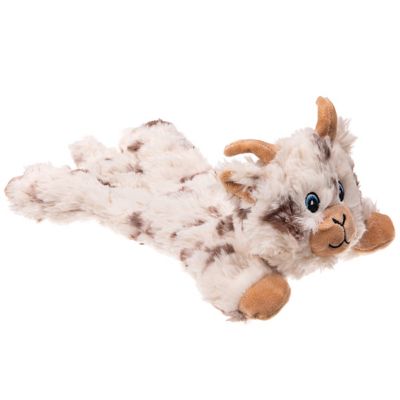
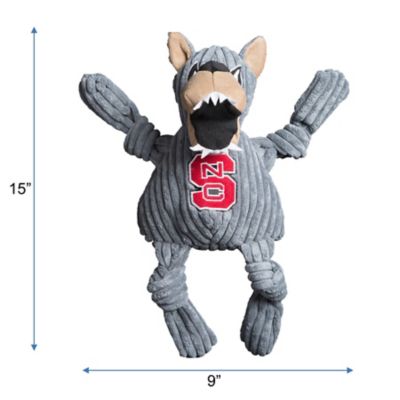
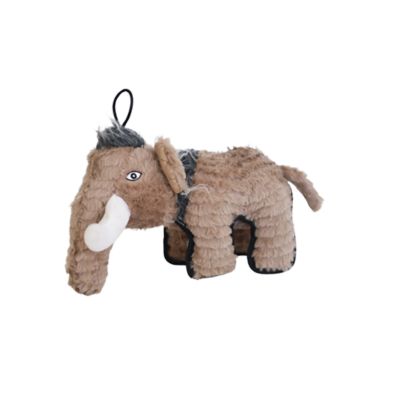
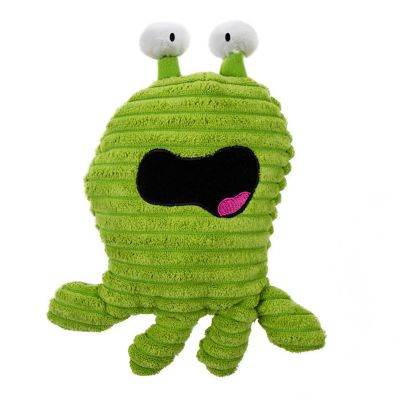
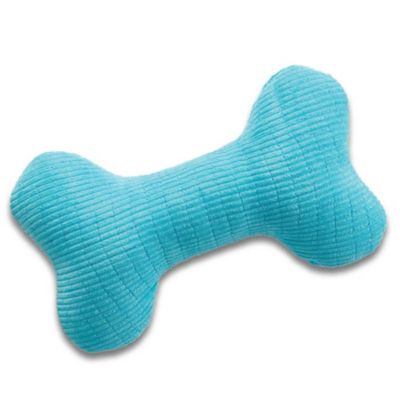
Large dog plush toys give big pups something soft to carry, nuzzle and settle down beside after a good round of play. For the dog that greets everyone at the door with a toy in its mouth, a roomy plush shape can be a welcome part of the daily routine. For another, the appeal is a soft companion to tuck against a bed or drag over beside the couch. These toys suit different play styles, from gentle mouthing and carrying to short indoor tosses with a person close by. Size matters, but a large toy is about more than a long measurement on a label. The width of the body, the thickness through the middle and the shape of any narrow sections all affect how it fits a dog’s mouth. A broad plush body may give a big dog more to hold, while a long, floppy shape can be easy to pick up and tote around the house. The right fit leaves plenty of toy outside the mouth without being so heavy or awkward that the dog struggles to carry it. Breed size offers a starting point, though an individual dog’s habits tell more of the story. A large, gentle retriever that carries toys from room to room may enjoy a different shape than a lively shepherd that shakes everything it picks up. Older dogs may favor lighter, softer toys, while younger dogs often bring more energy to every interaction. Plush toys are best matched to dogs that enjoy carrying, cuddling and supervised play rather than dogs determined to pull every seam apart. A toy that spends the afternoon tucked under a chin serves a different purpose than one brought over for another toss. Keeping that purpose in mind helps make sense of differences in shape, weight and texture without treating every big dog as though it plays the same way.
Fabric and construction shape how a plush toy feels and how it handles everyday play. Fleece-like surfaces, short plush pile and textured fabrics offer different sensations against the mouth and paws. A smooth outer layer may suit a dog that likes to carry a toy quietly, while a nubby surface gives curious noses another texture to investigate. Beneath that outer fabric, details such as an added lining, reinforced seams and the way separate sections attach can affect how well the toy holds together. Long ears, tails and other narrow pieces may be especially tempting for a dog that likes to pick at one spot. A simpler shape with fewer projecting parts may make more sense for that play style, though no plush construction is chew-proof. Filling also changes the feel. A generously stuffed body has a pillowy shape for leaning against or carrying, while a lightly filled or stuffing-free design has more flop and less loose filling inside. Stuffing-free does not mean free of swallowing hazards; fabric, thread and any internal sound components still need attention. Sound can be a big part of the fun, too. Some dogs respond to a squeak with a play bow and a wagging tail, while others prefer a quiet toy they can take to their resting spot. For dogs that perk up at a little noise,
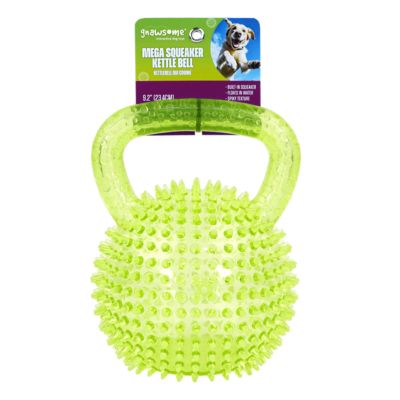
Large Squeaker Dog Toys offer another category to consider alongside soft textures and roomy shapes. Crinkly sections can add another kind of sound, but a dog’s enthusiasm matters more than the number of features. A simple plush toy can be plenty engaging when it matches the way a dog naturally plays. In a household with several dogs, separate toys and supervised play help keep an easygoing carrying game from turning into a competition over one favorite. When a dog starts guarding a toy, giving each animal space matters more than encouraging them to share.
Everyday care helps keep large plush dog toys ready for the next round of play. Soft fabric picks up saliva, hair and dirt, especially when a favorite toy travels from the dog bed to the back door and everywhere in between. Cleaning directions deserve a close look because fabric, filling and internal components do not all tolerate the same treatment. Some constructions allow machine washing, while others call for spot cleaning or hand washing. Follow the toy’s care label for water temperature, cleaning method and drying, and let the filling dry completely before returning it to the dog. A thick plush body can feel dry on the surface while still holding moisture inside. A small rotation of toys gives freshly cleaned ones time to dry and lets each dog spend time with a different shape or texture. Before play, a quick check around seams, attachment points and any sound-making sections can catch trouble early. Loose threads, open seams, exposed filling or a sound component working its way out mean the toy should come out of reach. Discard damaged toys rather than leaving loose pieces where a dog can swallow them, and contact a veterinarian if ingestion is suspected. Supervision is especially important with an unfamiliar toy, since even a usually gentle dog may take a strong interest in one particular seam or squeaker. If play turns into steady tearing or chewing, a plush toy is no longer a good match for that session. These soft toys fit best as one part of a dog’s routine, alongside walks, sniffing time, rest and other suitable activities. As a gift for a big dog’s household, a large plush toy makes the most sense when the giver knows the dog’s size, play habits and comfort with sound. The best fit is a toy that feels right in the dog’s mouth, suits the household and gives that familiar tail another reason to wag.