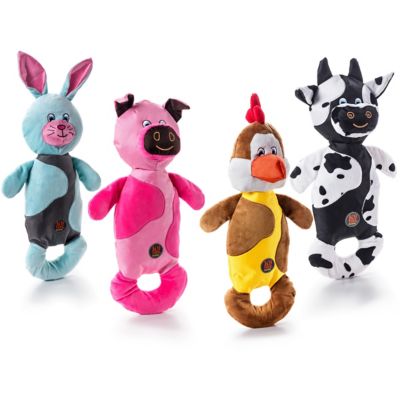
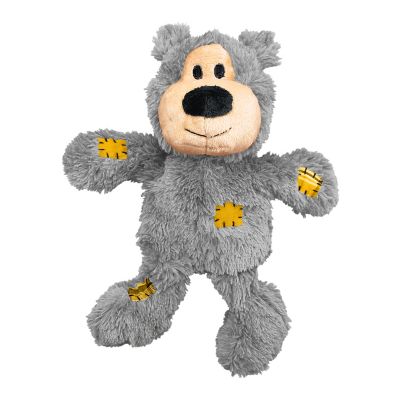
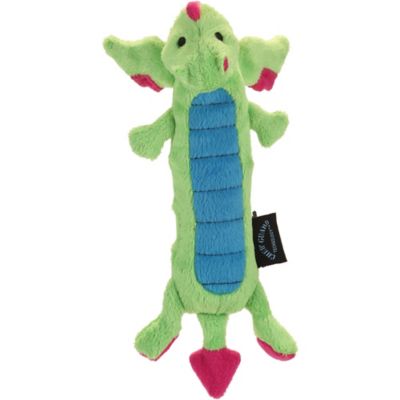
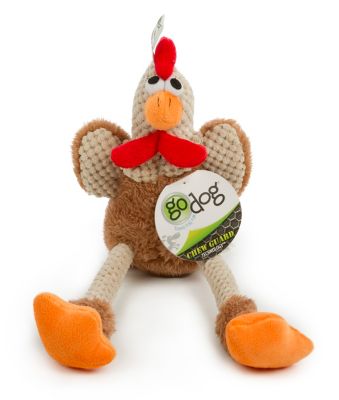
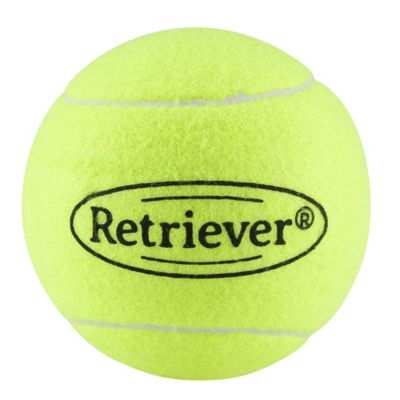
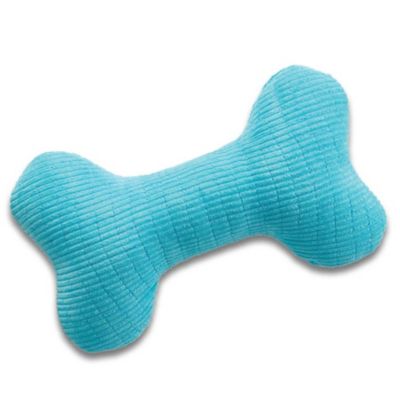
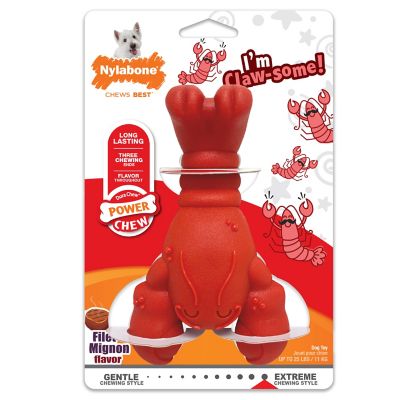
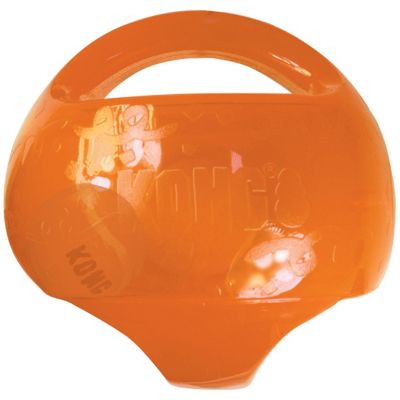
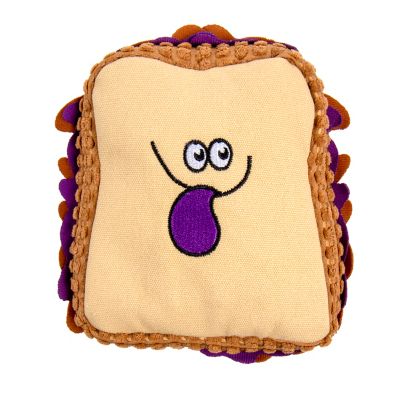
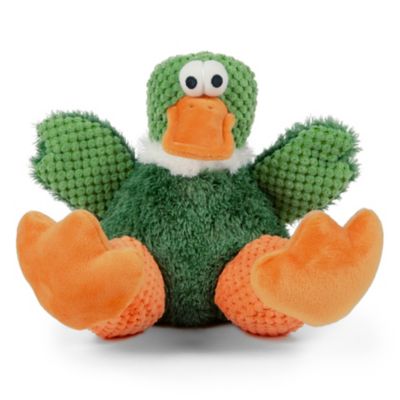
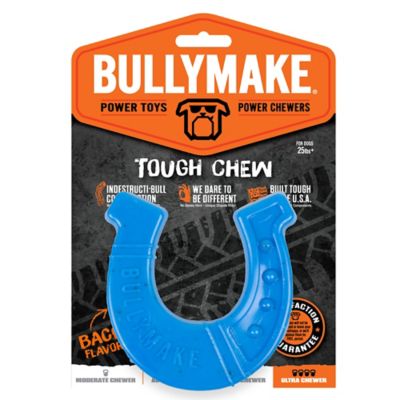
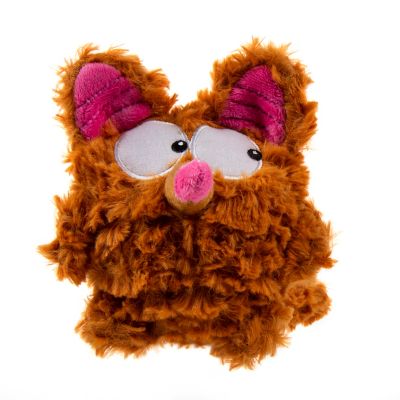
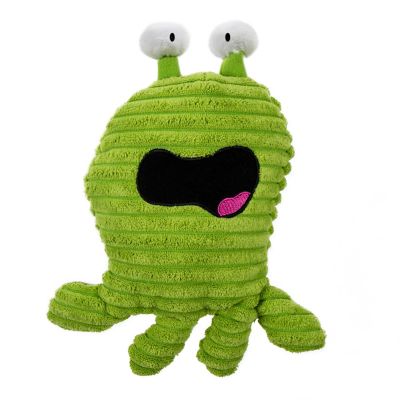
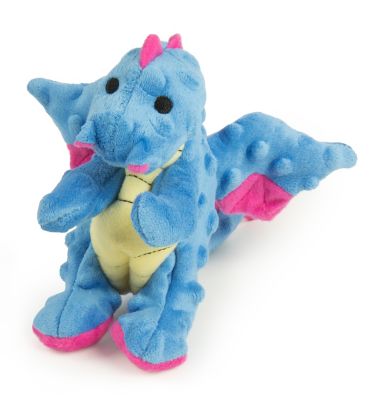
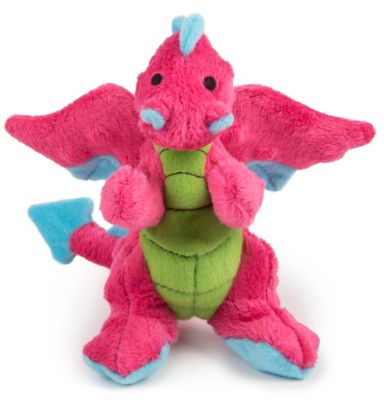
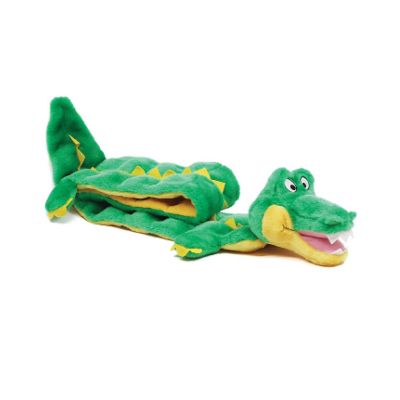
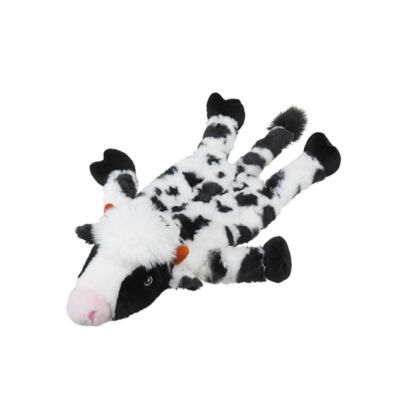
Tough plush dog toys pair a soft fabric exterior with construction features meant to stand up to more play than a basic stuffed toy. Depending on the design, those features may include reinforced seams, multiple fabric layers, tightly woven backing, or protective binding around the edges. The result is a toy that still feels soft enough to carry and curl up with, but offers extra resistance to pulling and everyday wear. That combination suits plenty of dogs, from the retriever that greets everyone with a toy in its mouth to the little terrier that likes a short game of fetch before settling beside the couch. Tough plush is not the same as chew-proof, though. No plush dog toy is indestructible, and even heavily reinforced fabric can come apart when a dog plants its paws and works at one seam. These toys generally make more sense for carrying, tossing, snuggling, and supervised interactive play than for prolonged, forceful chewing. The details underneath the soft outer layer matter as much as the feel of the fabric. A woven liner can help resist tearing, while multiple rows of stitching can help keep panels together under tension. Bound edges may give seams extra protection, but a determined dog can still target them. Short-pile fabric offers a different feel from fluffy fleece, and dogs often show a clear preference for one texture over another. Shape matters, too: a rounded body provides a broad place to grab, while narrow limbs and tails offer tempting spots for dogs that like to nibble or pull. For a dog that enjoys holding something soft without taking it apart, a reinforced plush toy can fill a different role than a firm rubber chew. Matching that role to the way a dog actually plays is more useful than judging toughness by appearance alone. A thick-looking toy is not necessarily the right match for a dog that concentrates all its effort on a single corner.
Size, filling, and sound all influence how a plush toy fits into a dog's day. A suitable size gives the dog enough room to pick up and carry the toy without allowing the whole thing to disappear into its mouth. Weight deserves attention alongside length, especially for small dogs and puppies that may struggle with a large, heavily layered toy. A broad shape can be easier for some dogs to hold than a long, floppy design, while others prefer something they can carry by the middle without dragging it underfoot. Manufacturer size recommendations offer a starting point, but mouth size and play habits matter more than breed labels alone. Stuffed plush toys provide cushioning for dogs that rest their chins on a favorite companion or tote it from room to room. Low-stuffing and stuffing-free designs reduce the amount of loose filling that could scatter across the floor if the shell tears. They do not eliminate the risk of swallowing fabric, thread, or internal parts, so they still call for supervision. Squeakers and crinkle layers add sound and movement that can encourage a reluctant dog to join a game. For another dog, that same squeak becomes an invitation to dig until the sound-making piece comes out. Watching that response helps distinguish a good play match from a toy that needs to stay reserved for closely supervised sessions. Quieter designs may better suit shared living spaces or dogs that prefer a soft carry toy without much commotion. In homes with more than one dog, separate toys and enough space to enjoy them can help keep play comfortable, particularly when one dog is much larger or more forceful than another. A toy that holds up well for a gentle adult dog may fare very differently with an enthusiastic youngster. Tough plush dog toys can also make thoughtful gifts for pet-owning households when the dog's size, preferences, and chewing habits are known. Those details make a better starting point than choosing by a cute face or bright color.
Everyday care plays a part in how long a tough plush dog toy stays fit for play. Saliva, dirt, and repeated pulling can leave fabric matted and make damage harder to spot, so regular checks belong alongside cleaning. Pay particular attention to seam ends, attachment points, and the places a dog repeatedly grips. Loose stitching, a split panel, exposed filling, or a squeaker working toward the surface are reasons to take the toy away rather than let the dog finish pulling it apart. Follow the care label for washing; some plush constructions permit machine washing, while others call for spot cleaning or hand washing. Internal sound components and layered fabrics may have different care requirements, so one cleaning method will not suit every toy. Allow the toy to dry completely before putting it back into play, including the filling and inner layers. Keeping a few suitable toys in rotation gives freshly cleaned ones time to dry and can renew a dog's interest without making every play session louder or more energetic. A soft toss down a clear hallway, a supervised search for a toy tucked behind a chair, or a familiar plush companion carried to bed can all give these toys a place in an ordinary day. Tugging is a better fit only when the toy's construction and manufacturer guidance support that kind of play; avoid lifting or dragging a dog by a toy. Puppies still learning what belongs in their mouths need close attention, and dogs with dental discomfort need veterinary advice rather than assumptions that every soft toy will feel comfortable. If a dog consistently tears through reinforced plush, a different toy material may be a better match for active chewing, with plush saved for supervised carrying or gentle games. For a broader look at materials and play styles,
Best Dog Toys offers another place to compare options. The best fit is a toy that suits the dog's habits, feels manageable in its mouth, and supports the kind of play it enjoys without asking soft fabric to do the job of a dedicated chew toy.