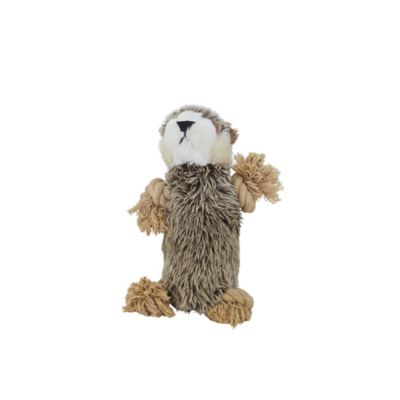
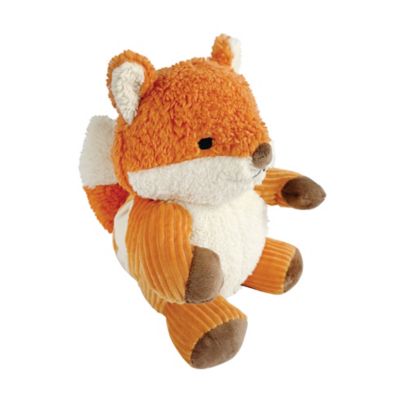
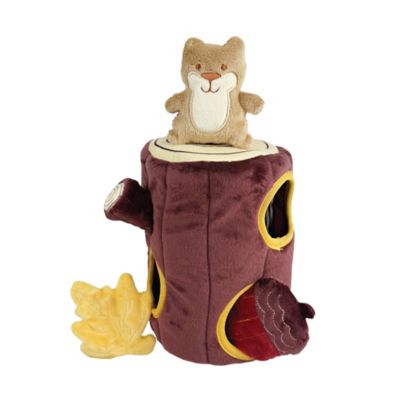
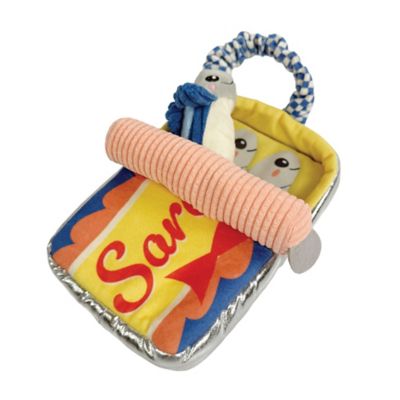
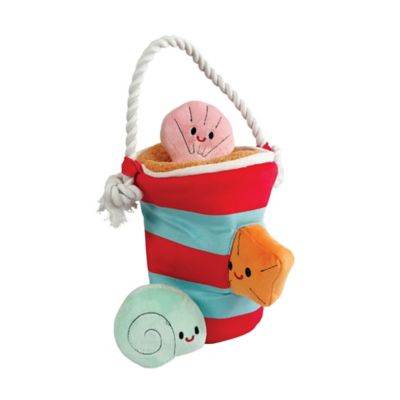
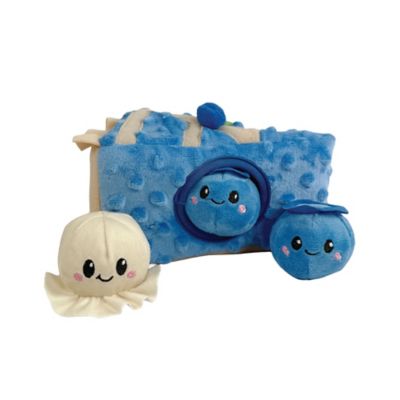
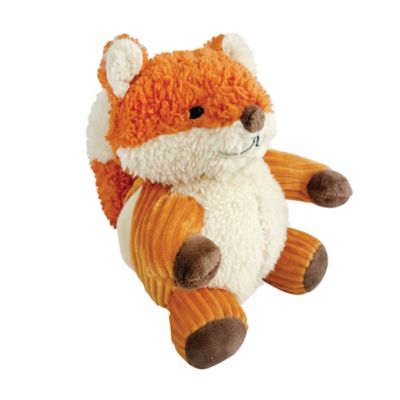
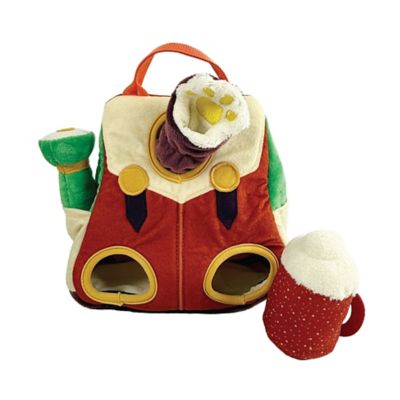
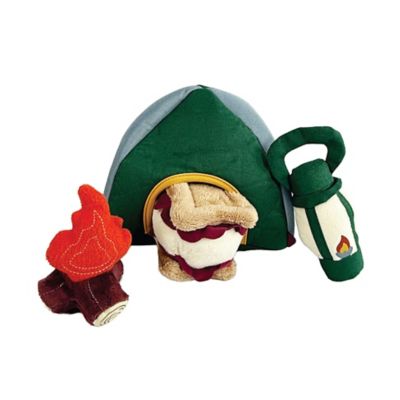
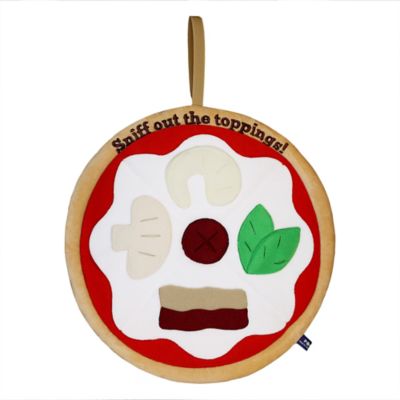
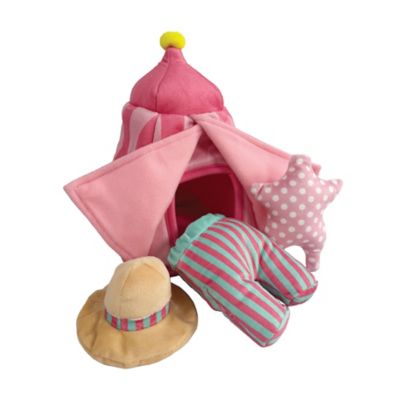
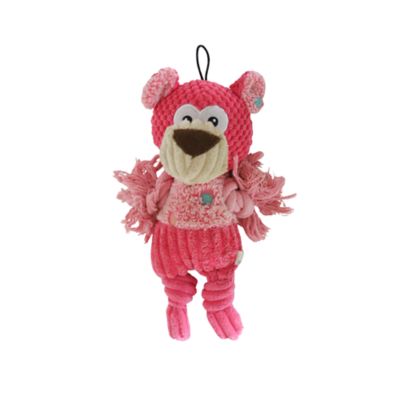
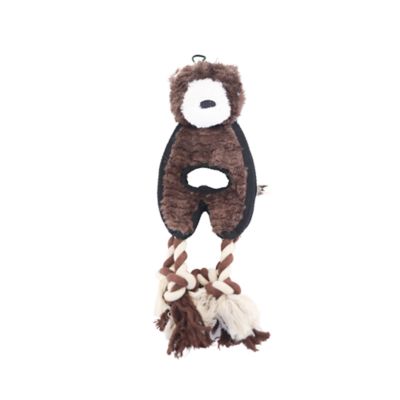
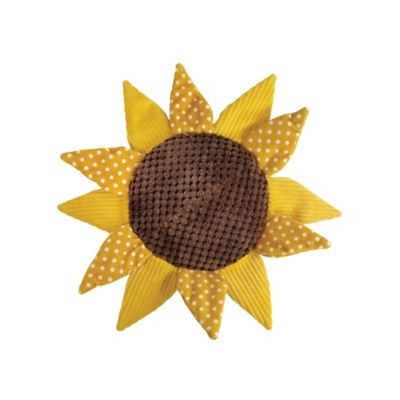
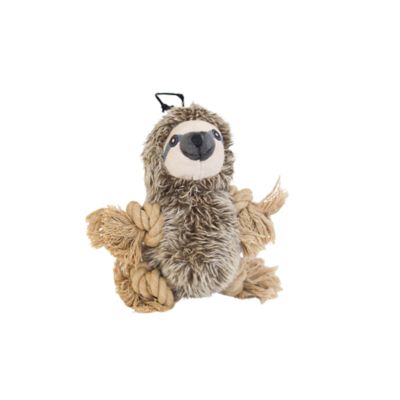
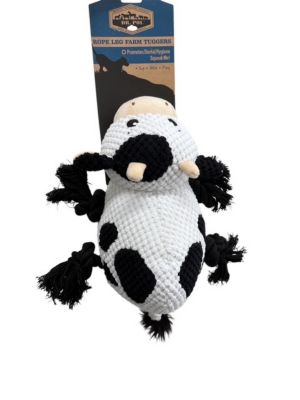
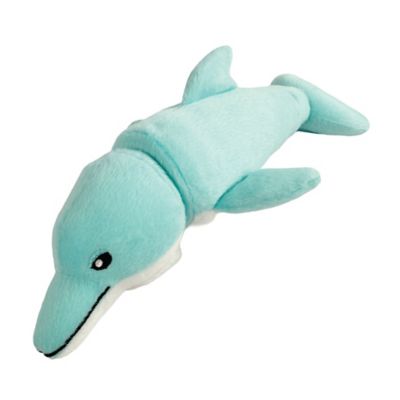
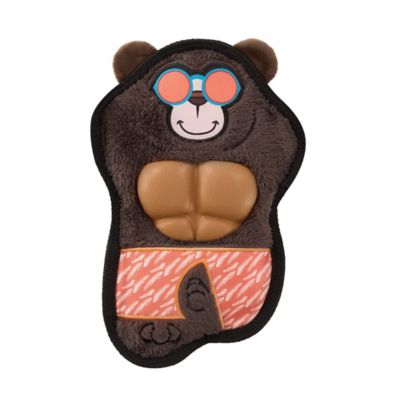
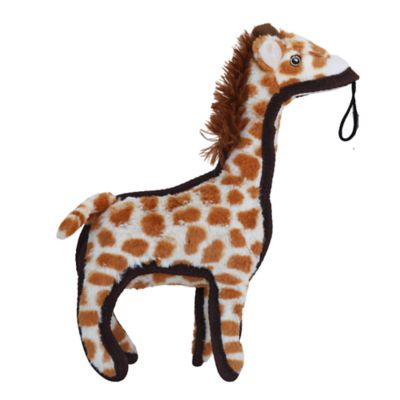
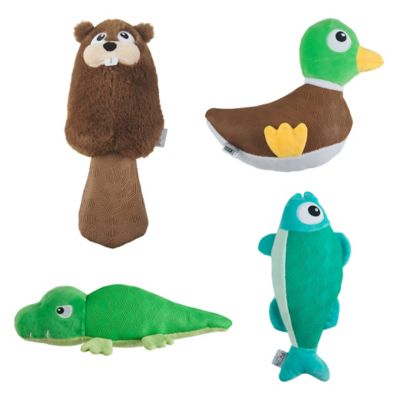
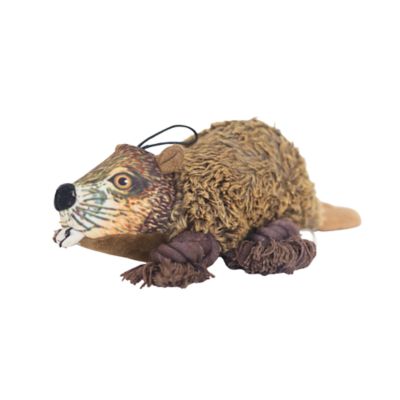
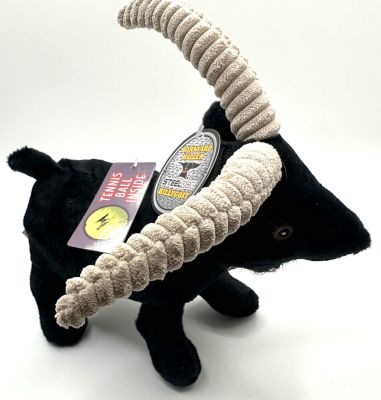
Interactive plush dog toys combine soft fabric with features such as squeakers, crinkle layers, hidden compartments, or removable pieces that give dogs something to investigate during play. Some encourage a dog to nose through an opening and pull out smaller plush shapes, while others make a sound when squeezed or rustle under a paw. Certain designs add motion or sound through an enclosed mechanism, so their intended use and supervision needs can differ from those of a simple stuffed toy. The appeal is the back-and-forth: a dog nudges, paws, carries, or mouths the toy, and something happens in response. That little reward can turn a soft plaything into an engaging activity between walks, training sessions, and time spent alongside the family. A dog that enjoys searching may take to a plush hide-and-seek toy, while one that likes carrying something from room to room may prefer a larger shape with an easy place to grab. Crinkly sections offer a different kind of feedback from a squeaker, and some dogs show a clear preference for one sound over another. Plush puzzles with removable parts also create opportunities for shared play, with a person replacing the pieces after the dog pulls them free. Designs with compartments intended for treats can add a food-searching element when filled according to the manufacturer's directions. These activities can encourage exploration and problem-solving, but they do not replace exercise, training, or companionship. A short round of searching beside the couch can be a good fit for a dog that enjoys working close to a person without racing across the room. For dogs that lose interest after the first squeak, a different texture or a hidden piece may offer another reason to return to the toy. Preferences vary, and a dog's play style matters more than the number of features packed into a single toy.
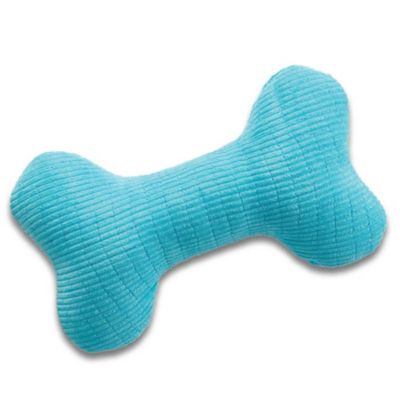
Fabric, construction, and size all shape how an interactive plush toy feels in a dog's mouth and how it holds up through repeated play. Common materials include polyester plush, fleece, and textured fabrics such as corduroy, with soft filling inside many designs. Smooth fabric can suit dogs that enjoy carrying and cuddling, while ridges, fabric tabs, and crinkle panels give curious noses and paws more to explore. Reinforced seams or additional fabric layers may help a toy withstand regular handling, but no plush construction is chew-proof. Stuffing-free designs reduce the amount of loose filling inside, yet fabric, squeakers, and other components can still become swallowing hazards if torn free. The best fit depends on both body size and behavior. A toy should be large enough that the dog cannot swallow it whole, and any removable pieces need the same consideration as the outer toy. At the same time, an oversized or heavy design can be awkward for a small dog to lift and carry. Mouth shape, jaw strength, and the way a dog grabs toys are worth considering alongside weight recommendations. A gentle adult dog that carries a toy to its bed has different needs from a determined shredder that immediately works at every seam. Puppies may enjoy exploring soft textures, but plush toys are not substitutes for age-appropriate chewing options. Older dogs may appreciate easy-to-grip shapes and quieter features, depending on their comfort and preferences. Supervised play makes it easier to notice when gentle mouthing turns into pulling threads, opening seams, or trying to extract a squeaker. Removing a damaged toy promptly helps keep loose parts out of reach. For toys with electronic components, secure battery compartments and the manufacturer's age, size, and handling directions deserve particular attention. Dogs that routinely tear apart and swallow soft toys may need a different toy category rather than a thicker plush version.
Interactive plush dog toys fit naturally into everyday routines when their features match the dog and the space. A few minutes of shared hide-and-seek on a clear patch of floor can offer a satisfying change from another round of tossing, especially for a dog that likes sniffing out a reward. Keeping play sessions manageable also makes it easier to gather every removable piece before the toy goes away. In homes with more than one dog, separate play spaces may be helpful when a favorite squeaker or treat-filled compartment becomes something to guard. Sound matters for the household, too: an enthusiastic squeaker fan can fill a room quickly, while a softer crinkle may be a better match for shared spaces. For activities that head beyond the house,
Outdoor Interactive Dog Toys offers a related category to consider for different play settings. Plush fabric generally needs attention after contact with dirt, drool, or food, and cleaning directions vary by construction. Some toys permit machine washing, while others call for spot cleaning or handwashing; electronic designs may have stricter limits on contact with water. Following the care label, checking seams after cleaning, and allowing the toy to dry completely before play can help keep it ready for the next round. Treat compartments need extra attention so food does not remain tucked into folds. Storing toys clean and dry, with loose pieces together, makes the next session simpler to set up. A plush activity toy can also make a thoughtful gift for a dog-owning friend or family member when the dog's size and habits are familiar. Matching the gift to a known love of searching, squeaking, or carrying gives it a better chance of becoming part of the daily routine. For many dogs, the real draw is a soft toy that invites their favorite kind of play—and a person nearby to join in.