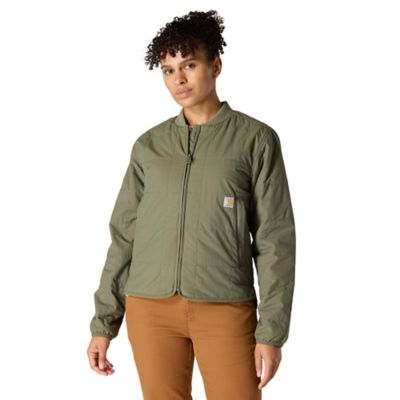
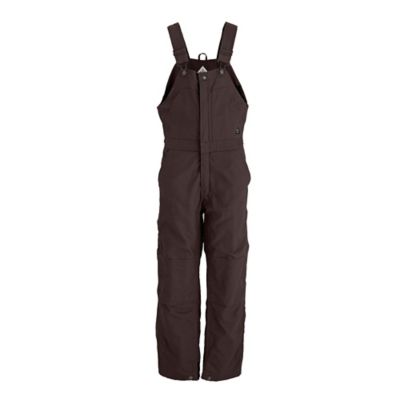
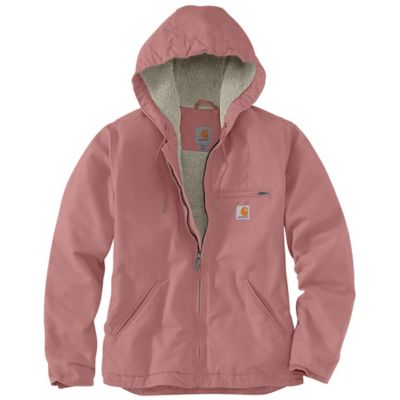
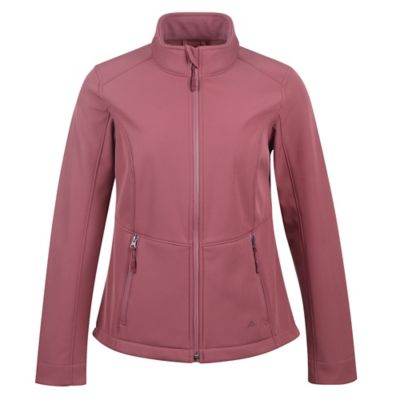
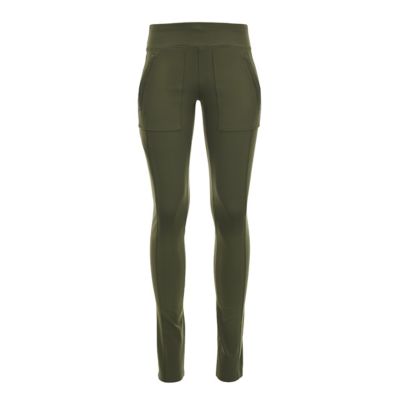
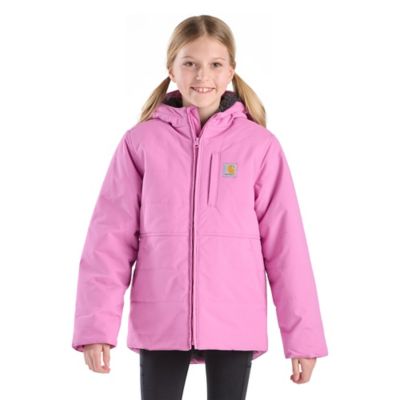
Plus size outdoor clothing is built around comfort, coverage and freedom to move, whether the day involves walking a wooded trail, tending animals or getting a few fence-line chores done. The category includes outdoor pants, active tops, fleece layers and outerwear in extended sizes, with different cuts and fabrics suited to different kinds of activity. A comfortable fit leaves room to reach, squat and step over uneven ground without pulling across the shoulders or pinching at the waist. That matters when lifting a feed sack, climbing into a truck or bending to fasten a gate latch. Size labels alone do not tell the whole story: chest or bust, waist and hip measurements help establish a starting point, while sleeve length, inseam and torso length affect how a garment sits throughout the day. Two people wearing the same size may prefer different rises, leg shapes or amounts of room through the seat and thighs. A higher rise can provide more coverage when bending, while a contoured waistband can help reduce gaps at the back. Straight-leg and relaxed cuts leave space for movement, and stretch fabrics can offer flexibility with a closer fit. Neither approach needs to feel restrictive. Shirts should allow an easy reach overhead, and outer layers need enough space for whatever goes underneath without leaving sleeves hanging past the hands. Details such as adjustable hems, waistband tabs and cuff closures can help fine-tune the fit. Pocket placement deserves a look, too. A pocket that sits comfortably while standing should still be easy to reach while seated, and a phone should not press into the hip with every step. For anyone splitting time between the barn, the yard and a nearby trail, clothing that moves naturally makes it easier to stay focused on the task instead of stopping to tug at a hem or readjust a waistband. Extended sizing works best when the proportions of the whole garment support that everyday movement.
Fabric and construction help determine where plus size outdoor apparel fits into a day’s plans. Cotton offers a familiar feel for everyday wear, while cotton canvas and twill bring a firmer structure that suits chores involving rough surfaces and repeated contact with tools or equipment. Heavier fabric is not automatically the best choice for every outing; a long walk may call for something lighter and more flexible than an afternoon of stacking firewood. Polyester and nylon fabrics are common in outdoor clothing because they can dry faster than cotton, depending on the weave and finish. Moisture-wicking fabric helps move perspiration away from the skin, which can make active work more comfortable. A little spandex adds stretch, but the placement of stretch panels and the shape of the garment matter alongside the fiber blend. Articulated knees, gusseted construction and roomy shoulder seams can support a full stride or an easy crouch without forcing the fabric to do all the work. Fleece offers a soft, insulating layer, with lighter versions suited to layering and denser constructions providing a more substantial feel. Performance features deserve clear distinctions. Water-resistant fabric offers some protection against light moisture, but it is not the same as waterproof construction. Waterproof garments depend on the fabric or membrane as well as details such as sealed seams and protected closures. Sun-protective clothing should carry a stated UPF rating rather than relying on fabric thickness or color alone. For wear resistance, look beyond the main fabric to stitching at pocket corners, reinforcement at high-contact areas and closures that operate smoothly. Kneeling beside a garden bed puts different demands on pants than strolling a gravel path, just as carrying supplies can put repeated strain on shoulders and elbows. Secure pockets keep small essentials close, while smooth seams and covered fasteners help limit rubbing. Pants worn with work boots need a leg opening that clears the footwear without dragging on the ground. These practical details help match outdoor clothing to the work, walking and everyday activity it needs to handle.
Layering gives plus size outdoor clothing flexibility without requiring every piece to serve the same purpose. A smooth, comfortable layer next to the skin creates a foundation, while a fleece or other insulating layer adds coverage where needed. An outer layer should fit over that combination without binding through the upper arms or pulling tight when zipped. For coverage through the torso with the arms left free,
plus size women's fleece vests fit naturally into an outdoor wardrobe. A vest can pair with a long-sleeve shirt for walking the property, checking on livestock or running errands after chores. Its usefulness depends on details such as armhole shape, hem length and how comfortably the front closes over the layer beneath it. Clothing that fits well standing still should also feel comfortable behind the wheel, on a porch step or while reaching for something on a shelf. Care helps preserve that fit and the fabric’s performance. The garment label takes priority because canvas, stretch knits, fleece and waterproof fabrics can have different washing and drying requirements. Fastening zippers and hook-and-loop closures before washing helps prevent snagging, and clearing out pockets keeps grit and small objects from working through the load. Fabric softener can interfere with moisture-wicking finishes, so performance clothing may call for detergent without added softener. Excessive dryer heat can affect elastic fibers or certain coatings; the care label will indicate whether tumble drying or air drying is appropriate. Dirt ground into cuffs and knees is worth addressing promptly with a treatment suited to the fabric. Small seam repairs can also keep everyday wear from turning into a larger tear. For a gift, the recipient’s preferred fit, usual activities and actual measurements are more helpful than guessing from appearance. Someone who spends hours doing chores may value roomy movement and useful pockets, while a frequent trail walker may lean toward lighter fabrics and secure closures. The best match is clothing that feels at home in the recipient’s routine and leaves plenty of room to get on with the day.