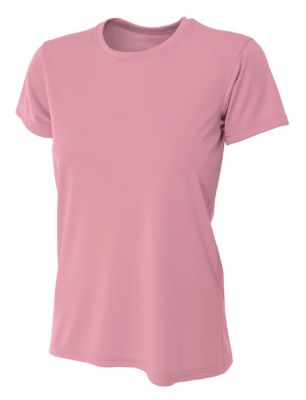
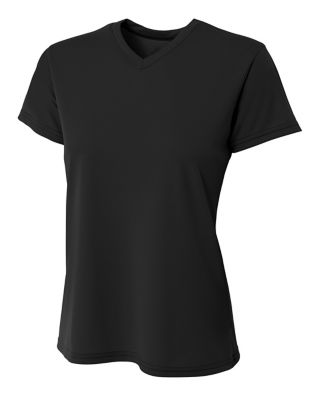
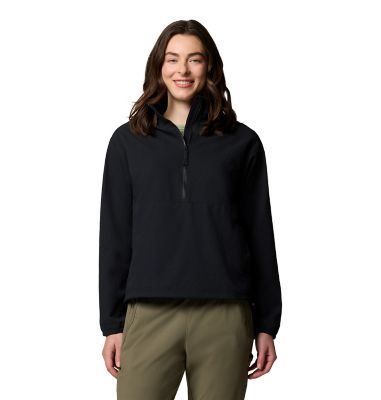
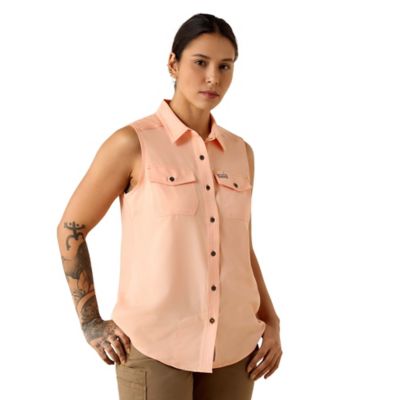
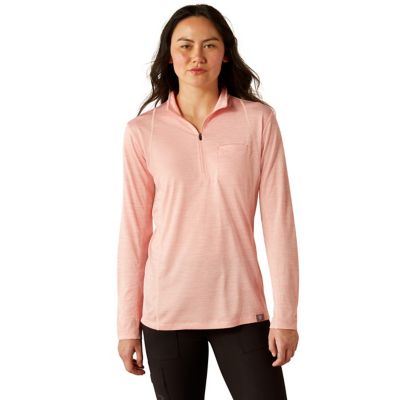
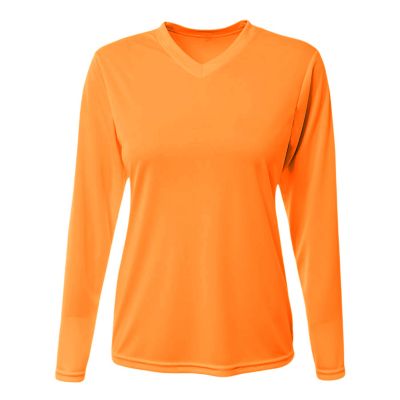
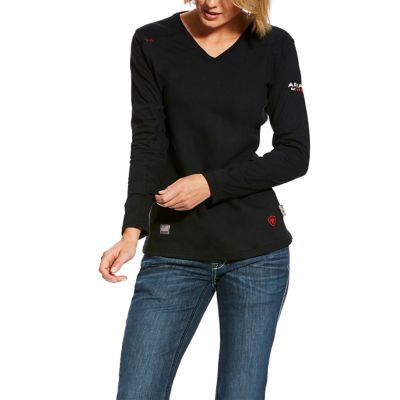
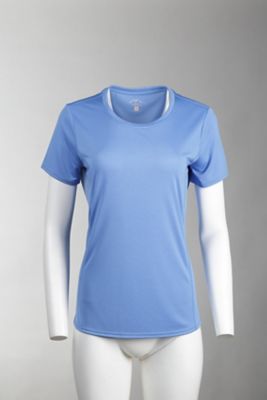
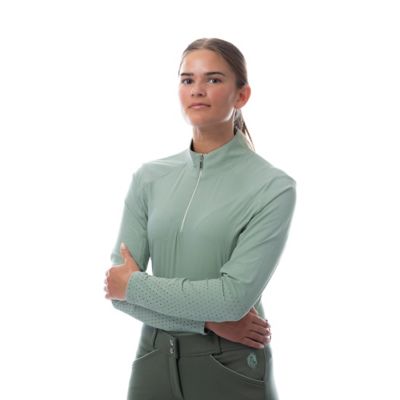
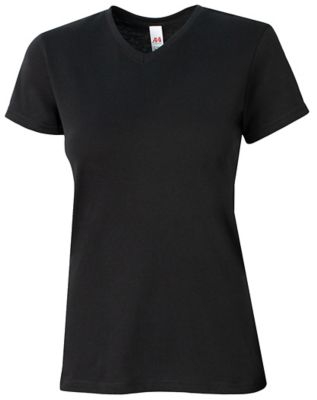
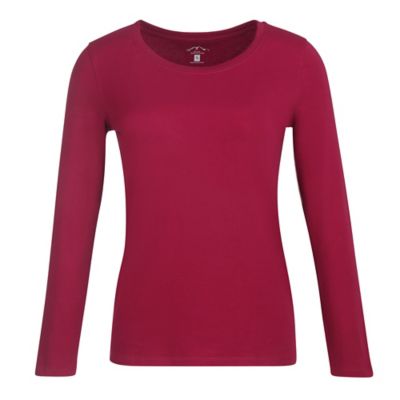
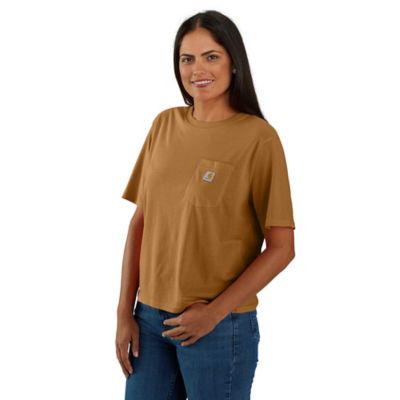
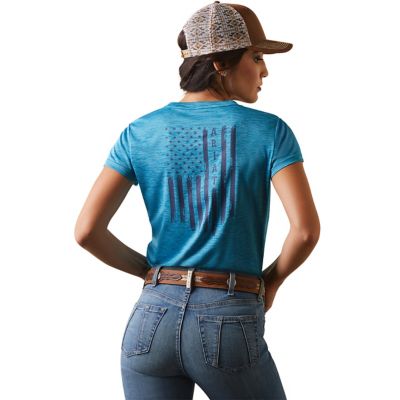
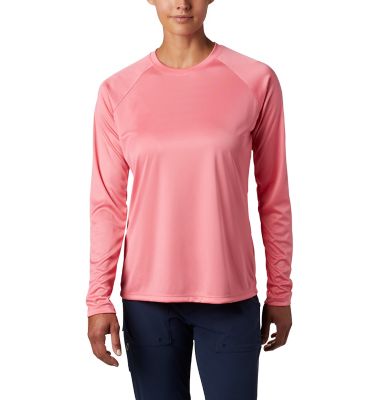
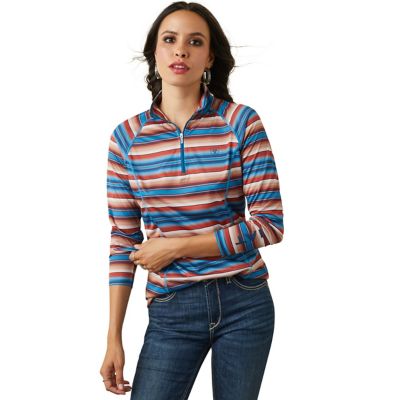
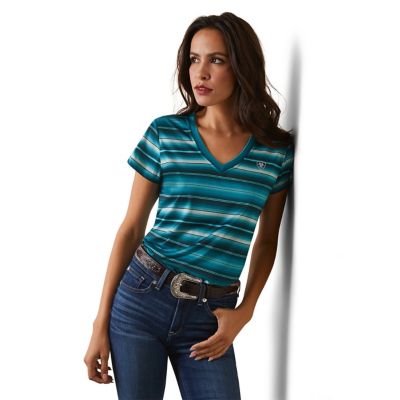
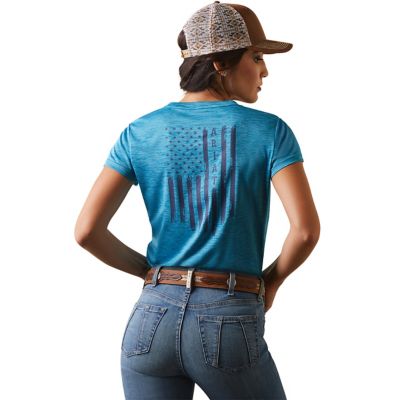
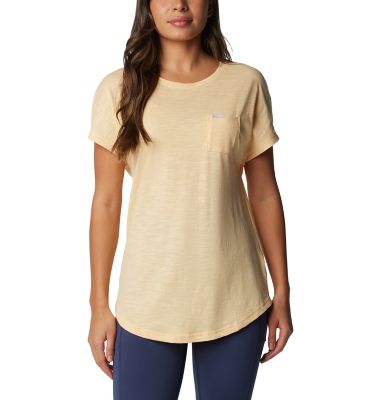
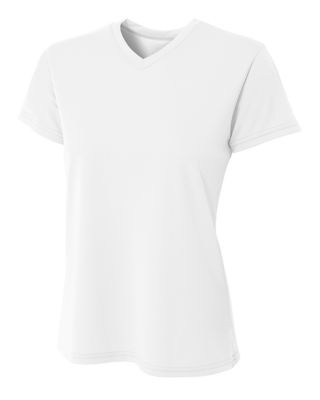
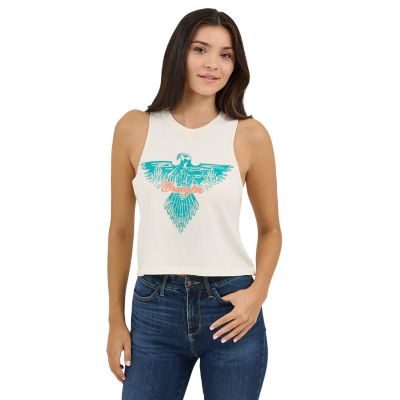
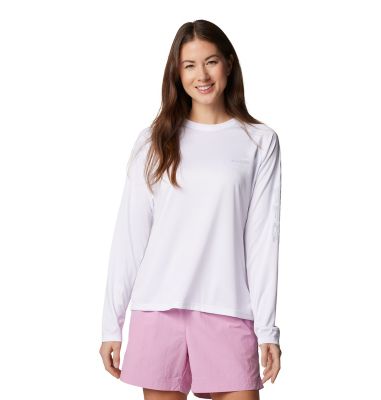
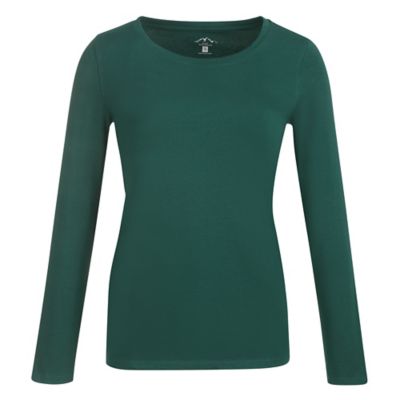
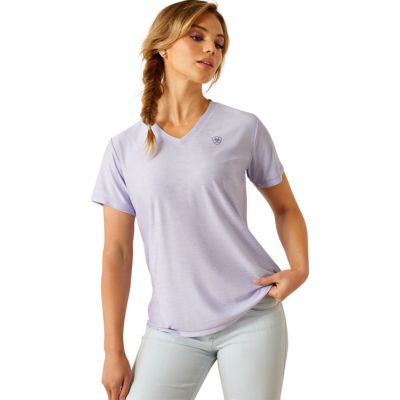
Women’s plus size workout tops bring movement-friendly fit, comfortable coverage and practical fabric choices to walking, strength training, stretching and everyday activity. Tanks, short-sleeve tees and long-sleeve shirts each offer a different feel, but the main job stays the same: giving you room to move without constant tugging or adjusting. Whether exercise means a few miles down the farm lane, a class at the community center or lifting weights before the day’s chores, the right top should work with your stride, reach and range of motion. Fabric makes a noticeable difference. Polyester and nylon blends are common in activewear because they can provide a lightweight feel and dry faster than many cotton fabrics. Moisture-wicking construction helps move perspiration away from the skin toward the fabric’s outer surface, where it can evaporate; it does not mean a shirt will stay completely dry through every workout. Spandex adds stretch, helping a top move through an overhead press or a deep side bend and return toward its original shape afterward. Cotton-rich blends bring a soft, familiar T-shirt feel that can suit gentle stretching, an easy walk or a less demanding exercise session, though they tend to hold moisture longer. Fiber content is only part of the story. Fabric weight, knit structure and finishing also affect how a shirt drapes, stretches and feels against the skin. A thin knit may feel light without providing the coverage you want, while a more substantial knit may offer a smoother appearance. Mesh panels can add airflow in areas where perspiration builds, and smooth fabric surfaces may feel more comfortable during repetitive movement. For plus size activewear, comfort comes from the balance of fabric, cut and activity rather than a particular fiber alone. A shirt meant for a steady treadmill walk may feel quite different from one chosen for floor exercises, even when both carry similar fabric descriptions.
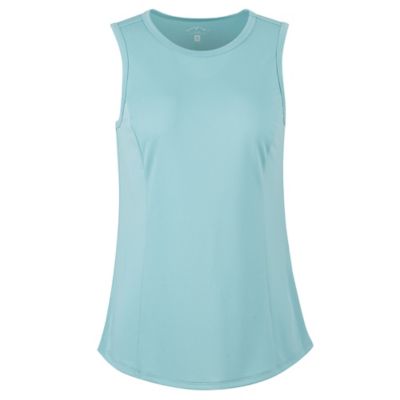
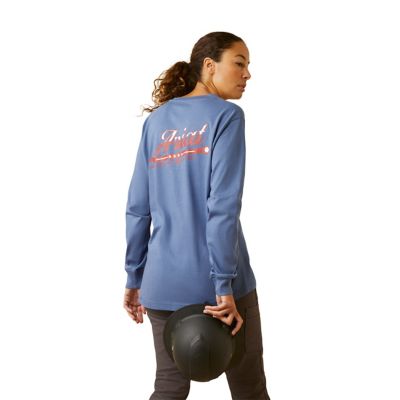
Fit in women’s plus size workout tops involves more than choosing a larger letter size. Room through the bust, shoulders, upper arms, waist and hips affects how the whole shirt hangs, and those proportions vary between cuts. Body measurements compared with a garment’s size chart offer a better starting point than assuming every top with the same size label will fit alike. A relaxed silhouette can provide space around the middle and an easy drape over leggings, while a closer athletic fit can limit loose fabric during bending and lifting. Neither shape is automatically better; comfort depends on your movement and how much fabric you prefer around your body. A stretchy shirt is not necessarily a compression garment, and a fitted cut should not pinch at the armholes or pull tightly across the back. The most telling fit checks happen in motion. Reaching toward a high shelf shows whether the hem lifts farther than you like, while sitting, bending and bringing both arms forward reveal tension that may not show while standing still. Longer hems and curved backs can provide extra coverage, but excess length may bunch at the hips or gather during seated exercises. Side slits can give a longer shirt more room to move around the hips. Neckline depth matters during forward bends, and sleeve openings should allow your arms to swing without rubbing. For shoppers who prefer an open shoulder and less fabric around the arms,
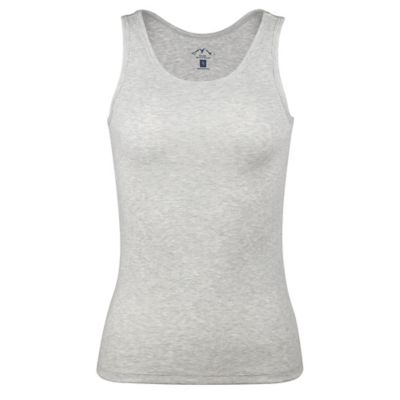
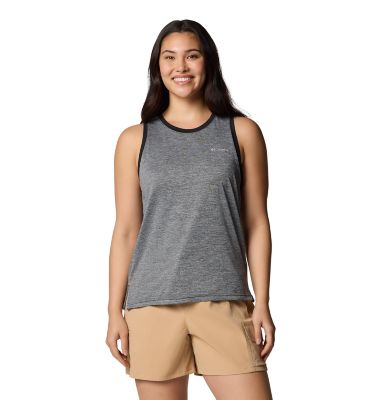
women’s exercise tank tops offer another silhouette to consider. Tank armholes and back shapes also affect how much of a sports bra shows. A workout top generally provides coverage rather than breast support, so its fit is worth considering alongside the sports bra worn underneath. The combination should let you take a full breath, reach freely and settle into the activity without repeated adjustments.
Intended use helps narrow down the details that matter most. For walking and general exercise, an easy-moving shoulder and a hem that stays settled can make a top comfortable from the first lap to the last. Strength training calls for enough room across the upper back to reach for a bar or bring weights overhead without the shirt pulling against you. During yoga, stretching or floor work, a neckline that stays close enough to the body and a hem that does not slide toward the shoulders can make transitions less distracting. Repetitive movement can also make seam placement noticeable. Smooth seams, covered stitching and a label arrangement that does not scratch can help reduce irritation, especially where the upper arms brush the torso. Construction matters for repeated wear, too: neatly finished edges, secure stitching and necklines that recover after stretching help a top keep its shape through regular exercise and laundering. Fabric care plays a part in that performance. The care label is the best reference for washing and drying, since fiber blends, prints and fabric finishes have different needs. Washing after sweaty sessions helps keep perspiration and body oils from building up, while turning a shirt inside out can reduce rubbing against the outer surface. Fabric softener may interfere with moisture-management finishes on some activewear, so label directions matter more than a familiar laundry routine. Keeping rough hook-and-loop fasteners and open zippers away from fine knits can help prevent snags in the wash. Drying as directed also helps protect stretch fibers and preserve the intended fit. For a routine that moves from a morning walk to errands or light chores, a straightforward shape and comfortable coverage can make a workout top practical beyond the exercise session. The best match is one that suits the movement you actually do, feels comfortable against your skin and holds its fit without becoming another thing to fuss with.