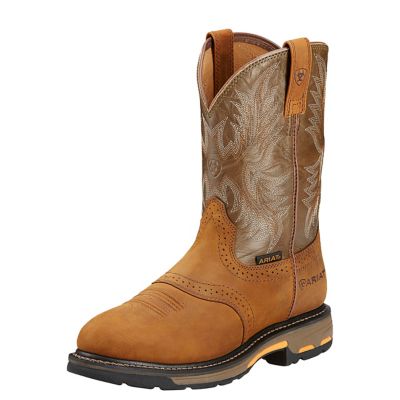
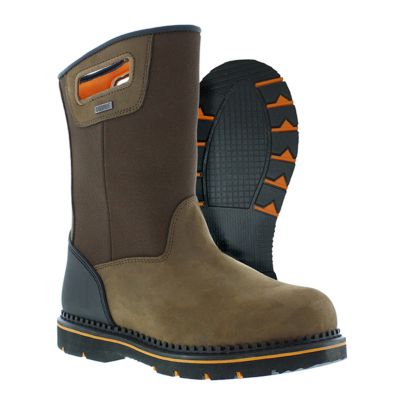
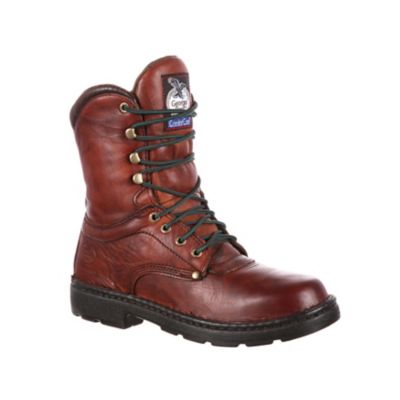
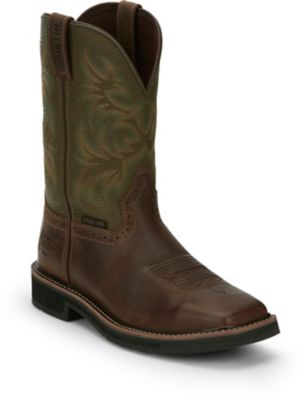
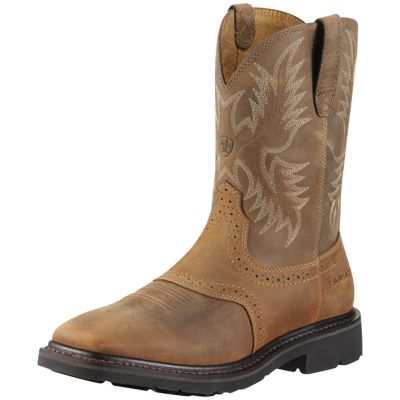
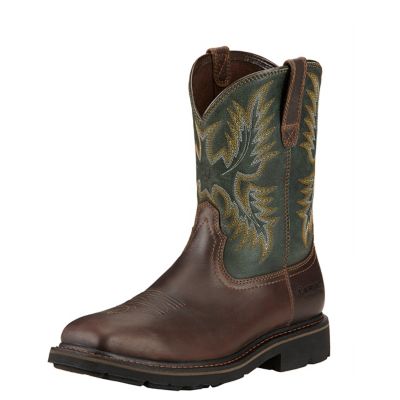
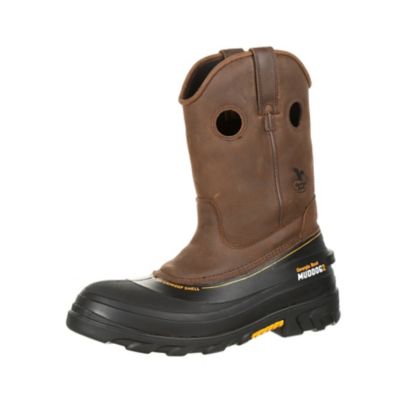
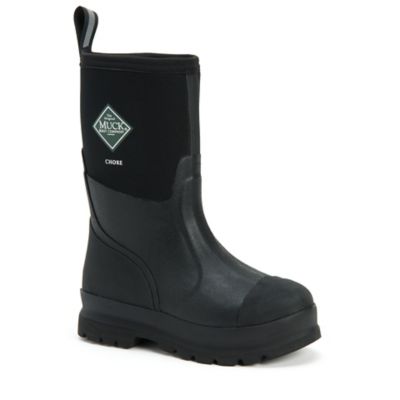
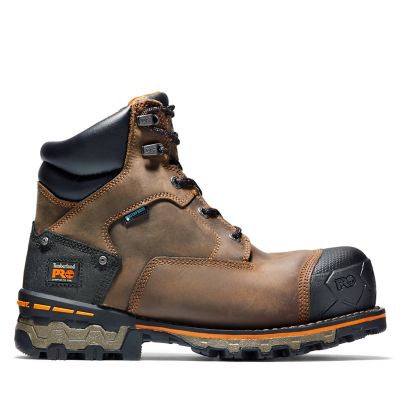
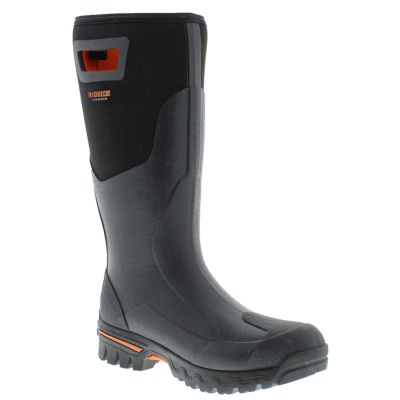
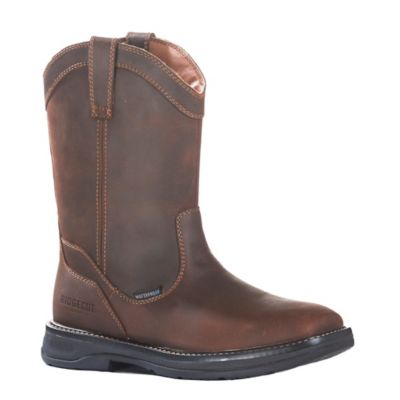
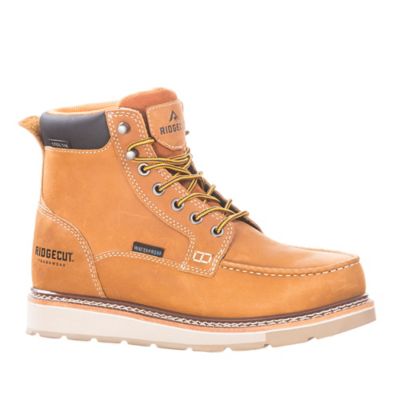
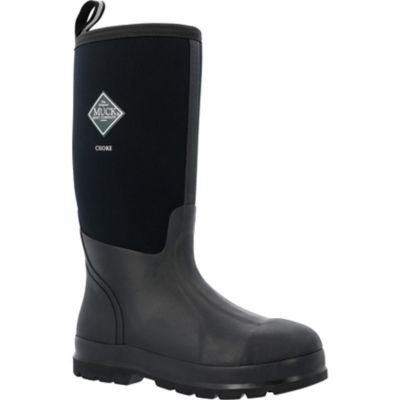
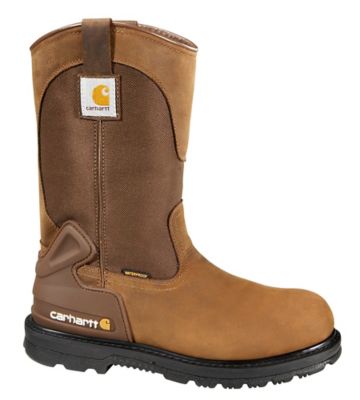
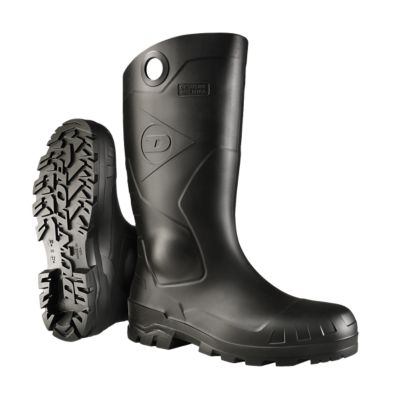
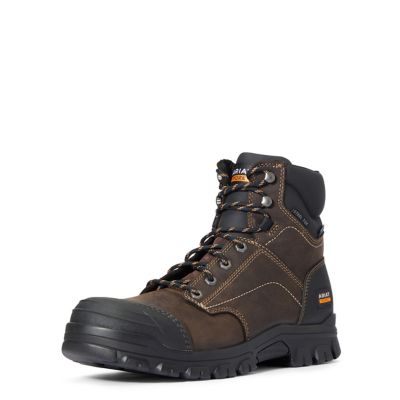
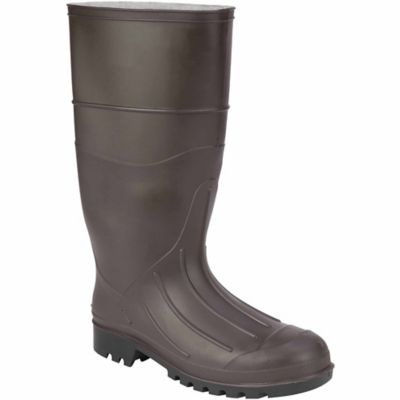
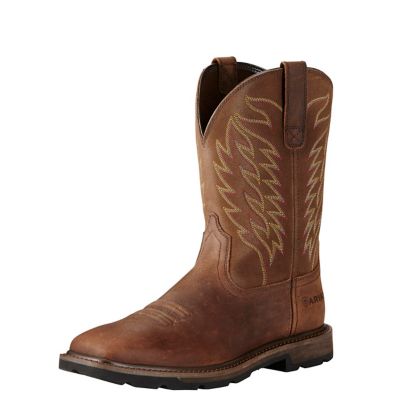
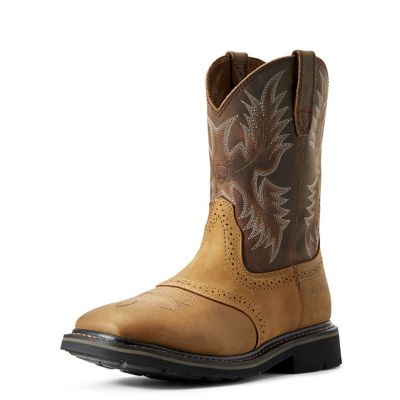
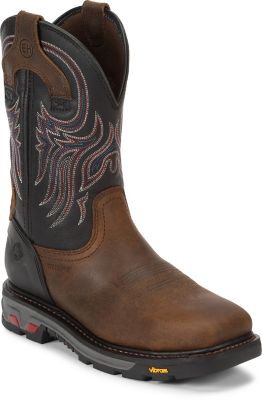
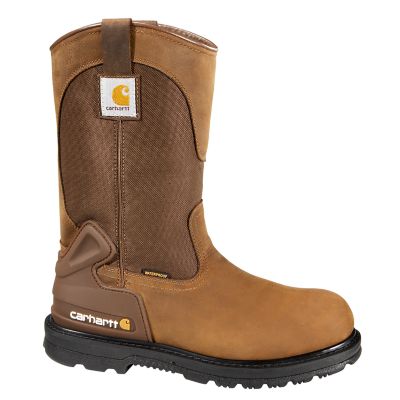
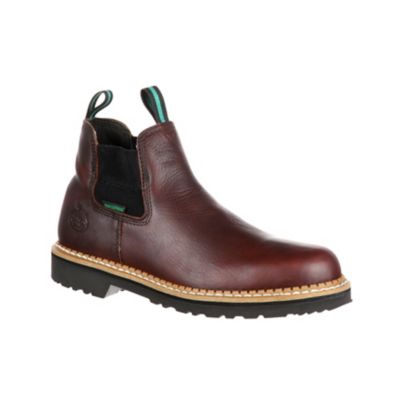
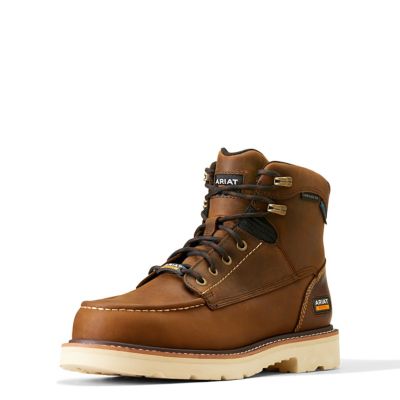
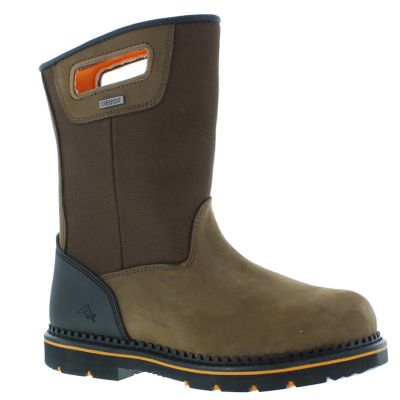
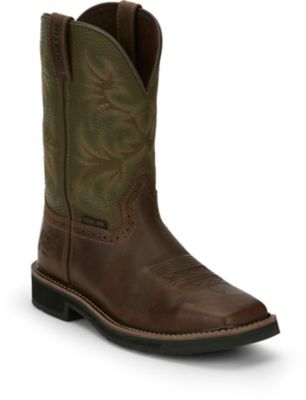
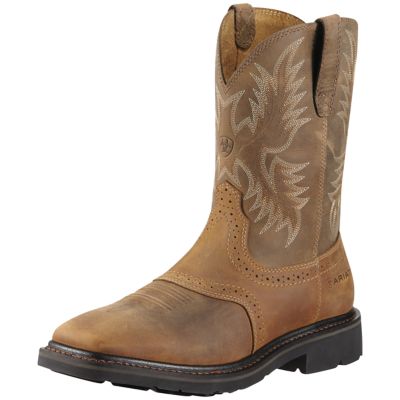
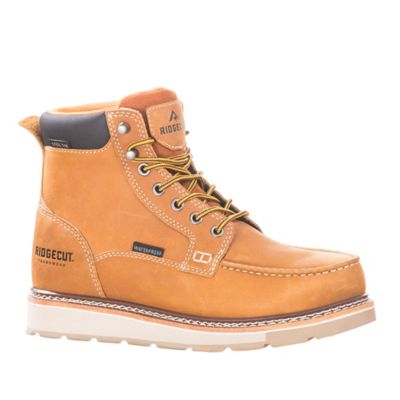
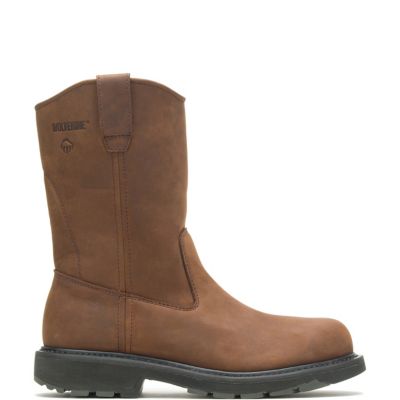
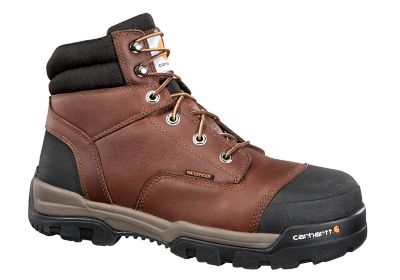
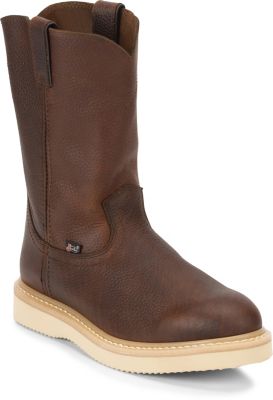
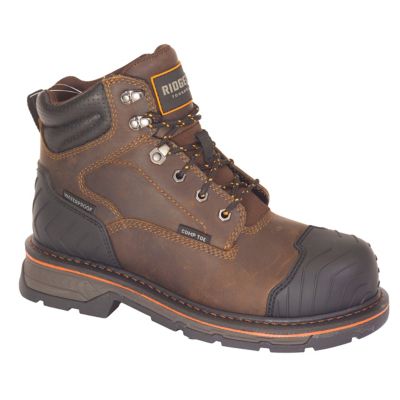
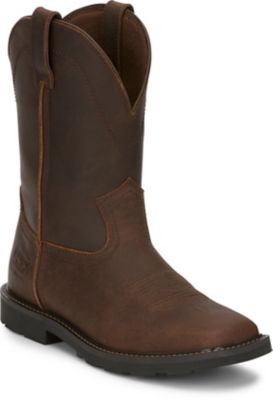
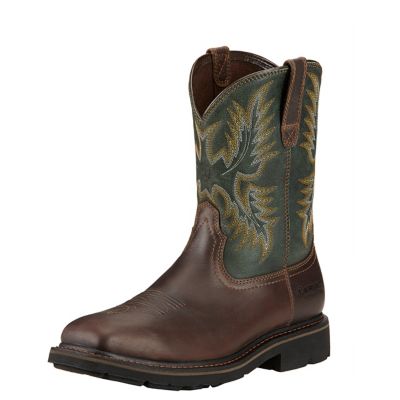
Plumber boots are built for work that gets wet, messy, and hard on your feet. A plumbing job can lead from a finished kitchen to a muddy crawl space, from a dripping basement to a trench beside the foundation, often in the same day. The right pair helps keep water, mud, grime, and job-site debris from slowing you down while giving your feet the support they need for climbing, kneeling, lifting, and standing on concrete. Tall rubber boots are a practical choice for flooded basements, wet ground, muddy trenches, and outdoor repair work because their waterproof construction helps keep water out from the sole to the upper. They are also easy to rinse clean after a long day around drain lines, standing water, or soil. For everyday service calls and construction work, waterproof leather work boots offer a more familiar fit and added structure, especially when paired with a slip-resistant outsole and a safety toe. Look for materials and construction designed to keep water from soaking through seams, along with a sole that grips well on smooth tile, damp concrete, packed dirt, and slick metal surfaces. A deep tread can help in mud and loose soil, while a flatter, durable work outsole may feel steadier when you spend hours indoors. Comfort matters just as much as waterproofing. Plumbing work often means crouching under sinks, kneeling beside tubs, climbing ladders, and carrying tools across rough ground, so flexible uppers, cushioned footbeds, supportive arches, and roomy toe boxes can make a noticeable difference by the end of a long shift. A boot should hold your heel securely without pinching across the instep, and enough room should remain for work socks without making the foot slide around. When choosing a size, consider the socks you normally wear on the job and leave enough space for natural movement without going so large that the heel lifts. A safety toe may be worth considering for jobs around pipe bundles, fittings, tools, and heavy equipment, while electrical hazard protection can be helpful for workers who may encounter energized areas. Check the boot’s labeling and care instructions for the protection it provides, since safety features vary by style. Pull-on boots can be handy when you are moving in and out of wet areas and need to get ready without fuss, while lace-up designs may provide a closer, more adjustable fit for ladders, uneven ground, and long walks between work areas. During warmer weather, breathable linings and moisture-managing socks can help reduce clamminess, while insulated options may be more comfortable during cooler months spent in unheated buildings or outside near exposed plumbing.
A dependable pair of plumber boots can suit professional plumbers, maintenance crews, septic workers, remodelers, well-service technicians, farmers, ranchers, and handy homeowners who would rather be prepared than caught standing in a puddle wearing everyday shoes. They can also make a useful gift for someone starting an apprenticeship, building a work wardrobe, or tackling regular repairs around an older home, barn, shop, or rental property. For a gift, pay close attention to the recipient’s usual work environment, preferred boot height, safety requirements, and sizing rather than choosing by appearance alone. Someone who spends most of the day inside finished homes may prefer a lighter waterproof work boot with a flexible sole, while a person working in crawl spaces, ditches, or wet utility rooms may get more use from a taller rubber design. A few practical details can make boots last longer. Let wet footwear dry naturally away from direct heat, which can dry out leather, weaken adhesives, or cause materials to crack. Knock off dried mud before it hardens into the tread, rinse rubber boots after exposure to chemicals or waste water, and follow the manufacturer’s cleaning and conditioning directions. Replace worn laces, inspect the outsole for smooth spots, and check for cracks around flex points, heel areas, and waterproof collars. Even a boot that still looks serviceable may not offer the same traction after the tread has worn down. Keep work boots separate from clean household footwear, especially after jobs involving sewage, chemicals, or heavy mud, and use fresh socks to help manage moisture and odor. For workers who split time between plumbing and other trades, footwear with similar support and safety features may also fit electrical, mechanical, and general maintenance tasks; browse
Electrician Boots for another work-ready option. It is also worth clearing up a bit of trade language: in roofing, a “plumbing boot” or “roof boot” can mean the flashing installed around a vent pipe where it passes through the roof. That part is meant to create a tight, waterproof seal and may be made from flexible EPDM rubber, silicone, plastic, or metal with a rubber collar. It is different from the waterproof footwear worn by a plumbing professional. When shopping this page, focus on the work boot features that match the job—water resistance, slip-resistant traction, flexible support, durability, comfort, and any needed safety-toe or electrical protection rating. The best pair is the one that feels steady on the ground, keeps wet conditions from reaching your socks, and remains comfortable enough to wear from the first service call through the last trip back to the truck.