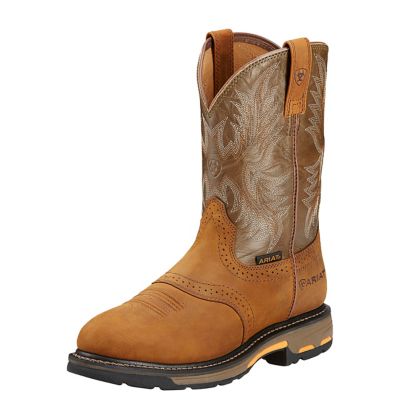
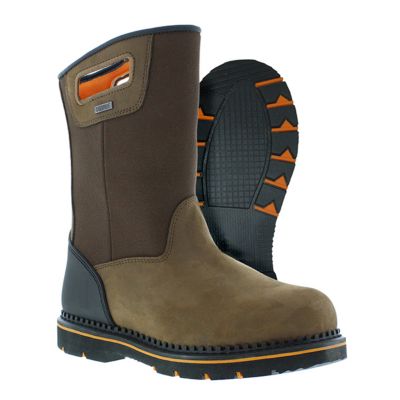
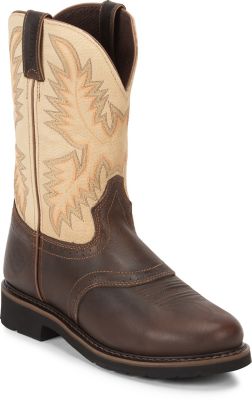
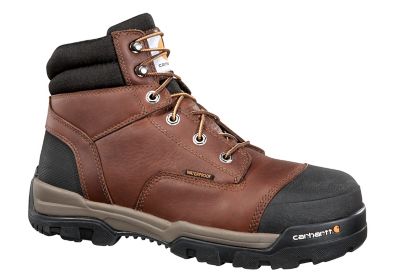
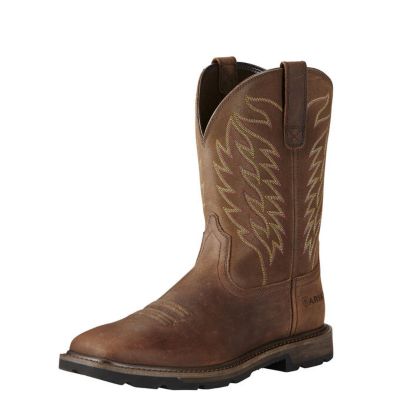
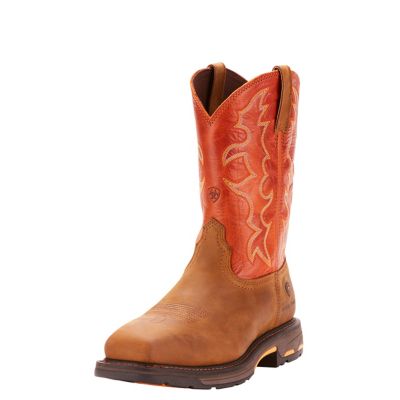
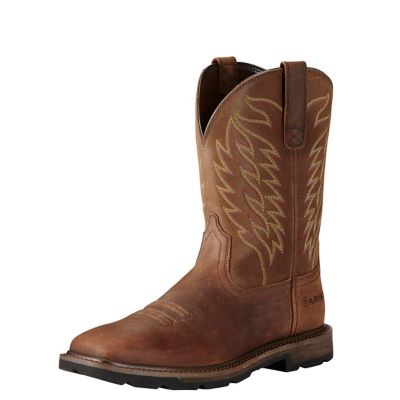
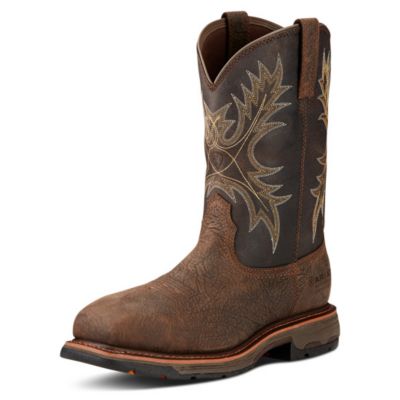
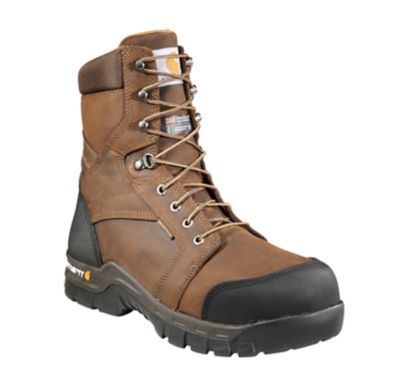
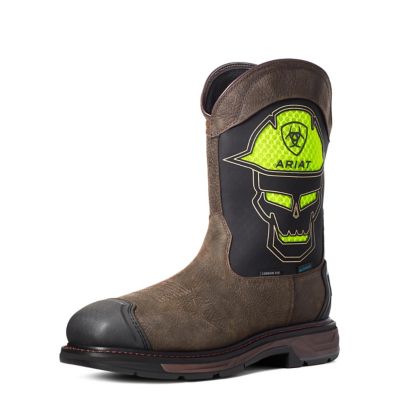
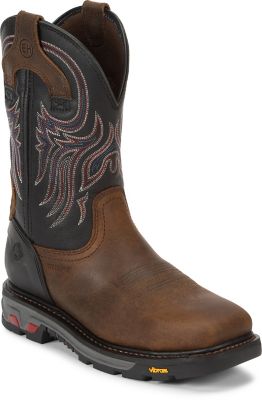
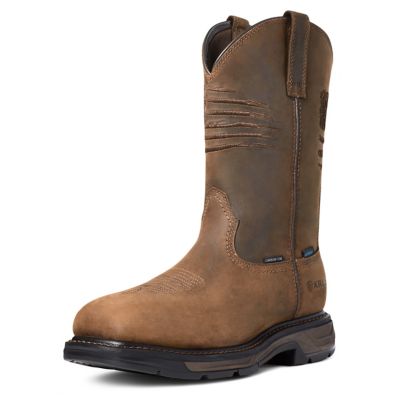
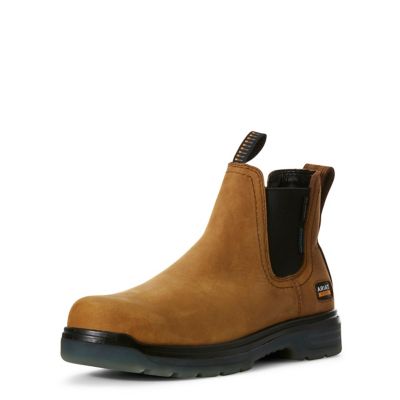
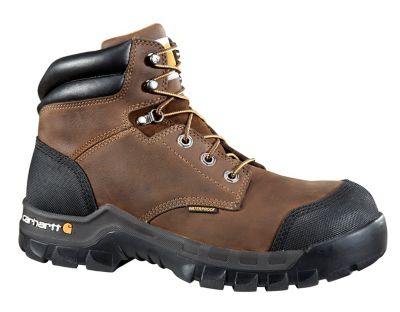
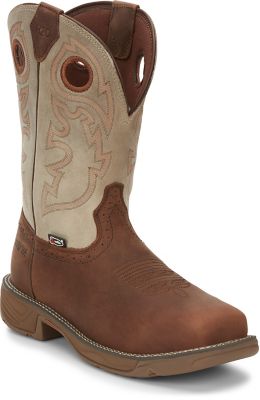
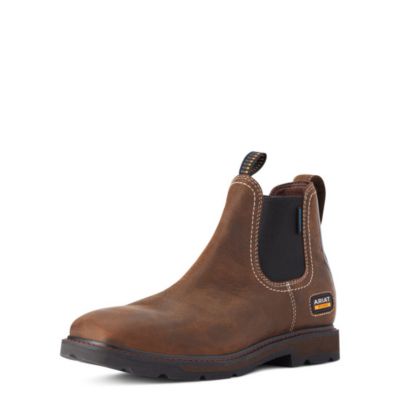
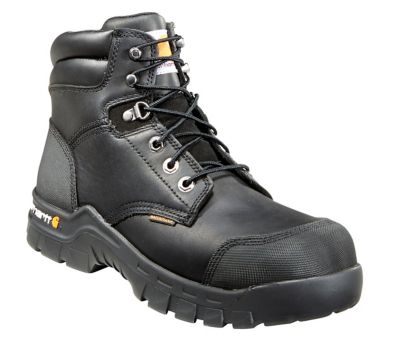
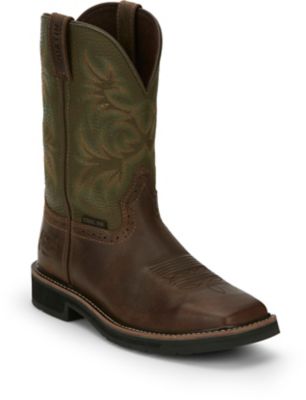
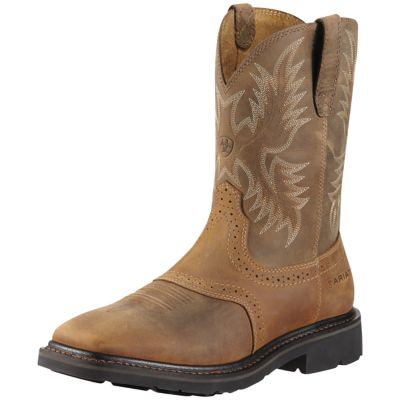
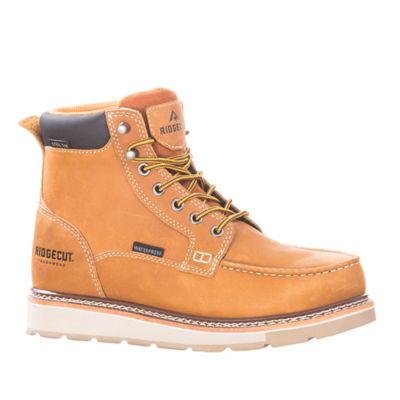
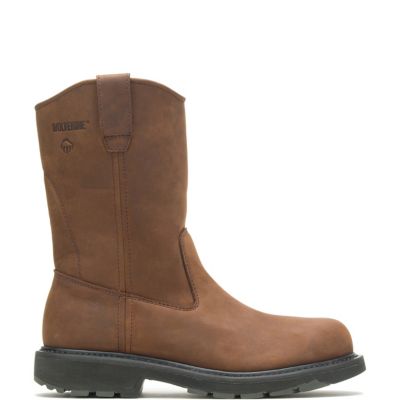
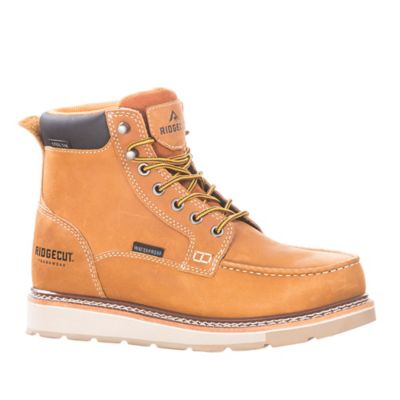
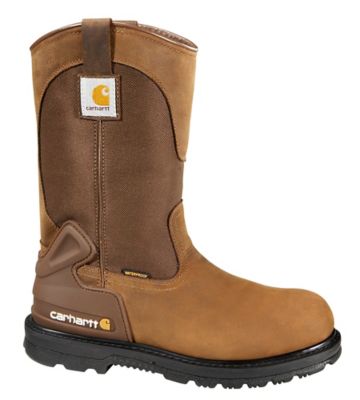
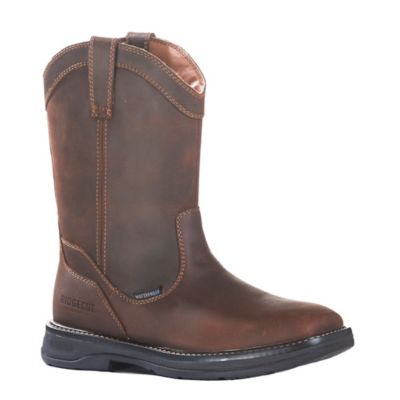
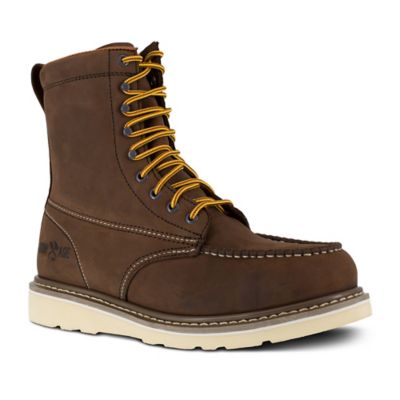
Boots for construction workers bring together underfoot support, jobsite protection and a fit that holds up through a full shift. From carrying lumber across a gravel lot to setting forms or spending hours on a concrete floor, different tasks put different demands on footwear. Leather uppers offer abrasion resistance and can soften with wear, while styles with textile panels may provide more flexibility and less weight. Reinforced stitching, protected toe areas and sturdy heel counters help boots handle repeated kneeling, scuffing and climbing. Safety-toe construction is an important distinction when falling tools, moving materials or rolling equipment are part of the work. Steel, alloy and composite toe caps can meet the same applicable impact and compression requirements; the material alone does not determine the level of protection. The boot’s marking and manufacturer specifications tell more than the appearance of the toe. ASTM F2413 markings identify applicable safety-footwear requirements, and the protection listed should match the employer’s rules and the hazards on the site. Soft-toe work boots can suit tasks without a safety-toe requirement, but they do not replace protective footwear where that protection is required. Underfoot, wedge soles spread contact across a broad surface and often suit work on flat concrete. Lugged outsoles provide a more pronounced tread for loose ground and uneven paths around a building site. A defined heel may matter for certain ladder tasks, depending on the ladder and workplace requirements. Slip resistance also deserves attention around smooth floors, dust and spills, though no outsole prevents every slip. Oil resistance and slip resistance describe different properties, so one should not stand in for the other. For crews handling heavy materials, metatarsal guards add protection over the top of the foot when the boot carries the appropriate rating. Puncture-resistant footwear addresses another hazard, but a thick-looking sole alone does not establish puncture protection. These details help separate boots meant for general work from footwear suited to a particular construction assignment.
A construction boot should feel secure without squeezing the foot, especially when the day includes walking, crouching and carrying a load. The fit of
men's boots for work depends on the shape of the last, the width through the forefoot and the space inside the toe box, not just the number on the label. Toes need room to move without striking the front, while the heel should stay reasonably settled as the foot rolls through a step. A safety toe will not stretch to make extra room, so pressure against the cap is not something to count on wearing away. Trying boots with the socks worn on the job gives a better sense of the working fit, and any prescribed orthotics need space of their own. Feet can swell over a long day, making a late-day fitting helpful. Lace-up boots allow tension adjustments across the instep and around the ankle, which can help when foot volume changes or a particular area needs relief. Pull-on work boots offer a straightforward design without laces, but the instep and heel fit still matter; a loose boot that lets the foot slide can create friction and fatigue. Shaft height affects coverage, flexibility and how a boot feels when kneeling or climbing into equipment. Padding, removable footbeds and supportive midsoles can make standing on a slab more manageable, but thick cushioning is not automatically the best match for every foot. A firm, stable platform may feel better under a heavy load than an overly soft one. Boot weight matters, too, especially for workers who cross a large site repeatedly. Carpenters, equipment operators, concrete crews and apprentices may all wear construction work boots, yet their daily movements differ enough that the same shape or sole will not suit everyone. Some leather softening is normal, but numbness, sharp pressure and persistent rubbing are signs of a fit problem rather than a necessary break-in period.
Materials and construction also affect how boots handle moisture, repeated flexing and everyday cleanup. Waterproof designs may combine a membrane with sealed seams to help keep outside water from reaching the foot during washdown work or contact with standing water. Water-resistant leather offers a different level of protection and should not be assumed to perform like a waterproof boot. Water can still enter over the top, and a waterproof lining does not eliminate perspiration, making suitable socks and drying time important. Electrical-hazard-rated footwear provides secondary protection against accidental contact with certain electrical hazards under dry conditions; it does not make energized work safe or replace required electrical safety procedures and protective equipment. Matching the boot to the actual assignment matters more than collecting features that the work does not call for. Welted construction may allow resoling when the design and condition permit, while cemented construction can provide a flexible feel; service life depends on the whole boot, the work and its care rather than the construction method alone. After a shift, brushing away grit keeps abrasive dirt from lingering around seams and flex points. Concrete residue, oils and other jobsite substances call for cleaning methods approved for the boot’s materials, rather than harsh household solvents. Leather conditioner can help suitable leather stay supple, but treatments should match the manufacturer’s directions, especially on boots with specialized finishes or membranes. Damp boots need time to dry away from direct heat, with removable footbeds taken out when appropriate. Rotating pairs can give the inside more time to dry between shifts. Regular checks of tread depth, separating soles, torn uppers, damaged laces and exposed protective components help show when repairs or replacement are needed. A boot that has taken a major impact may need replacement even if the damage is hard to see. For construction workers, a well-matched pair earns its place through steady footing, room to move and protection that fits the work ahead.